
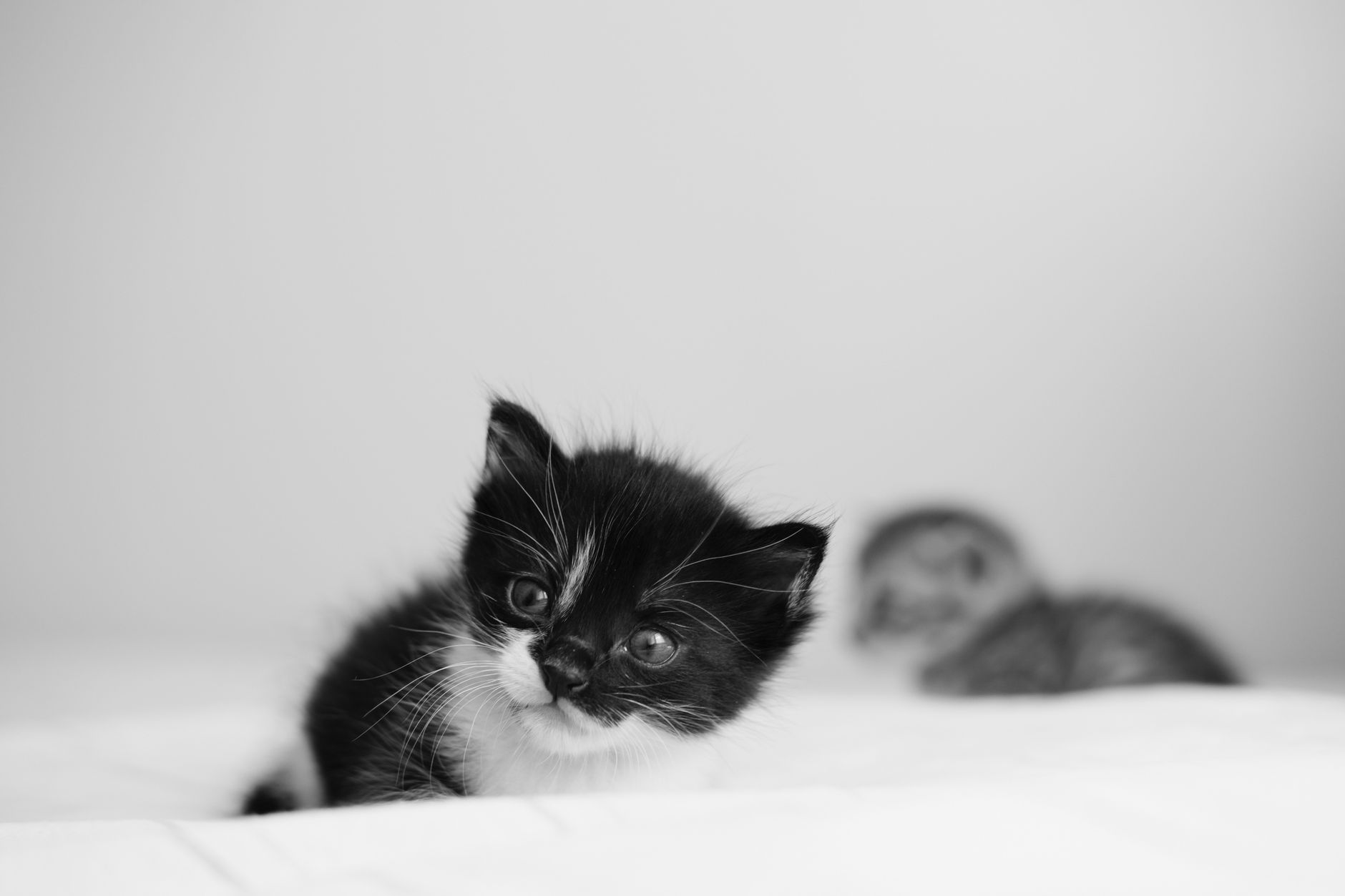
Is It Normal for Kittens to Not Make Noise? Understanding Silent Kittens
It’s not always normal for kittens to be unusually quiet. While some variation exists, a lack of vocalization warrants close observation and, potentially, veterinary assessment to rule out underlying health issues.

Introduction: A Kitten’s Serenade – Or Lack Thereof
The symphony of kittenhood often includes a chorus of meows, purrs, and playful chirps. These vocalizations serve as crucial communication tools, allowing kittens to interact with their mothers, littermates, and human caretakers. They signal needs like hunger, discomfort, or simply a desire for attention. However, what happens when this expected soundtrack falls silent? Is it normal for kittens to not make noise? This question plagues many new kitten owners. Understanding the potential reasons behind a kitten’s quiet demeanor is essential for ensuring its health and well-being.

Is distilled water good for goldfish?
What colours are fish most attracted to?
Can you put your finger in a trout's mouth?
Is methylene blue anti bacterial?
Common Causes of a Quiet Kitten
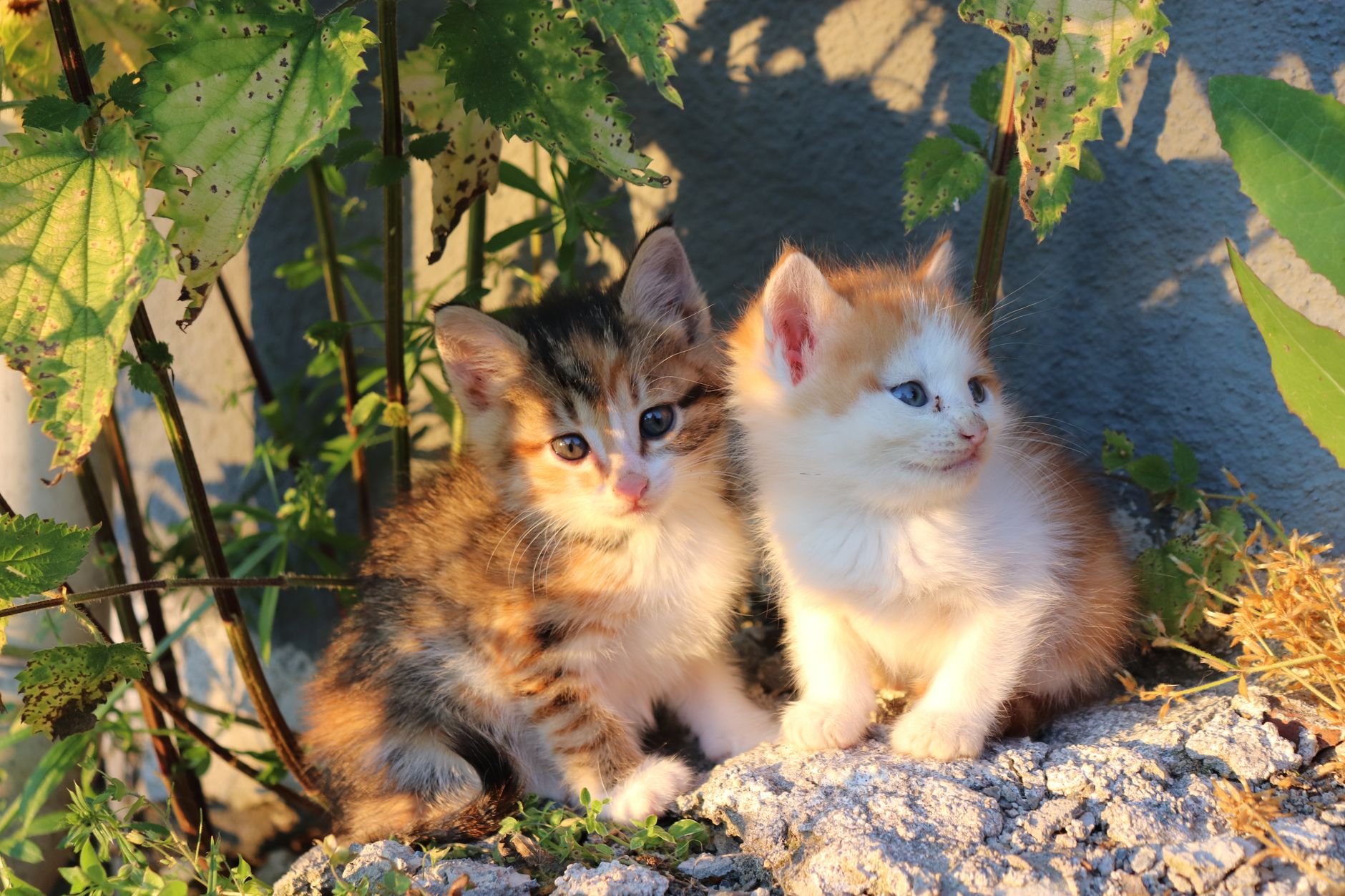
Several factors can contribute to a kitten’s perceived silence. Some are benign and temporary, while others necessitate immediate veterinary intervention.
-
Age: Very young kittens (under two weeks) are often less vocal than older kittens. Their communication is largely driven by scent and touch during this early stage.
-
Breed: Some breeds are inherently less vocal than others. For example, Persian cats are known for their relatively quiet nature.
-
Temperament: Just like humans, kittens have individual personalities. Some are naturally more reserved and less inclined to vocalize.
-
Environment: A quiet, stress-free environment may lead to a less vocal kitten. Conversely, a stressful environment can also cause a kitten to become withdrawn and silent.
-
Health Problems: This is the most concerning reason. Respiratory infections, oral pain, or neurological issues can all affect a kitten’s ability to vocalize. Congenital problems affecting the larynx or vocal cords are also possibilities.
Distinguishing Normal Quiet from Cause for Concern
It’s important to differentiate between a kitten that is naturally quiet and one that has suddenly stopped vocalizing or exhibits other concerning symptoms. Observe the following:
-
Normal Quiet:
- The kitten is eating, playing, and interacting normally.
- The kitten purrs when petted or held.
- The kitten occasionally makes soft noises.
- The kitten appears generally healthy and comfortable.
-
Cause for Concern:
- Sudden onset of silence in a previously vocal kitten.
- Lethargy, loss of appetite, or difficulty breathing.
- Sneezing, coughing, or nasal discharge.
- Excessive drooling or difficulty swallowing.
- Any signs of pain or discomfort.
The Importance of Early Veterinary Intervention
If you are concerned about your kitten’s lack of vocalization, it’s always best to consult with a veterinarian. Early diagnosis and treatment can significantly improve the outcome for many potential health problems. Your veterinarian will perform a thorough physical examination and may recommend further diagnostic tests, such as blood work, X-rays, or an examination of the larynx. It is essential to rule out the possibility of more serious health issues.
Creating a Stimulating and Safe Environment
Regardless of the reason for your kitten’s quietness, providing a stimulating and safe environment is crucial for its well-being. This includes:
- Plenty of toys: Encourage play and exploration.
- A comfortable resting place: Provide a warm and cozy bed.
- Regular interaction: Spend time petting, talking to, and playing with your kitten.
- A healthy diet: Ensure your kitten is receiving a nutritious diet appropriate for its age and breed.
- Minimize stress: Reduce loud noises and other potential stressors.
Is it normal for kittens to not make noise? – A Summary
In conclusion, while some kittens are naturally quieter than others, a complete lack of vocalization, especially when accompanied by other symptoms, should not be ignored. Always err on the side of caution and consult with a veterinarian to ensure your kitten is healthy and thriving. Determining if is it normal for kittens to not make noise? requires careful observation and, if necessary, professional medical advice.
Frequently Asked Questions (FAQs)
What is the typical vocal range for a healthy kitten?
Healthy kittens typically vocalize through meows, purrs, chirps, and trills. The frequency and volume of these sounds vary based on age, breed, personality, and individual needs. A sudden decrease or absence of these vocalizations can indicate a problem.
At what age should a kitten start meowing regularly?
Kittens typically begin meowing regularly around 2-3 weeks of age. Before that, they primarily communicate with their mother through scent and touch. Meowing becomes more frequent as they become more independent and explore their environment.
Can a kitten’s diet affect its vocalizations?
Yes, a kitten’s diet can indirectly affect its vocalizations. A nutritious diet supports overall health, including the health of the respiratory system and vocal cords. Malnutrition or dehydration can lead to weakness and reduced vocalization.
Is it possible my kitten is just shy?
Yes, a kitten’s personality can play a role in its vocalizations. Some kittens are naturally more reserved and less vocal than others. However, shyness should not be assumed without ruling out underlying health issues.
What are the signs of a respiratory infection in a kitten?
Signs of a respiratory infection in a kitten include sneezing, coughing, nasal discharge, watery eyes, lethargy, loss of appetite, and difficulty breathing. These symptoms can also affect vocalizations.
Could a traumatic experience cause a kitten to stop making noise?
Yes, a traumatic experience can cause a kitten to become withdrawn and less vocal. This is especially true if the experience involved a loud noise or a frightening event. A safe and supportive environment can help the kitten recover.
How do I encourage my kitten to be more vocal?
You can encourage your kitten to be more vocal by engaging in interactive play, talking to it in a gentle voice, and responding to its needs promptly. Positive reinforcement, such as treats or praise, can also be helpful.
What if my kitten only purrs but doesn’t meow?
While concerning, some kittens may predominantly communicate through purring. This doesn’t necessarily indicate a problem, especially if the kitten is otherwise healthy and active. However, it’s still worth discussing with your veterinarian to rule out any underlying issues.
Are there specific breeds of cats known for being quieter than others?
Yes, certain breeds of cats, such as Persians, Ragdolls, and British Shorthairs, are generally known for being quieter and more docile than other breeds. Understanding the breed’s typical vocalization patterns can help you assess whether your kitten’s behavior is normal.
How can I tell if my kitten’s throat is sore?
Signs that your kitten’s throat is sore might include difficulty swallowing, excessive drooling, a reluctance to eat, and a raspy or weak meow (or a complete absence of vocalization). If you suspect a sore throat, consult with your veterinarian immediately.
Is it normal for kittens to not make noise if they were separated from their mother early?
Early separation from the mother can affect a kitten’s social development and communication skills. These kittens might be less confident and vocal than kittens raised with their mothers for a longer period. They might also exhibit other behavioral issues.
What types of diagnostic tests might a vet perform if a kitten is not vocalizing?
A veterinarian may perform various diagnostic tests to determine the cause of a kitten’s lack of vocalization, including a physical examination, blood work, X-rays of the chest and neck, and a laryngeal examination (laryngoscopy) to assess the vocal cords. Further neurological assessment may be recommended if neurological issues are suspected. These tests help rule out infections, injuries, or congenital abnormalities.