

How Much Training is Enough for a 12 Week Old Puppy?
A well-socialized and partially house-trained 12-week-old puppy should primarily focus on socialization, basic commands like sit and come, and crate/house training foundations; aiming for short, positive, and rewarding training sessions that emphasize relationship building rather than strict obedience. This sets the stage for future learning and a strong bond.
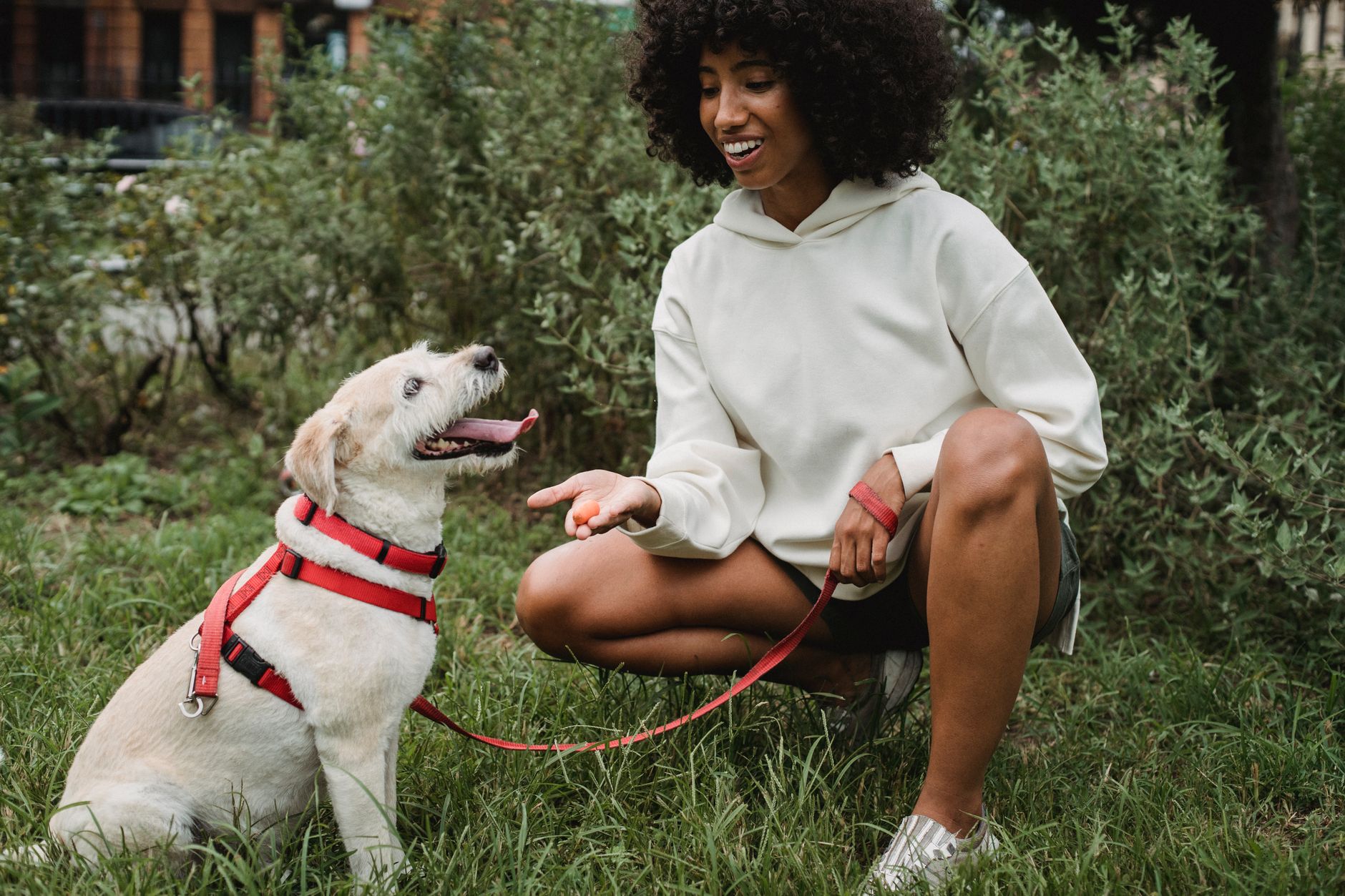
The Critical Window: Development at 12 Weeks
A 12-week-old puppy is in a crucial developmental stage. This period is marked by rapid learning and the establishment of lifelong habits. The focus at this age shouldn’t be on demanding obedience but on positive experiences that shape a well-adjusted adult dog. Understanding this timeframe is key to answering the question: How trained should a 12 week old puppy be?

Is distilled water good for goldfish?
What colours are fish most attracted to?
Can you put your finger in a trout's mouth?
Is methylene blue anti bacterial?
Prioritizing Socialization

Socialization is paramount at this age. Exposing your puppy to a variety of sights, sounds, people, and other animals in a safe and controlled manner helps prevent fear and aggression later in life.
- Safe Environments: Introduce your puppy to new experiences in controlled, low-stress environments.
- Positive Associations: Pair new experiences with positive reinforcement, such as treats and praise.
- Variety is Key: Expose your puppy to a range of stimuli, including different types of people (adults, children, those with hats or glasses), sounds (traffic, household appliances), and surfaces (grass, concrete, carpet).
Establishing House Training Foundations
House training is another essential area to focus on. Consistency and positive reinforcement are crucial for success.
- Frequent Potty Breaks: Take your puppy out frequently, especially after waking up, eating, and playing.
- Reward Success: Praise and reward your puppy immediately after they eliminate outside.
- Clean Up Accidents Thoroughly: Use an enzymatic cleaner to eliminate odors and prevent repeat offenses.
- Crate Training Assistance: Using a crate can aid in house training, as dogs naturally avoid soiling their sleeping area.
Basic Obedience Training: Introducing Key Commands
While formal obedience training can wait, introducing basic commands like “sit,” “come,” and “stay” can start now. Keep training sessions short, fun, and rewarding.
- Short Sessions: Limit training sessions to 5-10 minutes at a time.
- Positive Reinforcement: Use treats, praise, and toys to reward desired behaviors.
- Clear Communication: Use clear and consistent verbal cues and hand signals.
- Avoid Punishment: Punishment can create fear and anxiety, hindering learning.
Building a Strong Bond
The most important aspect of training a 12-week-old puppy is building a strong bond based on trust and positive reinforcement. This foundation will make future training much easier and more enjoyable for both you and your dog. Remember, the key to how trained should a 12 week old puppy be revolves around nurturing this bond.
Common Mistakes to Avoid
Many owners mistakenly expect too much from their 12-week-old puppies. Avoid these common pitfalls:
- Overwhelming with Information: Keep training sessions short and focus on one or two commands at a time.
- Using Punishment: Punishment can damage your relationship with your puppy and create fear and anxiety.
- Lack of Consistency: Consistency is key to success in all aspects of training.
- Neglecting Socialization: Failing to properly socialize your puppy during this critical period can lead to behavioral problems later in life.
Sample Training Schedule
This table provides a sample training schedule. Adjust based on your puppy’s individual needs and temperament.
| Time of Day | Activity | Focus | Duration |
|---|---|---|---|
| Morning | Potty Break | House training | 5-10 minutes |
| Playtime | Bonding, Exercise | 20-30 minutes | |
| Mid-day | Short Training Session | Sit, Come, Leave It | 5-10 minutes |
| Afternoon | Socialization | Exposure to new sights, sounds, and people | 30-60 minutes |
| Evening | Potty Break | House training | 5-10 minutes |
| Crate Training | Association with positive experiences | Variable |
Long-Term Benefits of Early Training
Investing time and effort in training your puppy during this crucial period will pay off in the long run. A well-socialized and trained puppy is more likely to become a well-behaved and happy adult dog. The question of how trained should a 12 week old puppy be is less about specific tricks and more about setting them up for future success.
Frequently Asked Questions (FAQs)
What specific commands should I focus on at 12 weeks?
Focus on foundational commands like sit, come, stay, and leave it. These commands are essential for safety and control and provide a solid foundation for more advanced training later. Keep sessions brief and prioritize positive reinforcement.
How long should training sessions last?
Training sessions should be short and frequent, ideally lasting no more than 5-10 minutes at a time. Puppies have short attention spans, and longer sessions can lead to frustration and disengagement.
What type of treats should I use for training?
Use small, high-value treats that your puppy finds irresistible. Options include small pieces of cooked chicken, cheese, or commercially available puppy training treats.
How do I deal with puppy biting?
Puppy biting is a normal behavior, but it’s important to redirect it appropriately. Offer a chew toy instead and gently discourage biting by saying “ouch” and withdrawing your attention briefly.
Is crate training necessary?
Crate training is highly recommended for house training and providing your puppy with a safe and comfortable den. Introduce the crate gradually and make it a positive experience.
How do I socialize my puppy safely?
Socialize your puppy in safe and controlled environments. Avoid dog parks or other areas where unvaccinated dogs may be present. Consider puppy classes or supervised playdates.
What if my puppy is scared of new things?
Introduce new experiences gradually and positively. Never force your puppy into a situation that makes them uncomfortable. Pair new experiences with treats and praise.
How do I stop my puppy from chewing on furniture?
Provide plenty of appropriate chew toys and redirect your puppy when they start chewing on furniture. Use a taste deterrent spray on furniture to discourage chewing.
What do I do if my puppy has accidents in the house?
Clean up accidents immediately and thoroughly with an enzymatic cleaner. Avoid punishing your puppy, as this can create fear and anxiety. Revisit your house training schedule and ensure frequent potty breaks.
When should I start formal obedience classes?
You can typically start formal obedience classes after your puppy has completed their initial vaccination series, usually around 4-6 months of age.
How do I teach my puppy to “leave it”?
Place a treat in your hand and close your fist. When your puppy tries to get the treat, say “leave it.” When your puppy stops trying, open your hand and give them the treat. Gradually increase the difficulty by placing the treat on the floor. This command is critical to answering How trained should a 12 week old puppy be?
What’s the most important thing to remember when training a 12-week-old puppy?
The most important thing is to be patient, consistent, and positive. Building a strong bond based on trust and positive reinforcement is crucial for success. Remember that how trained should a 12 week old puppy be is largely dependent on establishing a positive, nurturing learning environment.