
How to Clean Grout in Shower: A Definitive Guide
Cleaning shower grout can seem like a daunting task, but with the right techniques and products, you can restore its original luster and prevent mold and mildew buildup. This guide provides a comprehensive approach to effectively cleaning your shower grout, leaving your bathroom sparkling and hygienic.
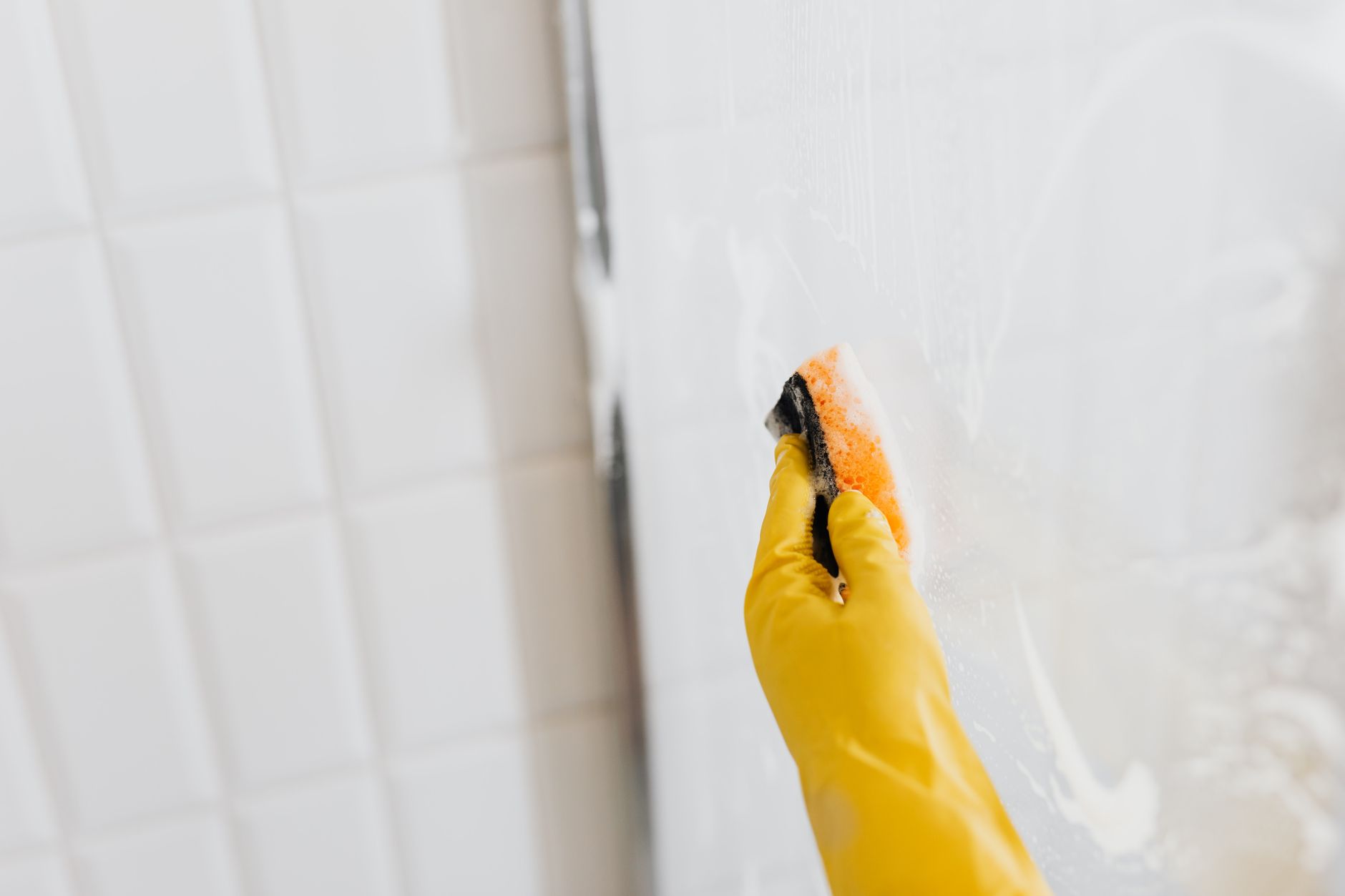
Understanding the Challenge: Why Grout Gets Dirty
Shower grout, that porous material between your tiles, is constantly exposed to moisture, soap scum, body oils, and mineral deposits. These elements create the perfect breeding ground for mold and mildew, leading to discoloration, stains, and even structural damage over time. Regularly cleaning your grout is essential to maintain a healthy and aesthetically pleasing bathroom. Ignoring it can lead to more challenging and costly problems down the road, requiring professional intervention or even tile replacement. The inherent porosity of grout also makes it susceptible to absorbing these contaminants, making preventative measures just as crucial as cleaning methods.
Methods for Cleaning Grout
Several effective methods exist for cleaning shower grout, ranging from simple home remedies to specialized cleaning products. The best approach depends on the severity of the staining and your personal preferences.
Baking Soda and Vinegar
This is a classic, eco-friendly option. Baking soda, a mild abrasive, helps to lift dirt and grime. Vinegar, an acid, dissolves mineral deposits and kills mold.
- Application: Create a paste of baking soda and water, applying it to the grout lines. Spray vinegar onto the baking soda paste. The mixture will fizz. Let it sit for 10-15 minutes.
- Scrubbing: Use a stiff-bristled brush (an old toothbrush works well) to scrub the grout lines thoroughly.
- Rinsing: Rinse the area with water to remove any remaining residue.

Is distilled water good for goldfish?
What colours are fish most attracted to?
Can you put your finger in a trout's mouth?
Is methylene blue anti bacterial?
Hydrogen Peroxide

Hydrogen peroxide is a mild bleaching agent that can effectively remove stains and kill mold and mildew.
- Application: Apply 3% hydrogen peroxide directly to the grout lines.
- Sitting Time: Allow it to sit for 10-15 minutes.
- Scrubbing: Scrub with a stiff-bristled brush.
- Rinsing: Rinse with water.
Commercial Grout Cleaners
Numerous commercial grout cleaners are available, ranging from mild to strong. Always read the label carefully and follow the manufacturer’s instructions. Look for products specifically designed for grout cleaning, as they often contain chemicals that target mold, mildew, and soap scum.
- Safety Precautions: Wear gloves and eye protection when using commercial grout cleaners. Ensure adequate ventilation.
- Application: Apply the cleaner to the grout lines as directed.
- Scrubbing: Scrub with a grout brush.
- Rinsing: Rinse thoroughly with water.
Steam Cleaning
A steam cleaner uses pressurized steam to lift dirt and grime from grout. It’s an effective, chemical-free option.
- Preparation: Ensure the shower area is well-ventilated.
- Application: Use the steam cleaner’s grout cleaning attachment to direct steam along the grout lines.
- Wiping: Wipe away loosened dirt with a clean cloth.
Bleach Solution (Use with Caution)
Bleach is a powerful disinfectant and stain remover, but it should be used with caution due to its strong fumes and potential to damage some surfaces.
- Dilution: Dilute bleach with water (a 1:10 ratio is generally recommended).
- Application: Apply the solution to the grout lines.
- Sitting Time: Allow it to sit for 5-10 minutes.
- Scrubbing: Scrub with a stiff-bristled brush.
- Rinsing: Rinse thoroughly with water. Never mix bleach with ammonia, as this can create toxic fumes. Ensure proper ventilation. Avoid prolonged contact with skin.
Sealing Grout: Protection Against Future Stains
Once your grout is clean, consider sealing it to prevent future stains and mold growth. A grout sealer creates a protective barrier that repels water and prevents dirt from penetrating the porous surface. Apply a grout sealer according to the manufacturer’s instructions. Re-sealing every year or two is recommended to maintain its effectiveness.
Prevention is Key: Maintaining Clean Grout
Regular maintenance is crucial for preventing grout from becoming heavily stained. After each shower, squeegee the walls and wipe down the grout lines with a clean cloth to remove excess water and soap scum. Ensure proper ventilation by opening a window or using a bathroom fan to reduce humidity. These simple steps can significantly reduce the buildup of dirt and grime, making cleaning easier and less frequent.
Frequently Asked Questions (FAQs)
FAQ 1: What is the best brush to use for cleaning grout?
A stiff-bristled brush is essential for effectively cleaning grout. Look for brushes specifically designed for grout cleaning, which often have angled heads to reach into tight corners. An old toothbrush can also work well for smaller areas.
FAQ 2: How often should I clean my shower grout?
Ideally, you should clean your shower grout at least once a month. However, if you notice signs of mold or mildew, clean it immediately. Regular cleaning will prevent stains from becoming deeply embedded and will make the process much easier.
FAQ 3: Can I use a magic eraser on grout?
While a magic eraser can remove some surface stains, it is not the best option for deep cleaning grout. Its abrasive nature can damage the grout over time. It’s better to use grout-specific cleaning methods.
FAQ 4: Is it safe to mix bleach with other cleaning products to clean grout?
Never mix bleach with ammonia or other cleaning products. This can create dangerous and toxic fumes. Bleach should always be used alone and with proper ventilation.
FAQ 5: How do I remove mold from grout?
Several methods can remove mold from grout, including hydrogen peroxide, bleach solution (used with caution), and commercial mold and mildew removers. Ensure proper ventilation and wear gloves and eye protection when using these products.
FAQ 6: What is the best way to prevent mold from growing on grout?
Preventative measures are crucial. Ensure proper ventilation in your bathroom, squeegee the shower walls after each use, and regularly clean your grout with a mildew-killing cleaner. Sealing the grout can also help prevent mold growth.
FAQ 7: My grout is very old and stained. Can it be cleaned effectively?
Older, heavily stained grout may be more difficult to clean. You may need to use stronger cleaning products and more aggressive scrubbing. If the grout is severely damaged, re-grouting may be necessary.
FAQ 8: How long should I let the cleaning solution sit on the grout before scrubbing?
The recommended sitting time depends on the cleaning solution. Generally, allowing the solution to sit for 10-15 minutes helps loosen dirt and grime. Always follow the manufacturer’s instructions on commercial cleaning products.
FAQ 9: What if I don’t have a grout brush?
If you don’t have a grout brush, an old toothbrush or a small, stiff-bristled scrub brush can be used as a substitute.
FAQ 10: Can I use a pressure washer to clean grout?
Using a pressure washer on grout is generally not recommended, as the high pressure can damage the grout and tiles. It’s better to use gentler methods.
FAQ 11: What are the long-term effects of using bleach on grout?
While bleach is effective for cleaning grout, overuse can weaken the grout over time and potentially discolor it. Use bleach sparingly and always dilute it properly.
FAQ 12: How can I make my own grout cleaner?
A simple and effective homemade grout cleaner can be made with baking soda, water, and vinegar. Create a paste of baking soda and water, apply it to the grout, spray with vinegar, let it sit, scrub, and rinse.