
How to Clean Air Registers: A Definitive Guide
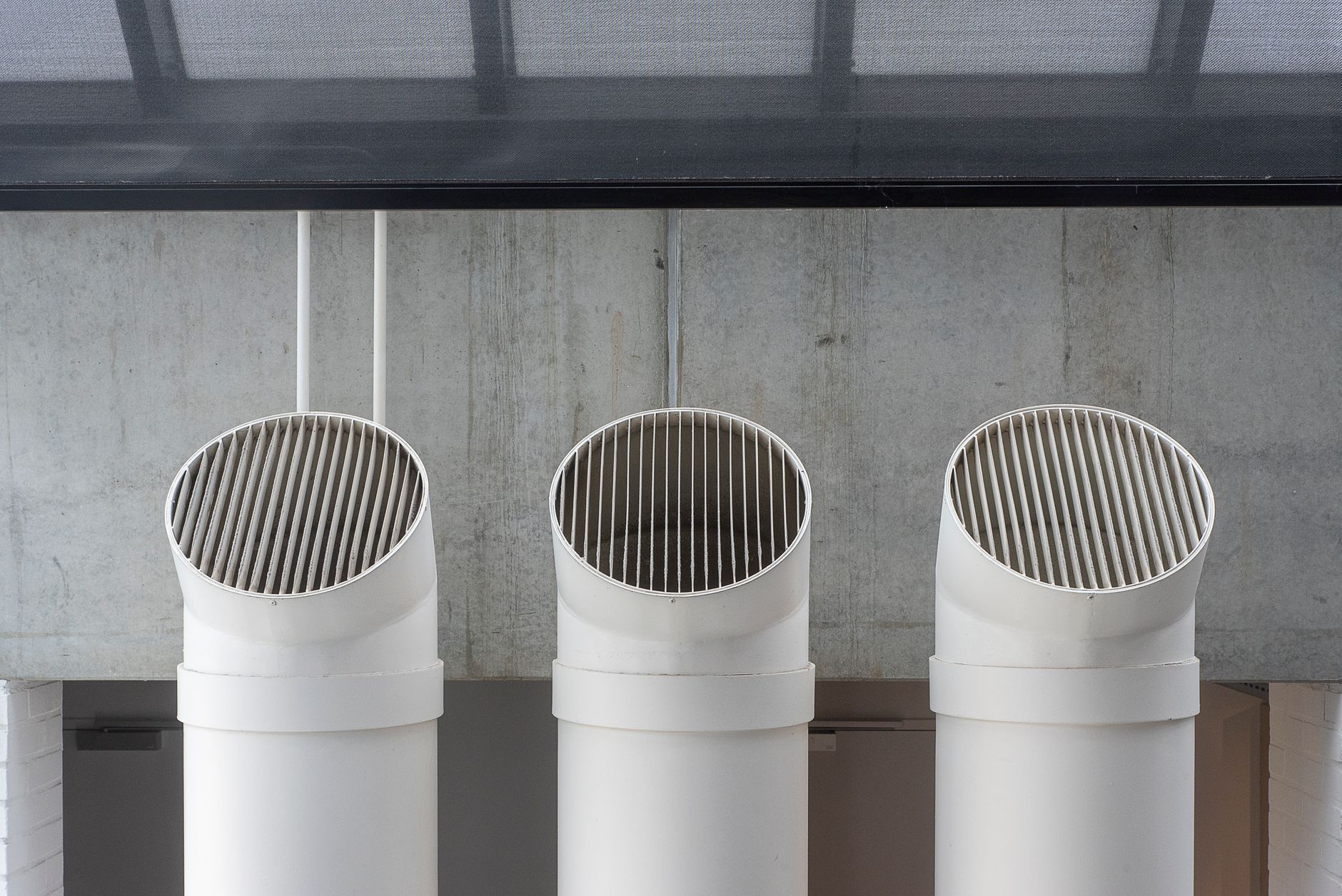
Cleaning your air registers (also known as vents or grilles) is a simple yet crucial step in maintaining a healthy and efficient home environment. Regular cleaning removes dust, allergens, and debris that can circulate through your HVAC system, impacting air quality and potentially hindering its performance.

Why Cleaning Air Registers Matters
Dirty air registers aren’t just unsightly; they’re active contributors to indoor air pollution. Over time, they accumulate a buildup of dust, pollen, pet dander, mold spores, and even small insects. This collected debris can then be blown back into your living spaces every time your heating or cooling system cycles on.

Is distilled water good for goldfish?
What colours are fish most attracted to?
Can you put your finger in a trout's mouth?
Is methylene blue anti bacterial?
The consequences extend beyond just allergies and respiratory irritation. A buildup of dust on registers can restrict airflow, forcing your HVAC system to work harder and potentially leading to increased energy bills and premature wear and tear. Furthermore, dust can act as a breeding ground for mold and bacteria, especially in humid environments, further compromising indoor air quality. Neglecting register cleaning ultimately undermines the effectiveness of your entire HVAC system and jeopardizes the health of your family.
Gathering Your Supplies
Before you begin, gather the necessary tools and supplies to make the cleaning process efficient and effective. You will need:
- Screwdriver: For removing the registers.
- Vacuum with hose attachment: Essential for removing loose dust and debris.
- Soft-bristled brush: For scrubbing stubborn dirt and grime.
- Warm, soapy water: A mild detergent mixed with warm water works well for cleaning.
- Microfiber cloths: For wiping down the registers after cleaning.
- Protective gloves: To protect your hands from dirt and cleaning solutions.
- Optional: Shop-Vac or air compressor: For deep cleaning (especially useful for hard-to-reach areas).
The Cleaning Process: Step-by-Step
Follow these steps for a thorough cleaning of your air registers:

-
Turn off your HVAC system: This prevents dust and debris from being blown into your ductwork during the cleaning process.
-
Remove the registers: Use a screwdriver to carefully unscrew and remove the registers from the walls or ceilings. Place them on a protected surface, like a drop cloth or old newspaper.
-
Vacuum the registers: Use the hose attachment of your vacuum cleaner to thoroughly remove loose dust and debris from both sides of the registers. Pay close attention to the crevices and openings.
-
Wash the registers: Fill a sink or tub with warm, soapy water. Immerse the registers and use a soft-bristled brush to scrub away any remaining dirt or grime. For stubborn stains, let the registers soak for a few minutes before scrubbing.
-
Rinse and dry: Rinse the registers thoroughly with clean water to remove all traces of soap. Use a microfiber cloth to dry them completely before reinstalling.
-
Clean the vent opening: While the registers are removed, take the opportunity to vacuum inside the vent opening in the wall or ceiling. This will remove any dust or debris that has accumulated in the ductwork near the register.
-
Reinstall the registers: Once the registers are completely dry, carefully screw them back into place. Ensure they are securely fastened.
Deep Cleaning Techniques
For registers that are heavily soiled or have been neglected for a long time, you may need to employ some deep cleaning techniques.
-
Soaking in a stronger solution: For greasy grime or stubborn stains, try soaking the registers in a solution of warm water and white vinegar or baking soda.
-
Using a shop-vac or air compressor: A shop-vac can be used to powerfully vacuum out dust and debris from hard-to-reach areas. An air compressor can be used to blow out dust and dirt from the crevices. Always wear eye protection when using an air compressor.
-
Steam cleaning: A steam cleaner can effectively loosen and remove stubborn dirt and grime without the need for harsh chemicals.
Maintaining Clean Air Registers
Once you’ve cleaned your air registers, establish a regular cleaning schedule to prevent buildup in the future. Ideally, you should clean your air registers at least twice a year, or more frequently if you have pets, allergies, or live in a dusty environment.
Consider using electrostatic filters in your HVAC system. These filters attract and trap dust and allergens, reducing the amount of debris that reaches your air registers.
Frequently Asked Questions (FAQs)
Q1: How often should I clean my air registers?
Ideally, aim to clean your air registers at least twice a year, typically during the spring and fall. However, if you have pets, allergies, or live in a dusty environment, consider cleaning them more frequently, perhaps every three months.
Q2: Can I put my air registers in the dishwasher?
While it might seem convenient, putting your air registers in the dishwasher is not recommended. The high heat and harsh detergents can damage the finish or even warp the metal or plastic. Hand washing is the safest and most effective method.
Q3: What kind of cleaning solution should I use?
A mild solution of warm water and dish soap is generally sufficient for cleaning air registers. For stubborn stains, you can add a small amount of white vinegar or baking soda to the water. Avoid using abrasive cleaners, as they can scratch the surface.
Q4: How do I clean registers that are high up on the ceiling?
Use a stable ladder to safely reach the registers. Consider using a vacuum cleaner with an extension wand or a long-handled brush to remove dust and debris. Having someone spot you on the ladder is always a good safety practice.
Q5: What if my registers are painted shut?
Carefully use a utility knife to score the paint along the edges of the register where it meets the wall or ceiling. Then, use a screwdriver to gently pry the register loose. Be careful not to damage the surrounding paint.
Q6: Can dirty air registers affect my health?
Yes, dirty air registers can contribute to poor indoor air quality, potentially leading to allergies, respiratory irritation, and other health problems. They harbor dust, pollen, pet dander, and mold spores, which can be circulated throughout your home.
Q7: How do I prevent dust from accumulating on my registers?
Use high-quality air filters in your HVAC system and change them regularly. Consider using electrostatic filters, which attract and trap more dust and allergens. Regular dusting and vacuuming of your home can also help reduce dust buildup.
Q8: What if my registers are rusted?
Remove the rust with a wire brush or sandpaper. Then, prime the register with a rust-inhibiting primer and paint it with a suitable paint. Ensure the paint is fully dry before reinstalling the register.
Q9: Should I clean the inside of the ductwork too?
Cleaning the inside of your ductwork is a more complex task that is best left to professionals. They have the specialized equipment and expertise to thoroughly clean the ducts without damaging them.
Q10: How can I tell if my ductwork needs cleaning?
Signs that your ductwork might need cleaning include visible dust or debris blowing out of the registers, a musty odor, or an increase in allergy symptoms. If you suspect your ductwork is dirty, consult with a professional HVAC technician.
Q11: Are there different types of register filters I can use?
Yes, you can find foam or electrostatic filters designed to fit behind your registers. These filters help capture dust and allergens before they enter your ductwork, keeping your air cleaner.
Q12: What if I find mold on my air registers?
If you find mold, wear a mask and gloves to protect yourself. Clean the mold with a solution of bleach and water (1 part bleach to 10 parts water). Ensure the area is well-ventilated. If the mold is extensive, consult with a professional mold remediation specialist.