
How Often to Feed a Blind Baby Squirrel: A Comprehensive Guide
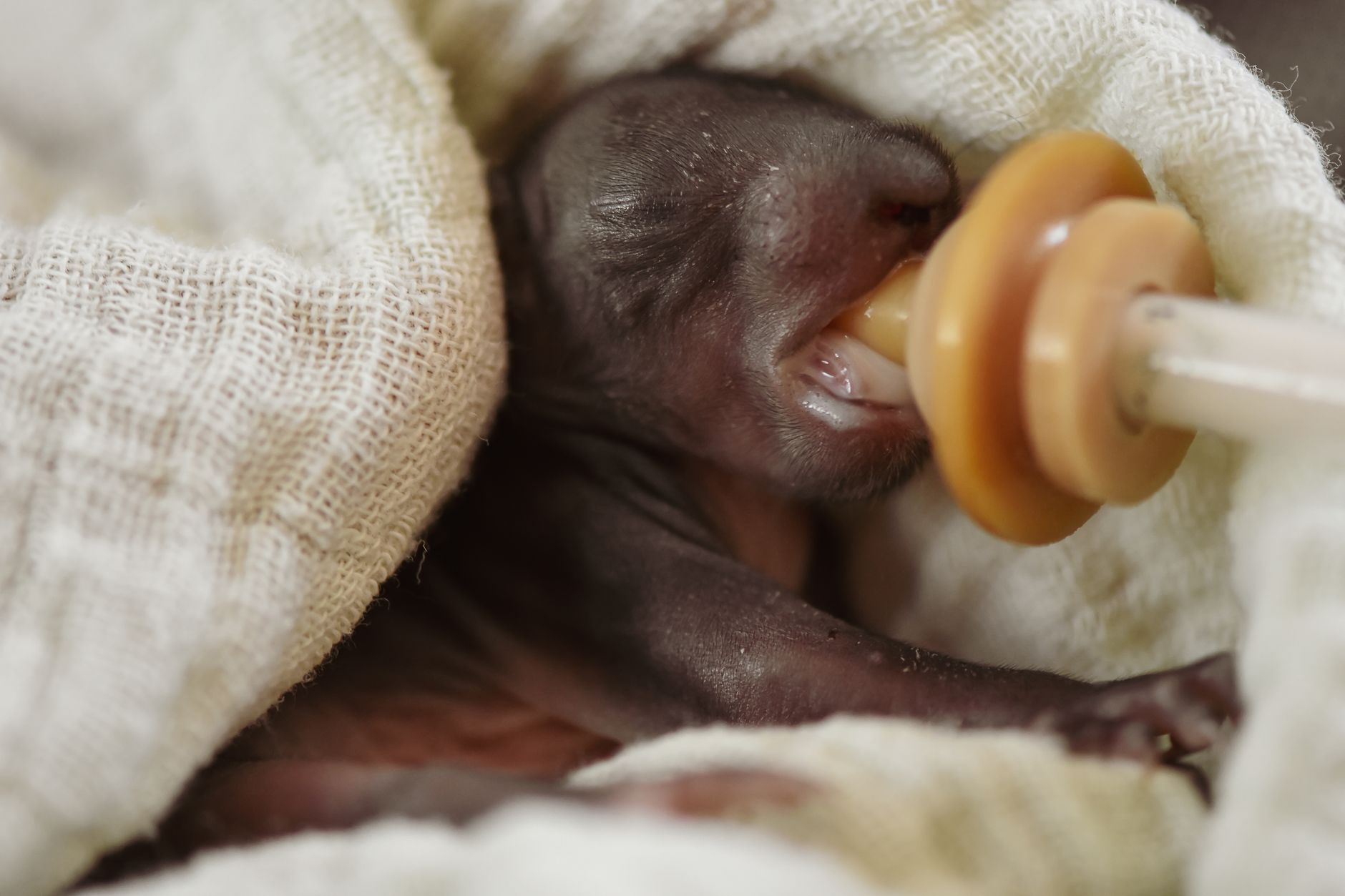
How often do you feed a baby squirrel with eyes closed? The answer is approximately every 2-4 hours around the clock, including overnight feedings, for newborn squirrels until their eyes begin to open and they are able to regulate their body temperature more effectively.
Understanding the Nutritional Needs of Neonatal Squirrels
Caring for a baby squirrel with its eyes still closed, often called a pinkie or newborn squirrel, is a demanding but rewarding task. These tiny creatures are completely dependent on their caregivers for survival, and proper feeding is paramount. Knowing how often do you feed a baby squirrel with eyes closed is crucial for their growth and development. This article provides a detailed guide to successfully hand-raising these vulnerable animals.

What is the GREY African clawed frog?
Is distilled water good for goldfish?
What colours are fish most attracted to?
Can you put your finger in a trout's mouth?
The Importance of Regular Feedings

Newborn squirrels are highly susceptible to dehydration and hypoglycemia (low blood sugar) due to their small size and rapid metabolism. Frequent feedings help maintain stable blood sugar levels and prevent dehydration, both of which are critical for survival. Delaying feedings, even for a short period, can have serious consequences.
Determining the Appropriate Feeding Schedule
How often do you feed a baby squirrel with eyes closed? As mentioned previously, the frequency depends primarily on the squirrel’s age and weight.
- Newborns (0-2 weeks): Every 2-3 hours, including overnight.
- 2-4 weeks: Every 3-4 hours, including overnight feedings potentially stretching to 4 hours at night, but ideally kept at 3.
- After eyes open (4-6 weeks): Begin to transition to every 4-5 hours, with no overnight feedings. At this point, the squirrel can also begin eating solid food.
A helpful table to summarize:
| Age | Feeding Frequency | Notes |
|---|---|---|
| 0-2 weeks | Every 2-3 hours | Includes overnight feedings; monitor for signs of dehydration or hypoglycemia. |
| 2-4 weeks | Every 3-4 hours | Includes overnight feedings; slightly longer intervals are acceptable. |
| After eyes open (4-6 weeks) | Every 4-5 hours | No overnight feedings; introduce solid foods. |
Selecting the Correct Formula and Equipment
Choosing the right formula is just as important as the feeding schedule. The recommended formula for baby squirrels is Esbilac puppy milk replacer powder. Human baby formula is not suitable and can cause digestive problems.
- Formula Type: Esbilac puppy milk replacer powder.
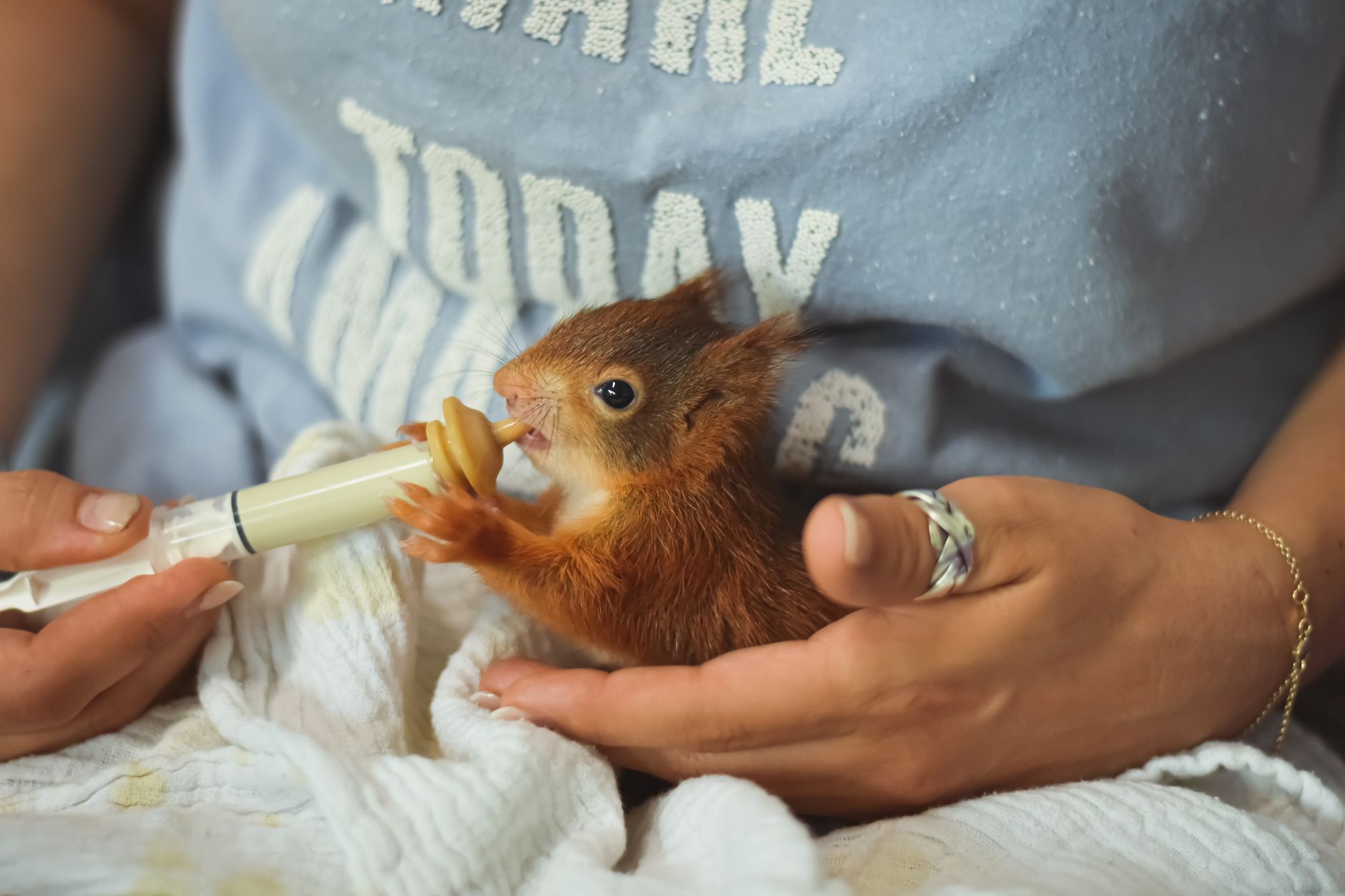
- Feeding Syringe: 1 ml or 3 ml syringe without a needle.
- Nipple (optional): Miracle Nipple Mini or similar small animal nipple.
The formula should be prepared according to the manufacturer’s instructions and warmed to body temperature (around 100°F or 38°C). Never microwave the formula, as this can create hot spots that can burn the squirrel’s mouth. Always test the temperature on your wrist before feeding.
The Feeding Process
How often do you feed a baby squirrel with eyes closed is only one aspect of proper care. The feeding technique is equally important to prevent aspiration.
- Positioning: Hold the baby squirrel upright, mimicking how they would nurse from their mother.
- Feeding: Gently insert the syringe tip or nipple into the squirrel’s mouth. Allow the squirrel to suckle at its own pace.
- Burping: After each feeding, gently burp the squirrel by patting its back in an upright position.
- Stimulation: Gently stimulate the squirrel’s genitals with a warm, damp cloth after each feeding to encourage urination and defecation, mimicking the mother squirrel’s behavior. This is crucial for healthy elimination.
Common Mistakes and How to Avoid Them
- Overfeeding: Avoid overfeeding, which can lead to diarrhea and other digestive problems. Monitor the squirrel’s weight and adjust the amount of formula accordingly.
- Aspiration: Prevent aspiration by feeding slowly and ensuring the squirrel is properly positioned.
- Dehydration: Watch for signs of dehydration, such as sunken eyes, lethargy, and dry skin. Increase the frequency of feedings if necessary.
- Hypothermia: Keep the baby squirrel warm with a heating pad set on low or a warm water bottle wrapped in a towel.
Frequently Asked Questions (FAQs)
How do I know if I’m feeding the baby squirrel enough?
You can tell if you are feeding the squirrel enough by monitoring its weight and overall health. A healthy baby squirrel should gain weight steadily and have regular bowel movements. Consult with a wildlife rehabilitator if you are unsure about the appropriate amount of formula.
What should I do if the baby squirrel refuses to eat?
If the baby squirrel refuses to eat, try warming the formula slightly or gently stroking its back to stimulate its appetite. If it still refuses to eat, consult with a wildlife rehabilitator. It could indicate an underlying health problem.
How can I tell if the baby squirrel is dehydrated?
Signs of dehydration in a baby squirrel include sunken eyes, lethargy, and dry skin. Gently pinch the skin; if it tents up and doesn’t immediately return to normal, the squirrel is likely dehydrated. Administering unflavored Pedialyte between feedings can help rehydrate the squirrel, but consult with a professional before doing so.
What is the best way to keep the baby squirrel warm?
Use a heating pad set on low or a warm water bottle wrapped in a towel to keep the baby squirrel warm. Be sure to provide a soft, comfortable nesting material, such as fleece or cotton. Ensure the squirrel can move away from the heat source if it gets too warm to prevent overheating.
What kind of nesting material should I use for the baby squirrel?
Soft, comfortable nesting materials, such as fleece or cotton, are ideal for baby squirrels. Avoid using towels with loose loops, as the squirrel’s claws can get caught in them. Ensure the nesting material is clean and dry to prevent infections.
How do I stimulate the baby squirrel to urinate and defecate?
After each feeding, gently stimulate the squirrel’s genitals with a warm, damp cloth. This mimics the mother squirrel’s behavior and helps the baby eliminate waste. Do this gently and consistently until the squirrel begins to eliminate on its own.
When should I start introducing solid food to the baby squirrel?
Once the baby squirrel’s eyes are open and it is showing an interest in solid food, you can start offering small amounts of age-appropriate foods, such as rodent block, nuts, and fruits. Gradually increase the amount of solid food as the squirrel’s appetite increases.
What types of solid food can I give the baby squirrel?
Offer a variety of healthy solid foods, such as rodent block (specifically formulated for squirrels), nuts (in moderation, as they are high in fat), fruits, and vegetables. Avoid giving the squirrel processed foods, sugary treats, or chocolate, which are harmful to its health.
How do I know when the baby squirrel is ready to be released back into the wild?
The baby squirrel is ready to be released back into the wild when it is fully weaned, able to find food and water on its own, and exhibits natural squirrel behaviors, such as climbing and foraging. It is also crucial to release the squirrel in a safe and suitable habitat. Consult with a wildlife rehabilitator before releasing the squirrel.
Is it legal to keep a baby squirrel as a pet?
It is illegal in many states and countries to keep a wild animal, including a baby squirrel, as a pet. It is important to check your local laws and regulations before attempting to care for a wild animal. Wildlife rehabilitators are trained and licensed to care for injured or orphaned wildlife and can provide the best possible care for these animals.
What should I do if I find a baby squirrel that appears to be injured or orphaned?
If you find a baby squirrel that appears to be injured or orphaned, contact a licensed wildlife rehabilitator as soon as possible. They can assess the squirrel’s condition and provide the necessary care. Do not attempt to care for the squirrel yourself unless you are experienced and licensed to do so.
Besides “How often do you feed a baby squirrel with eyes closed?”, what is the most important advice for caring for them?
Aside from knowing how often do you feed a baby squirrel with eyes closed?, the most crucial advice is to maintain a consistent feeding schedule, provide a warm and safe environment, and seek guidance from a licensed wildlife rehabilitator. Remember that these animals require specialized care and should be handled with caution and respect.