

How Often to Clean Your Dubia Roach Colony: A Guide to Optimal Roach Health
The frequency of cleaning a Dubia roach colony significantly impacts their health and productivity; a well-maintained colony generally requires cleaning every 1-3 months, but monitoring for signs of buildup and adjusting accordingly is essential.
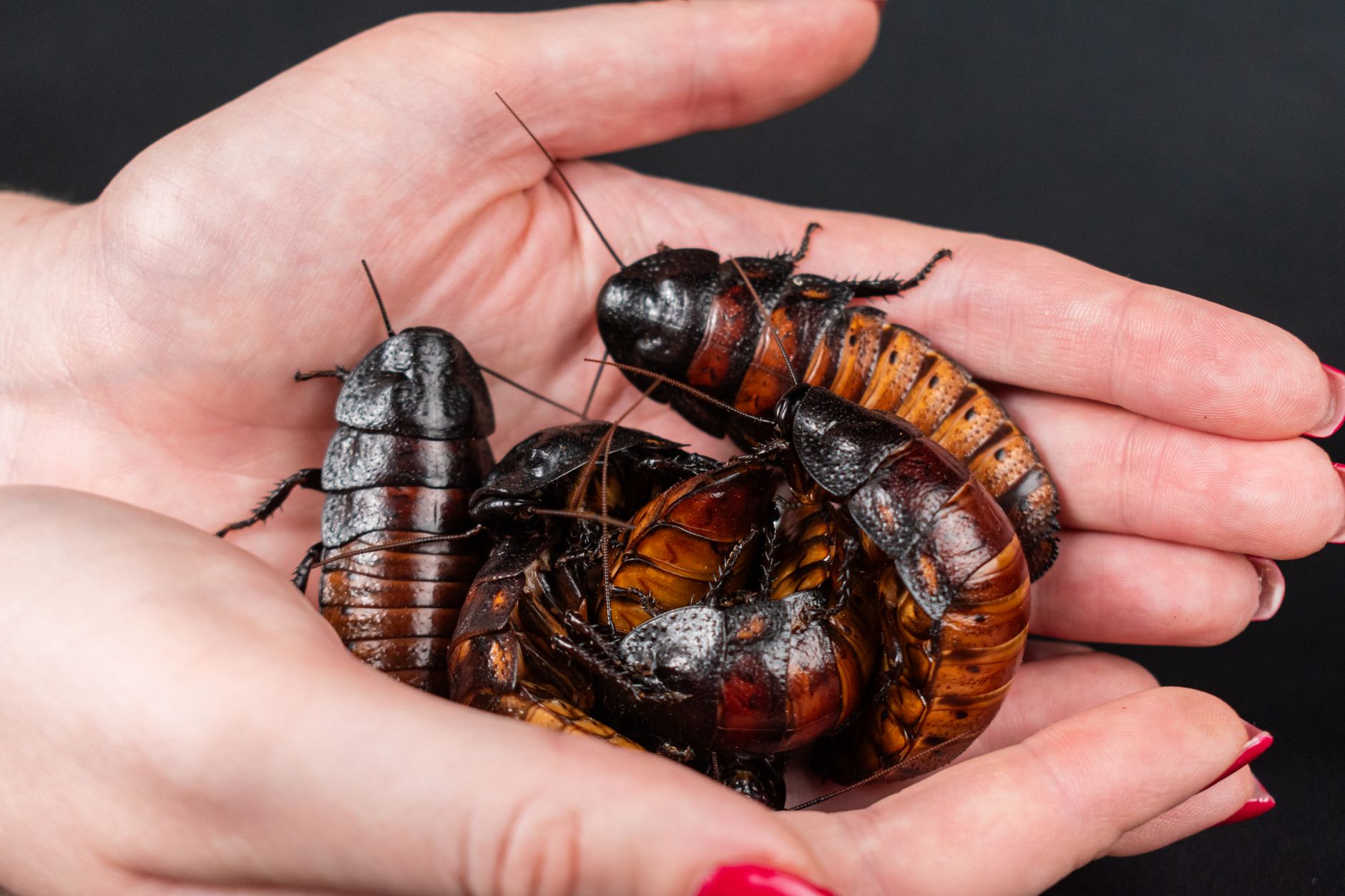
Introduction: Maintaining a Healthy Dubia Roach Colony
Dubia roaches ( Blaptica dubia ) are a popular feeder insect for reptiles, amphibians, and other insectivorous pets. Their high protein content, ease of care, and docile nature make them an excellent alternative to crickets. However, like any living organism, Dubia roaches require proper care to thrive, and a crucial aspect of that care is maintaining a clean living environment. How often do you clean Dubia roach colony? This article will explore the factors influencing cleaning frequency, the process of cleaning, and best practices for maintaining a healthy and productive Dubia roach colony.

Is distilled water good for goldfish?
What colours are fish most attracted to?
Can you put your finger in a trout's mouth?
Is methylene blue anti bacterial?
Benefits of a Clean Roach Colony

A clean Dubia roach colony isn’t just about aesthetics; it’s about the overall health and well-being of your roaches. Several significant benefits are associated with regular cleaning:
- Reduced Odor: Roach colonies can produce ammonia as waste breaks down, leading to unpleasant smells. Regular cleaning minimizes odor.
- Disease Prevention: Excess waste and humidity can create a breeding ground for harmful bacteria and fungi, potentially leading to disease outbreaks.
- Improved Breeding: A clean, stress-free environment encourages breeding, resulting in a larger and more productive colony.
- Reduced Mite Infestations: Mites thrive in dirty, humid environments. Regular cleaning helps control mite populations.
- Healthier Roaches: Cleaner roaches are healthier roaches. A clean environment reduces stress and improves their overall health and longevity.
Factors Influencing Cleaning Frequency
How often do you clean Dubia roach colony? The answer to this question depends on several factors, including colony size, ventilation, substrate type, and feeding habits. Here’s a breakdown:
- Colony Size: Larger colonies produce more waste, requiring more frequent cleaning.
- Ventilation: Poor ventilation traps moisture and odors, necessitating more frequent cleaning. Good ventilation helps dry out waste and reduces humidity.
- Substrate Type: Substrates like oat bran or wood shavings absorb moisture and waste. Thicker layers require less frequent changes, but must be monitored for excessive moisture and mold.
- Feeding Habits: Feeding large amounts of wet food (fruits and vegetables) can lead to faster waste buildup.
A good starting point is cleaning every 1-3 months and adjusting the frequency based on observation. Signs that indicate it’s time to clean include:
- Visible buildup of frass (roach droppings)
- Strong ammonia odor
- Presence of mites or mold
- Increased roach mortality
Cleaning Process: A Step-by-Step Guide
Cleaning a Dubia roach colony is a relatively simple process, but it should be done carefully to avoid stressing the roaches. Here’s a step-by-step guide:
- Prepare a Temporary Container: Set up a clean container (a plastic tub works well) with egg crates or cardboard for the roaches to hide in.
- Transfer the Roaches: Carefully transfer the roaches from the old enclosure to the temporary container. Use a small brush or your hands to gently move them.
- Remove Old Substrate and Waste: Discard the old substrate and any uneaten food.
- Clean the Enclosure: Wash the enclosure with warm, soapy water. Rinse thoroughly and allow to dry completely.
- Replace the Substrate: Add fresh substrate to the cleaned enclosure.
- Return the Roaches: Return the roaches from the temporary container to the cleaned enclosure.
- Monitor the Colony: Observe the colony for any signs of stress or illness after cleaning.
Common Mistakes to Avoid
- Using Harsh Chemicals: Avoid using harsh chemicals or disinfectants to clean the enclosure, as these can be harmful to the roaches.
- Overcrowding: Overcrowding can lead to increased waste production and stress, requiring more frequent cleaning. Ensure the enclosure is adequately sized for the colony.
- Ignoring Mite Infestations: Mites can quickly become a problem in Dubia roach colonies. If you notice mites, take steps to control them, such as using diatomaceous earth.
- Skipping Regular Checks: Regularly check the colony for signs of buildup or other problems. Early detection is key to preventing issues.
- Using the Wrong Substrate: Avoid substrates that retain too much moisture, as this can lead to mold growth.
Choosing the Right Substrate
The substrate plays a critical role in the health of your colony. Options include:
- Oat Bran: A popular and affordable option that absorbs moisture well.
- Wood Shavings: Another common choice, but be sure to use untreated wood shavings.
- Coco Coir: Holds moisture well and can help maintain humidity.
- Paper Towels: Easy to clean, but may not be ideal for burrowing.
- No Substrate: Some keepers prefer no substrate, making cleaning easier. This requires more frequent cleaning and careful monitoring of humidity.
Here’s a quick comparison of common substrates:
| Substrate | Pros | Cons |
|---|---|---|
| Oat Bran | Affordable, absorbs moisture | Can attract mites if not properly maintained |
| Wood Shavings | Affordable, good for burrowing | Must be untreated, can harbor mites if not cleaned |
| Coco Coir | Holds moisture, good for humidity | Can be dusty, may require more frequent changes if heavily soiled |
| Paper Towels | Easy to clean | Not ideal for burrowing, dries out quickly |
| No Substrate | Easiest to clean | Requires very frequent cleaning, may dry out the colony quickly |
Monitoring and Adjustment
Determining how often do you clean Dubia roach colony is an ongoing process. The ideal cleaning schedule depends on the specific conditions of your colony. Regular observation and adjustments are essential for maintaining a healthy and thriving environment.
Frequently Asked Questions (FAQs)
What happens if I don’t clean my Dubia roach colony often enough?
If you don’t clean your Dubia roach colony often enough, you risk creating an unhealthy environment that can lead to disease outbreaks, mite infestations, and reduced breeding success. The buildup of waste and humidity can also create unpleasant odors.
Can I use bleach to clean the roach enclosure?
Absolutely not. Bleach is toxic to Dubia roaches and should never be used to clean their enclosure. Use warm, soapy water instead. Make sure to rinse thoroughly.
What’s the best way to dispose of the old substrate?
The best way to dispose of the old substrate depends on the type of substrate and your local regulations. Oat bran and wood shavings can often be composted, while other materials may need to be disposed of in the trash.
How do I get rid of mites in my Dubia roach colony?
Mite infestations can be challenging to control. Several methods can be used, including diatomaceous earth, mite-specific sprays (ensure they are safe for roaches), and thorough cleaning of the enclosure.
Is it necessary to separate the adult roaches from the nymphs and babies when cleaning?
While not strictly necessary, separating the adult roaches from the nymphs and babies during cleaning can make the process easier and less stressful for the roaches. This can be accomplished by using a sifter or gently transferring them manually.
What type of soap should I use to clean the enclosure?
Use a mild, unscented dish soap to clean the roach enclosure. Avoid soaps with strong fragrances or harsh chemicals.
Can I clean the enclosure while the roaches are still inside?
It is generally recommended to remove the roaches from the enclosure before cleaning to avoid stressing them. However, if you only need to spot-clean a small area, you can do so carefully while the roaches are still inside.
How can I improve ventilation in my Dubia roach colony?
Improving ventilation can be achieved by adding more ventilation holes to the enclosure or using a screen lid. Ensure the ventilation holes are small enough to prevent the roaches from escaping.
What is frass, and why is it important to remove it?
Frass is the term for roach droppings. It’s important to remove it regularly because it can contribute to the buildup of ammonia and create a breeding ground for bacteria and fungi.
Should I wear gloves when cleaning my Dubia roach colony?
Wearing gloves is a good idea to protect your hands from potential bacteria and allergens.
How long can Dubia roaches survive without food and water during the cleaning process?
Dubia roaches can survive for a relatively short time without food and water, so it’s essential to complete the cleaning process as quickly as possible. Ideally, the roaches should not be without food and water for more than a few hours.
What are some signs that my Dubia roach colony is not healthy?
Signs of an unhealthy Dubia roach colony include increased mortality, lethargy, loss of appetite, abnormal behavior, and the presence of mites or mold. These signs often correlate with how often do you clean Dubia roach colony.