
How Often Do Lions Eat? A Comprehensive Guide to Feline Feast Cycles
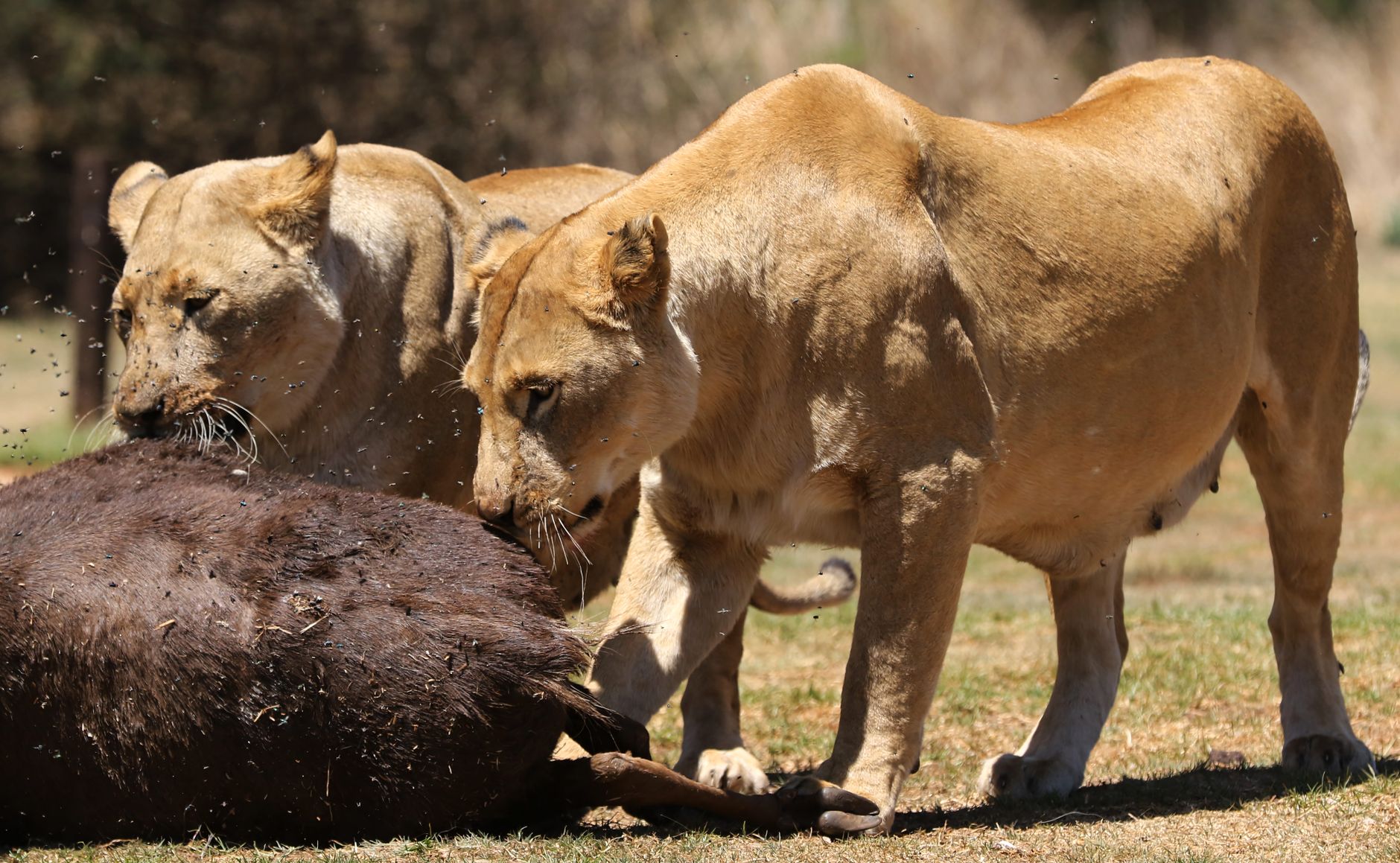
Lions, apex predators of the African savanna, do not eat every day. How often lions eat depends on factors like prey availability, pride size, and individual hunger levels, but they generally consume a large meal every 3 to 4 days.

The Apex Predator’s Pantry: Understanding Lion Diet and Hunting
Lions, Panthera leo, are formidable predators renowned for their cooperative hunting strategies and apex predator status within their ecosystems. Their diet primarily consists of large ungulates, such as wildebeest, zebras, buffalo, and antelopes. However, when larger prey is scarce, they may also hunt smaller animals like birds, reptiles, and even fish. Understanding their hunting techniques and the nutritional content of their prey helps explain how often lions eat.

What is the GREY African clawed frog?
Is distilled water good for goldfish?
What colours are fish most attracted to?
Can you put your finger in a trout's mouth?
Factors Influencing Lion Feeding Frequency

The frequency with which lions eat is not constant but varies based on several key factors:
-
Prey Availability: During periods of abundance, lions may gorge themselves and then go several days without eating. Conversely, in times of scarcity, they may have to hunt more frequently for smaller meals.
-
Pride Size: Larger prides require more food to sustain themselves. A larger group will need to hunt more frequently or take down larger prey to provide for all members.
-
Hunting Success: A successful hunt resulting in a large kill can sustain a pride for several days. Unsuccessful hunts, on the other hand, necessitate more frequent hunting attempts.
-
Individual Lion’s Needs: Factors like age, sex, and reproductive status also influence an individual lion’s food requirements. Lactating females, for example, need to eat more to support their cubs.
-
Competition: The presence of other predators like hyenas and wild dogs can affect lion hunting success and, consequently, feeding frequency.
Feast or Famine: The Lion’s Eating Pattern
Lions often engage in a “feast or famine” pattern of eating. After a successful hunt, they can consume large quantities of meat, sometimes up to 7 kg (15 lbs) for females and over 7 kg (15 lbs) for males, which then allows them to go several days without hunting. This adaptation is crucial for survival in an environment where prey is not always readily available. This answers, in part, how often do lions eat.
The Lion’s Digestive System: Adapting to Irregular Meals
The digestive system of a lion is well-suited to handle large, infrequent meals. Their stomachs can expand significantly to accommodate large quantities of meat. This allows them to efficiently extract nutrients and energy from their prey, sustaining them for longer periods.
The Role of Social Structure in Feeding
Lion prides have a complex social structure that influences feeding behavior. Dominant males typically eat first, followed by females and cubs. This hierarchy can sometimes lead to competition for food, especially when prey is scarce. Cubs often rely on their mothers for food and may be vulnerable during periods of starvation.
Hunting Strategies and Prey Selection
Lions are strategic hunters, often working together in coordinated groups to ambush prey. They typically target weaker or vulnerable individuals, such as the young, old, or sick. The type of prey they select also influences how often do lions eat. Larger prey provides more sustenance and allows them to go longer between meals.
Table: Estimating Feeding Frequency Based on Prey Type
| Prey Type | Average Weight (kg) | Estimated Days of Sustenance for a Pride of 10 |
|---|---|---|
| Wildebeest | 180 | 2-3 days |
| Zebra | 250 | 3-4 days |
| Buffalo | 700 | 5-7 days |
Frequently Asked Questions about Lion Feeding Habits
How long can lions go without eating?
Lions can survive for up to two weeks without eating, although they become increasingly weak and vulnerable during this time. Survival depends on their fat reserves and hydration levels.
Do male and female lions have different feeding habits?
Yes, male lions tend to eat more than females due to their larger size and higher energy expenditure. However, both sexes participate in hunting and feeding.
How do lions ensure they get enough water?
Lions primarily obtain water from their prey, but they also drink from water sources such as rivers, lakes, and watering holes when available. They can conserve water efficiently, allowing them to survive in arid environments.
What happens to a lion pride when there is a drought?
During droughts, prey becomes scarce, leading to increased competition and higher mortality rates among lions. They may travel longer distances in search of food and water, increasing their vulnerability to other predators and starvation.
Do lions ever eat carrion (dead animals)?
Yes, lions are opportunistic feeders and will eat carrion, especially when prey is scarce. However, they prefer to hunt live prey whenever possible. They are capable scavengers but prefer the nutritional benefits of a fresh kill.
How do lion cubs learn to hunt?
Lion cubs learn to hunt by observing and imitating their mothers and other pride members. They participate in mock hunts and gradually develop the skills and coordination necessary to successfully hunt prey.
What impact do humans have on lion feeding habits?
Human activities such as habitat loss, poaching, and livestock grazing can negatively impact lion populations and their prey base. Conservation efforts are crucial to ensure lions have access to sufficient food resources.
Are lions picky eaters?
While lions prefer larger prey like wildebeest and zebra, they are not particularly picky and will eat a variety of animals depending on availability. Their primary goal is to obtain sufficient calories to sustain themselves and their pride.
What is the average lifespan of a lion, and how does it affect their feeding habits?
The average lifespan of a lion in the wild is around 10-14 years. Older lions may struggle to hunt effectively due to injury or weakness, making them more reliant on scavenging or assistance from other pride members.
Do lions regurgitate food for their cubs?
While not a common practice, lionesses may occasionally regurgitate food for their cubs, especially when they are very young and unable to consume solid meat. This provides a source of easily digestible nutrients.
How does climate change affect lion feeding habits?
Climate change can alter rainfall patterns and vegetation growth, impacting prey availability and distribution. This can lead to increased competition among lions and other predators and potentially reduce their feeding frequency. The question of how often do lions eat is further complicated.
What research is being done to better understand lion feeding patterns?
Researchers use various methods, including GPS tracking, camera trapping, and fecal analysis, to study lion feeding habits. This helps them understand prey selection, hunting success rates, and the impact of environmental factors on lion populations. Further research aims to preserve the natural habits of lions and ensure they can continue to thrive.