
How Often Do Fish Drink Water?
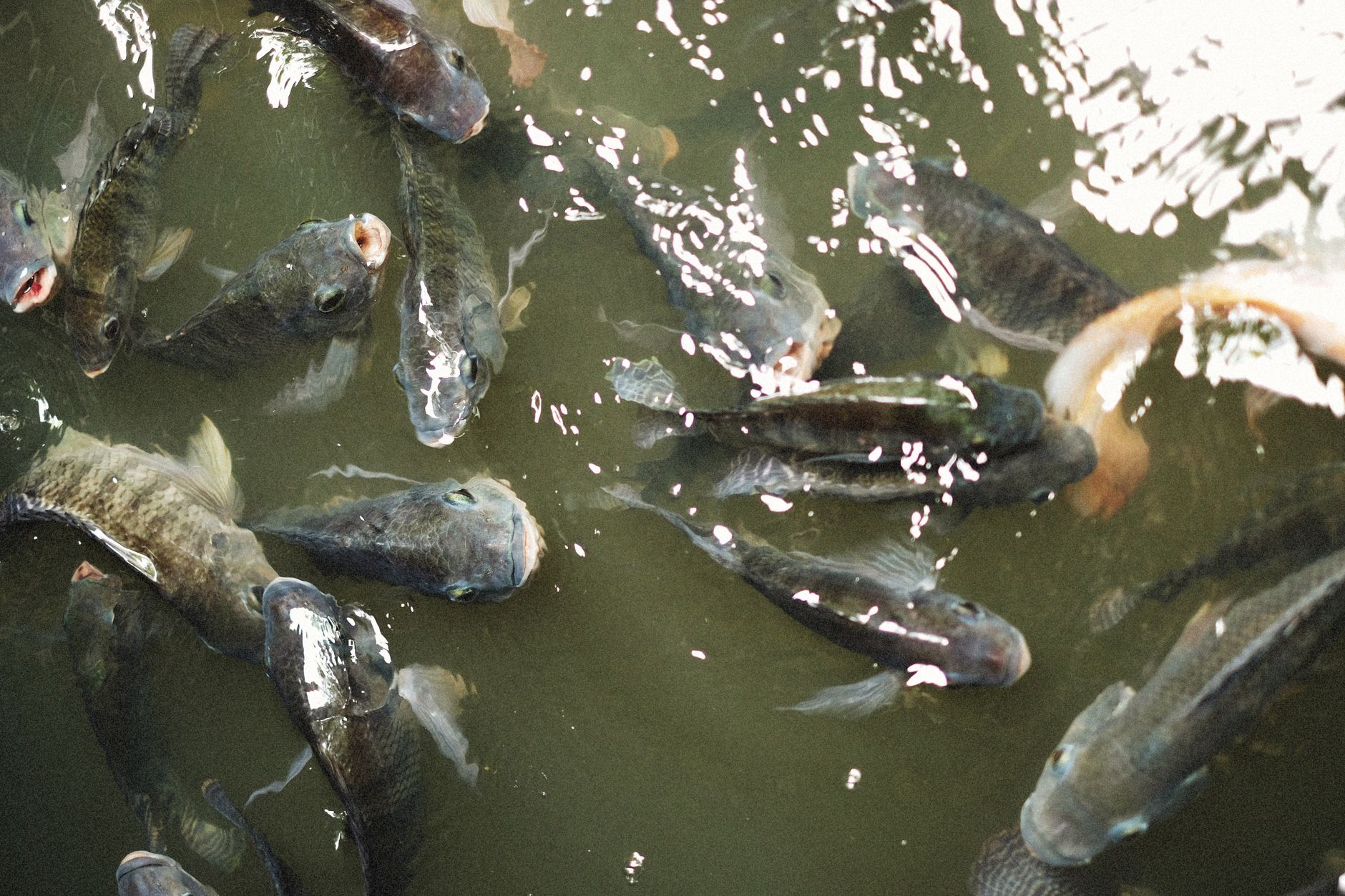
The answer to how often fish drink water depends entirely on whether they are freshwater or saltwater fish. Freshwater fish generally don’t drink water in the conventional sense, while saltwater fish drink water almost constantly to combat dehydration.
The Osmotic Challenge: A Tale of Two Aquascapes
The question of how often do fish drink water isn’t as simple as it seems. It hinges on a fundamental principle called osmosis, which governs the movement of water across a semi-permeable membrane (like a fish’s gills and skin) from an area of high water concentration to an area of low water concentration. Fish, being creatures of water, are constantly battling this osmotic pressure.
Understanding this osmotic balance is crucial to grasping the contrasting drinking habits of freshwater and saltwater fish.

What fish is Flo?
How intelligent are fish?
Are fish heads good for the garden?
What is cotton rot in fish?
Freshwater Fish: A Waterlogged Existence
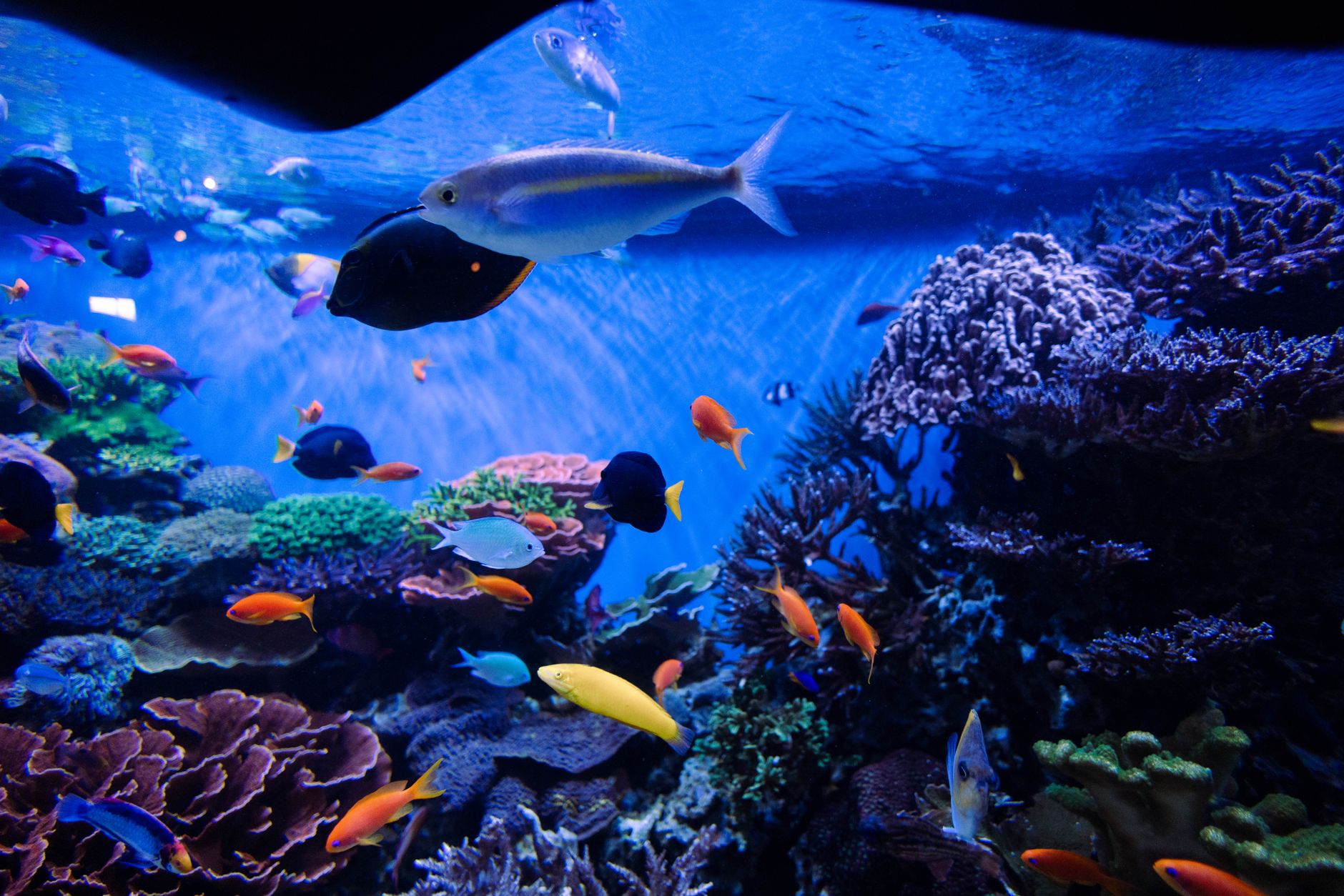
Freshwater fish live in an environment where the water surrounding them has a lower concentration of salts than their internal bodily fluids. This creates a constant influx of water into their bodies through osmosis. Therefore:
- They don’t need to drink water – they are constantly absorbing it.
- They produce large quantities of very dilute urine to excrete excess water.
- Their gills actively absorb salts from the surrounding water to compensate for salt loss through urine.
Effectively, freshwater fish are perpetually waterlogged, battling to rid themselves of excess hydration. They are more focused on removing water than taking it in.
Saltwater Fish: A Constant Thirst
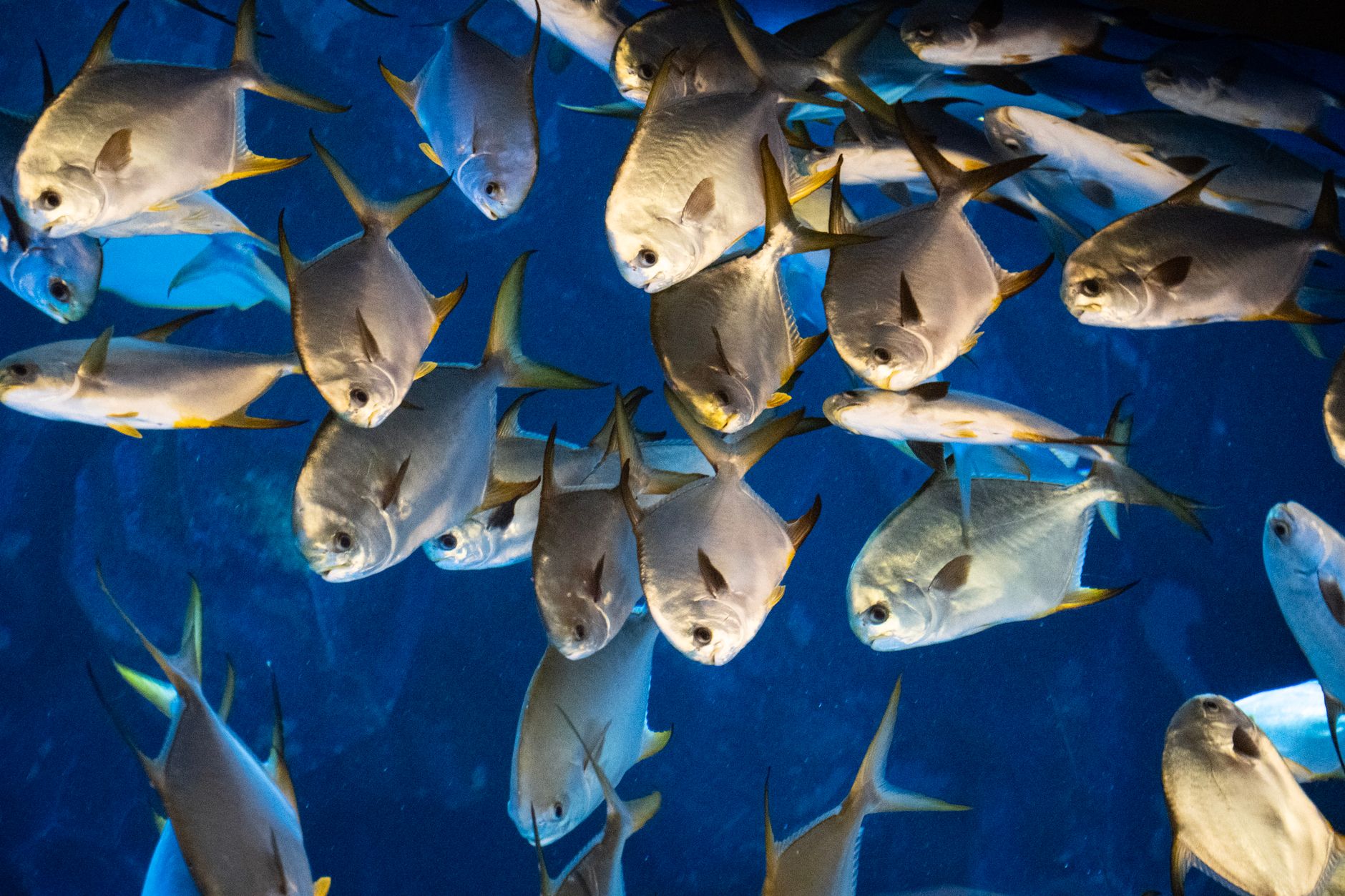
Saltwater fish, on the other hand, face the opposite challenge. The salt concentration of the ocean is much higher than that of their bodily fluids, causing them to constantly lose water to the surrounding environment through osmosis. To survive:
- They drink seawater almost continuously to replace lost fluids.
- They excrete very little, highly concentrated urine to conserve water.
- Their gills actively excrete excess salt.
The process of osmoregulation is more complex and energetically demanding for saltwater fish than for their freshwater counterparts.
The Role of Gills and Kidneys
The gills and kidneys play vital roles in maintaining the proper osmotic balance in both types of fish. Gills are not just for breathing; they actively transport ions (like sodium and chloride) in or out of the fish’s body, depending on the species and the surrounding environment. The kidneys, responsible for filtering waste, adjust the concentration and volume of urine produced to either conserve water or eliminate excess water.
| Feature | Freshwater Fish | Saltwater Fish |
|---|---|---|
| Drinking Habit | Rarely (if ever) drink | Drink water almost constantly |
| Urine Production | High volume, dilute | Low volume, concentrated |
| Gill Function | Absorb salts from the water | Excrete salts into the water |
| Osmotic Challenge | Water influx, salt loss | Water loss, salt influx |
Exception to the Rule: Some Interesting Anomalies
While the above rules generally hold true, there are exceptions. Some fish, like euryhaline species (such as salmon), can tolerate a wide range of salinity levels and adapt their osmoregulatory mechanisms accordingly as they migrate between freshwater and saltwater environments. These species possess remarkable physiological flexibility.
Furthermore, even within the “freshwater” or “saltwater” categories, variations exist. Some fish may occasionally gulp water for other reasons, such as to aid in swallowing food. But the fundamental principle of osmotic balance remains the driving force behind their drinking habits.
FAQs:
How can you tell if a fish is dehydrated?
Dehydration in fish is often difficult to detect visually, but signs might include sunken eyes, lethargy, and a loss of appetite. In saltwater fish, excessive gill movement can also be an indicator as they try to excrete more salt. Keeping water parameters within optimal ranges is crucial for preventing dehydration.
Do fish ever drink by accident?
While freshwater fish generally don’t drink intentionally, they might inadvertently swallow some water while feeding or moving through the water. However, this isn’t considered “drinking” in the context of osmoregulation.
Why is osmoregulation so important for fish?
Osmoregulation is vital because it maintains the correct balance of fluids and electrolytes within the fish’s body. This balance is essential for cell function, nerve impulses, muscle contractions, and all other physiological processes. Disruptions in osmoregulation can lead to illness or death.
Can fish get sick from drinking too much or too little water?
While freshwater fish don’t “drink too much,” they can suffer if their osmoregulatory systems are compromised, leading to water intoxication. Saltwater fish can experience dehydration and electrolyte imbalances if they don’t drink enough water, or if the salinity of their environment is too high.
Do all saltwater fish drink the same amount of water?
No, the amount of water a saltwater fish drinks can vary depending on the species, size, activity level, and specific habitat. Some species may be more efficient at osmoregulation than others.
What happens to fish if they are suddenly moved from freshwater to saltwater, or vice versa?
A sudden change in salinity can be extremely stressful and potentially fatal for most fish. Freshwater fish placed in saltwater will quickly dehydrate, while saltwater fish placed in freshwater will become waterlogged. Gradual acclimation is essential when moving fish between environments with different salinity levels.
Do fish that live in brackish water drink water?
Brackish water fish, which live in a mixture of freshwater and saltwater, have adapted to handle fluctuating salinity levels. They typically employ a combination of strategies used by both freshwater and saltwater fish, adjusting their drinking habits and osmoregulatory processes as needed.
How do baby fish learn to regulate water intake?
Young fish develop their osmoregulatory abilities over time. They gradually adapt to the salinity levels of their environment through a combination of genetic predisposition and environmental cues. This process is especially crucial for fish that migrate between freshwater and saltwater.
Does the temperature of the water affect how often fish drink water?
Yes, temperature can affect osmoregulation. Higher temperatures generally increase metabolic rates, which can lead to increased water loss in saltwater fish and increased water intake in freshwater fish.
How does pollution affect a fish’s ability to regulate water intake?
Pollutants can damage a fish’s gills and kidneys, which are crucial for osmoregulation. This can disrupt their ability to maintain proper fluid and electrolyte balance, making them more susceptible to disease and death.
Do bottom-dwelling fish drink more or less water than surface fish?
The primary factor determining drinking habits is salinity, not the fish’s location within the water column. A bottom-dwelling saltwater fish will drink as much as a surface-dwelling saltwater fish, and a bottom-dwelling freshwater fish won’t drink as much as a surface-dwelling freshwater fish.
Is there a difference in how sharks drink water compared to other saltwater fish?
Sharks have a unique osmoregulatory strategy. They maintain a high concentration of urea and trimethylamine oxide (TMAO) in their blood, making their internal salt concentration close to that of seawater. This reduces the osmotic pressure difference, minimizing water loss and reducing the need to drink water. They primarily obtain water through their food and through osmosis across their gills. Thus, even though they live in saltwater, their drinking habits are far different. They drink less water than bony saltwater fish.