
How Much Percentage of the Ocean Have We Discovered?
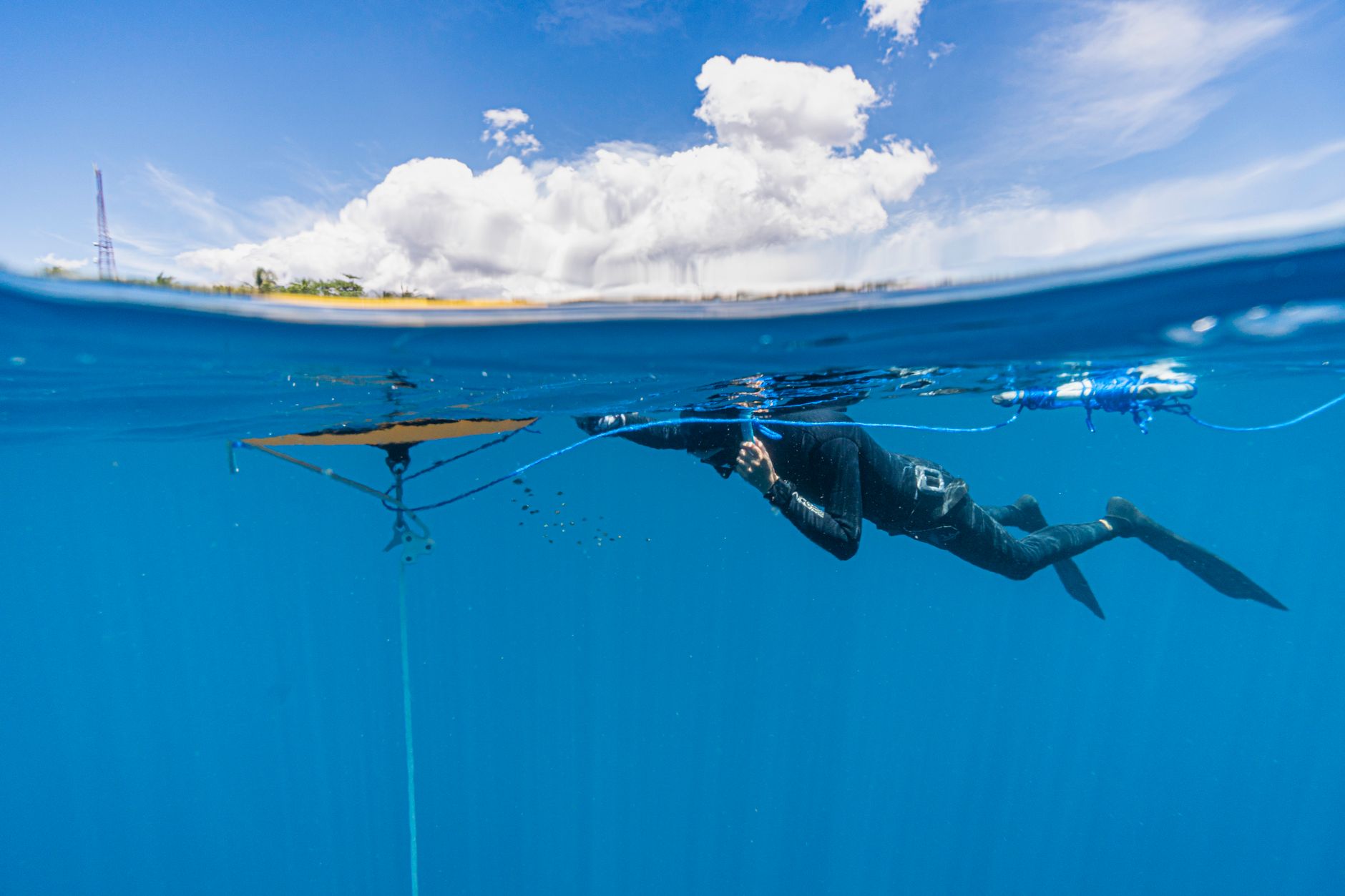
We’ve barely scratched the surface. While technological advancements have propelled our understanding, scientists estimate that we’ve only explored approximately 5% of the ocean, leaving a vast, mysterious realm largely uncharted and unknown.

The Uncharted Depths: A Global Challenge
The ocean, covering over 70% of our planet, represents a treasure trove of undiscovered species, geological wonders, and untapped resources. Its sheer scale and the inherent challenges of underwater exploration have made thorough investigation a monumental task. Understanding the extent of our current knowledge – and the limitations thereof – is crucial for responsible stewardship and future exploration.
The Technology Gap: Exploring the Abyss
One of the primary reasons for the limited exploration is the immense technological hurdle. The extreme pressure, darkness, and remoteness of the deep ocean require highly specialized equipment and advanced engineering. Submersibles, remotely operated vehicles (ROVs), and autonomous underwater vehicles (AUVs) are essential tools, but their capabilities are often limited by battery life, communication constraints, and the harsh environment.
Mapping the Seafloor: A Slow and Steady Process
Seafloor mapping, largely conducted using sonar technology, is critical for understanding ocean bathymetry and identifying geological features. However, even with advancements in sonar technology, vast stretches of the ocean floor remain unmapped at high resolution. This lack of detailed maps hinders exploration efforts and our understanding of deep-sea ecosystems.
Do all amphibians have eyelids?
Why do cuttlefish have W-shaped eyes?
Do all snakes have poison in them?
What is the GREY African clawed frog?
The Role of International Collaboration

The immense scale of the ocean necessitates international collaboration. Organizations like the Intergovernmental Oceanographic Commission (IOC) of UNESCO play a vital role in coordinating global efforts to map the ocean and share data. Collaborative expeditions and research projects are crucial for maximizing resources and accelerating the pace of discovery.
Why Exploration Matters: Unveiling the Ocean’s Secrets
Exploring the ocean is not just about scientific curiosity; it’s about understanding the fundamental processes that regulate our planet. The ocean plays a critical role in climate regulation, carbon sequestration, and nutrient cycling. Discovering new species and ecosystems can lead to breakthroughs in medicine, biotechnology, and our understanding of evolution.
Climate Change and the Ocean
The ocean is absorbing a significant amount of heat and carbon dioxide from the atmosphere, mitigating the effects of climate change. However, this absorption comes at a cost, leading to ocean acidification, coral bleaching, and other detrimental effects. Understanding the ocean’s capacity to absorb these stressors is crucial for developing effective climate mitigation strategies.
Protecting Biodiversity: A Race Against Time
The ocean is home to a vast array of species, many of which are still undiscovered. Protecting this biodiversity is essential for maintaining healthy ecosystems and ensuring the long-term sustainability of our planet. Exploration allows us to identify vulnerable species and habitats, enabling targeted conservation efforts.
Future Prospects: Embracing Innovation
The future of ocean exploration lies in embracing innovation and developing new technologies. Advancements in artificial intelligence, robotics, and materials science are poised to revolutionize our ability to explore the deep ocean.
Autonomous Exploration: The Next Frontier
AUVs are becoming increasingly sophisticated, capable of operating independently for extended periods and collecting vast amounts of data. These autonomous vehicles are paving the way for more efficient and cost-effective ocean exploration.
Collaboration with the Private Sector
The private sector is playing an increasingly important role in ocean exploration, developing innovative technologies and providing resources for research. Collaboration between scientists, engineers, and entrepreneurs is essential for accelerating the pace of discovery.
Frequently Asked Questions (FAQs)
Q1: What is the biggest challenge to ocean exploration?
The biggest challenge is the extreme pressure in the deep ocean. For every 10 meters (33 feet) of descent, the pressure increases by approximately one atmosphere. This immense pressure requires highly specialized equipment and engineering to withstand the crushing forces.
Q2: How is the ocean floor mapped?
The primary method for mapping the ocean floor is through the use of sonar (Sound Navigation and Ranging) technology. Ships emit sound waves that bounce off the seafloor. By measuring the time it takes for the sound waves to return, scientists can calculate the depth and create a map of the ocean floor.
Q3: What are some of the most significant discoveries made in the ocean?
Significant discoveries include hydrothermal vents, which support unique ecosystems based on chemosynthesis rather than photosynthesis, and the discovery of numerous new species, ranging from microscopic organisms to giant squid.
Q4: Why is it important to explore the deep sea, even if it’s expensive?
Exploring the deep sea is critical because it plays a vital role in regulating global climate, supporting biodiversity, and providing resources. It holds potential for new medicines, biotechnological innovations, and a deeper understanding of the origins of life. The cost of inaction – failing to understand and protect this vital ecosystem – far outweighs the cost of exploration.
Q5: What technologies are being used to explore the ocean beyond sonar and submersibles?
Other technologies include satellite altimetry (measuring sea surface height to infer ocean currents and bathymetry), remotely operated vehicles (ROVs) equipped with cameras and sensors, and advanced DNA sequencing to identify species present in water samples.
Q6: How does pollution impact ocean exploration and discovery?
Pollution, particularly plastic pollution, interferes with exploration by contaminating samples, damaging equipment, and hindering visibility. Microplastics, for example, can be ingested by marine organisms, affecting their health and potentially disrupting entire ecosystems.
Q7: What role do citizen scientists play in ocean exploration?
Citizen scientists contribute by collecting data through beach cleanups, participating in research projects, and reporting observations of marine life. Their involvement helps expand the scope of research and raise awareness about ocean conservation.
Q8: What are the ethical considerations of deep-sea mining?
Deep-sea mining poses significant ethical concerns, including the potential for irreversible damage to deep-sea ecosystems, disruption of food webs, and the release of sediment plumes that could affect water quality. Careful environmental impact assessments and regulations are needed to minimize these risks.
Q9: How can I learn more about ocean exploration and conservation?
Many organizations offer resources and educational programs related to ocean exploration and conservation. These include the National Oceanic and Atmospheric Administration (NOAA), the Woods Hole Oceanographic Institution (WHOI), and various conservation organizations like the Ocean Conservancy and Oceana.
Q10: Are there any areas of the ocean that are completely unexplored?
Yes, there are vast areas of the abyssal plains and trenches that remain virtually unexplored. These areas are characterized by extreme depths and pressures, making them particularly challenging to access.
Q11: What is the Mariana Trench, and why is it important?
The Mariana Trench is the deepest part of the ocean, located in the western Pacific Ocean. It’s important because it represents an extreme environment that supports unique life forms adapted to the crushing pressure and lack of sunlight. Studying these organisms can provide insights into the limits of life on Earth and the potential for life in other extreme environments.
Q12: What are the long-term goals of ocean exploration?
The long-term goals include creating a comprehensive map of the ocean floor, understanding the complex interactions within marine ecosystems, discovering new resources and technologies, and developing effective strategies for protecting the ocean’s biodiversity and ensuring its sustainable use. Ultimately, we aim to foster a greater understanding and appreciation for this vital part of our planet.