
How Much Water Does a Leaky Faucet Waste Per Day?

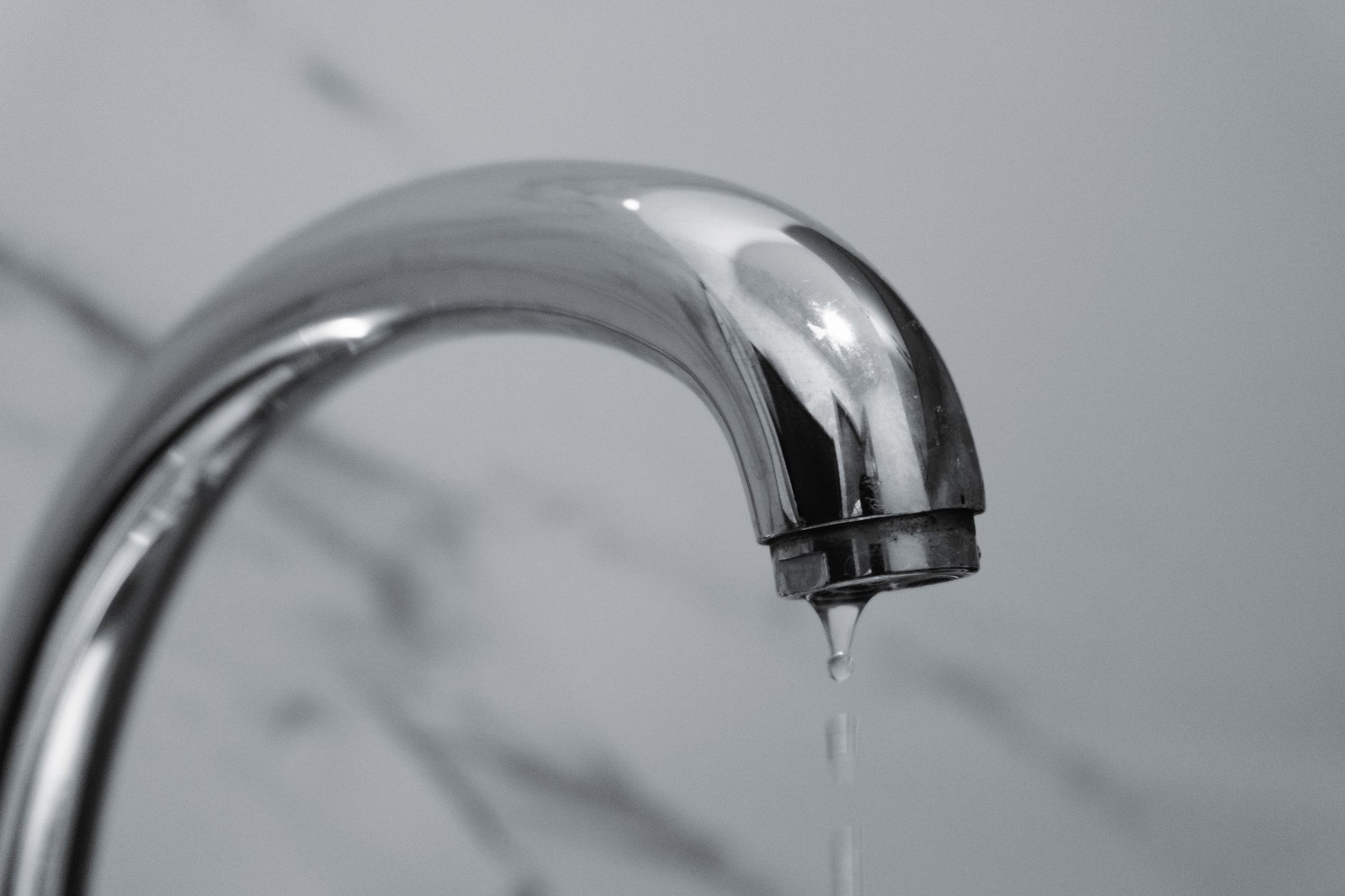
A leaky faucet, seemingly a minor nuisance, can waste a surprising amount of water. Depending on the drip rate, a single leaky faucet can waste anywhere from several gallons to over 20 gallons of water per day, significantly impacting your water bill and contributing to unnecessary water depletion.

The Drip Rate: Determining the Damage
The amount of water wasted by a leaky faucet is directly proportional to its drip rate. A slow, infrequent drip will obviously waste less water than a constant stream. Let’s break down how to estimate the waste:
-
Slow Drip: A faucet dripping once every few seconds might waste around 5 to 10 gallons per day. This seemingly negligible amount adds up quickly over a week, a month, or a year.
-
Moderate Drip: A faster drip, perhaps one per second, can easily waste 10 to 15 gallons per day.
-
Fast Drip/Stream: A faucet with a continuous, thin stream of water flowing can waste upwards of 20 gallons or even more per day. In extreme cases, it can even reach over 30 gallons.
The key takeaway is that even a small drip, sustained over time, results in a substantial amount of wasted water.
Calculating Your Water Waste
While the estimates above provide a general idea, you can conduct a simple experiment to calculate the exact amount of water your leaky faucet is wasting:
- Gather a measuring cup or container and place it under the leaky faucet.
- Let the faucet drip for a set period of time (e.g., 15 minutes, 30 minutes, or an hour).
- Measure the amount of water collected in the container.
- Calculate the daily waste: Multiply the amount of water collected by the appropriate factor to extrapolate the total daily waste (e.g., if you measured for 30 minutes, multiply by 48 to get the daily amount).
This experiment provides a personalized and accurate assessment of your specific leaky faucet’s water wastage.
The Environmental and Financial Impact
The impact of a leaky faucet extends beyond your water bill. It also contributes to:
- Water Scarcity: Wasted water reduces the availability of this precious resource, especially in regions prone to drought or water shortages.
- Increased Utility Bills: Higher water consumption translates directly into higher water bills, impacting your household budget.
- Strain on Water Treatment Facilities: The more water we waste, the more resources are needed to treat and distribute water, placing a strain on water treatment facilities.
- Energy Consumption: Treating and distributing water requires energy. Wasted water leads to increased energy consumption, contributing to greenhouse gas emissions.
Addressing even seemingly minor leaks is crucial for both environmental sustainability and financial savings.
Fixing the Problem: A Guide to Repairing Leaky Faucets
Fortunately, most leaky faucets can be fixed relatively easily and inexpensively. The specific repair will depend on the type of faucet and the cause of the leak. Here are some common causes and solutions:
-
Worn-Out Washers: This is the most common cause of leaky faucets. Replacing the worn-out washer is a simple and inexpensive fix.
-
Damaged O-Rings: O-rings are small rubber rings that seal various parts of the faucet. Replacing a damaged O-ring is another common repair.
-
Corroded Valve Seats: Over time, valve seats can corrode, preventing a tight seal. Cleaning or replacing the valve seat may be necessary.
-
Loose Parts: Sometimes, a leaky faucet is simply due to loose parts. Tightening the nuts and screws can solve the problem.
If you’re not comfortable tackling the repair yourself, consider hiring a qualified plumber. The cost of a plumber is often less than the cost of the water wasted by a persistent leak.
FAQs About Leaky Faucets
Here are some frequently asked questions about leaky faucets and water waste:
FAQ 1: How can I tell if my faucet is leaking if the drip is very slow?
Listen closely to the faucet when all other water is turned off. You may hear a faint “drip… drip… drip” sound. You can also visually inspect the faucet and surrounding area for any signs of moisture or water stains. Placing a dry paper towel under the faucet overnight can also help detect a slow leak.
FAQ 2: What type of faucet leaks the most water?
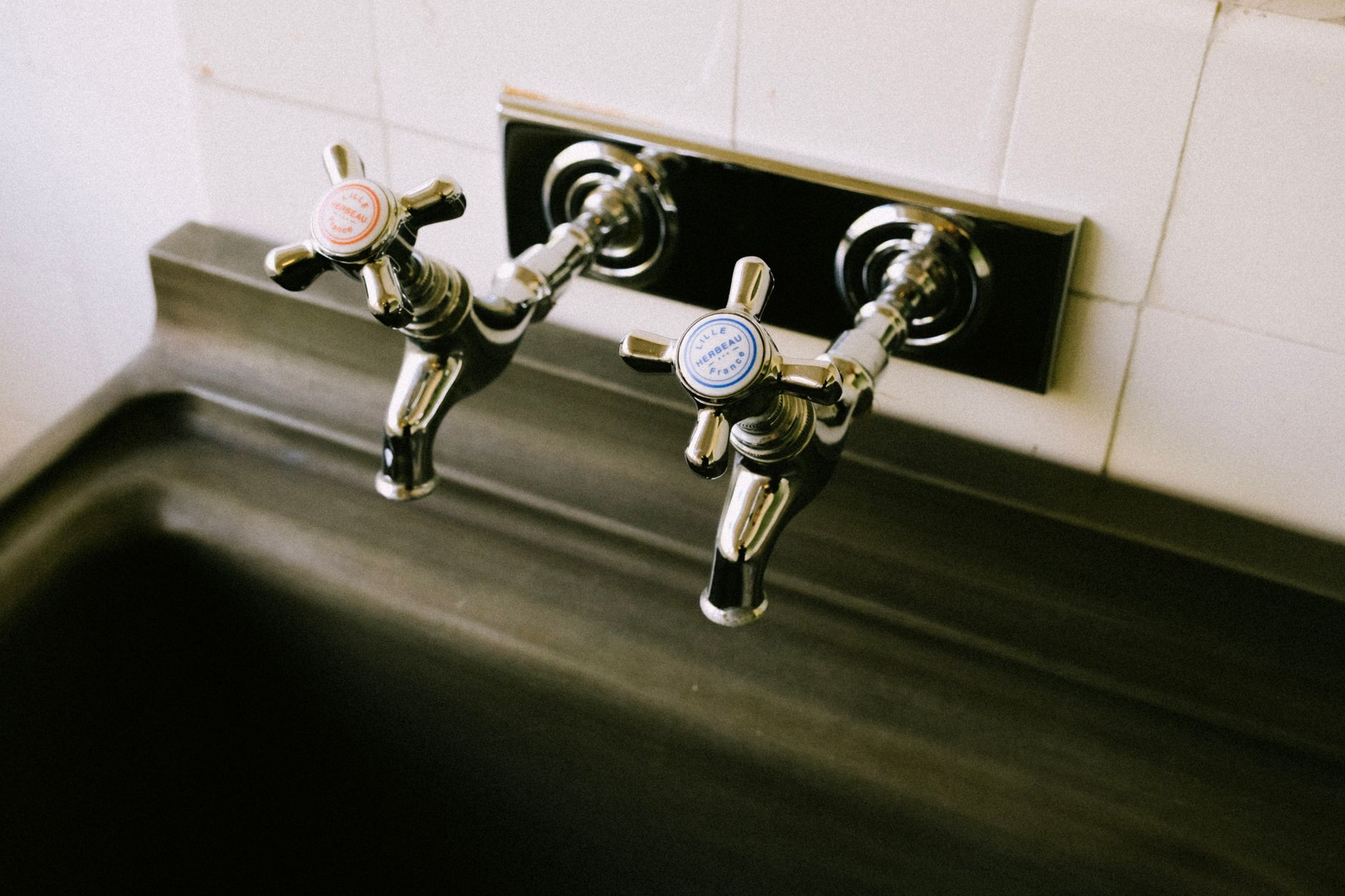
There’s no single type of faucet that inherently leaks more than others. The amount of water wasted depends on the severity of the leak, which can occur in any type of faucet (compression, ball, cartridge, or ceramic disc). However, older faucets with more moving parts, like compression faucets, may be more prone to leaks due to wear and tear.
FAQ 3: Is it better to replace a leaky faucet or repair it?
The decision to repair or replace a leaky faucet depends on several factors:
- Age and Condition: If the faucet is old, corroded, or heavily damaged, replacement may be the more cost-effective option.
- Cost of Repair: If the cost of the necessary replacement parts is high, replacement may be more economical.
- Availability of Parts: If the faucet is an older model and replacement parts are difficult to find, replacement may be necessary.
- Your Skill Level: If you’re not comfortable with plumbing repairs, hiring a plumber to fix the faucet can be costly, making replacement a potentially cheaper alternative, especially if the faucet itself is inexpensive.
FAQ 4: Can a leaky faucet damage my pipes?
Yes, a constantly dripping faucet can lead to mineral buildup around the faucet and potentially within the pipes, especially in areas with hard water. This mineral buildup can, over time, corrode or clog the pipes.
FAQ 5: Does hot water or cold water leakage waste more money?
Leaking hot water wastes significantly more money because you’re not only paying for the water itself but also for the energy used to heat the water. Fixing hot water leaks should be prioritized.
FAQ 6: Are there any government programs to help with leaky faucet repairs?
Some municipalities or water districts offer rebates or incentives for water conservation measures, including fixing leaky faucets or installing water-efficient fixtures. Check with your local water utility company or government website for available programs.
FAQ 7: What’s the best way to prevent future leaks in my faucets?
Preventative maintenance is key:
- Regularly inspect your faucets for any signs of leaks or drips.
- Replace worn-out washers and O-rings before they cause leaks.
- Avoid overtightening faucet handles, as this can damage the internal parts.
- Consider installing water softeners if you have hard water, as hard water can accelerate the corrosion of faucet parts.
FAQ 8: Can I claim a tax deduction for fixing a leaky faucet?
In some cases, you might be able to claim a tax deduction for water conservation measures, including fixing a leaky faucet, especially if it’s part of a larger home improvement project aimed at increasing energy efficiency. Consult with a tax professional for specific guidance based on your situation.
FAQ 9: How often should I replace my faucet washers?
The lifespan of faucet washers varies depending on the frequency of faucet use and the quality of the washers. However, it’s generally a good idea to inspect and replace faucet washers every 2-3 years to prevent leaks.
FAQ 10: What tools will I need to repair most leaky faucets?
Common tools needed for faucet repair include:
- Adjustable wrench
- Screwdrivers (Phillips and flathead)
- Pliers
- Penetrating oil
- Utility knife
- New washers, O-rings, or other replacement parts
FAQ 11: What is the long-term impact of all the leaky faucets worldwide?
The cumulative effect of millions of leaky faucets worldwide is staggering. It contributes significantly to water scarcity, depletes natural resources, increases energy consumption, and exacerbates environmental problems. Addressing this issue requires individual action, community initiatives, and government policies focused on water conservation.
FAQ 12: What type of expert is best to hire for complex faucet issues?
For complex faucet issues, especially those involving pipe damage or intricate internal components, hiring a licensed and experienced plumber is the best course of action. They possess the expertise and tools necessary to diagnose and repair the problem effectively and safely.