
How Much Himalayan Salt Do I Add to Distilled Water?
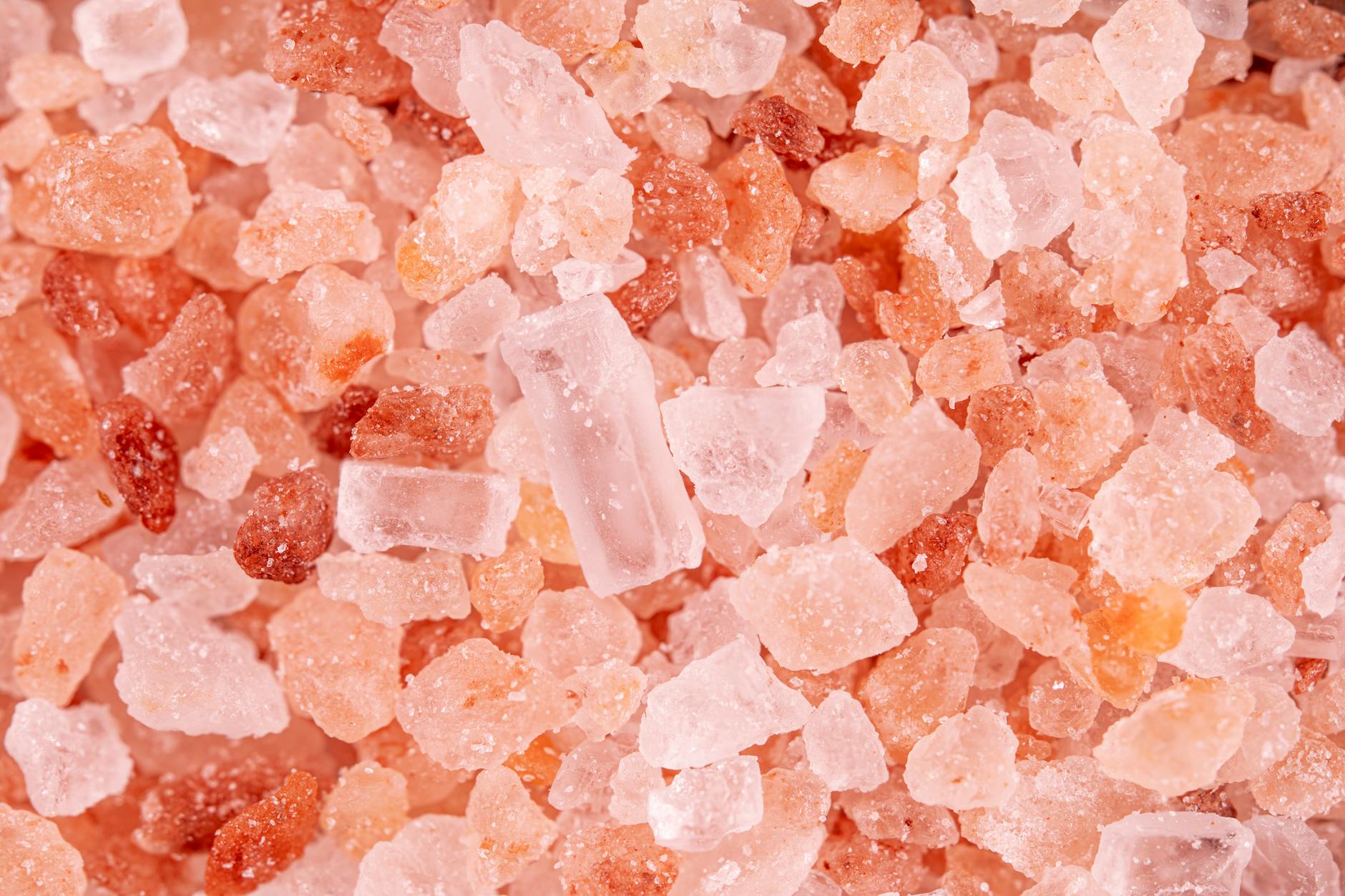
The ideal amount is generally 1/4 teaspoon of Himalayan salt per gallon of distilled water to reintroduce essential minerals and improve taste without compromising its purity. This provides a lightly mineralized, refreshing, and potentially beneficial drinking water.
Understanding Himalayan Salt and Distilled Water
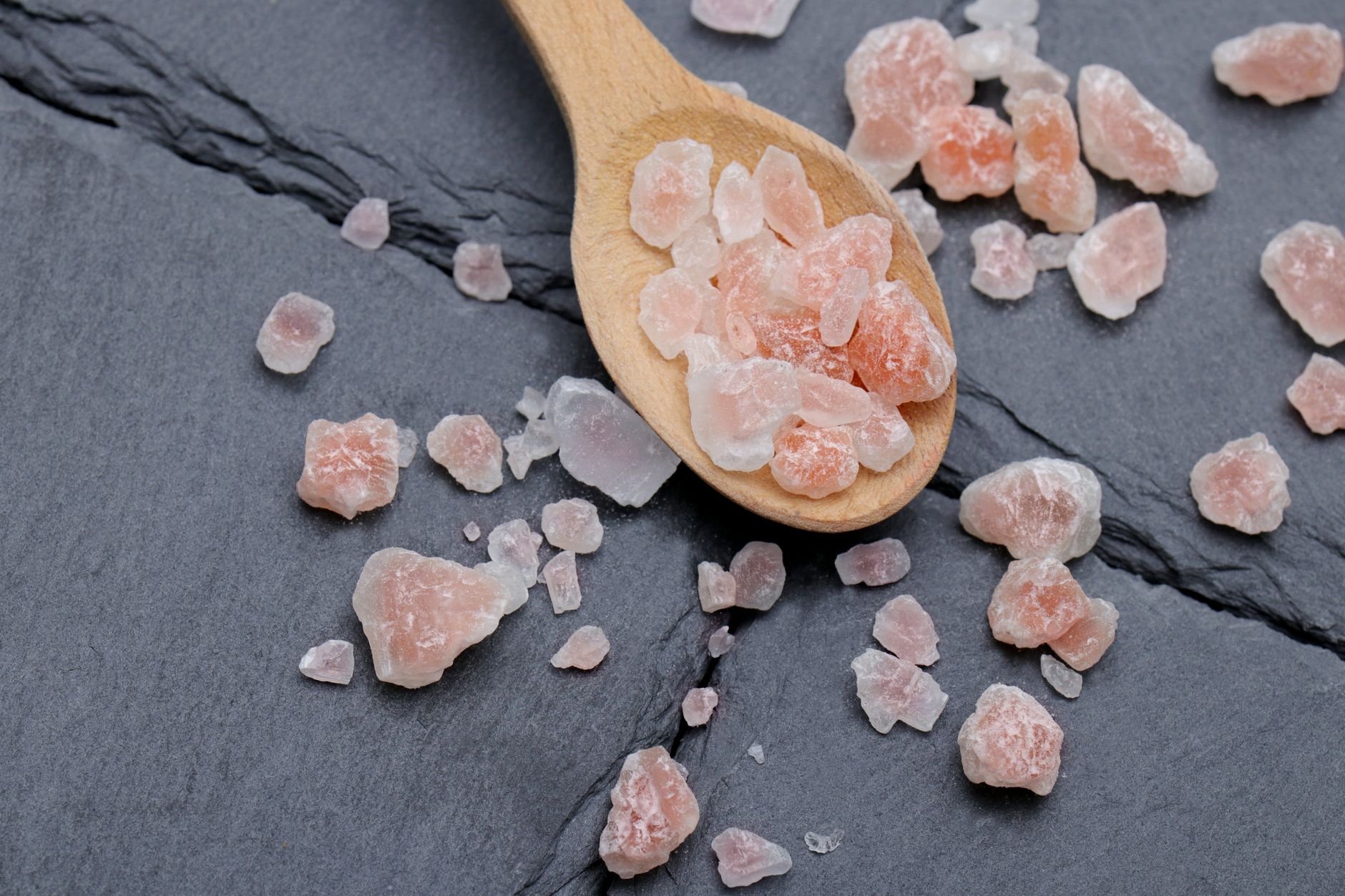
The combination of Himalayan salt and distilled water might seem contradictory. Distilled water is prized for its purity, having had all minerals and impurities removed through boiling and condensation. Himalayan salt, on the other hand, is celebrated for its rich mineral content. So, why combine them? The answer lies in enhancing the taste and potentially restoring some of the beneficial minerals removed during distillation. It’s a delicate balance. Adding too much salt negates the benefits of distilled water, while adding too little provides minimal impact. How much Himalayan salt do I add to distilled water? is a question that explores this balance.
Does aquarium salt raise pH in aquarium?
Can planaria live in bottled water?
Can fish hear water?
Do carbon filters remove water hardness?
Benefits of Adding Himalayan Salt to Distilled Water

While distilled water is excellent for certain purposes, such as cleaning or use in appliances, some find its taste bland and prefer the potential health benefits of mineralized water. Adding Himalayan salt can:
- Improve the taste: Distilled water can taste flat. Adding a small amount of Himalayan salt provides a more palatable and refreshing flavor.
- Reintroduce essential minerals: Himalayan salt contains trace minerals like potassium, magnesium, and calcium, which are lost during distillation.
- Potential Electrolyte Boost: Electrolytes are essential for bodily functions, and while the amount in salted distilled water is small, it can contribute to hydration, especially after exercise.
It’s important to note that the mineral content is relatively low compared to other sources, such as mineral water or a balanced diet.
The Recommended Ratio: A Delicate Balance
Finding the right balance is crucial. Too much salt can make the water unpalatable and potentially lead to excessive sodium intake. The generally recommended ratio is:
- 1/4 teaspoon of Himalayan salt per gallon of distilled water.
This ratio provides a subtle flavor enhancement and a small mineral boost without making the water taste overly salty. You can adjust the amount slightly to suit your personal taste preferences, but it’s best to start with this recommended ratio and adjust gradually.
How to Properly Mix Himalayan Salt and Distilled Water
Follow these simple steps to ensure proper mixing and optimal results:
- Measure: Accurately measure the Himalayan salt using a clean measuring spoon.
- Heat (Optional): While not necessary, gently heating a small amount of the distilled water can help the salt dissolve more easily. Avoid boiling the water, as this can alter its properties.
- Mix: Add the salt to the water and stir thoroughly until the salt is completely dissolved.
- Taste Test: Taste the water and adjust the amount of salt accordingly, if needed. Remember, start with less and add more to avoid over-salting.
- Store: Store the mineralized distilled water in a clean, airtight container.
Common Mistakes to Avoid
- Adding too much salt: This is the most common mistake. Always start with a small amount and gradually increase it until you achieve the desired taste.
- Using table salt instead of Himalayan salt: Table salt lacks the trace minerals found in Himalayan salt.
- Not dissolving the salt completely: Incompletely dissolved salt can leave a gritty residue and alter the taste.
- Storing the water in an unsuitable container: Avoid storing the water in containers that can leach chemicals into the water. Glass or food-grade plastic containers are best.
Considerations for Individuals with Health Conditions
Individuals with certain health conditions, such as high blood pressure or kidney problems, should consult with their doctor before adding Himalayan salt to distilled water. Even small amounts of sodium can affect these conditions.
Alternatives to Himalayan Salt
If you prefer not to use Himalayan salt, there are other ways to add minerals and improve the taste of distilled water, including:
- Mineral drops: These commercially available drops contain a concentrated blend of minerals that can be added to distilled water.
- Trace mineral concentrates: Similar to mineral drops, these concentrates provide a wider range of trace minerals.
- Spring water: Although not as pure as distilled water, spring water naturally contains minerals and electrolytes.
Summary
How much Himalayan salt do I add to distilled water? A common recommendation suggests 1/4 teaspoon per gallon to improve the taste and reintroduce trace minerals without sacrificing the purity inherent in distilled water. Always taste and adjust to your personal preference, keeping in mind the importance of moderation.
FAQs: Deep Dive into Himalayan Salt and Distilled Water
How does adding Himalayan salt to distilled water affect its pH level?
Adding a small amount of Himalayan salt typically results in a very minor increase in pH, moving it slightly more alkaline. However, the change is generally insignificant and not enough to substantially alter the water’s overall properties. The buffering capacity of water tends to minimize large shifts in pH from small additions.
Is it safe to drink distilled water with Himalayan salt every day?
For most healthy individuals, drinking distilled water with Himalayan salt in moderation is generally considered safe. However, it’s essential to consider your individual sodium intake from other sources and consult with your doctor, especially if you have pre-existing health conditions.
Can I use sea salt instead of Himalayan salt in distilled water?
While you can use sea salt, Himalayan salt is often preferred because of its purported higher mineral content and lack of processing compared to some sea salts. However, the mineral content can vary depending on the source of the salt.
Does adding Himalayan salt to distilled water make it taste like regular water?
Adding Himalayan salt to distilled water does improve the taste, making it less bland. It won’t taste exactly like regular tap or spring water, but it will be more palatable and refreshing than pure distilled water.
How long can I store distilled water with Himalayan salt?
Distilled water with Himalayan salt can be stored for several months in a clean, airtight container away from direct sunlight and heat. The salt acts as a mild preservative, but it’s still essential to ensure proper storage to prevent contamination.
What are the best containers to use for storing distilled water with Himalayan salt?
Glass containers are generally considered the best option for storing distilled water with Himalayan salt, as they are non-reactive and won’t leach chemicals into the water. Food-grade plastic containers are also acceptable, but avoid using containers that have been previously used for other purposes, as they may retain odors or contaminants.
How do I know if I’ve added too much Himalayan salt to my distilled water?
The most obvious sign that you’ve added too much Himalayan salt is that the water will taste salty. It may also have a slightly bitter or metallic taste. If the water tastes unpleasant, dilute it with more distilled water until you achieve the desired taste.
What are the benefits of drinking plain distilled water without salt?
Plain distilled water is exceptionally pure and is often used for detoxification, as it can help flush out toxins and impurities from the body. It’s also a good choice for individuals with sensitive stomachs or allergies to minerals commonly found in tap water. However, it lacks the minerals and electrolytes that are present in other types of water.
Can I use iodized Himalayan salt in distilled water?
It is extremely rare to find Himalayan salt that is also iodized. Table salt is commonly iodized. It is recommended to use pure Himalayan salt without added iodine.
How does adding Himalayan salt to distilled water affect its electrical conductivity?
The addition of Himalayan salt increases the electrical conductivity of distilled water, as the minerals in the salt act as electrolytes, allowing the water to conduct electricity more easily. This is a demonstration of the minerals now present that weren’t there originally.
Is there a difference between pink Himalayan salt and white Himalayan salt for use in distilled water?
There is no significant difference in the mineral content or health benefits between pink and white Himalayan salt. The pink color comes from trace amounts of iron oxide. Use either type based on preference.
Does adding Himalayan salt to distilled water affect its freezing point?
Yes, adding Himalayan salt will slightly lower the freezing point of the distilled water. The more salt added, the lower the freezing point will be, but the effect is usually minor at the recommended concentration.