

How Many Mosquitoes Do Chimney Swifts Eat? Unveiling the Aerial Insectivore’s Appetite
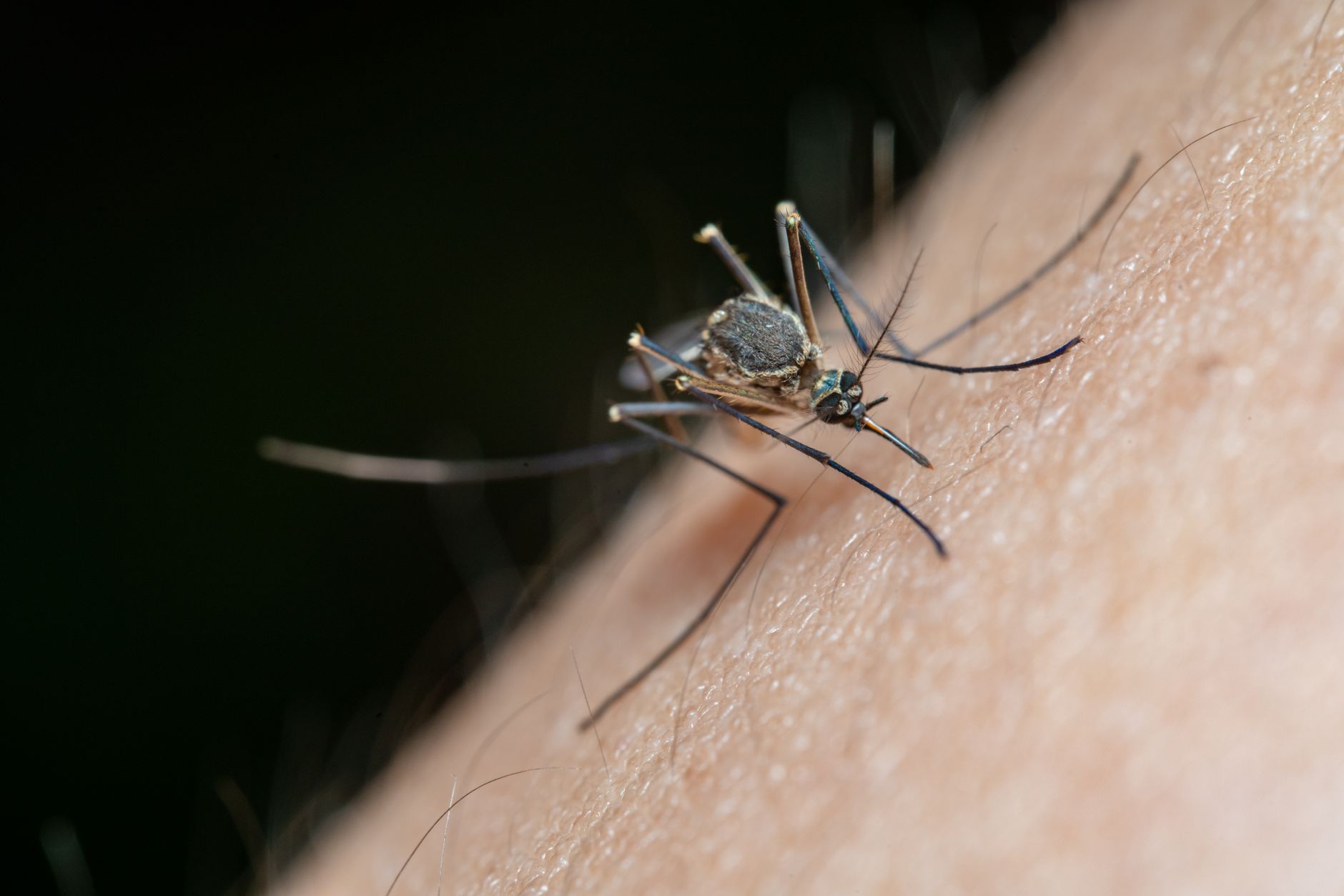
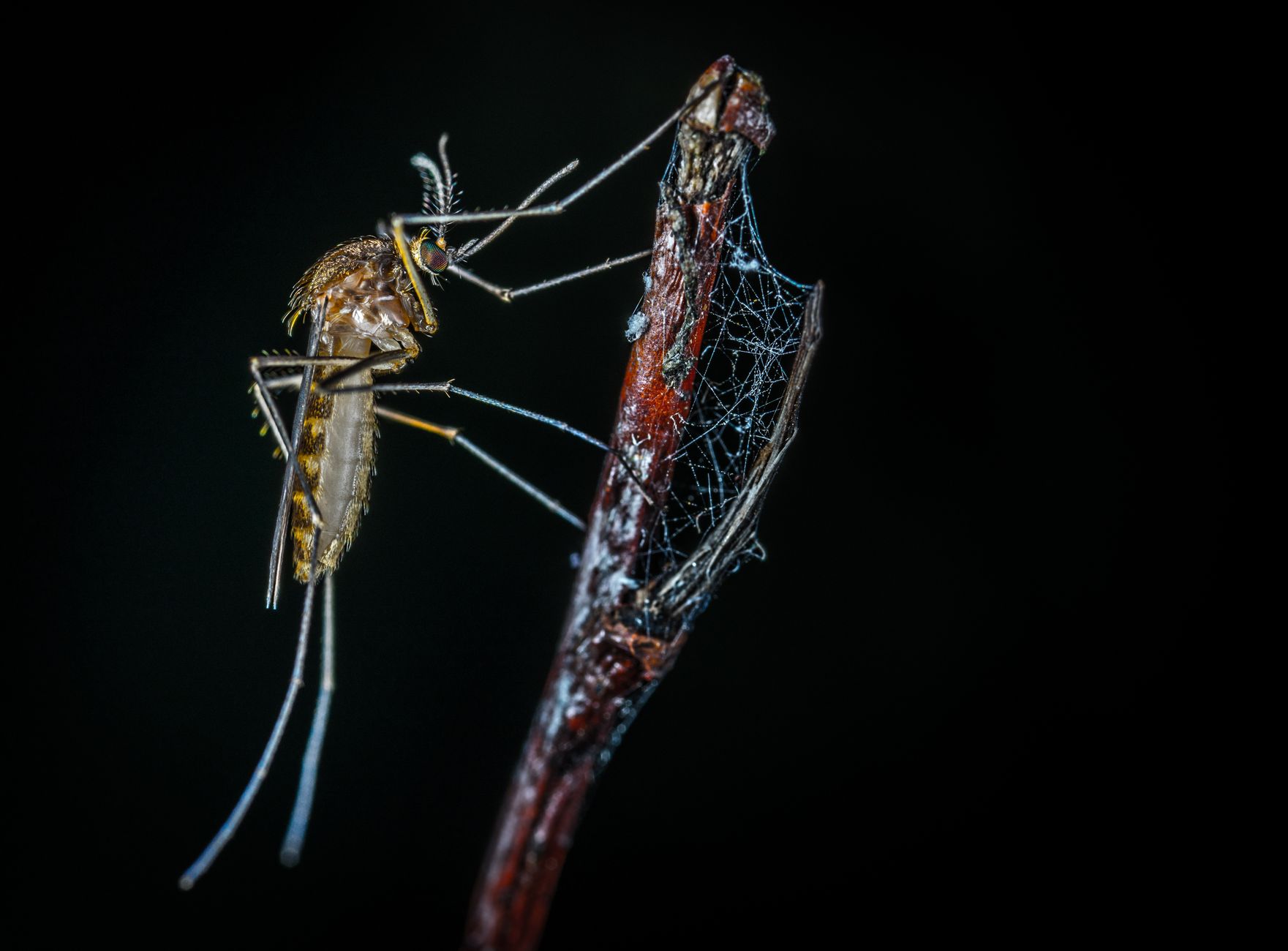
Chimney swifts are voracious aerial insectivores, and while estimating the precise number of mosquitoes they consume is challenging, research suggests they eat thousands of insects daily, including a significant number of mosquitoes, flies, and other small flying pests.
The Chimney Swift: An Introduction to a Beneficial Bird
The chimney swift (Chaetura pelagica) is a fascinating bird known for its incredible aerial abilities and preference for nesting in human-made structures, particularly chimneys. These birds are entirely insectivorous, meaning their diet consists solely of insects caught mid-air. Understanding their dietary habits, particularly how many mosquitoes do chimney swifts eat?, is crucial for appreciating their role in controlling insect populations.
What is the GREY African clawed frog?
Is distilled water good for goldfish?
What colours are fish most attracted to?
Can you put your finger in a trout's mouth?
The Diet of a Chimney Swift: Beyond Mosquitoes
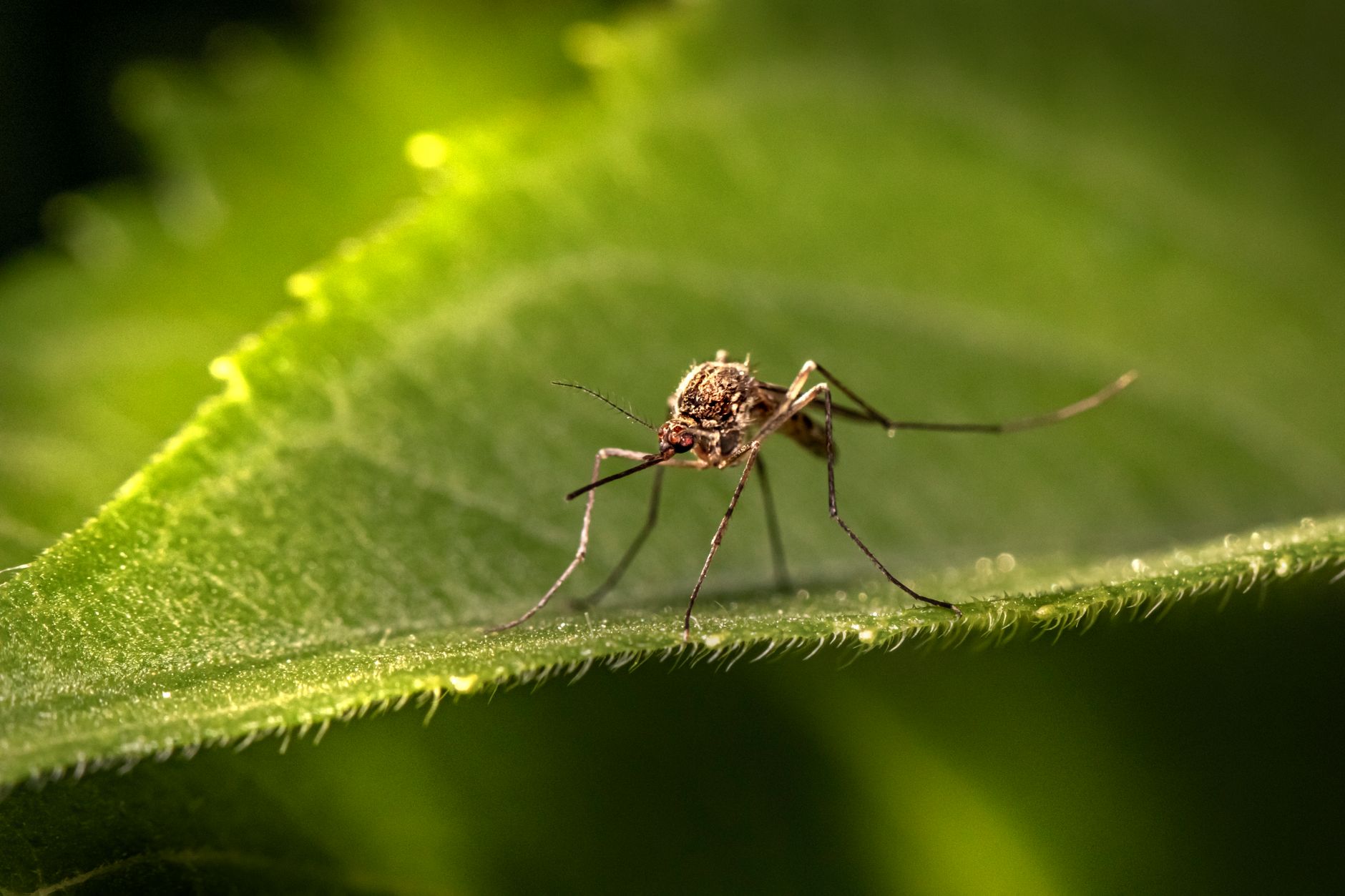
While mosquitoes are certainly on the menu, the chimney swift’s diet is far more diverse. They consume a variety of flying insects, including:
- Flies (various species)
- Beetles
- Ants
- Wasps
- Mayflies
- Caddisflies
- Aphids
- Small moths
The exact composition of their diet varies depending on the availability of insects in their foraging areas. Because they catch insects on the wing, their diet represents a good cross-section of the local flying insect population.
Estimating Insect Consumption: A Difficult Task
Determining precisely how many mosquitoes do chimney swifts eat? is a complex undertaking. Several factors contribute to the difficulty:
- Rapid Digestion: Swifts digest their food very quickly, making it difficult to analyze stomach contents.
- Small Size of Insects: Identifying minute insect fragments in guano (bird droppings) is challenging.
- Variability in Insect Abundance: Mosquito populations fluctuate throughout the year, influencing the proportion of mosquitoes in a swift’s diet.
- Foraging Range: Swifts can travel considerable distances to find food, making it difficult to track their foraging behavior.
Researchers use various methods to estimate insect consumption, including:
- Observation of Foraging Behavior: Monitoring the number of insects caught per unit of time.
- Guano Analysis: Analyzing the contents of guano to identify insect remains. This method has limitations due to digestion.
- Stable Isotope Analysis: Analyzing the chemical composition of feathers to infer dietary habits over time.
These methods provide estimates rather than precise figures.
The Benefits of Chimney Swifts: Natural Pest Control
Despite the difficulty in quantifying their mosquito consumption, it’s clear that chimney swifts provide valuable ecosystem services. They are natural pest controllers, helping to keep populations of mosquitoes and other nuisance insects in check. This has several benefits:
- Reduced Mosquito-Borne Diseases: By preying on mosquitoes, swifts may help to reduce the transmission of diseases like West Nile virus and Zika virus.
- Reduced Reliance on Pesticides: Natural pest control reduces the need for chemical pesticides, which can have harmful effects on the environment and human health.
- Ecological Balance: Maintaining healthy insect populations is crucial for a balanced ecosystem.
Conserving Chimney Swifts: Protecting a Valuable Asset
Chimney swift populations have declined in recent decades due to habitat loss, particularly the loss of suitable nesting sites. Many old chimneys have been capped or demolished, depriving swifts of their preferred nesting locations. Here are some steps that can be taken to conserve chimney swifts:
- Protect Existing Chimneys: Avoid capping or demolishing chimneys that are used by swifts.
- Build Chimney Swift Towers: Erect specially designed towers to provide alternative nesting sites.
- Support Conservation Organizations: Donate to or volunteer with organizations that work to protect chimney swifts and other migratory birds.
- Advocate for Conservation Policies: Support policies that protect bird habitat and promote sustainable development.
By understanding the benefits these birds provide, including their impact on mosquito populations and promoting conservation efforts, we can help ensure the survival of these fascinating birds. While definitively stating how many mosquitoes do chimney swifts eat? proves elusive, appreciation of their contribution to mosquito population management is clear.
Frequently Asked Questions
Do Chimney Swifts Only Eat Mosquitoes?
No, chimney swifts have a very broad diet and will consume practically any small flying insect they can catch. Mosquitoes are part of their diet, but they also eat flies, beetles, ants, and many other types of insects. Their diet is primarily determined by insect availability in their foraging areas.
How Much Does a Chimney Swift Eat in a Day?
Although precise numbers are hard to come by, experts believe that a single swift can consume thousands of insects in a single day. This is due to their high metabolic rate and constant aerial activity. They are constantly foraging.
Are Chimney Swifts Attracted to Lights?
No, unlike some insects (like moths), chimney swifts are not directly attracted to lights. However, they may be found near lights where insects congregate, allowing them to more easily capture prey. They are attracted to concentrations of insects, not the light itself.
What is the Best Way to Attract Chimney Swifts to My Yard?
The best way to attract chimney swifts is to provide suitable nesting habitat, such as an uncapped chimney or a chimney swift tower. You can also promote insect populations in your yard by avoiding pesticide use and planting native plants that attract insects. Remember that attracting chimney swifts can help to manage mosquito populations, answering, in part, the question of how many mosquitoes do chimney swifts eat?.
When Do Chimney Swifts Migrate?
Chimney swifts are migratory birds, spending their summers in North America and their winters in South America. They typically migrate south in the fall and return to North America in the spring. Their migration timing varies slightly depending on latitude and weather conditions. They are neo-tropical migrants.
Are Chimney Swifts Endangered?
While not currently listed as endangered, chimney swift populations have declined significantly in recent decades. They are listed as Near Threatened by the IUCN (International Union for Conservation of Nature).
What is a Chimney Swift Tower?
A chimney swift tower is a human-made structure designed to mimic a chimney and provide nesting habitat for chimney swifts. It is typically a tall, rectangular tower with a rough interior surface that allows swifts to cling to the walls and build their nests.
How Can I Tell if a Chimney Swift is Nesting in My Chimney?
You may hear the birds chattering or see them entering and exiting the chimney, especially during the breeding season (spring and summer). Look and listen for activity around your chimney.
What Should I Do if I Find a Baby Chimney Swift?
If you find a baby chimney swift, try to determine if it is injured or orphaned. If it is injured, contact a wildlife rehabilitator. If it appears healthy but is unable to fly, try to place it back in its nest. If you can’t reach the nest or are unsure what to do, contact a local wildlife rehabilitation center for advice.
Do Chimney Swifts Carry Diseases?
Chimney swifts are not known to carry diseases that are harmful to humans. They are generally considered to be beneficial birds.
Can I Feed Chimney Swifts?
No, it is not recommended to feed chimney swifts. They are specialized insectivores and rely on catching insects on the wing. Providing artificial food may disrupt their natural foraging behavior and could potentially harm them. Let them forage naturally.
How Many Mosquitoes Do Chimney Swifts Eat Compared to Bats?
Both chimney swifts and bats are important insectivores that consume mosquitoes. While precise comparisons are difficult, it’s generally believed that bats are more specialized mosquito predators, especially during twilight hours. Chimney swifts consume mosquitoes, but their diet is broader and includes a wider range of flying insects captured during the day. Knowing how many mosquitoes do chimney swifts eat?, in comparison to bats, gives a better picture of mosquito control strategies.