
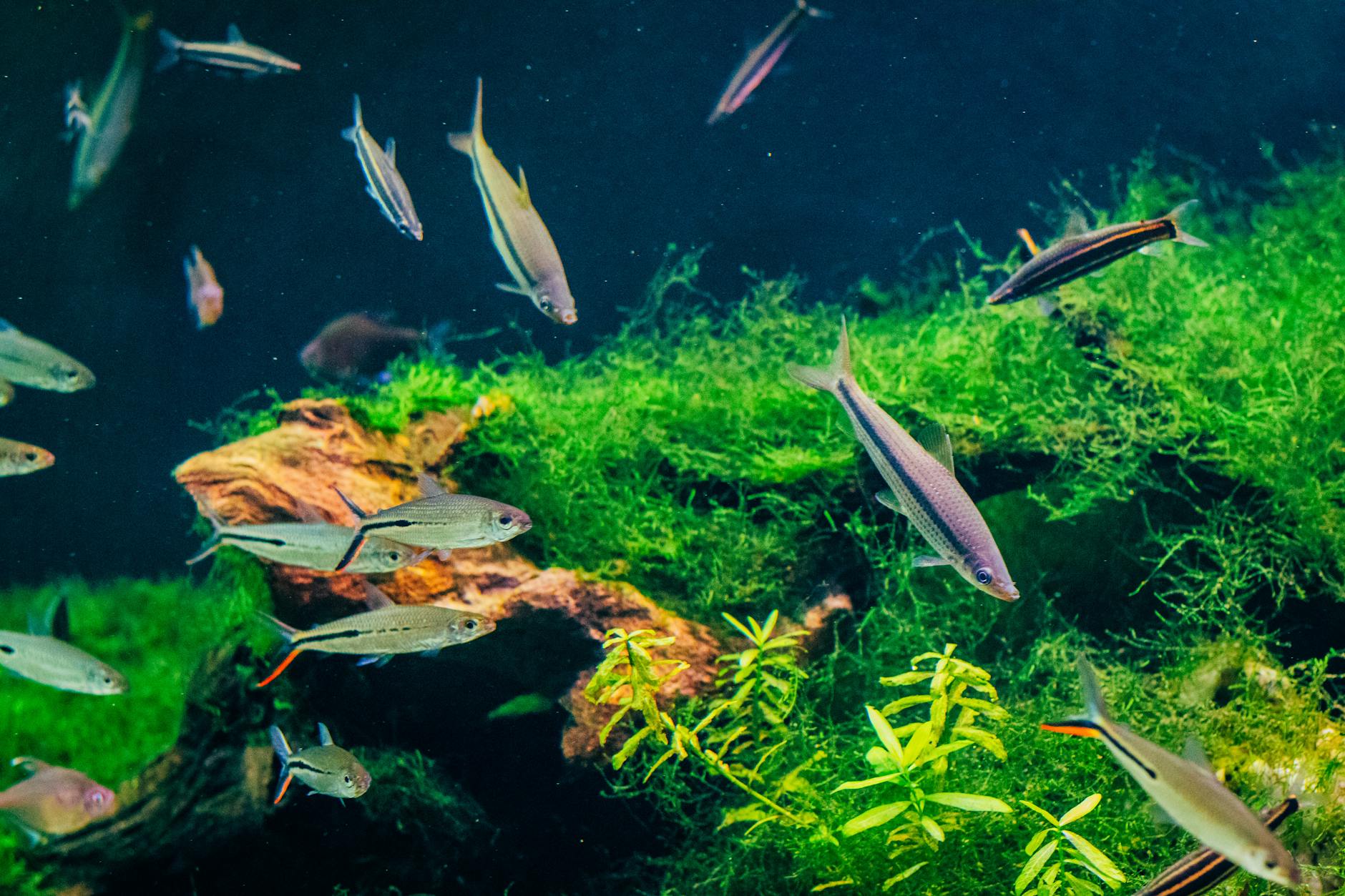
How Many Harlequin Rasboras Should Be Kept Together? Understanding Schooling Behavior
The ideal number of harlequin rasboras to keep together is at least six. This ensures they exhibit their natural schooling behavior and reduces stress, contributing to their overall health and well-being.

Introduction: The Charm of Harlequin Rasboras
Harlequin rasboras ( Trigonostigma heteromorpha) are a popular choice for community aquariums due to their striking coloration, peaceful temperament, and relatively small size. Native to Southeast Asia, these fish are known for their distinctive black wedge shape on their pinkish-orange bodies. However, understanding their social needs is crucial to providing them with a thriving environment. Keeping them in inadequate numbers can lead to stress, illness, and a diminished display of their vibrant colors and lively behavior.

Is distilled water good for goldfish?
What colours are fish most attracted to?
Can you put your finger in a trout's mouth?
Is methylene blue anti bacterial?
The Importance of Schooling for Harlequin Rasboras

How many harlequin rasboras should be kept together? The answer lies in their natural schooling behavior. In the wild, these fish live in large groups, providing them with several key benefits:
- Reduced Stress: Being part of a school gives harlequin rasboras a sense of security. They feel safer from perceived threats when surrounded by their own kind.
- Enhanced Coloration: When kept in proper school sizes, harlequin rasboras display more vibrant colors. Stress can cause them to become pale and less attractive.
- Natural Behavior: Schooling encourages natural behaviors like exploration, foraging, and playful interactions, enriching their lives.
- Improved Feeding: Competition for food within a school can stimulate appetite and ensure that all fish are getting enough to eat.
Defining a “School” for Harlequin Rasboras
While the minimum recommended number is six, a school of eight to ten harlequin rasboras is even better. This allows for more complex social interactions and a greater sense of security within the group. Larger groups are particularly beneficial in larger aquariums, as the fish will have more space to explore and establish their social hierarchy. A smaller group might stick to one small corner of the tank out of fear and stress.
Tank Size Considerations
The number of harlequin rasboras you can comfortably keep also depends on the size of your aquarium. As a general guideline:
- A 10-gallon tank can house a school of 6 harlequin rasboras.
- A 20-gallon tank can comfortably accommodate a school of 8-10 harlequin rasboras.
- Larger tanks (30 gallons or more) can support even larger schools, providing more space for them to swim and interact.
It’s important to remember that these are just guidelines. Overcrowding can lead to poor water quality and increased stress, even if the fish are in a school. Always prioritize the health and well-being of your fish.
Common Mistakes and How to Avoid Them
One of the most common mistakes is keeping only a few harlequin rasboras, or even a single one. This can lead to:
- Increased Stress: Solitary or under-schooled harlequin rasboras are more prone to stress, which can weaken their immune system and make them susceptible to disease.
- Shyness and Hiding: They may spend most of their time hiding, making them less enjoyable to observe.
- Aggression Towards Other Fish: While generally peaceful, stressed harlequin rasboras may become aggressive towards other tank mates.
To avoid these issues:
- Always purchase at least six harlequin rasboras.
- Provide a well-planted aquarium with plenty of hiding places. This will help the fish feel secure, even in a relatively small school.
- Maintain good water quality through regular water changes. This will minimize stress and keep your fish healthy.
- Observe your fish closely for signs of stress or illness. Early detection and treatment can prevent more serious problems.
Creating the Ideal Environment for Harlequin Rasboras
Providing a suitable environment is just as important as keeping them in a proper school. Harlequin rasboras thrive in:
- Soft, slightly acidic water: A pH of 6.0-7.0 is ideal.
- A temperature of 73-82°F (23-28°C).
- A well-planted aquarium: This provides hiding places and helps to maintain water quality.
- Gentle filtration: Avoid strong currents, as harlequin rasboras prefer calmer waters.
Feeding Harlequin Rasboras
Harlequin rasboras are omnivores and will readily accept a variety of foods. Offer them:
- High-quality flake food: This should form the basis of their diet.
- Small live or frozen foods: Such as bloodworms, daphnia, and brine shrimp, as occasional treats.
- Feed small amounts multiple times a day: This prevents overfeeding and helps to maintain good water quality.
Frequently Asked Questions (FAQs)
Will harlequin rasboras school with other similar-looking fish?
While harlequin rasboras prefer to school with their own kind, they might loosely associate with other small, similar-looking fish, such as espei rasboras or chili rasboras. However, this is not a substitute for keeping them in a proper school of their own species.
What are the signs of stress in harlequin rasboras?
Signs of stress include: pale coloration, hiding, clamped fins, rapid breathing, and loss of appetite. If you observe these symptoms, check your water parameters and ensure that your fish are in a sufficiently large school.
Can I keep harlequin rasboras with larger fish?
Generally, yes, as long as the larger fish are peaceful and not prone to eating small fish. Avoid keeping harlequin rasboras with aggressive or predatory fish.
Do harlequin rasboras need a lot of current in their tank?
No, harlequin rasboras prefer calmer waters. Strong currents can stress them out. Use a filter that provides gentle filtration or baffle the outflow to reduce the current.
How often should I change the water in my harlequin rasbora tank?
A weekly water change of 25-50% is recommended to maintain good water quality.
What is the ideal tank setup for harlequin rasboras?
The ideal setup includes soft, slightly acidic water, a temperature of 73-82°F, a well-planted aquarium with plenty of hiding places, and gentle filtration.
Are harlequin rasboras easy to breed?
Harlequin rasboras are relatively difficult to breed in a home aquarium. They require specific water parameters and a suitable spawning substrate.
What size do harlequin rasboras grow to?
Harlequin rasboras typically grow to around 1.5-2 inches (3.8-5 cm) in length.
How long do harlequin rasboras live?
With proper care, harlequin rasboras can live for 5-8 years.
What type of plants are best for a harlequin rasbora tank?
Good plant choices include java moss, Anubias, hornwort, and Amazon sword plants. These plants provide hiding places and help to maintain water quality.
What other fish are good tank mates for harlequin rasboras?
Good tank mates include other peaceful community fish, such as neon tetras, corydoras catfish, and kuhli loaches.
What happens if I only keep 2-3 harlequin rasboras together?
Keeping only 2-3 harlequin rasboras will likely result in stressed and unhappy fish. They will be more susceptible to disease, display less vibrant colors, and spend more time hiding. It is crucial to keep them in a school of at least six.