

How Many Flowers Do Hummingbirds Visit in a Day?
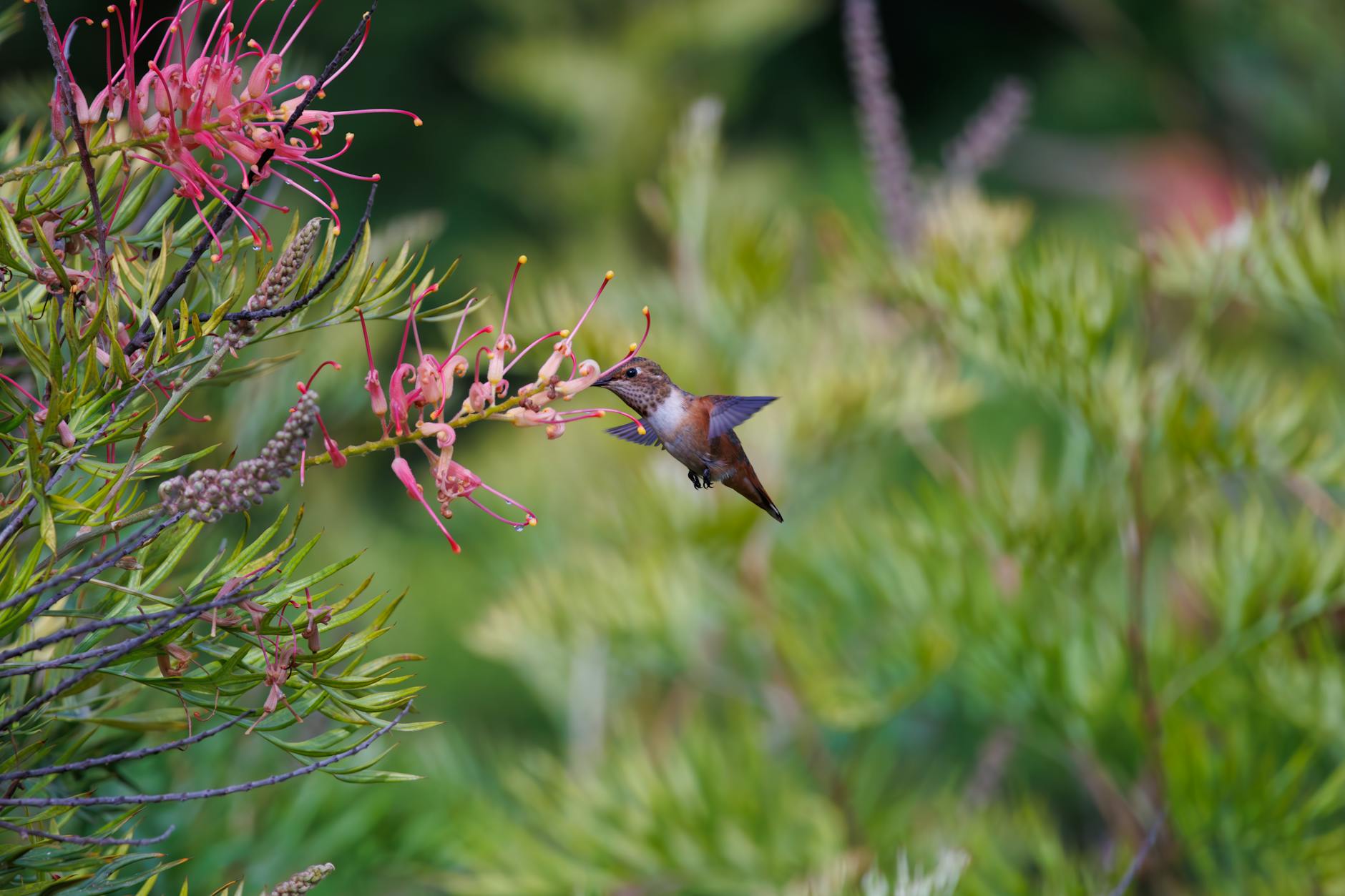
On average, a hummingbird visits between 1,000 and 2,000 flowers each day, but this number can fluctuate based on factors like flower availability, nectar concentration, and the hummingbird’s energy needs. This constant search for nectar is critical for their survival.
The Hummingbird’s Quest for Nectar: An Introduction
Hummingbirds, with their dazzling iridescent plumage and breathtaking aerial acrobatics, are a constant source of fascination. These tiny avian dynamos require an immense amount of energy to fuel their rapid wingbeats and high metabolism. This energy comes primarily from the nectar of flowers, making the relationship between hummingbirds and flowering plants a cornerstone of many ecosystems. Understanding how many flowers do hummingbirds visit a day? sheds light on their intricate lives and the vital role they play in pollination.

Is distilled water good for goldfish?
What colours are fish most attracted to?
Can you put your finger in a trout's mouth?
Is methylene blue anti bacterial?
Why Do Hummingbirds Need So Much Nectar?

The hummingbird’s metabolic rate is exceptionally high. To put it in perspective, if a human had the same metabolic rate as a hummingbird, they would need to consume approximately 155,000 calories per day! This extraordinary energy demand drives their constant search for food.
- Rapid Wingbeats: Hummingbirds flap their wings at astonishing speeds, often between 50 and 80 times per second, consuming significant energy.
- High Metabolism: Their small size and warm-blooded nature demand a constant fuel supply to maintain body temperature and other vital functions.
- Flight Endurance: Hovering, a hallmark of hummingbird behavior, is an energy-intensive activity that requires a steady intake of nectar.
Factors Influencing the Number of Flowers Visited
The exact number of flowers a hummingbird visits each day is not a fixed value. Several environmental and biological factors influence this figure.
- Flower Availability: Abundant flower patches reduce the need to travel long distances, allowing hummingbirds to visit more flowers in a given area. Conversely, scarce flowers necessitate more extensive foraging efforts.
- Nectar Concentration: Flowers with higher nectar concentrations provide more energy per visit, potentially reducing the overall number of flowers a hummingbird needs to explore.
- Territoriality: Some hummingbirds are highly territorial, defending their feeding patches from competitors. Territoriality can both increase and decrease the number of flowers visited, depending on the size and richness of the territory.
- Individual Needs: A hummingbird’s size, age, and reproductive status can influence its energy demands and, consequently, the number of flowers visited per day. For example, a female feeding young will require more nectar.
- Time of Day: Nectar production in many flowers follows a daily cycle. Hummingbirds adjust their foraging behavior accordingly, often visiting flowers more frequently during peak nectar-producing hours.
- Weather Conditions: Rainy or windy weather can make foraging more challenging, potentially reducing the number of flowers visited and increasing energy expenditure.
How Hummingbirds Find Flowers
Hummingbirds have evolved several remarkable adaptations to locate and access nectar-rich flowers.
- Excellent Vision: Hummingbirds possess exceptional color vision, particularly sensitive to red, orange, and pink, which are common colors of hummingbird-pollinated flowers.
- Long Beaks and Tongues: Their elongated beaks and specialized tongues are perfectly adapted for extracting nectar from tubular flowers. The tongue is forked and grooved, allowing nectar to be drawn up through capillary action.
- Spatial Memory: Hummingbirds have excellent spatial memory, allowing them to remember the locations of productive flower patches and revisit them regularly.
- Learning: Young hummingbirds learn foraging techniques from their mothers and through observation of other individuals.
The Pollination Benefits of Hummingbird Foraging
Hummingbirds are vital pollinators, playing a crucial role in the reproduction of many plant species. As they move from flower to flower, they transfer pollen, facilitating fertilization and seed production. This mutualistic relationship benefits both the hummingbird, which receives nectar, and the plant, which receives pollination services. Estimating how many flowers do hummingbirds visit a day? gives an insight into the potential pollination impact.
- Specialized Pollination: Many plant species have evolved flowers specifically adapted for hummingbird pollination, with tubular shapes and vibrant colors.
- Ecosystem Health: Hummingbird pollination contributes to the overall health and diversity of ecosystems by ensuring the successful reproduction of a wide range of plant species.
Supporting Hummingbird Populations
Given the importance of hummingbirds to ecosystems, it is essential to support their populations. Several actions can be taken to provide them with the resources they need.
- Planting Native Flowers: Planting native flowers that are known to attract hummingbirds is the most effective way to provide them with a reliable food source.
- Providing Hummingbird Feeders: Hummingbird feeders can supplement natural nectar sources, especially during times of scarcity. It is crucial to clean feeders regularly to prevent the spread of disease.
- Avoiding Pesticides: Pesticides can harm hummingbirds and other beneficial insects. Opt for organic gardening practices to protect these valuable pollinators.
- Preserving Habitat: Protecting and restoring natural habitats that support hummingbird populations is essential for their long-term survival.
Frequently Asked Questions (FAQs) About Hummingbirds and Flower Visits
How far do hummingbirds travel to find flowers?
Hummingbirds can travel surprisingly long distances to find food. While they often prefer to forage within a relatively small area, they are capable of migrating hundreds or even thousands of miles. Individual hummingbirds might travel several miles each day searching for flowers, especially if resources are scarce or they are defending a territory.
Do hummingbirds visit the same flowers every day?
Yes, hummingbirds often visit the same flowers repeatedly, especially if those flowers are a reliable source of nectar. Their excellent spatial memory allows them to remember the locations of productive flower patches and revisit them on a regular basis.
What time of day do hummingbirds visit flowers most often?
Hummingbirds typically visit flowers most frequently during the early morning and late afternoon, which coincides with peak nectar production in many plant species. They also forage throughout the day, but these periods are often the most active.
Do different species of hummingbirds visit different types of flowers?
Yes, different species of hummingbirds often have preferences for certain types of flowers, influenced by the shape and size of their beaks and tongues. Some species are better adapted to feed from flowers with long, tubular shapes, while others prefer flowers with wider openings.
How much nectar does a hummingbird consume in a day?
A hummingbird consumes approximately half its body weight in nectar each day. This significant intake is necessary to fuel their high metabolism and maintain their energy levels.
Do hummingbirds eat anything besides nectar?
Yes, while nectar is their primary food source, hummingbirds also eat small insects and spiders. These insects provide essential protein and other nutrients that are not found in nectar.
How do hummingbirds know which flowers have nectar?
Hummingbirds use a combination of visual cues, such as flower color and shape, and learned information to identify nectar-rich flowers. They can also sense the presence of nectar through specialized taste receptors on their tongues.
Are hummingbird feeders a good substitute for natural flowers?
Hummingbird feeders can be a helpful supplement to natural flower sources, especially during times of scarcity or migration. However, it is important to remember that they should not be considered a complete replacement for natural flowers.
What is the best way to attract hummingbirds to my garden?
The best way to attract hummingbirds to your garden is to plant a variety of native flowers that are known to attract them. Choose flowers with different blooming times to provide a continuous source of nectar throughout the season.
How long do hummingbirds live?
Hummingbirds typically live for 3 to 5 years, although some individuals can live much longer. The oldest recorded hummingbird lived to be over 12 years old.
What are the biggest threats to hummingbird populations?
The biggest threats to hummingbird populations include habitat loss, pesticide use, and climate change. Protecting and restoring their natural habitats and reducing pesticide use are essential for their long-term survival.
Does the number of flowers a hummingbird visits a day affect pollination rates?
Absolutely. The number of flowers a hummingbird visits a day directly influences pollination rates. The more flowers they visit, the more pollen they transfer, contributing significantly to the reproductive success of various plant species. A decline in the number of visited flowers due to habitat loss or other factors can have cascading effects on plant populations and the overall health of ecosystems.