
How Many Fancy Goldfish Can You Have in a 20 Gallon Tank?
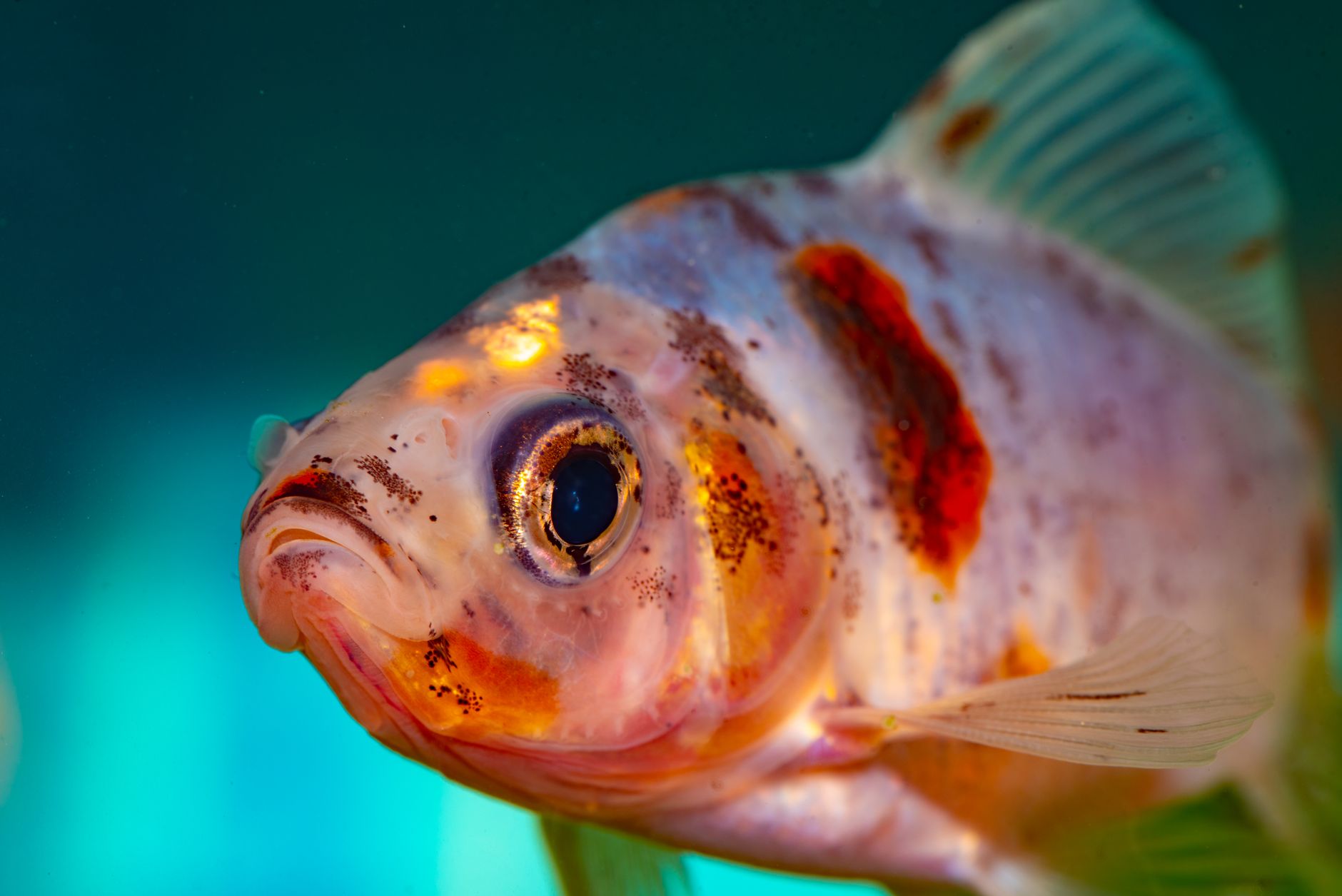
The generally accepted rule allows for one fancy goldfish in a 20-gallon tank. Adding more than that risks overcrowding, leading to poor water quality and health problems for your fish.

Understanding Goldfish Needs
Goldfish, despite their common availability and seemingly simple nature, require specific and often underestimated care. Understanding their needs is crucial before considering how many fancy goldfish can you have in a 20 gallon tank?. The answer isn’t just about fitting fish in the tank, but about ensuring their long-term health and well-being.

Can you have a pet giant tortoise?
Do all amphibians have eyelids?
How do I add oxygen to my goldfish water?
Why do cuttlefish have W-shaped eyes?
The “Inch-Per-Gallon” Rule: A Flawed Starting Point
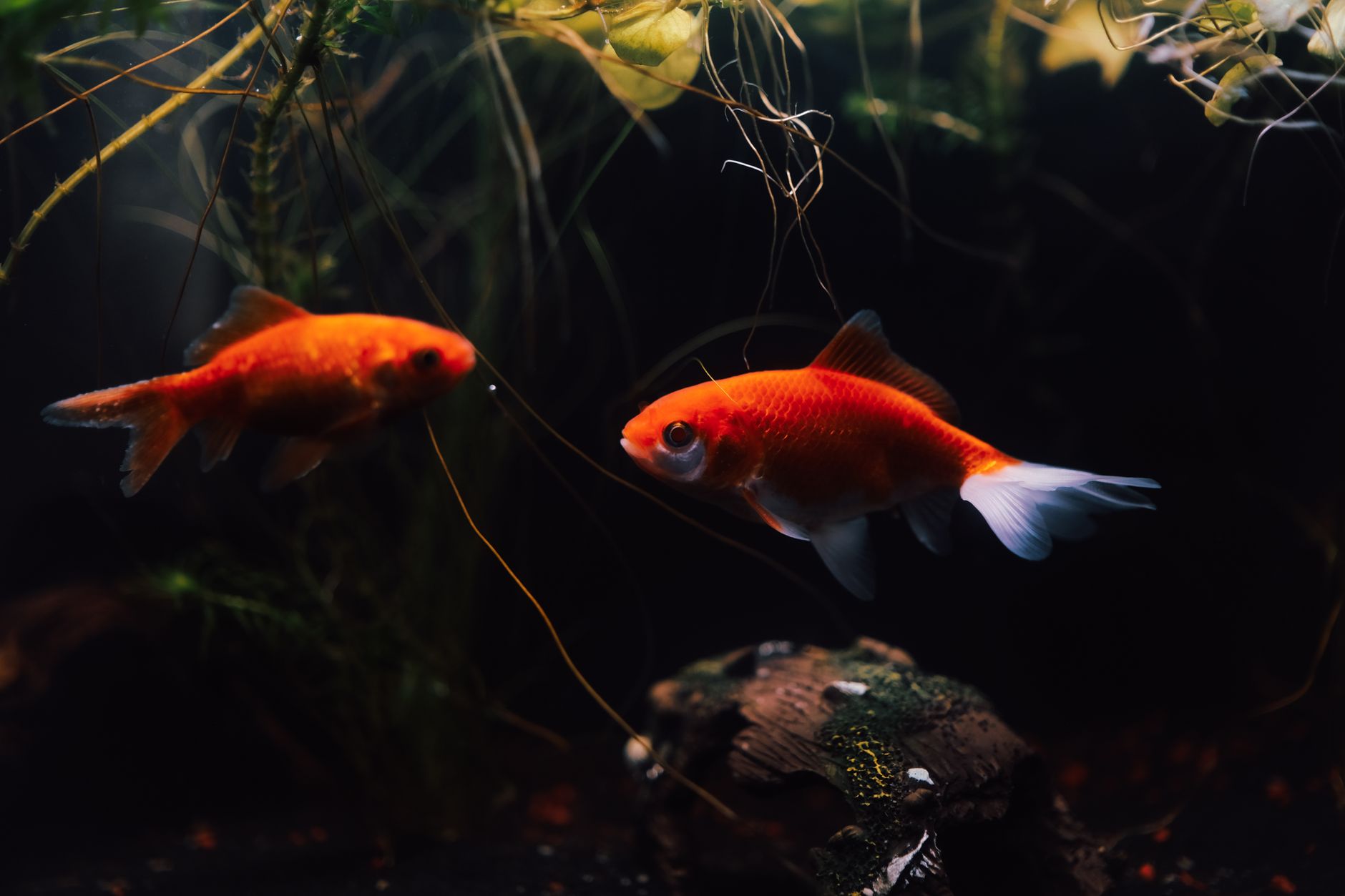
The old “inch-per-gallon” rule, suggesting one inch of fish per gallon of water, is often cited but is particularly unsuitable for goldfish. This is because:
- Goldfish produce a large amount of waste.
- They grow relatively large, especially fancy varieties.
- The rule doesn’t account for filtration needs.
Why Overcrowding is a Problem
Overcrowding a tank can lead to a cascade of issues that negatively affect the health and lifespan of your goldfish:
- Poor Water Quality: Too many fish mean more waste, quickly overwhelming the tank’s filtration system. This results in elevated levels of ammonia, nitrite, and nitrate – all toxic to goldfish.
- Stunted Growth: While goldfish may initially appear to adapt to a smaller tank, their growth can become stunted. This can lead to internal organ damage and a shortened lifespan.
- Disease Outbreaks: Stressed fish are more susceptible to disease. Overcrowding weakens their immune systems, making them vulnerable to bacterial infections, parasites, and fungal problems.
- Aggressive Behavior: Limited space can lead to increased competition for resources and aggressive behavior between fish.
- Oxygen Depletion: Overcrowding reduces the available oxygen in the water, suffocating the fish.
Fancy Goldfish vs. Single-Tailed Goldfish
It’s crucial to distinguish between fancy goldfish (e.g., Oranda, Ryukin, Ranchu) and single-tailed goldfish (e.g., Comets, Shubunkins). Single-tailed goldfish are pond fish and require significantly larger volumes of water – hundreds of gallons, not tens. This article focuses solely on fancy goldfish.
The 20-Gallon Recommendation: Factoring in Growth and Waste
The recommendation of one fancy goldfish in a 20-gallon tank accounts for several factors:
- Growth Potential: Even fancy goldfish can grow to be several inches long. A larger tank allows them to reach their full potential without being stunted.
- Waste Production: Goldfish are messy eaters and produce a lot of waste. A larger water volume helps dilute the waste and maintain better water quality.
- Surface Area: A larger tank provides more surface area for gas exchange, ensuring adequate oxygen levels.
- Swimming Space: Even fancy goldfish need room to swim and exercise.
Upgrading Your Tank: A Better Option
If you are passionate about keeping multiple goldfish, the best option is to upgrade to a larger tank. A 40-gallon breeder tank or even larger would be much more suitable for two or three fancy goldfish. Remember to consider the weight of a larger filled tank and ensure your stand can support it.
Essential Equipment for a Goldfish Tank
Maintaining a healthy environment for your fancy goldfish requires more than just a tank:
- Filter: A high-quality filter is essential for removing waste and maintaining water quality. Choose a filter rated for at least twice the tank’s volume.
- Air Pump and Air Stone: These help oxygenate the water and improve circulation.
- Heater (Optional): Goldfish are cold-water fish and do not necessarily require a heater, but maintaining a stable temperature can be beneficial. However, avoid extreme temperature fluctuations.
- Gravel Vacuum: This is used to clean the gravel and remove waste during water changes.
- Water Test Kit: A water test kit is crucial for monitoring ammonia, nitrite, and nitrate levels.
- Dechlorinator: This is used to remove chlorine and chloramine from tap water, which are harmful to fish.
Calculating Your Tank’s Capacity
While a 20-gallon tank seems simple, the actual usable volume may be slightly less due to gravel, decorations, and the water level. Keep this in mind when considering how many fancy goldfish can you have in a 20 gallon tank?.
Frequently Asked Questions (FAQs)
What happens if I put too many goldfish in a 20-gallon tank?
Overcrowding leads to a rapid deterioration of water quality, stressing the fish and making them vulnerable to disease. You’ll likely see elevated ammonia and nitrite levels, leading to fish illness and even death.
Can I keep a baby goldfish in a 20-gallon tank, planning to move it later?
Yes, you can temporarily keep a small baby fancy goldfish in a 20-gallon tank. However, you must be prepared to upgrade to a larger tank as it grows. This is a short-term solution only.
What kind of filter is best for a 20-gallon goldfish tank?
A hang-on-back (HOB) filter rated for at least 40 gallons is a good choice. Canister filters are also an option for larger tanks, offering even more powerful filtration. Ensure the filter has mechanical, biological, and chemical filtration capabilities.
How often should I do water changes in a 20-gallon goldfish tank?
Perform partial water changes (25-50%) at least once a week, or even twice a week if your water parameters are unstable. Always use a dechlorinator to treat the new water before adding it to the tank.
Do goldfish need plants in their tank?
Yes, live plants can be beneficial. They help oxygenate the water, reduce nitrates, and provide hiding places for the fish. Choose hardy plants that goldfish are less likely to eat, such as Anubias or Java fern.
Can I keep other types of fish with fancy goldfish in a 20-gallon tank?
Generally, it’s not recommended to keep other types of fish with fancy goldfish in a 20-gallon tank. The tank is already limited in space, and the different species may have incompatible temperature and water parameter requirements. In addition, some fish may nip at the goldfish’s fins.
What are the signs of stress in goldfish due to overcrowding?
Signs of stress include lethargy, loss of appetite, gasping for air at the surface, clamped fins, and increased susceptibility to disease. If you observe these symptoms, test your water parameters immediately and consider reducing the number of fish or increasing the tank size.
Is a 20-gallon long tank better than a 20-gallon high tank for goldfish?
A 20-gallon long tank is generally better because it provides more surface area for gas exchange and more horizontal swimming space for the fish. However, a 20-gallon tank is still a limited space for goldfish.
What should I feed my fancy goldfish?
Feed your goldfish a high-quality goldfish flake or pellet food that is specifically formulated for fancy varieties. Supplement their diet with occasional treats like blanched vegetables (peas, zucchini) or bloodworms. Avoid overfeeding, as this can lead to water quality problems.
Can I use tap water in my goldfish tank?
Yes, you can use tap water, but you must treat it with a dechlorinator to remove chlorine and chloramine. These chemicals are toxic to fish.
Are goldfish social creatures? Do they get lonely if kept alone?
While goldfish aren’t necessarily schooling fish, they can benefit from having tank mates. If you only keep one fancy goldfish in your 20-gallon tank, ensure it has plenty of enrichment (plants, decorations) and interaction with you.
What is the long-term cost of keeping goldfish?
The long-term costs include fish food, filter cartridges, dechlorinator, electricity for the filter and heater (if used), and potential vet bills. Don’t forget to factor in the cost of upgrading to a larger tank as your fish grow. Determining how many fancy goldfish can you have in a 20 gallon tank? and sticking to that limit is only a first step. Responsible fishkeeping requires significant ongoing financial commitment.