

How Many Dolphins Are Slaughtered Each Year? A Deep Dive into Dolphin Hunting and Bycatch
The question of how many dolphins are slaughtered each year is complex, but experts estimate the number to be tens of thousands, with significant numbers lost to both direct hunts and incidental capture (bycatch).

The seemingly simple question of How many dolphins are slaughtered each year? unveils a complex web of interacting factors. From targeted hunts in specific regions to the devastating impact of bycatch in global fisheries, understanding the true scale of dolphin mortality requires a nuanced investigation. This article delves into the various sources of dolphin deaths, examining the regions where hunting persists, the impact of fishing practices, and the ongoing efforts to mitigate these threats. We will explore the ethical considerations, conservation challenges, and potential solutions surrounding the preservation of these intelligent and charismatic marine mammals.
Targeted Hunts and Dolphin Drives
While widely condemned, direct hunting of dolphins continues in a few regions around the world. These hunts often target specific species and are driven by cultural traditions or economic incentives.
- Taiji, Japan: Perhaps the most infamous location for dolphin hunts, Taiji sees the annual capture and slaughter of thousands of dolphins, primarily bottlenose dolphins and Risso’s dolphins. Some are sold to aquariums, while the rest are killed for their meat.
- Faroe Islands: A centuries-old tradition known as the grindadráp involves the driving of long-finned pilot whales (which are technically oceanic dolphins) into shallow bays for slaughter. While defended as a cultural practice, the hunts raise serious animal welfare concerns.
- Peru: Smaller-scale dolphin hunts are conducted in Peru, primarily for use as shark bait.
Is distilled water good for goldfish?
What colours are fish most attracted to?
Can you put your finger in a trout's mouth?
Is methylene blue anti bacterial?
The Devastating Impact of Bycatch
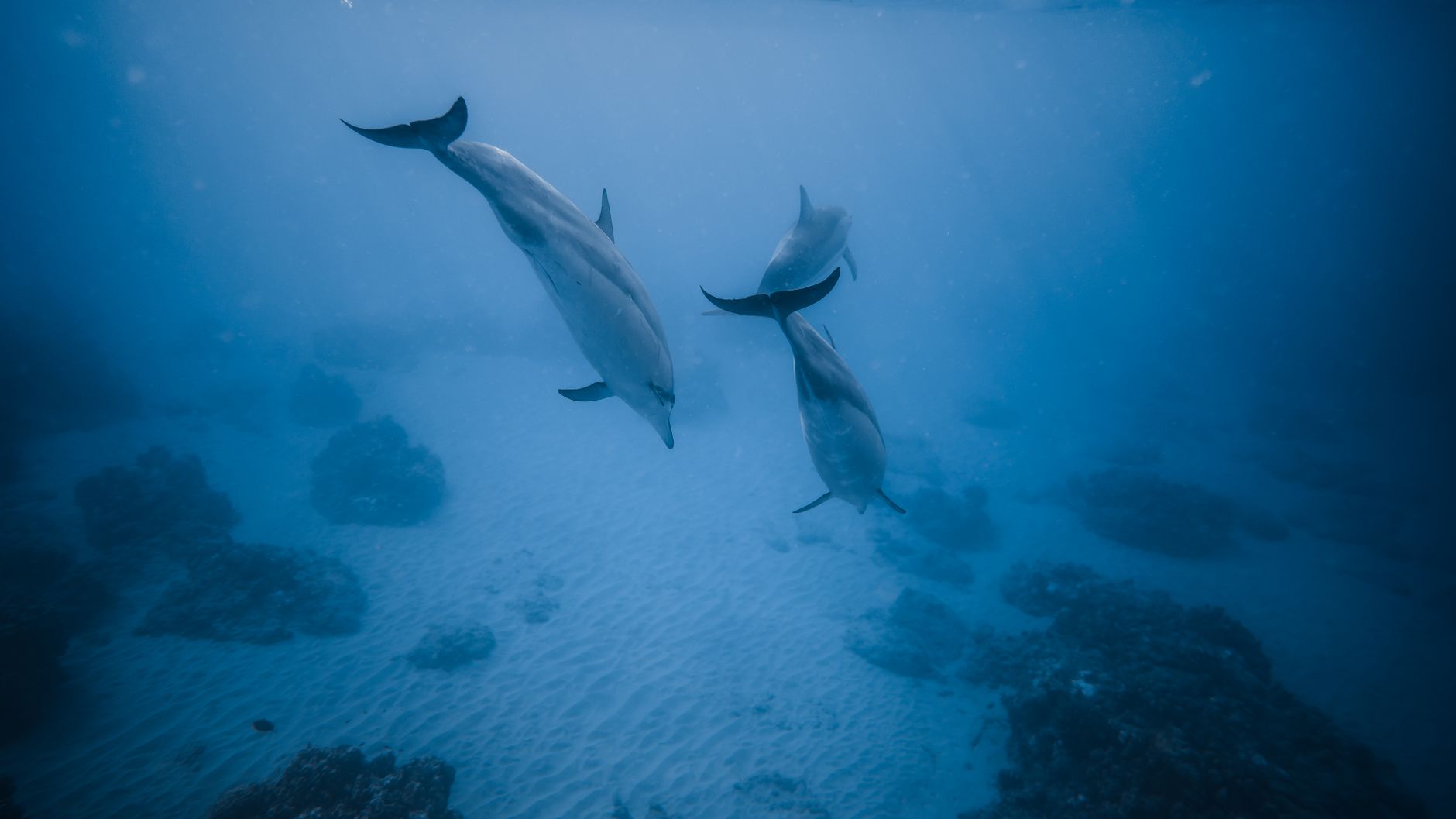
Bycatch, or incidental capture in fishing gear, is arguably the largest threat to dolphin populations worldwide. Dolphins become entangled in nets, lines, and other gear, leading to drowning, injury, or starvation.
- Purse Seine Fishing: Dolphins often associate with tuna schools, leading to their entanglement in purse seine nets targeting tuna.
- Gillnet Fishing: Gillnets, designed to catch fish by their gills, are a major source of dolphin bycatch.
- Longline Fishing: Dolphins can become hooked on longlines baited for tuna, swordfish, and other species.
Estimating the Uncountable: Challenges in Data Collection
Accurately determining How many dolphins are slaughtered each year? is exceptionally difficult. Reliable data is scarce, particularly in areas with illegal or unregulated fishing practices.
- Underreporting: Countries may be hesitant to report accurate bycatch figures due to concerns about international scrutiny and trade restrictions.
- Remote Areas: Monitoring fishing activities in remote oceanic regions is challenging, making it difficult to assess the true extent of dolphin bycatch.
- Carcass Recovery: Many dolphins that die from bycatch sink to the ocean floor, making it impossible to accurately count them.
Conservation Efforts and Mitigation Strategies
Despite the challenges, conservation organizations and governments are working to reduce dolphin mortality through various strategies.
- Dolphin-Safe Tuna Labeling: This initiative aims to ensure that tuna fisheries employ practices that minimize dolphin bycatch.
- Acoustic Deterrent Devices (ADDs): Also known as pingers, ADDs emit sounds that deter dolphins from approaching fishing gear.
- Net Modifications: Modifying fishing nets to reduce entanglement risk, such as using larger mesh sizes or incorporating escape panels, can help mitigate bycatch.
- Marine Protected Areas (MPAs): Establishing MPAs can protect critical dolphin habitats and reduce fishing pressure in vulnerable areas.
- Education and Awareness Campaigns: Raising public awareness about the plight of dolphins and promoting responsible fishing practices are crucial for long-term conservation.
The Future of Dolphin Conservation
The future of dolphin populations depends on continued efforts to address both direct hunting and bycatch. International cooperation, technological innovation, and a commitment to sustainable fishing practices are essential for ensuring the survival of these magnificent creatures. Addressing How many dolphins are slaughtered each year? is only the first step; concerted action is needed to change this tragic reality.
Frequently Asked Questions (FAQs)
What are the main drivers behind dolphin hunts in Taiji, Japan?
The dolphin hunts in Taiji are driven by a combination of factors, including the demand for live dolphins for aquariums and marine parks, as well as the sale of dolphin meat for consumption, although the demand for dolphin meat is decreasing.
How effective are Dolphin-Safe tuna labels in protecting dolphins?
Dolphin-Safe tuna labels have been somewhat effective in reducing dolphin deaths associated with tuna fishing, especially in certain regions. However, critics argue that the labels are not foolproof and that some fishing practices still pose a threat to dolphins, even with the label.
What role does international law play in regulating dolphin hunting?
While there are no specific international laws directly banning dolphin hunting in all contexts, several international agreements and conventions, such as the Convention on International Trade in Endangered Species (CITES), can regulate or restrict the trade of dolphin products and encourage conservation efforts.
Are there any alternatives to dolphin meat as a food source in countries where it is traditionally consumed?
Yes, there are many alternatives. Promoting alternative protein sources, such as fish, poultry, or plant-based proteins, coupled with education about the potential health risks associated with consuming dolphin meat (due to mercury contamination), can help reduce demand.
What is the impact of pollution on dolphin populations?
Pollution, particularly chemical pollutants like PCBs and mercury, can accumulate in dolphins’ bodies, leading to immune system suppression, reproductive problems, and increased susceptibility to disease. This significantly impacts population health and survival.
How can consumers make more informed choices to protect dolphins?
Consumers can support sustainable fisheries by choosing seafood products that are certified by organizations like the Marine Stewardship Council (MSC) or that come from fisheries with low bycatch rates. Avoiding products that contribute to habitat destruction or pollution is also crucial.
What is the role of climate change in dolphin conservation?
Climate change is altering ocean conditions, impacting dolphin habitats and prey availability. Rising sea temperatures, ocean acidification, and changes in ocean currents can all affect dolphin populations, making them more vulnerable to other threats.
How do Acoustic Deterrent Devices (ADDs) work to prevent bycatch?
ADDs emit high-frequency sounds that are designed to deter dolphins from approaching fishing gear. These sounds can be unpleasant or even painful for dolphins, causing them to avoid the area around the gear and reducing the risk of entanglement.
What are some of the ethical arguments against dolphin hunting and captivity?
Ethical arguments against dolphin hunting and captivity often center on the high intelligence and social complexity of dolphins. Many believe that dolphins possess a level of consciousness and sentience that makes it morally wrong to kill or confine them for human purposes.
What is the relationship between dolphin hunting and human health?
Consuming dolphin meat can pose health risks due to high levels of mercury and other toxins that accumulate in dolphins’ bodies. These toxins can cause neurological damage, developmental problems, and other health issues in humans.
How effective are Marine Protected Areas (MPAs) in safeguarding dolphin populations?
MPAs can be effective in protecting dolphins by restricting fishing and other harmful activities in critical habitats. However, the effectiveness of MPAs depends on their size, location, and the level of enforcement.
What organizations are actively working to protect dolphins, and how can I support their efforts?
Many organizations are dedicated to dolphin conservation, including the World Wildlife Fund (WWF), the Marine Conservation Society, and the International Whaling Commission (IWC). You can support their efforts by donating, volunteering, raising awareness, and advocating for stronger conservation policies. Addressing the question of How many dolphins are slaughtered each year? requires ongoing commitment and collaborative action.