

How Many Deer Will a Wolf Eat? Understanding Wolf Predation
The number of deer a wolf eats varies greatly depending on factors like pack size, deer availability, and season. A single wolf might consume the equivalent of between 15 and 30 deer annually, but how many deer will a wolf eat? at a single sitting is usually a much smaller, opportunistic amount.

The Foundation of Wolf Predation: Deer as the Primary Prey
Wolves, Canis lupus, are apex predators, meaning they occupy the top of the food chain in their respective ecosystems. For many wolf populations, particularly in North America and Europe, deer constitute the primary food source. Understanding how many deer will a wolf eat? involves considering several key ecological factors.

What is the GREY African clawed frog?
Is distilled water good for goldfish?
What colours are fish most attracted to?
Can you put your finger in a trout's mouth?
Factors Influencing Deer Consumption by Wolves
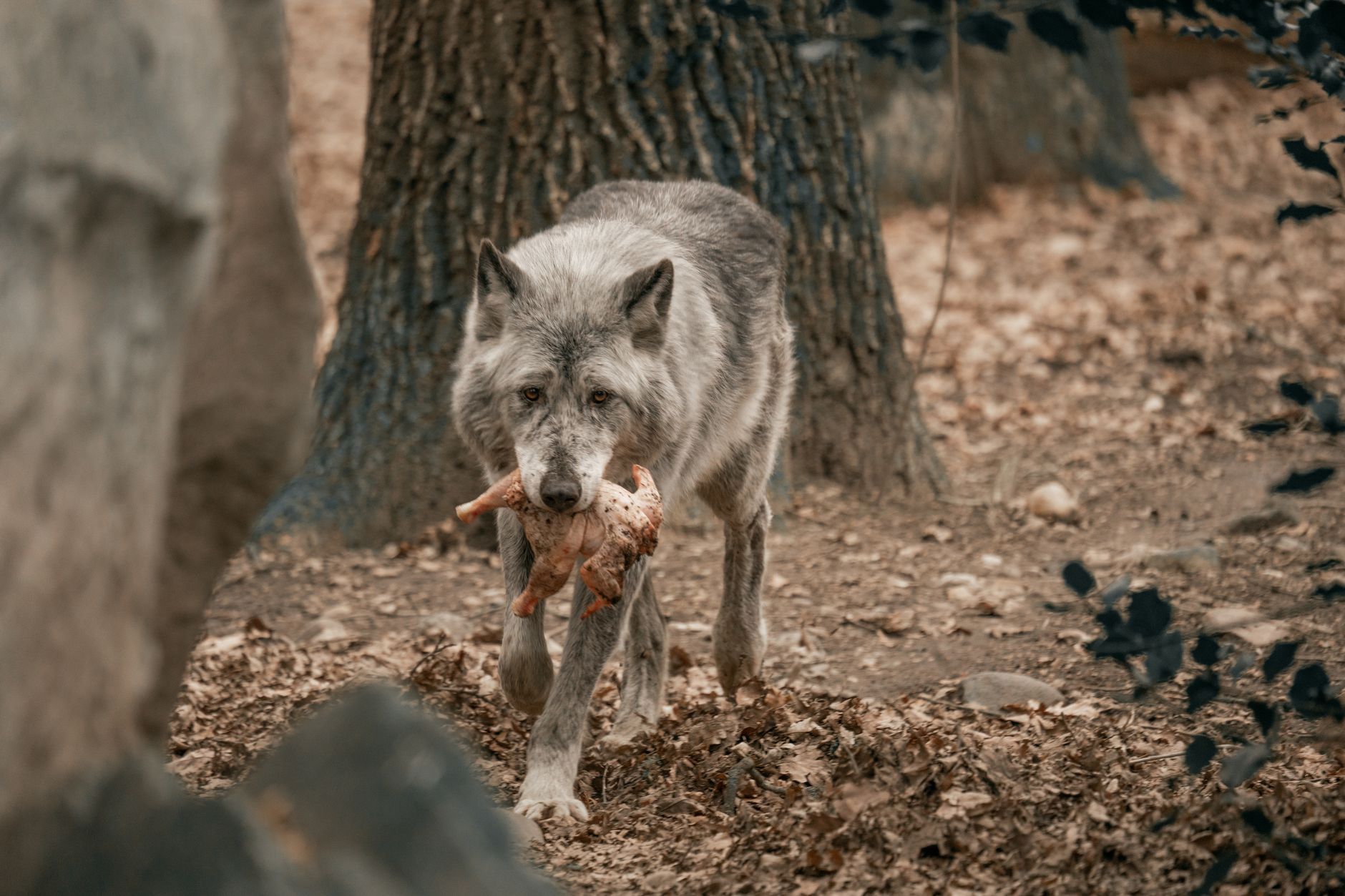
Several variables dictate the frequency and quantity of deer consumed by wolves. These include:
- Wolf Pack Size: Larger packs naturally require more food. A pack of 6-8 wolves will obviously consume more deer than a pair.
- Deer Abundance: Areas with high deer populations will logically support higher wolf consumption rates.
- Seasonal Changes: Winter conditions, with reduced prey mobility and increased energy demands for both wolves and deer, often lead to increased predation rates.
- Age and Health of Deer: Wolves often target weaker, younger, or older deer that are easier to hunt.
- Presence of Alternative Prey: Wolves are opportunistic and may supplement their diet with smaller mammals, birds, or even berries, impacting the number of deer consumed.
- Territorial Boundaries: Wolves defend their territory, and the size and quality of that territory influence access to deer.
The Hunting Process and Consumption Rates
Wolves typically hunt in packs, using coordinated strategies to pursue and take down deer. The success rate of a deer hunt varies, but it is often relatively low, perhaps around 10-20%. When successful, a wolf pack can consume a significant portion of a deer carcass at one feeding, though rarely the entire animal at once.
- The Chase: Wolves will initially test the deer, looking for signs of weakness.
- The Take-Down: Once a vulnerable deer is identified, the pack will work together to bring it down, often targeting the hindquarters.
- Consumption: The most dominant wolves typically feed first, followed by the others in the pack hierarchy.
- Leftovers: Any remaining carcass is often scavenged by other animals, like foxes or ravens.
Estimates suggest that an adult wolf requires around 2-3 kilograms of meat per day on average, which translates to the equivalent of roughly 15-30 deer per year. However, this is an average; actual consumption can vary significantly depending on the factors mentioned above. How many deer will a wolf eat? depends greatly on the specifics of its environment.
Ecological Role of Wolf Predation on Deer Populations
Wolf predation plays a crucial role in maintaining healthy deer populations and overall ecosystem balance.
- Population Control: Wolves help regulate deer populations, preventing overgrazing and damage to vegetation.
- Disease Regulation: By preferentially targeting weaker or diseased animals, wolves can help reduce the spread of disease within deer herds.
- Genetic Improvement: Predation by wolves can drive natural selection, favoring deer with better fitness and survival traits.
- Ecosystem Health: Regulating deer populations helps maintain biodiversity and prevent habitat degradation.
Common Misconceptions About Wolf Predation
It’s important to address common misconceptions about wolves and their impact on deer populations.
- Wolves are indiscriminate killers: Wolves typically target vulnerable deer, helping to maintain the health of the herd.
- Wolves decimate deer populations: While wolves can significantly impact deer populations in localized areas, they rarely eliminate them entirely.
- Wolves are a threat to humans: Wolves are generally wary of humans and pose a minimal risk to human safety.
Impact of Conservation Efforts on Wolf and Deer Populations
Successful wolf conservation efforts have led to the recovery of wolf populations in many areas, which has had a noticeable impact on deer populations and overall ecosystem health. Managing human-wildlife conflict and understanding the complex interactions between wolves, deer, and their environment are crucial for effective conservation strategies.
Frequently Asked Questions About Wolf Predation
How does wolf predation affect the health of deer herds?
Wolf predation helps to maintain the health of deer herds by selectively targeting weaker, older, or diseased individuals. This removes those individuals from the population, which can reduce the spread of disease and improve the overall fitness of the herd. This also leads to stronger and more resilient deer populations.
Can wolves completely eliminate deer populations in an area?
While wolves can significantly reduce deer populations in localized areas, they rarely eliminate them entirely. Deer are highly adaptable and can persist even in the presence of wolf predation. Furthermore, wolves often rely on alternative prey sources, which can help to sustain deer populations. The answer to how many deer will a wolf eat? is related to this – less available, fewer are consumed.
What other animals do wolves eat besides deer?
Wolves are opportunistic predators and will eat a variety of animals, including elk, moose, caribou, bison, small mammals (like rabbits and rodents), birds, and even fish. In some areas, wolves may also scavenge on carrion. Their diet varies depending on the availability of prey and the season.
How do wolves hunt deer in the winter?
Winter conditions can make it more difficult for deer to escape from wolves, as deep snow can impede their movement. Wolves may use their pack hunting skills to tire out deer in deep snow, making them easier to bring down. How many deer will a wolf eat? can increase during winter.
Do wolves ever hunt alone?
While wolves typically hunt in packs, they may also hunt alone, particularly when targeting smaller prey. Lone wolves may also scavenge on carrion or hunt deer that are injured or isolated.
How large is a wolf’s territory?
The size of a wolf’s territory can vary depending on the availability of prey, the size of the pack, and the presence of other wolf packs. Wolf territories can range from 50 to over 1,000 square kilometers.
What role do humans play in wolf-deer interactions?
Human activities, such as habitat destruction, hunting, and livestock grazing, can have a significant impact on wolf-deer interactions. Habitat fragmentation can reduce deer populations and make them more vulnerable to predation. Regulated hunting can also impact deer populations, affecting the availability of prey for wolves.
Are wolves a threat to livestock?
In some areas, wolves may prey on livestock, particularly cattle and sheep. This can lead to conflict between wolves and ranchers. Management strategies, such as livestock guarding dogs and non-lethal deterrents, can help to reduce wolf predation on livestock.
How do wolves benefit ecosystems?
Wolves play a crucial role in maintaining healthy ecosystems by regulating deer populations, promoting biodiversity, and improving habitat quality. Their presence can also have cascading effects on other species in the ecosystem.
What is the relationship between wolf and deer populations?
The relationship between wolf and deer populations is complex and dynamic. Wolf predation can influence deer population size, distribution, and behavior. In turn, deer populations can influence wolf populations, as the availability of deer as prey affects wolf reproduction and survival.
How can I learn more about wolves and deer?
Many resources are available to learn more about wolves and deer, including books, articles, documentaries, and websites. Conservation organizations, such as the Defenders of Wildlife and the National Wildlife Federation, also provide information about wolf and deer ecology and conservation.
Is it possible to have healthy populations of both wolves and deer?
Yes, it is possible to have healthy populations of both wolves and deer. Effective wildlife management strategies, such as habitat conservation, regulated hunting, and conflict mitigation, can help to ensure that both species thrive. Understanding how many deer will a wolf eat? and managing populations accordingly is key.