

How Many Coyotes Take Down a Man?
Attacks on adult humans by coyotes are exceptionally rare, and it’s unlikely even a pack of coyotes could easily take down a healthy adult man; however, extreme circumstances involving an already vulnerable individual or a significantly large and exceptionally bold pack could potentially lead to a fatal encounter.

Understanding Coyote Behavior and Risk
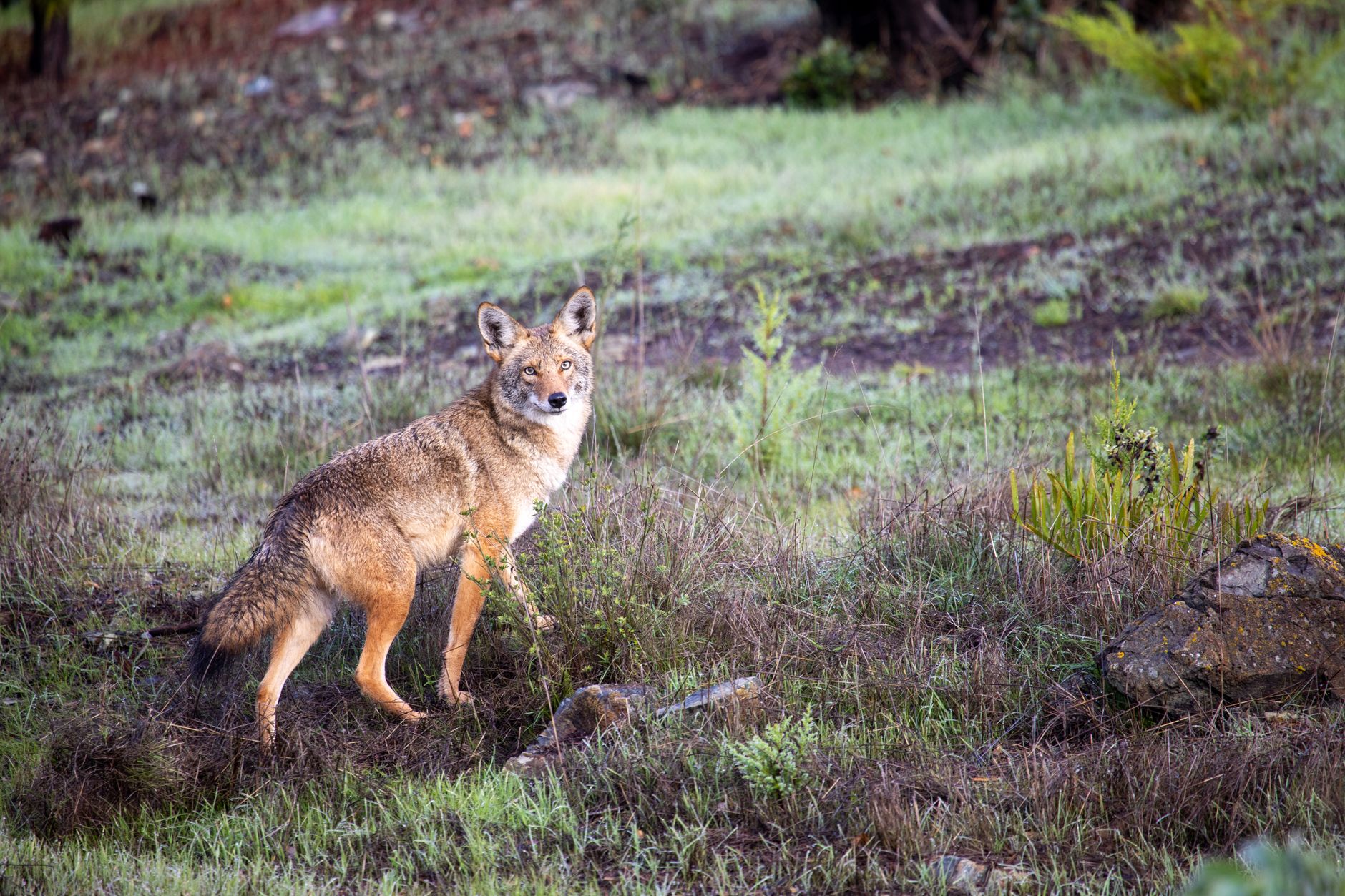
Coyotes ( Canis latrans ) are generally timid animals that prefer to avoid human contact. They are opportunistic omnivores, with their diet consisting mainly of small mammals like rodents, rabbits, and birds. Attacks on humans are rare, but understanding the factors that contribute to such incidents is crucial.

Is distilled water good for goldfish?
What colours are fish most attracted to?
Can you put your finger in a trout's mouth?
Is methylene blue anti bacterial?
The Vulnerability Factor: Beyond Physical Strength
The perceived threat posed by a human varies greatly. A healthy, alert adult presents a different challenge than a child, an elderly person, or someone who is incapacitated. The vulnerability of the individual significantly alters the dynamic.
- Children: Smaller in stature, less aware, and more prone to fear and panic, children are more susceptible to coyote attacks.
- Elderly: Frailty, reduced mobility, and diminished senses can make elderly individuals easier targets.
- Disabled/Impaired: Physical or mental disabilities can significantly increase vulnerability.
- Intoxicated/Unconscious: Individuals under the influence of alcohol or drugs, or those who are unconscious, are particularly vulnerable.
Pack Dynamics and Aggressive Behavior
While a single coyote rarely poses a significant threat to a healthy adult, a pack presents a different scenario. Coyotes are social animals, and pack size can vary depending on food availability and territory size.
- Pack Size: Larger packs can exhibit more aggressive behavior.
- Hunting Strategy: Coyotes are known for their cooperative hunting strategies, which can increase their effectiveness in taking down larger prey.
- Habituation: When coyotes lose their fear of humans through repeated exposure to human food sources, they can become bolder and more likely to approach people.
Environmental Factors and Resource Scarcity
Environmental conditions can also play a role in coyote behavior. During periods of drought or food scarcity, coyotes may become more desperate and more willing to take risks.
- Drought: Reduces the availability of natural prey, forcing coyotes to seek alternative food sources.
- Urbanization: Habitat loss and fragmentation can concentrate coyotes in urban and suburban areas, increasing the potential for human-coyote interactions.
- Artificial Feeding: Intentionally or unintentionally feeding coyotes can lead to habituation and increased aggression.
Historical Incidents and Case Studies
While fatal coyote attacks on adults are extremely rare, there have been documented cases of non-fatal attacks and near-misses. Analyzing these incidents can provide valuable insights into the factors that contribute to such events. These cases are often related to:
- Rabid Coyotes: Coyotes infected with rabies can exhibit extremely aggressive behavior.
- Defensive Mothers: Female coyotes protecting their pups may attack if they perceive a threat.
- Aggressive Habituation: Coyotes that have been repeatedly fed by humans can become aggressively demanding of food.
Prevention and Mitigation Strategies
Preventing coyote attacks requires a multi-faceted approach that includes:
- Eliminating Food Sources: Secure garbage cans, pet food, and other potential food sources.
- Hazing Techniques: Scare coyotes away by making loud noises, throwing objects, or spraying them with water.
- Supervising Children and Pets: Never leave children or small pets unattended in areas where coyotes are present.
- Maintaining a Safe Distance: Avoid approaching or feeding coyotes.
- Educating the Public: Raising awareness about coyote behavior and safety precautions.
| Strategy | Description | Effectiveness |
|---|---|---|
| Secure Garbage | Use tightly sealed bins to prevent access to food scraps. | High |
| Supervise Pets | Keep pets on leashes and indoors at night. | High |
| Hazing | Employ noise and visual deterrents to discourage coyote presence. | Moderate to High |
| Educate Community | Inform residents about coyote behavior and responsible practices. | Moderate |
The Unlikelihood of a Successful Attack: Probability and Realism
How many coyotes take down a man? While hypothetically possible under a confluence of unusual and extreme conditions, it’s crucial to emphasize that the likelihood is exceedingly low. The vast majority of coyote encounters are non-aggressive, and the risk of a fatal attack is statistically negligible. However, awareness and preventative measures are essential to minimize any potential risks. It is far more likely that a single coyote would scavenge a deceased body of a man who died from other causes than to orchestrate his downfall.
Understanding Defensive Measures: What to Do If Confronted
If confronted by a coyote, remain calm and assertive. Back away slowly while making yourself appear large and intimidating. Make loud noises, wave your arms, and throw objects at the coyote. Do not run, as this may trigger its instinct to chase. Carrying pepper spray or an air horn can also be effective deterrents.
Frequently Asked Questions (FAQs)
How common are coyote attacks on humans?
Coyote attacks on humans are extremely rare. They occur far less frequently than attacks by domestic dogs, for example. Most incidents involve minor bites or scratches. Fatal attacks are exceptionally uncommon.
What factors increase the risk of a coyote attack?
Factors that increase the risk include coyotes becoming habituated to humans, the presence of readily available food sources, the vulnerability of the individual, and rabies infection.
Are coyotes more aggressive during certain times of the year?
Coyotes can be more territorial during mating season (January-March) and when they have pups (April-August). They may be more likely to defend their territory or offspring during these periods.
What should I do if I see a coyote in my neighborhood?
If you see a coyote in your neighborhood, do not approach it. Keep a safe distance and observe its behavior. Report any aggressive behavior to your local animal control agency.
Will trapping and relocating coyotes solve the problem?
Trapping and relocating coyotes is generally not an effective solution. It can disrupt pack dynamics and create a vacuum that other coyotes will quickly fill.
Is it illegal to feed coyotes?
In many jurisdictions, it is illegal to intentionally feed coyotes. Feeding coyotes can lead to habituation and increased aggression.
What is the best way to protect my pets from coyotes?
Keep pets on leashes when outdoors, especially at dawn and dusk. Bring pets indoors at night. Secure pet food and water bowls to prevent attracting coyotes. Build a sturdy fence around your yard.
How can I tell if a coyote is rabid?
Signs of rabies in coyotes include unusual aggression, disorientation, excessive salivation, and paralysis. If you suspect a coyote is rabid, contact your local animal control agency immediately.
Are coyotes a protected species?
Coyote protection status varies by state and locality. In some areas, they are considered game animals and can be hunted or trapped. In others, they are protected.
What role do coyotes play in the ecosystem?
Coyotes play an important role in controlling populations of rodents and other small mammals. They also help to maintain the balance of the ecosystem.
Can pepper spray effectively deter a coyote?
Yes, pepper spray can be an effective deterrent against coyotes. Aim for the eyes, nose, and mouth.
How many coyotes would it realistically take down a healthy adult man in a coordinated attack?
While an exact number is difficult to determine, a highly unlikely scenario involving at least four to six exceptionally bold and coordinated coyotes might, under very specific circumstances (such as a compromised human state), be conceivable. How many coyotes take down a man? – the answer remains that it’s a statistically improbable event that hinges on numerous compounding factors.