

How Many Acres Do You Need for 2 Horses?
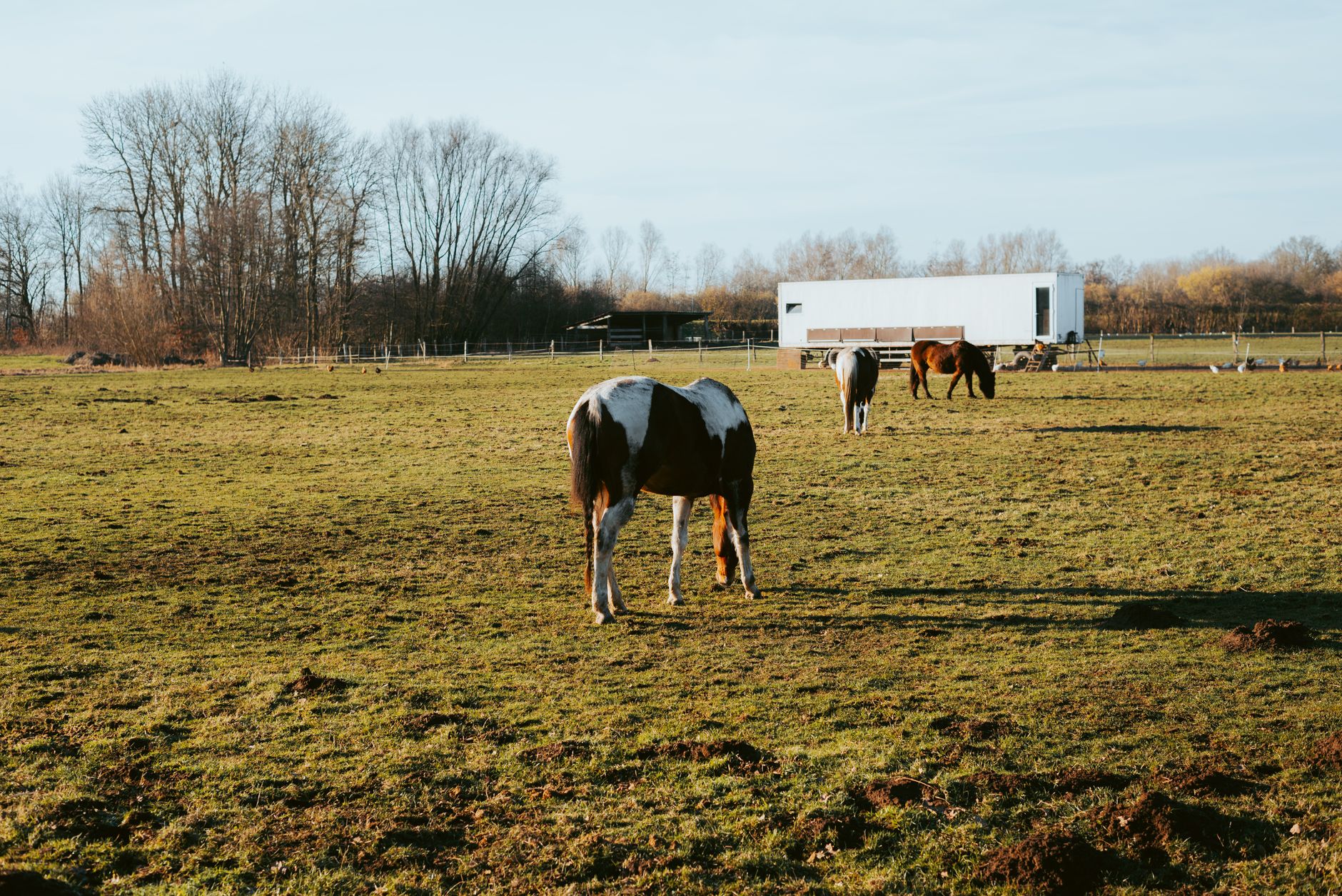
Ideally, you need a minimum of two acres for the first horse and an additional acre for each subsequent horse to ensure adequate grazing and minimize pasture degradation. Ultimately, how many acres do you need for 2 horses? will depend on several factors, including climate, soil quality, pasture management, and supplemental feeding.

The Minimum Acreage Myth: More Than Just Grass
The common “two acres per horse” rule of thumb is a starting point, not a definitive answer. It’s crucial to understand that this figure represents the bare minimum and doesn’t guarantee optimal health or pasture sustainability. Simply providing two acres for each horse doesn’t automatically translate to a thriving environment. We need to look at several critical components.
Is distilled water good for goldfish?
What colours are fish most attracted to?
Can you put your finger in a trout's mouth?
Is methylene blue anti bacterial?
Core Factors Influencing Acreage Requirements

Determining the correct acreage for your horses involves assessing a range of interconnected factors:
- Climate: Arid or semi-arid climates typically require more acreage per horse than temperate or humid regions due to lower pasture production. Drier conditions limit grass growth.
- Soil Quality: Rich, fertile soil supports denser, more nutritious pasture growth, reducing the acreage needed. Poor soil may require fertilization and management strategies to increase productivity.
- Pasture Management: Rotational grazing, fertilization, weed control, and overseeding can significantly enhance pasture productivity, allowing you to support more horses on less land.
- Supplemental Feeding: If you rely heavily on hay or grain, you can reduce the acreage needed for grazing. However, this shifts the responsibility to managing feed storage and ensuring proper nutrition.
- Horse Breed and Size: Larger breeds, such as draft horses, require more forage than smaller breeds or ponies.
- Activity Level: Horses engaged in strenuous work or training will need more calories, influencing their forage needs.
- Housing and Exercise: If horses spend significant time in stalls or paddocks, the pasture acreage required for grazing will be less.
- Water Access: Proximity to a reliable water source is essential.
Sustainable Pasture Management Practices
Effective pasture management is crucial for maximizing productivity and minimizing environmental impact. These practices enable you to potentially support more horses on fewer acres:
- Rotational Grazing: Dividing pastures into smaller paddocks and rotating horses between them allows grass to recover and prevents overgrazing.
- Weed Control: Regularly controlling weeds prevents them from competing with desirable grasses.
- Fertilization: Applying appropriate fertilizers provides essential nutrients for healthy grass growth. Soil testing is recommended before applying fertilizer.
- Overseeding: Introducing new, drought-resistant, or high-yielding grass varieties can improve pasture productivity.
- Manure Management: Regularly removing manure reduces parasite loads and prevents nutrient imbalances in the soil.
- Dragging: Dragging pastures helps to spread manure and break up soil compaction.
- Resting Periods: Allowing pastures to rest and recover during periods of slow growth is essential for long-term sustainability.
Calculating Your Specific Acreage Needs
How many acres do you need for 2 horses? The answer requires a personalized calculation. Consider the following steps:
- Assess your climate and soil quality. Consult with a local agricultural extension agent for soil testing and recommendations.
- Determine your horses’ forage requirements. Estimate their daily dry matter intake based on their size, breed, and activity level (typically 2-3% of their body weight).
- Estimate your pasture’s productivity. Calculate the amount of forage your pasture can produce per acre per year. This is influenced by climate, soil quality, and management practices.
- Calculate the acreage needed. Divide the total forage requirement by the pasture’s productivity to determine the acreage needed for grazing.
- Factor in supplemental feeding. If you plan to supplement with hay or grain, adjust the acreage accordingly.
Signs of Overgrazing and Pasture Degradation
Identifying the signs of overgrazing is crucial for preventing long-term pasture damage. Common indicators include:
- Bare patches of soil
- Short, closely grazed grass
- An abundance of weeds
- Soil erosion
- Increased parasite loads in horses
- Reduced grass growth
Addressing overgrazing promptly is essential for maintaining healthy pastures and ensuring the well-being of your horses.
The Consequences of Insufficient Acreage
Failing to provide adequate acreage can have significant negative consequences for both your horses and your pasture:
- Increased risk of overgrazing and pasture degradation.
- Nutritional deficiencies in horses due to insufficient forage.
- Increased risk of internal parasites.
- Higher feed costs for supplemental hay and grain.
- Soil erosion and water pollution.
- Decreased property value.
- Increased potential for conflicts with neighbors.
Advantages of Ample Acreage
While it may seem like a lot of land, ample acreage provides numerous benefits:
- Healthier, happier horses with access to natural grazing behavior.
- Reduced feed costs due to abundant forage.
- Improved pasture health and sustainability.
- Lower risk of internal parasites.
- Greater peace of mind.
- Potential for other uses, such as hay production or recreation.
Understanding Local Regulations and Restrictions
Before acquiring horses, it is crucial to research local zoning regulations, homeowner association rules, and environmental restrictions that may affect the number of horses you can keep on your property. These regulations can vary significantly depending on your location.
Alternative Land Management Strategies
If you have limited acreage, consider these alternative land management strategies:
- Dry lot: A small, designated area for confinement, allowing pastures to rest and recover.
- Sacrifice area: A smaller paddock where horses can be turned out during wet or muddy conditions to prevent pasture damage.
- Intensive pasture management: Implementing advanced grazing techniques, such as strip grazing, to maximize pasture utilization.
- Agistment: Boarding your horses at a facility with more extensive pastureland.
Long-Term Planning and Flexibility
It’s important to consider your long-term plans when determining how many acres you need for 2 horses. Factors such as potential breeding activities, future expansion of your horse herd, or changes in land use should be taken into account. Maintaining flexibility and adapting your management practices as needed will ensure the long-term health and well-being of your horses and your land.
Frequently Asked Questions (FAQs)
Is the “two acres per horse” rule a hard and fast rule?
No, the “two acres per horse” rule is a guideline, not a strict requirement. The actual acreage needed depends on a variety of factors including climate, soil, pasture management, and supplemental feeding. It is crucial to assess your specific circumstances.
What happens if I don’t have enough acreage?
Insufficient acreage can lead to overgrazing, soil erosion, nutritional deficiencies in your horses, and increased feed costs. It can also increase the risk of parasite infestations and environmental damage.
How can I improve my pasture’s productivity?
You can improve pasture productivity through rotational grazing, fertilization, weed control, overseeding, and proper manure management. Consult with a local agricultural extension agent for specific recommendations.
What is rotational grazing?
Rotational grazing involves dividing your pasture into smaller paddocks and rotating horses between them. This allows grass to recover and prevents overgrazing, improving pasture health.
How important is soil testing?
Soil testing is essential for determining the nutrient content of your soil and identifying any deficiencies. This information can help you select the appropriate fertilizers and management practices to improve pasture productivity.
Can I supplement with hay or grain to reduce acreage needs?
Yes, supplementing with hay or grain can reduce the amount of pasture needed for grazing. However, you need to ensure that your horses are receiving a balanced diet and that you are managing feed storage properly.
What are the signs of overgrazing?
Signs of overgrazing include bare patches of soil, short, closely grazed grass, an abundance of weeds, and soil erosion. Addressing overgrazing promptly is crucial for preventing long-term pasture damage.
How does climate affect acreage needs?
Arid and semi-arid climates typically require more acreage per horse than temperate or humid regions due to lower pasture production. Drier conditions limit grass growth.
What is a dry lot used for?
A dry lot is a small, designated area for confinement, allowing pastures to rest and recover. It’s particularly useful during wet or muddy conditions.
How do I calculate my horse’s daily forage requirement?
Estimate your horse’s daily dry matter intake based on their size, breed, and activity level (typically 2-3% of their body weight).
Are there any local regulations regarding horses and acreage?
Yes, it is crucial to research local zoning regulations, homeowner association rules, and environmental restrictions that may affect the number of horses you can keep on your property.
What are the long-term benefits of having ample acreage for my horses?
Ample acreage leads to healthier, happier horses, reduced feed costs, improved pasture health, lower risk of parasites, and greater peace of mind. It’s an investment in the well-being of your animals and your land.