
How Long Does Mold Take to Grow on Bread?
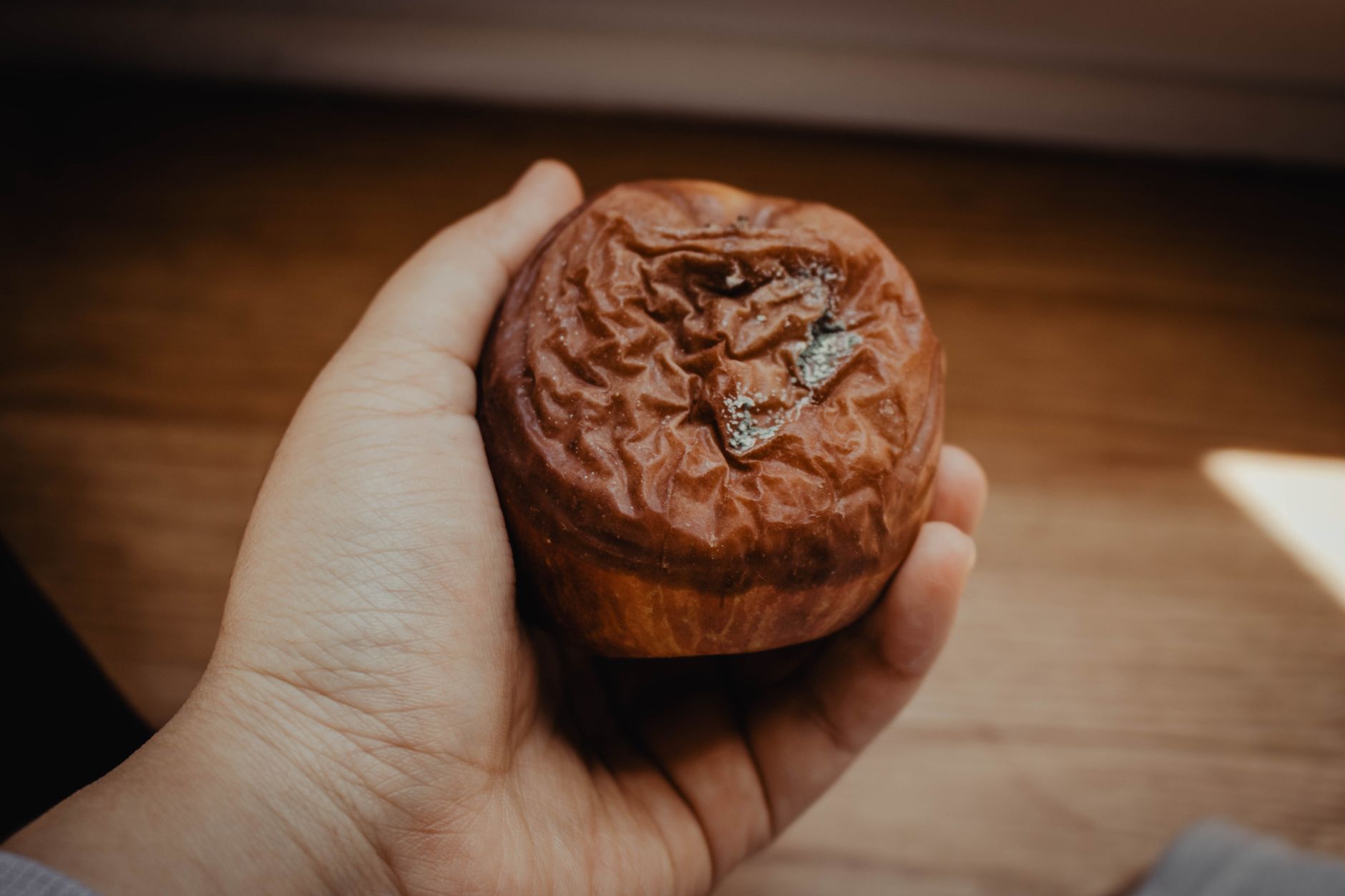
Generally, mold can visibly appear on bread within 5 to 10 days under typical room temperature conditions and sufficient moisture. However, this timeframe can be shorter or longer depending on various factors like humidity, temperature, bread ingredients, and the presence of mold spores.
Understanding Mold Growth on Bread
Mold isn’t just unsightly; it can also be dangerous. While not all molds are toxic, some produce mycotoxins, which can be harmful if ingested. Understanding the factors that influence mold growth on bread is crucial for preventing it and protecting your health.
Factors Influencing Mold Growth
Several factors contribute to how quickly mold grows on bread:
- Temperature: Mold thrives in warmer temperatures. Higher room temperatures accelerate mold growth, while cooler temperatures (refrigeration or freezing) significantly slow it down.
- Humidity: Mold needs moisture to survive and reproduce. High humidity levels provide the ideal environment for mold spores to germinate and spread.
- Bread Ingredients: Some bread ingredients act as preservatives and inhibit mold growth. Breads with high levels of sugar or salt tend to resist mold better than those with lower levels. Also, commercially produced bread often contains preservatives like calcium propionate.
- Mold Spore Availability: The presence and concentration of mold spores in the environment significantly impact the speed of mold growth. A cleaner environment, with fewer circulating spores, will generally result in slower growth.
- Air Circulation: Stagnant air can trap moisture, creating a more conducive environment for mold growth. Proper air circulation helps dry out the bread’s surface, making it less appealing to mold.
- Storage Conditions: The way bread is stored plays a major role. Storing bread in a sealed container can trap moisture, accelerating mold growth. Leaving bread exposed to the air allows it to dry out, potentially slowing the process.
Identifying Mold on Bread
Recognizing mold on bread is usually straightforward. However, knowing what to look for can help you catch it early:
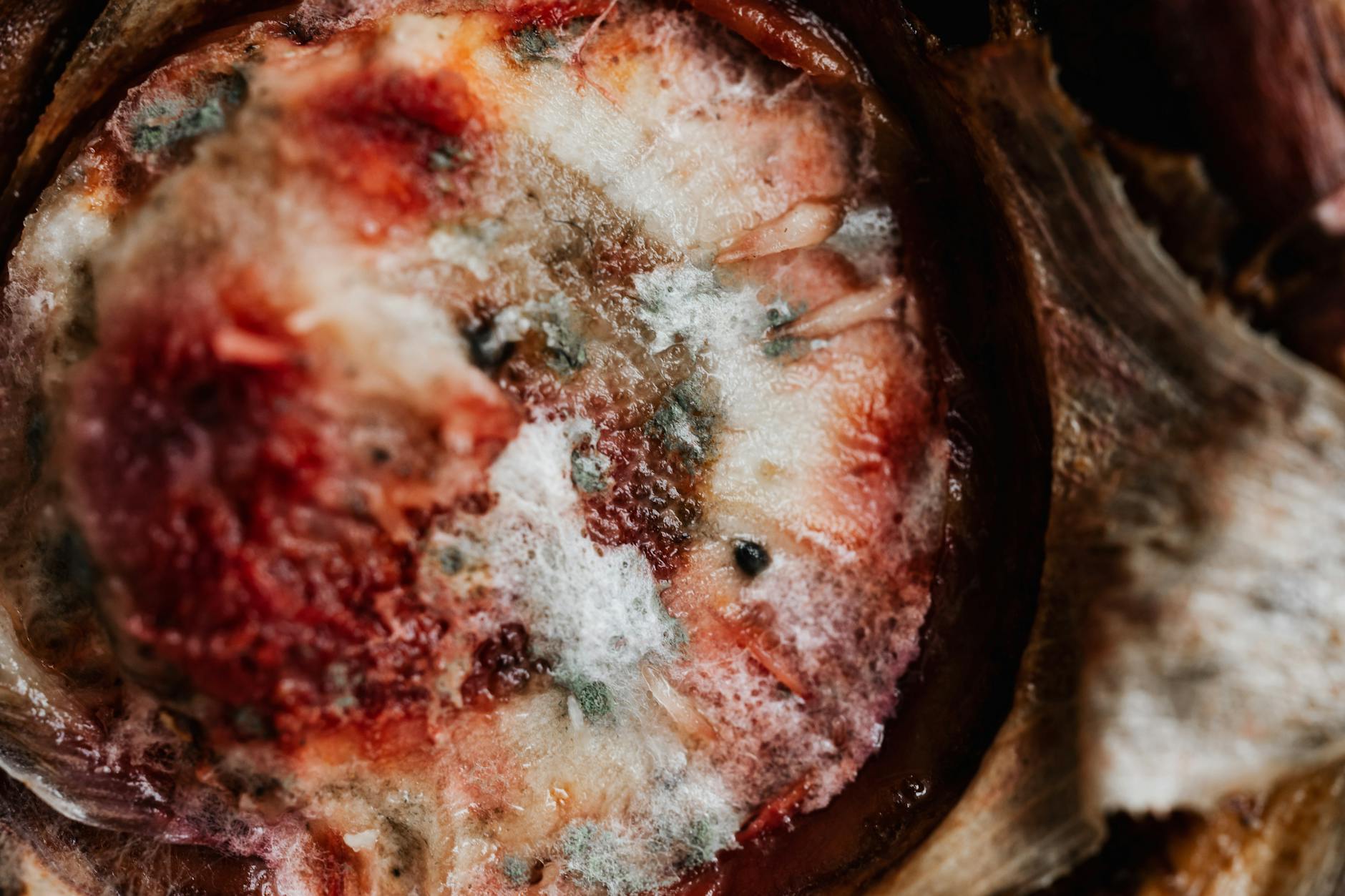
- Visible Growth: The most obvious sign is visible patches of fuzzy growth on the bread’s surface. Mold can appear in various colors, including green, white, gray, black, or even pink.
- Unusual Odor: Moldy bread often has a musty or stale smell. This odor can be faint at first but becomes stronger as the mold grows.
- Texture Changes: The texture of the bread may change, becoming softer or more spongy in areas where mold is present.
- Discoloration: Areas surrounding mold growth may exhibit discoloration, such as dark spots or streaks.
Frequently Asked Questions (FAQs) About Mold on Bread
Here are some frequently asked questions about mold growth on bread, designed to provide comprehensive information and practical advice:

Is distilled water good for goldfish?
What colours are fish most attracted to?
Can you put your finger in a trout's mouth?
Is methylene blue anti bacterial?
1. Is it safe to eat bread if I only see a small spot of mold?
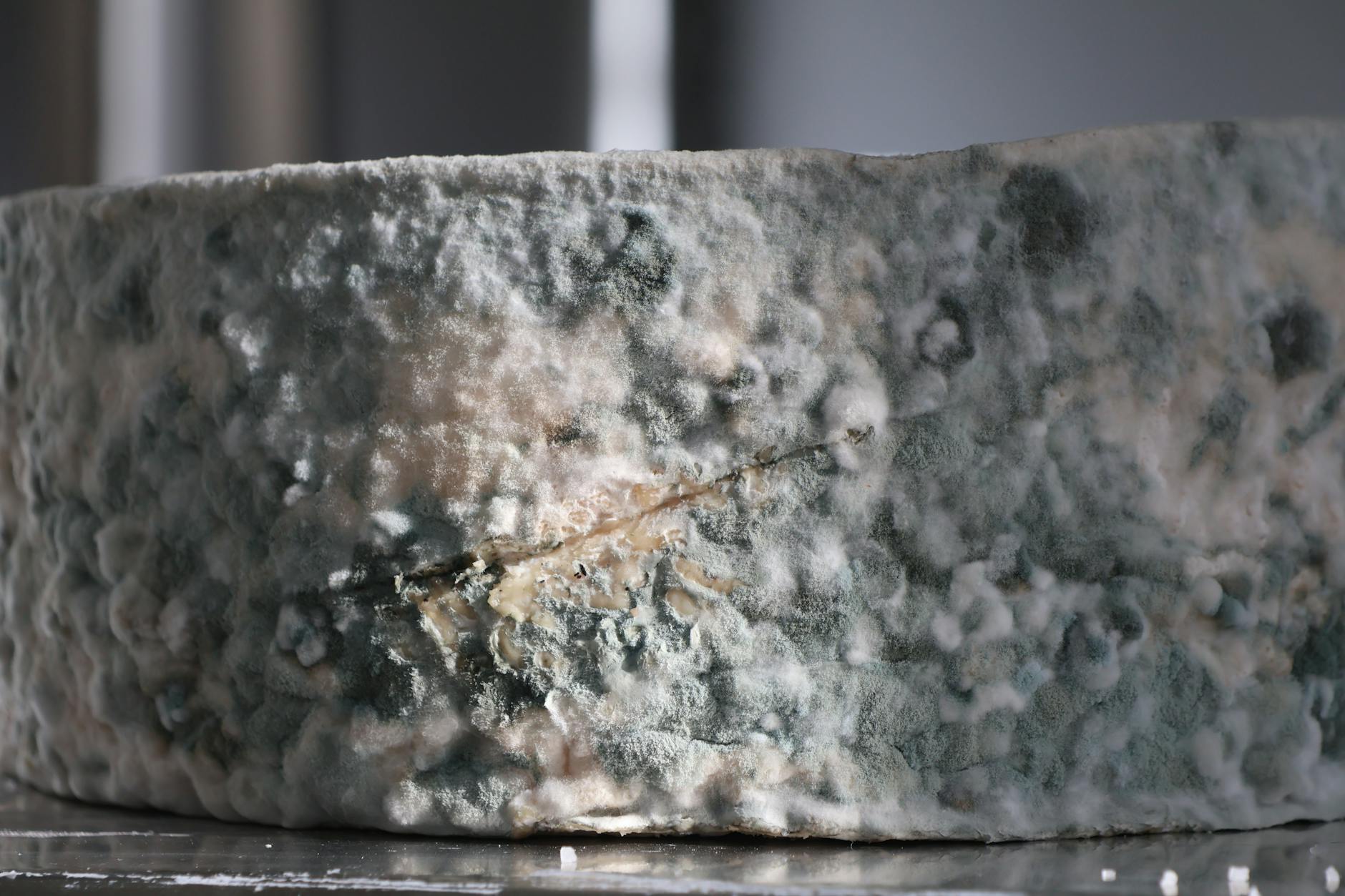
No. While it might be tempting to cut off the moldy part and eat the rest, this is not recommended. Mold spores can spread throughout the bread, even if they are not visible to the naked eye. Mycotoxins, produced by some molds, can also permeate the bread beyond the visible mold. Discard the entire loaf.
2. What kind of mold typically grows on bread?
Several types of mold can grow on bread. Common culprits include Rhizopus, Penicillium, and Aspergillus. Rhizopus is often recognized by its fuzzy, cotton-like appearance and rapid growth. Penicillium is known for its blue-green color, and Aspergillus can come in various colors and forms.
3. Can refrigerating bread prevent mold growth?
Yes, refrigeration slows down mold growth. The lower temperature inhibits the activity of mold spores. However, refrigeration can also dry out bread, so it’s best to store it in an airtight bag or container to maintain moisture while slowing mold development.
4. How effective is freezing bread for preventing mold?
Freezing is very effective at preventing mold growth. At freezing temperatures, mold spores become dormant. While freezing doesn’t kill the mold, it prevents it from growing and spreading. Bread can be stored in the freezer for several months without significant mold development.
5. Does homemade bread mold faster than store-bought bread?
Generally, yes. Homemade bread often lacks the preservatives found in commercially produced bread, making it more susceptible to mold growth. Store-bought bread frequently contains additives like calcium propionate, which inhibit mold development.
6. Are certain types of bread more prone to mold growth than others?
Yes. Whole wheat bread and bread made with natural ingredients tend to mold faster than refined white bread. This is because whole wheat bread contains more nutrients that can support mold growth, and natural ingredients lack preservatives.
7. What are the health risks associated with eating moldy bread?
Eating moldy bread can cause various health problems, depending on the type of mold and the individual’s sensitivity. Some people may experience allergic reactions, such as sneezing, runny nose, or skin rashes. Ingesting bread contaminated with mycotoxins can lead to more severe symptoms, including nausea, vomiting, diarrhea, and in rare cases, liver damage.
8. How can I minimize the chances of mold growing on my bread?
Several strategies can help minimize mold growth:
- Store bread properly: Keep bread in a cool, dry place, ideally in an airtight bag or container.
- Avoid moisture: Prevent moisture buildup by ensuring adequate air circulation and avoiding storing bread near sources of humidity.
- Consume quickly: Eat bread within a few days of purchase or baking.
- Freeze excess bread: Freeze any bread that you won’t consume within a short period.
- Clean your bread box regularly: Remove crumbs and wipe down the bread box to prevent mold spores from accumulating.
9. What should I do if I accidentally ate moldy bread?
If you accidentally ate a small amount of moldy bread, monitor yourself for any adverse symptoms. Mild symptoms like nausea or upset stomach are common and usually resolve on their own. If you experience more severe symptoms, such as vomiting, diarrhea, or difficulty breathing, seek medical attention.
10. Is it possible to kill mold on bread by baking or toasting it?
While baking or toasting might kill some mold spores on the surface of the bread, it will not eliminate the mycotoxins that may have already permeated the bread. Therefore, it’s not safe to consume bread that has already shown signs of mold.
11. Does adding more sugar or salt to bread recipe help to prevent mold?
Yes, adding more sugar or salt can help inhibit mold growth to some extent. Both sugar and salt draw moisture away from the bread, making it a less hospitable environment for mold spores. However, excessive amounts can affect the bread’s taste and texture.
12. Can I use vinegar to clean my bread box to prevent mold growth?
Yes, vinegar is an effective natural cleaner that can help prevent mold growth in your bread box. Vinegar’s acidity kills many types of mold spores. Regularly wiping down your bread box with a diluted vinegar solution can help maintain a mold-free environment. Be sure to let the bread box dry completely before storing bread inside.
By understanding the factors that influence mold growth and following these preventative measures, you can help keep your bread fresh and safe to eat. Always err on the side of caution and discard any bread that shows signs of mold. Your health is worth it.