

How Long Does It Take For Pet Allergies to Subside?
The timeframe for pet allergies to resolve varies greatly depending on individual factors and management strategies, but generally speaking, complete and lasting elimination of symptoms is uncommon without intervention, and even with intervention, it can take months or even years to see significant improvement. How long does it take for pet allergies to go away? often depends on whether you remove the pet from your home or pursue allergy treatments.

Understanding Pet Allergies: A Deeper Dive
Pet allergies are a common affliction, triggered by proteins found in an animal’s dander (dead skin flakes), saliva, urine, and even sweat. These allergens can become airborne and easily inhaled, leading to a range of uncomfortable symptoms.

What is the GREY African clawed frog?
Is distilled water good for goldfish?
What colours are fish most attracted to?
Can you put your finger in a trout's mouth?
The Science Behind the Sniffles
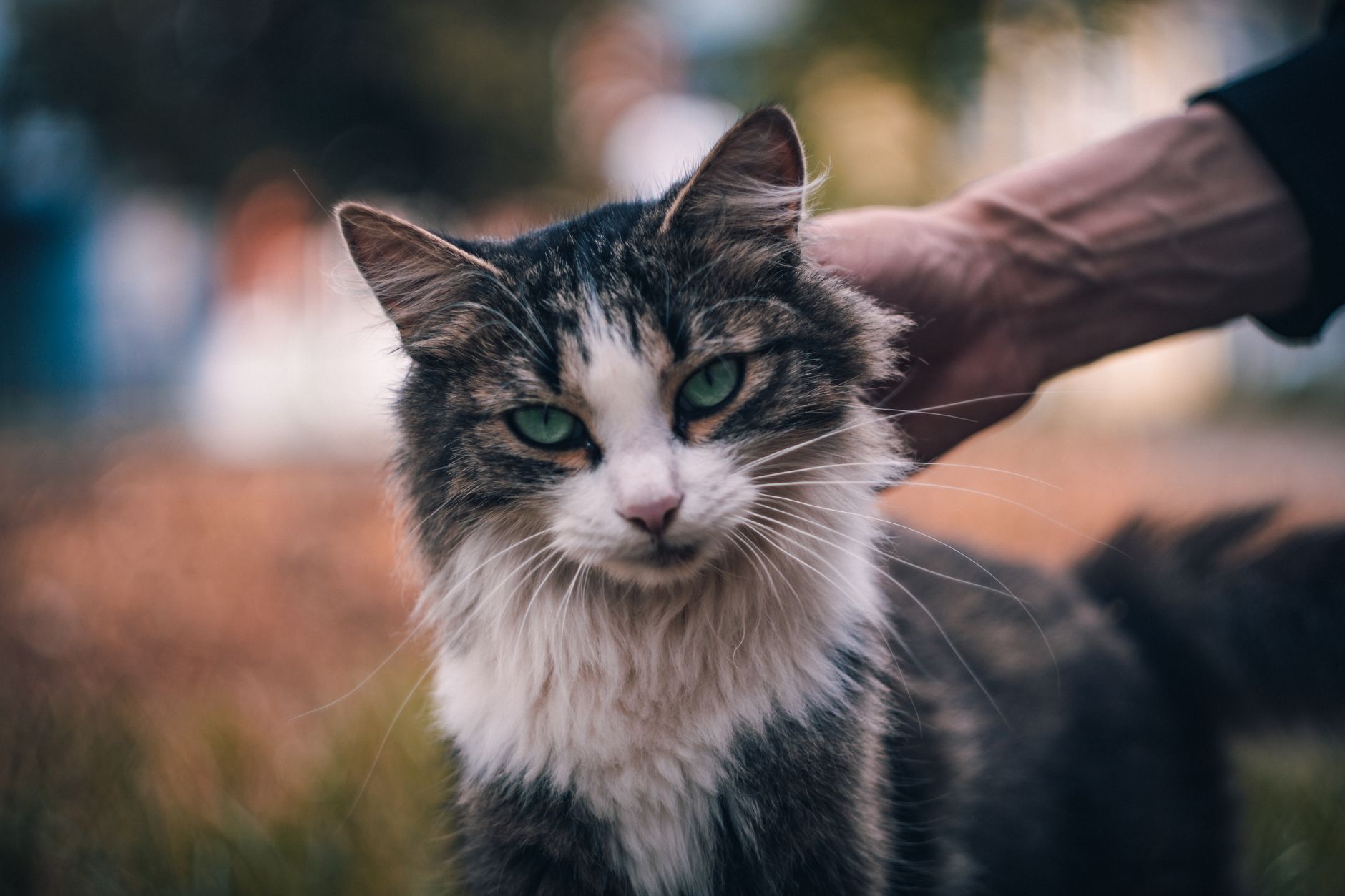
- The allergic reaction is initiated when the immune system mistakenly identifies these harmless proteins as threats.
- This triggers the release of histamines and other chemicals, causing inflammation in the nasal passages, airways, and skin.
- The severity of the reaction varies based on individual sensitivity and the level of exposure.
Factors Influencing Allergy Duration
Several factors determine how long does it take for pet allergies to go away?:
- Severity of Allergy: Mild allergies may subside relatively quickly with minimal exposure, while severe allergies can persist for much longer.
- Exposure Level: Continuous exposure to the allergen will perpetuate the symptoms. Reducing or eliminating contact with the pet is crucial.
- Individual Immune Response: Each person’s immune system reacts differently, influencing the speed and effectiveness of allergy treatments.
- Underlying Conditions: Pre-existing respiratory conditions like asthma can exacerbate pet allergy symptoms and prolong their duration.
- Treatment Strategies: The choice of treatment, whether it’s allergy medications, immunotherapy (allergy shots), or environmental control measures, significantly impacts the allergy timeline.
Treatment Options and Their Impact
The duration of pet allergy symptoms is directly influenced by the chosen treatment plan.
- Allergen Avoidance: Removing the pet from the home is the most effective way to eliminate symptoms, although trace allergens can remain for weeks or months.
- Medications: Antihistamines, decongestants, and corticosteroids can provide temporary relief from symptoms but do not address the underlying allergy.
- Immunotherapy (Allergy Shots): This involves gradual exposure to increasing doses of the allergen, aiming to desensitize the immune system. Immunotherapy can take 3-5 years to achieve optimal results and provide lasting relief.
- Environmental Control Measures: Frequent cleaning, air purifiers with HEPA filters, and restricting the pet’s access to certain areas of the house can help reduce allergen levels and alleviate symptoms. These measures manage but do not necessarily eliminate allergies.
Common Misconceptions About Pet Allergy Duration
A common misconception is that pet allergies simply disappear over time, even with continued exposure. While some individuals might experience a slight reduction in sensitivity, complete and spontaneous resolution is rare. Another misconception is that short-haired pets are less allergenic; however, the allergen is not solely dependent on hair length.
The Waiting Game: Realistic Expectations
It’s crucial to have realistic expectations when managing pet allergies.
- Initial Improvement: With allergen avoidance and medication, some symptom relief may be noticed within days or weeks.
- Long-Term Management: Immunotherapy requires a significant time commitment and may not completely eliminate allergies in all cases.
- Relapse: Even with successful treatment, symptoms can return with re-exposure to the allergen.
Strategies for Managing Pet Allergies Effectively
Effectively managing pet allergies requires a multi-faceted approach.
- Identify the Allergen: Confirm that pet dander is indeed the culprit through allergy testing.
- Minimize Exposure: Implement strict cleaning protocols, use air purifiers, and create pet-free zones.
- Consult an Allergist: Seek professional advice to develop a personalized treatment plan.
- Be Patient: The process of managing and potentially reducing pet allergies takes time and commitment.
Choosing the Right Approach for You
The best approach for managing pet allergies depends on individual circumstances, including the severity of the allergy, the desire to keep the pet, and the willingness to commit to long-term treatment. Weigh the pros and cons of each option carefully before making a decision. Understanding how long does it take for pet allergies to go away can also help you choose a path that is aligned with your lifestyle and needs.
Table: Comparing Pet Allergy Treatment Options
| Treatment | Description | Time to Effect | Potential for Lasting Relief | Considerations |
|---|---|---|---|---|
| Allergen Avoidance | Removing the pet from the home. | Days to weeks (for initial symptom improvement) | High | May be emotionally difficult; residual allergens can persist. |
| Medications | Antihistamines, decongestants, corticosteroids. | Hours (for temporary symptom relief) | Low | Side effects possible; only manages symptoms. |
| Immunotherapy | Gradual exposure to allergens via injections. | Months to years (for significant symptom improvement) | Moderate to High | Requires long-term commitment; may not be effective for everyone. |
| Environmental Control | Frequent cleaning, air purifiers, pet-free zones. | Weeks (for gradual symptom improvement) | Low to Moderate | Requires consistent effort; may not eliminate allergies completely. |
Frequently Asked Questions (FAQs)
What happens if I ignore my pet allergies?
Ignoring pet allergies can lead to chronic inflammation of the airways, potentially worsening asthma or increasing the risk of respiratory infections like sinusitis or bronchitis. Additionally, ongoing exposure can exacerbate skin conditions like eczema and result in chronic discomfort and a diminished quality of life.
Can I become immune to my pet over time?
While some people may experience a slight reduction in allergy symptoms over time, true immunity to a pet is rare. The more likely scenario is that you have simply adjusted your lifestyle in a way that reduces exposure (e.g., less direct contact). How long does it take for pet allergies to go away? is a question without a single answer, but for most people, allergies do not simply disappear without some sort of intervention.
Is it possible to develop pet allergies later in life?
Yes, it is indeed possible to develop pet allergies later in life. Your immune system can change over time, making you more susceptible to allergies that you previously did not have. This can be due to various factors, including environmental changes, illness, or hormonal shifts.
Are some dog breeds truly hypoallergenic?
The term “hypoallergenic” is misleading. While some dog breeds produce less dander than others, no dog breed is completely allergen-free. These breeds might trigger fewer symptoms in some individuals, but they can still cause allergic reactions.
What are the most common symptoms of pet allergies?
The most common symptoms of pet allergies include sneezing, runny nose, itchy eyes, congestion, coughing, wheezing, and skin rashes or hives. These symptoms can range from mild to severe and can significantly impact daily life.
How can I confirm if my pet is causing my allergies?
The best way to confirm a pet allergy is through allergy testing, which can be performed by an allergist using a skin prick test or a blood test. These tests can identify specific allergens to which you are sensitive.
What air purifier is best for pet allergies?
Air purifiers with HEPA (High-Efficiency Particulate Air) filters are most effective at removing pet dander and other allergens from the air. Look for models with activated carbon filters to also help remove odors.
Can frequent bathing of my pet reduce allergies?
Regular bathing (once or twice a week) can help reduce the amount of dander your pet sheds, but over-bathing can dry out their skin and exacerbate dander production. Use a hypoallergenic shampoo recommended by your veterinarian.
Are there medications I can take to manage pet allergies?
Yes, several medications can help manage pet allergy symptoms, including antihistamines, decongestants, nasal corticosteroids, and allergy eye drops. These medications provide temporary relief but do not address the underlying allergy. Consult with your doctor to determine the best medication for you.
What is immunotherapy, and is it effective for pet allergies?
Immunotherapy, also known as allergy shots, involves gradually exposing you to increasing doses of the allergen over time to desensitize your immune system. It can be effective for pet allergies but requires a long-term commitment (3-5 years) and may not work for everyone.
Is there any way to prevent pet allergies from developing in children?
There’s no guaranteed way to prevent pet allergies. Early exposure to pets may decrease the risk of developing allergies, but the evidence is still inconclusive. Maintaining a clean home environment and avoiding smoke exposure are generally beneficial for overall respiratory health.
If I have pet allergies, can I ever own a pet?
It depends on the severity of your allergy and your willingness to manage it. If you are determined to own a pet, consider breeds known to produce less dander, implement strict allergen control measures, and work closely with an allergist to manage your symptoms. Remember that commitment is key. Knowing how long does it take for pet allergies to go away can also give you a realistic timeframe to manage your condition and live comfortably with your pet.