
How Long Does It Take for a Robin to Hatch and Leave the Nest? A Complete Guide
The timeline for a Robin, specifically the American Robin (Turdus migratorius), to go from egg to fledgling is remarkably consistent: typically, it takes about two weeks for the eggs to hatch, and then another two weeks for the chicks to leave the nest.
Understanding the Robin Life Cycle: From Egg to Independence
The life cycle of a robin is a fascinating journey, packed with parental care, rapid growth, and inherent risks. To understand how long does it take for a Robin to hatch and leave the nest?, we need to break down each stage of development.

Is distilled water good for goldfish?
What colours are fish most attracted to?
Can you put your finger in a trout's mouth?
Is methylene blue anti bacterial?
The Nest Building Phase

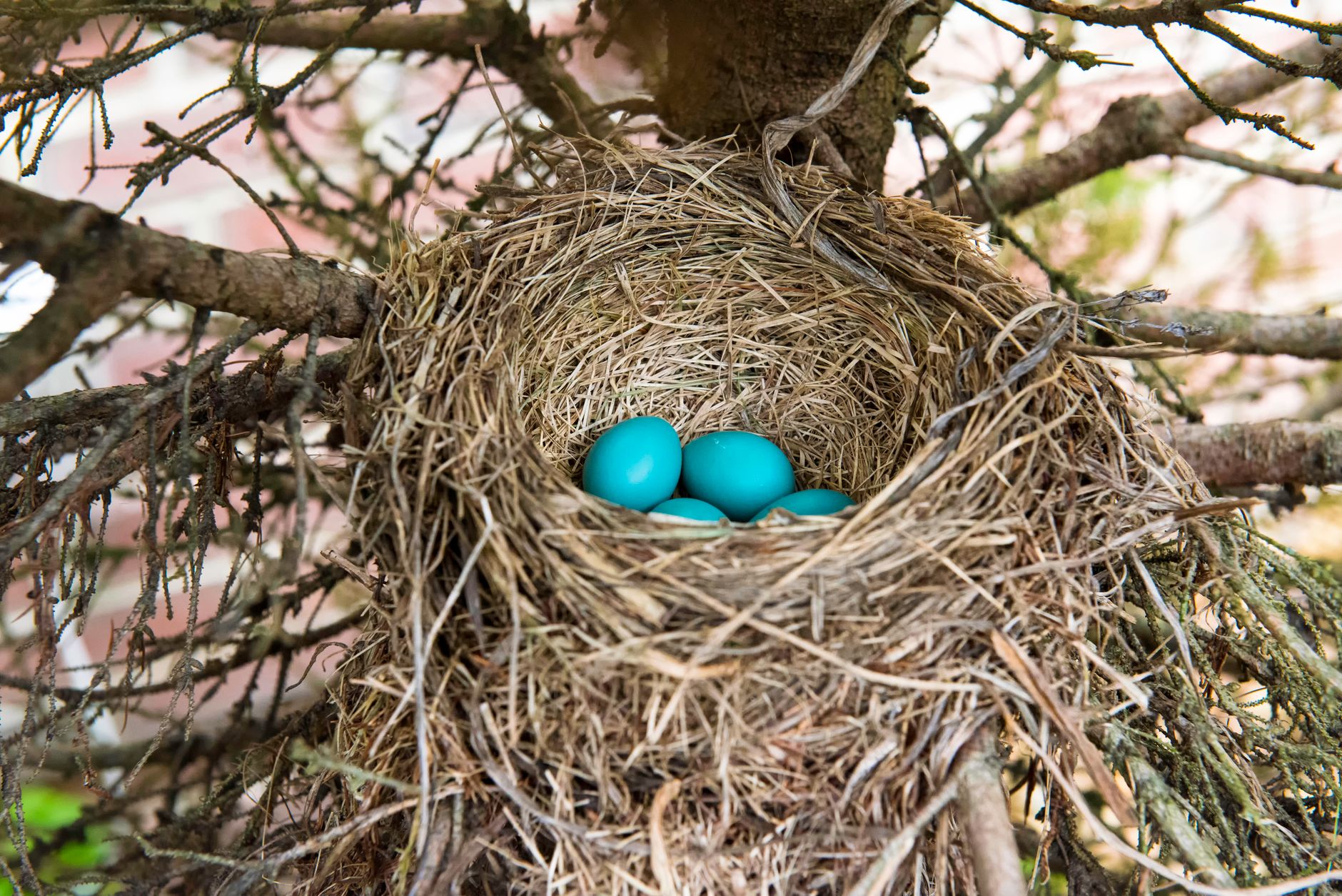
Before eggs can even be laid, robins invest considerable time and energy in constructing their nests. This task usually falls primarily to the female, although the male may assist by bringing materials. The nest is typically a sturdy cup-shaped structure made of twigs, mud, and grass, and it’s often lined with softer materials like feathers and animal hair for insulation and comfort. The nest-building process usually takes several days, often a week or more. Nest location is chosen strategically, often in a tree or shrub providing good cover and protection from predators.
Egg Laying and Incubation
Once the nest is complete, the female robin begins laying her eggs. She typically lays one egg per day until she has a clutch of three to five eggs. The eggs are a distinctive blue-green color, often referred to as “robin’s-egg blue.” Once all the eggs are laid, the incubation period begins. Incubation, primarily the responsibility of the female robin, usually lasts for approximately 12 to 14 days. During this time, she sits on the eggs almost constantly, keeping them warm and at a consistent temperature for proper development.
The Hatching Process
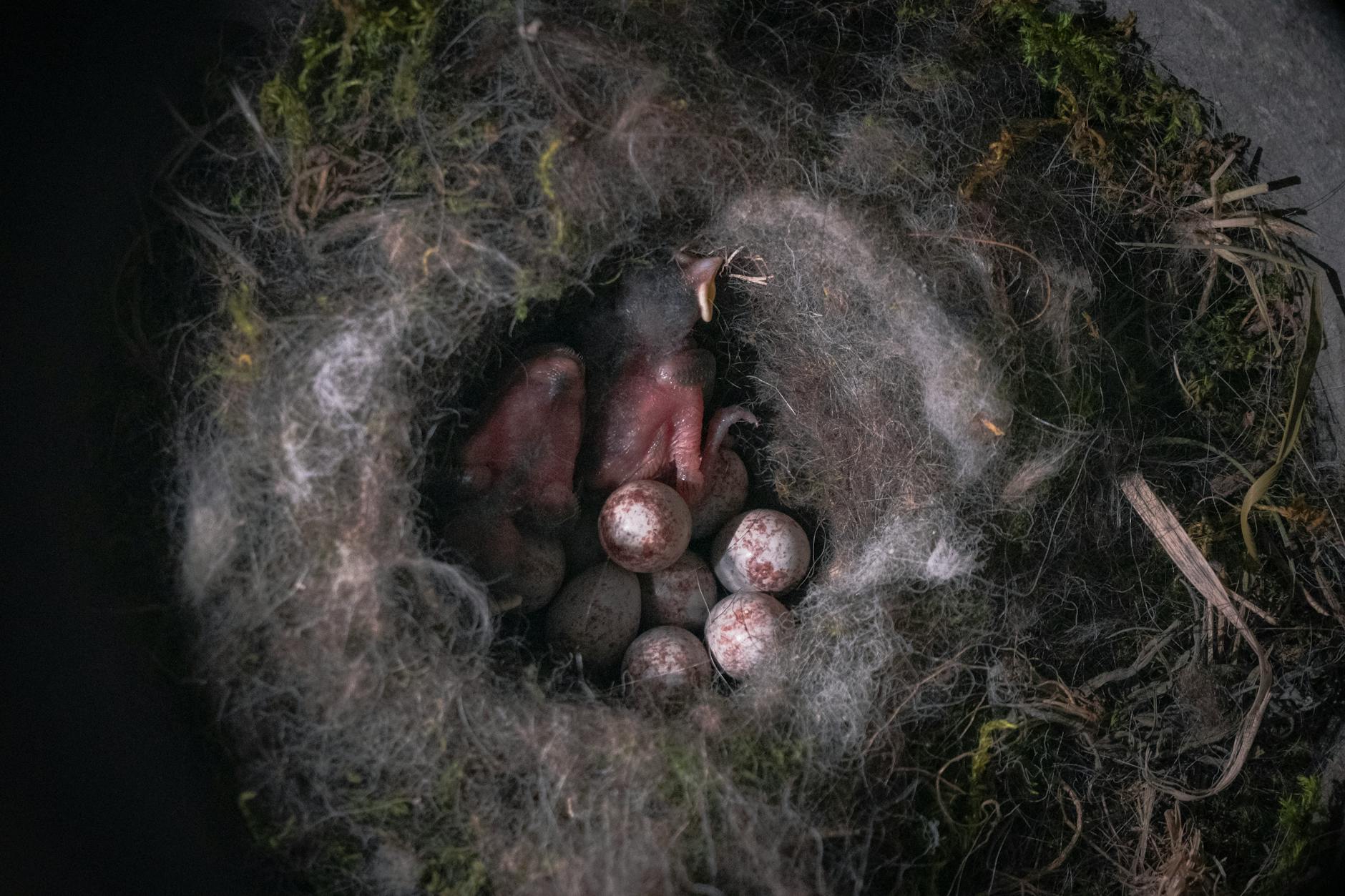
After the incubation period, the baby robins begin to hatch. This process can take several hours per egg. Baby robins are altricial, meaning they are born helpless, naked (without feathers), and with their eyes closed. They are completely dependent on their parents for warmth, food, and protection.
Nestling Stage: Growth and Development
The period between hatching and leaving the nest is known as the nestling stage. During this time, the baby robins grow rapidly. Both parents are actively involved in feeding the chicks, bringing them a constant supply of insects, worms, and berries. They also keep the nest clean by removing fecal sacs. The nestlings develop feathers quickly and their eyes open after a few days. This rapid growth requires an enormous amount of food.
Fledging: Leaving the Nest
After about 13 to 15 days, the young robins are ready to fledge, or leave the nest. Fledglings are not yet fully independent and are not able to fly well. They will hop around on the ground or in low branches, still dependent on their parents for food and protection. The parents will continue to feed the fledglings for several weeks while they learn to forage for themselves.
Post-Fledging Independence
Even after fledging, the young robins are still learning essential survival skills. They need to learn how to find food, avoid predators, and navigate their environment. The parents will continue to guide and protect them until they are fully independent, which usually takes a few weeks.
Factors Affecting Hatching and Fledging Times
While the typical timeline for robin development is generally consistent, several factors can influence how long does it take for a Robin to hatch and leave the nest?.
- Climate: Temperature and weather conditions can affect incubation times. Colder temperatures may slightly extend the incubation period.
- Food Availability: If food is scarce, the parents may have difficulty providing enough nourishment for the chicks, potentially slowing down their growth.
- Predation: The presence of predators can disrupt the nesting process. Disturbance can lead to nest abandonment or loss of eggs or chicks.
- Nest Location: Nests located in exposed areas may be more vulnerable to extreme weather, impacting incubation and chick survival.
- Parental Experience: Experienced robin parents may be more efficient at nest building, incubation, and feeding, potentially leading to faster development.
Comparing Robin Development to Other Birds
| Feature | American Robin | Sparrow | Eagle |
|---|---|---|---|
| Incubation Time | 12-14 days | 10-14 days | 35-45 days |
| Nestling Period | 13-15 days | 10-14 days | 70-90 days |
| Clutch Size | 3-5 eggs | 3-5 eggs | 1-3 eggs |
| Dependence | Several weeks | Several weeks | Several weeks |
Frequently Asked Questions About Robin Development
How many broods do robins typically have in a year?
Robins commonly have two to three broods per nesting season, which generally runs from spring to summer. A longer season and sufficient food supply can encourage multiple broods.
What do baby robins eat?
Baby robins primarily eat invertebrates, especially earthworms and insects. Their parents diligently search for and deliver these high-protein foods to support the chicks’ rapid growth. As they get older, berries and other soft fruits may be introduced to their diet.
How can I help robins in my yard?
You can help robins by providing a source of fresh water, planting native shrubs and trees that offer nesting sites and food sources (berries), and avoiding the use of pesticides, which can harm the birds and their food supply.
What happens if a baby robin falls out of the nest?
If the baby robin is feathered and hopping around (a fledgling), it’s best to leave it alone and observe from a distance. The parents are likely still caring for it. If it’s a nestling (unfeathered) and seems injured, contact a local wildlife rehabilitator.
How long do robins live?
The average lifespan of a robin in the wild is about two years, although some individuals can live much longer, up to 14 years or more.
Are robins protected by law?
Yes, American robins are protected under the Migratory Bird Treaty Act, which makes it illegal to harm, harass, or kill them, or to destroy their nests or eggs.
What are some common predators of robins?
Common predators of robins include cats, hawks, snakes, squirrels, and raccoons. These predators may target eggs, nestlings, or adult birds.
Why do robins build nests in the same spot year after year?
Robins may return to the same general area to nest if they have successfully raised young there in the past. However, they typically build a new nest each year rather than reusing an old one.
How can I tell if a robin’s nest is active?
You can tell if a nest is active by observing the parents. Look for signs of them bringing food to the nest, sitting on the eggs, or defending the nest from intruders.
What should I do if I find an abandoned robin’s nest with eggs?
If you find an abandoned nest with eggs, it’s unlikely that the eggs will hatch successfully without the parents’ care. It’s generally best to leave the nest undisturbed.
Do male robins help incubate the eggs?
While the female robin does the vast majority of the incubation, the male may occasionally take a short turn on the nest, particularly when the female leaves to feed. However, his primary role is to provide food and protect the nesting territory.
When is robin nesting season?
Robin nesting season typically begins in early spring and continues through the summer months, generally from April to August in many parts of North America. The exact timing can vary depending on the geographic location and weather conditions.