

How Long Do Butterfly Fish Live?: Unveiling Their Lifespan and Factors Influencing Longevity
The lifespan of a butterfly fish varies greatly depending on the species and environmental factors, but generally, they can live for 5 to 10 years in the wild, and sometimes longer in well-maintained aquarium environments.

Introduction to the Butterfly Fish: A Kaleidoscope of the Reef
Butterfly fish, with their vibrant colors and intricate patterns, are jewels of the coral reef. These captivating creatures belong to the Chaetodontidae family, a group comprising over 120 distinct species. Known for their graceful movements and distinctive beak-like mouths, they play an essential role in the delicate ecosystem of their coral reef habitats. Their presence is often an indicator of reef health, as they are sensitive to changes in water quality and the availability of their preferred food sources. How long does a butterfly fish live? The answer is complex, influenced by a variety of factors from genetics to environmental conditions.
Factors Influencing Butterfly Fish Lifespan
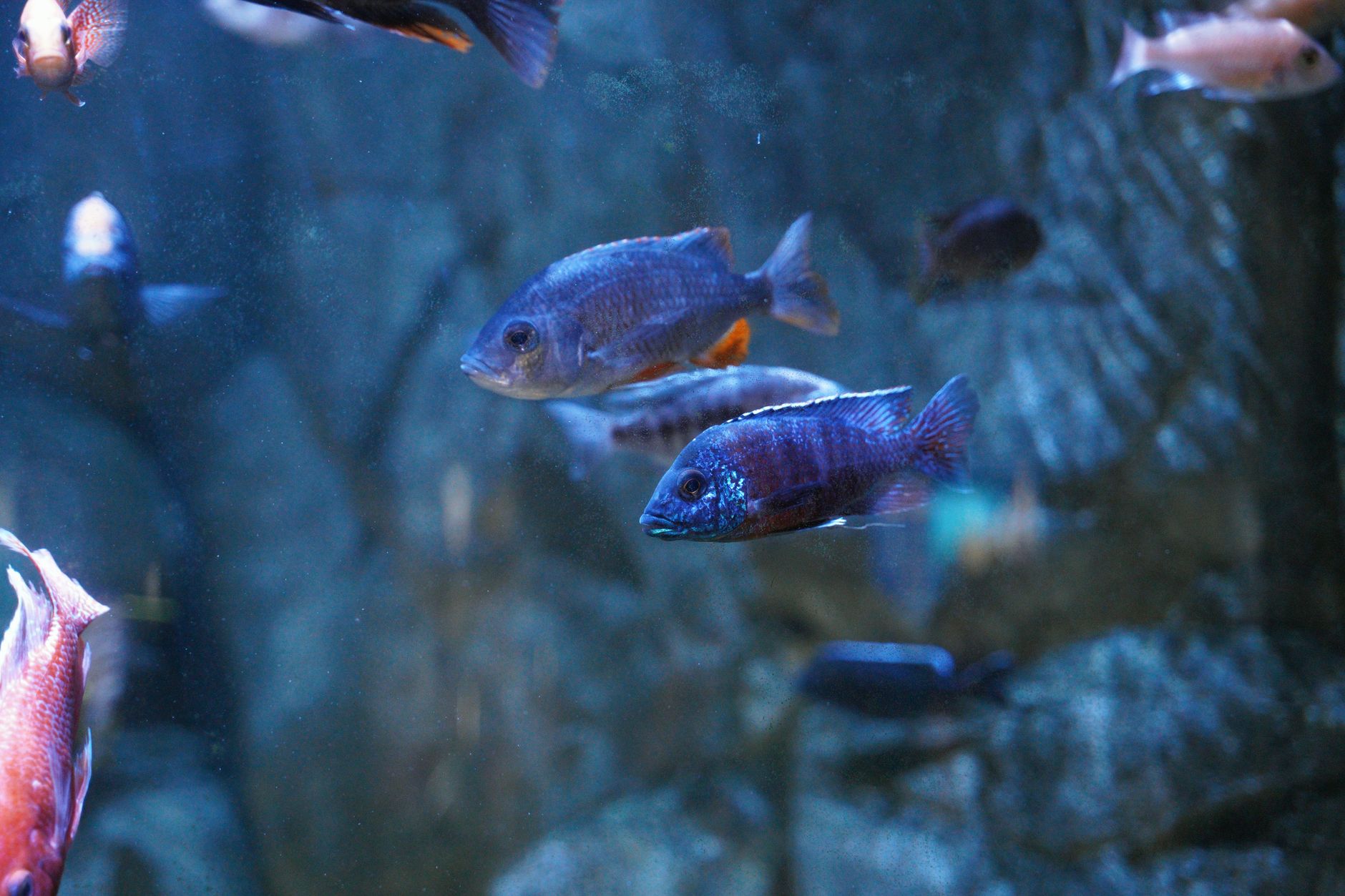
Many elements contribute to the ultimate lifespan of a butterfly fish, both in the wild and in captivity. Understanding these factors is crucial for appreciating the challenges and opportunities associated with their care.
- Species Variation: Different species within the butterfly fish family have inherent differences in their potential lifespan. Some may be genetically predisposed to live longer than others.
- Habitat Quality: In the wild, the health of their coral reef habitat directly impacts their well-being. Pollution, coral bleaching, and destructive fishing practices can shorten their lives.
- Diet and Nutrition: A balanced and varied diet is essential. In the wild, they feed on a variety of small invertebrates, algae, and coral polyps. In captivity, replicating this diet is critical.
- Predation: Butterfly fish are vulnerable to predation from larger fish, sharks, and other marine animals.
- Disease: Like all fish, butterfly fish are susceptible to various diseases, which can significantly impact their lifespan.
- Aquarium Conditions: In captivity, factors like tank size, water quality, temperature, and compatibility with tank mates play a significant role in their longevity. Poor conditions can lead to stress, illness, and a shortened lifespan.
Diet and Nutritional Needs
Butterfly fish are generally opportunistic feeders, but many species have specific dietary requirements. Some are specialized coral feeders (corallivores), while others are more generalist carnivores or herbivores.
- Corallivores: These butterfly fish have elongated snouts adapted for picking polyps from coral. They are notoriously difficult to keep in captivity due to the challenge of providing an adequate supply of suitable coral.
- Carnivores: These species feed on small invertebrates, such as worms, crustaceans, and mollusks.
- Herbivores: Some butterfly fish supplement their diet with algae.
Providing a varied diet in captivity is essential for their health and longevity. This may include:
- Frozen foods (mysis shrimp, brine shrimp, plankton)
- High-quality flake or pellet food formulated for marine fish
- Live rock with algae growth
- Specific coral species (for corallivores, if you can sustainably and ethically provide them)
Maintaining Optimal Aquarium Conditions
If keeping a butterfly fish in an aquarium, mimicking their natural environment as closely as possible is vital for ensuring a long and healthy life.
- Tank Size: Butterfly fish need ample space to swim and explore. A larger tank (at least 75 gallons, preferably larger) is essential.
- Water Quality: Maintaining pristine water quality is paramount. This involves regular water changes, proper filtration, and monitoring water parameters like ammonia, nitrite, nitrate, pH, and salinity.
- Temperature: Keep the water temperature within the range of 72-78°F (22-26°C).
- Tank Mates: Choose tank mates carefully, as some fish may be aggressive towards butterfly fish. Avoid keeping them with fin-nippers or overly competitive feeders.
- Hiding Places: Provide plenty of rockwork and other structures where the butterfly fish can seek shelter and feel secure.
Comparing Lifespans: Wild vs. Captivity
| Factor | Wild | Captivity |
|---|---|---|
| Lifespan | 5-10 years (average) | 5-10 years (potential, with excellent care) |
| Diet | Natural, varied, potentially unpredictable | Controlled, potentially lacking variety |
| Predation | High risk | Minimal risk |
| Disease | Natural exposure, limited treatment options | Controllable environment, treatment available |
| Habitat | Natural reef environment, large space | Confined tank environment, limited space |
| Water Quality | Subject to natural fluctuations & pollution | Controlled, with proper maintenance |
Achieving a long lifespan for a butterfly fish in captivity requires significant dedication and effort. How long does a butterfly fish live? In the best captive situations, they can meet or even slightly exceed their wild lifespan, but this is often dependent on the aquarist’s expertise.
Common Mistakes that Shorten Lifespan
Several common mistakes can significantly reduce the lifespan of butterfly fish in captivity.
- Inadequate Tank Size: Cramped conditions can lead to stress and aggression.
- Poor Water Quality: High levels of ammonia, nitrite, or nitrate are toxic to fish.
- Improper Diet: Failing to provide a varied and nutritious diet can lead to malnutrition and disease.
- Aggressive Tank Mates: Bullying or harassment from other fish can stress the butterfly fish.
- Lack of Quarantine: Introducing new fish without proper quarantine can introduce diseases into the aquarium.
- Failure to Recognize and Treat Illness: Ignoring early signs of illness can allow the condition to worsen, leading to death.
Conclusion: The Delicate Balance of Longevity
The lifespan of a butterfly fish is a complex interplay of genetics, environment, diet, and care. While they typically live for 5 to 10 years in the wild, responsible aquarium keeping can potentially extend their lives. By understanding their needs and providing a suitable environment, we can appreciate these magnificent creatures for years to come. Understanding how long does a butterfly fish live? and acting on that knowledge is crucial for their wellbeing, whether in the ocean or in an aquarium.
Frequently Asked Questions (FAQs)
What is the maximum lifespan of a butterfly fish?
The maximum lifespan of a butterfly fish is estimated to be around 10-12 years, but this is relatively rare, even in the wild. Achieving this age requires optimal conditions and a degree of luck. In captivity, reaching this age is even more challenging but attainable with proper care.
Are there specific butterfly fish species known for longer lifespans?
While data is limited, anecdotal evidence suggests that some of the hardier and less specialized species, such as certain Forcipiger and Chelmon species, may be more likely to reach longer lifespans than delicate coral-feeding species.
How can I tell if my butterfly fish is nearing the end of its life?
Signs that a butterfly fish is nearing the end of its life may include decreased appetite, lethargy, a loss of color, and increased susceptibility to disease. These symptoms can also indicate other health problems, so it’s crucial to rule out other potential causes before assuming it’s simply old age.
What is the best diet for a butterfly fish to ensure a long life?
A varied diet that closely mimics their natural feeding habits is essential. This should include a combination of frozen foods (mysis shrimp, brine shrimp, plankton), high-quality flake or pellet food, and, if appropriate, suitable coral polyps for corallivorous species.
How important is water quality for butterfly fish longevity?
Water quality is absolutely critical. Butterfly fish are sensitive to fluctuations in water parameters, and poor water quality can quickly lead to stress, disease, and a shortened lifespan. Regular water changes, proper filtration, and monitoring water parameters are essential.
What tank size is recommended for keeping a butterfly fish healthy and long-lived?
A minimum tank size of 75 gallons is generally recommended, but larger tanks are always better. This provides ample space for the fish to swim, explore, and establish its territory. Smaller tanks can lead to stress and aggression.
Are there any specific diseases that commonly affect butterfly fish and shorten their lifespan?
Butterfly fish are susceptible to various diseases, including parasitic infections (e.g., marine ich, velvet disease), bacterial infections, and fungal infections. Early detection and treatment are crucial for preventing these diseases from becoming fatal.
How often should I change the water in my butterfly fish aquarium?
Water changes should be performed regularly, typically 10-20% of the tank volume every 1-2 weeks. The frequency may vary depending on the size of the tank, the number of fish, and the effectiveness of the filtration system.
What are the ideal water parameters for a butterfly fish aquarium?
Ideal water parameters include:
- Temperature: 72-78°F (22-26°C)
- pH: 8.1-8.4
- Salinity: 1.024-1.026 specific gravity
- Ammonia: 0 ppm
- Nitrite: 0 ppm
- Nitrate: <20 ppm
Can I keep multiple butterfly fish together in the same tank?
Keeping multiple butterfly fish together can be challenging, as they can be territorial and aggressive towards each other. It’s generally best to keep them singly unless you have a very large tank and are experienced with their behavior.
How can I ensure that a newly acquired butterfly fish adjusts well to its new aquarium environment?
Acclimation is crucial. Slowly acclimate the fish to the tank water over several hours. Provide plenty of hiding places and avoid stressing the fish during the first few weeks. Quarantine is essential to prevent the introduction of diseases.
Does the source of the butterfly fish (wild-caught vs. captive-bred) affect its potential lifespan?
Captive-bred butterfly fish are generally more adaptable to aquarium life and may be less susceptible to disease than wild-caught specimens. However, availability of captive-bred species is limited, so wild-caught fish are more common.