
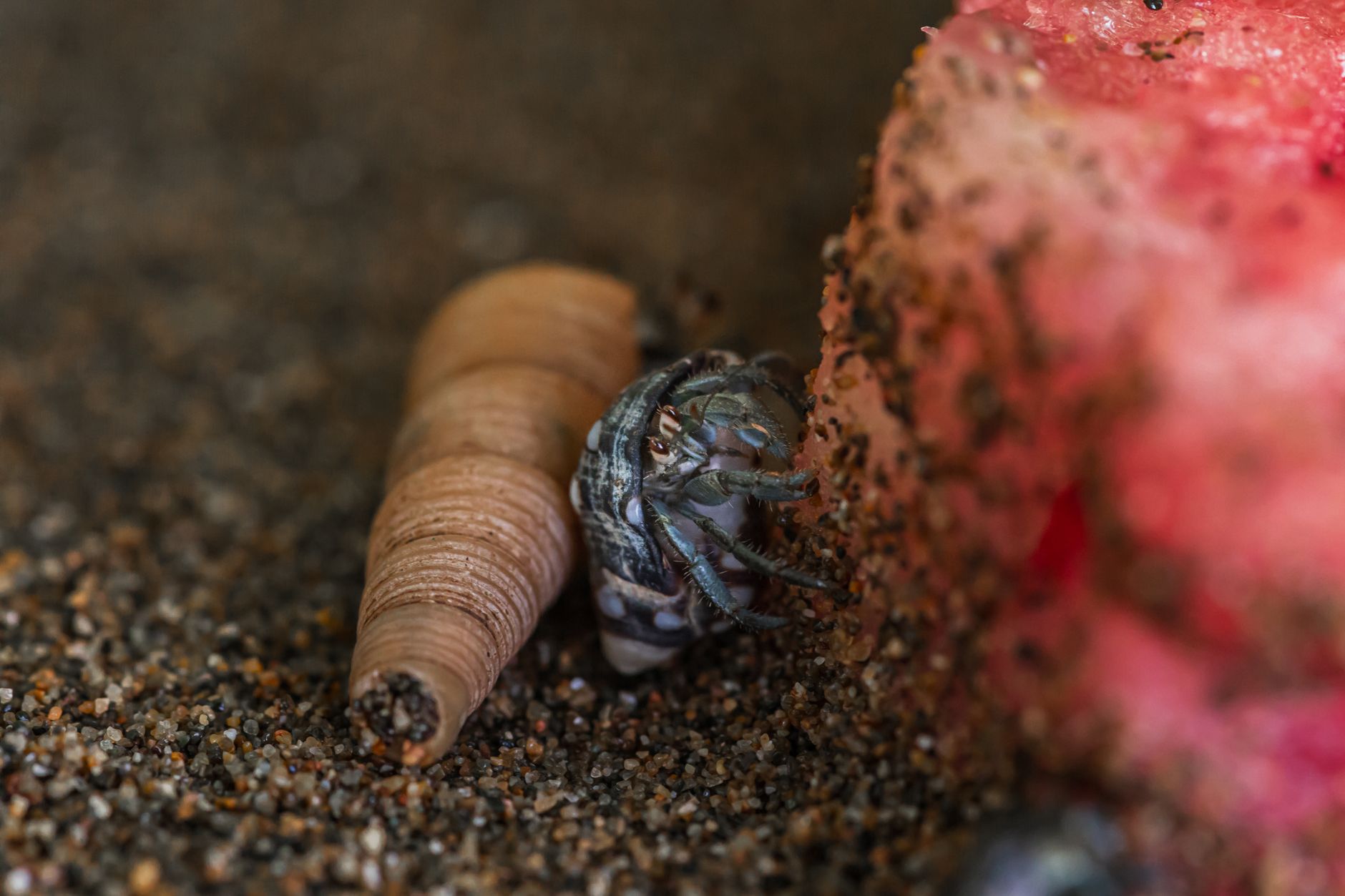
Why Has My Hermit Crab Been Out of His Shell for 2 Days? Understanding Shell Vacancy Issues
The fact that your hermit crab has been out of its shell for two days is a critical emergency, likely indicating serious environmental problems or illness. Immediate action is needed to reintroduce the crab to a suitable shell and address the underlying cause.

Hermit crabs, fascinating crustaceans renowned for their dependence on external shells for protection, are particularly vulnerable when they abandon their adopted homes. Understanding the factors that contribute to this behavior and responding appropriately is crucial for their survival. The question, Why has my hermit crab been out of his shell for 2 days?, necessitates a comprehensive exploration of hermit crab husbandry.
Understanding Hermit Crab Shell Dependence
Hermit crabs aren’t born with their own shells. Instead, they commandeer empty gastropod shells, using them for protection from predators and to maintain vital humidity. As they grow, they need to periodically find larger shells.
- This shell selection process is crucial for their well-being.
- The availability of appropriate shells is therefore a critical aspect of hermit crab care.
- A crab without a shell is highly susceptible to dehydration, stress, and injury.
The Environmental Factors Behind Shell Abandonment

Several environmental factors can drive a hermit crab out of its shell. These need to be carefully evaluated.
-
Inadequate Shell Selection: Not offering enough shells, or offering shells that are the wrong size or shape, is a primary cause. Hermit crabs prefer shells that are slightly larger than their current one and have a round aperture for easy access and closure. Shells that are too heavy, oddly shaped, or have damaged apertures are less attractive.
-
Incorrect Temperature and Humidity: Hermit crabs require a warm, humid environment. Low temperatures (below 70°F) or low humidity (below 70%) can stress the crab and lead to shell abandonment. In such cases, the crab may leave its shell seeking better conditions, or as a result of stress weakening it.
-
Poor Tank Conditions: Dirty substrate, uneaten food, and stagnant water can create a toxic environment. High ammonia and nitrite levels are particularly harmful.

-
Aggression from Other Crabs: If you have multiple hermit crabs, bullying can occur. A dominant crab may evict a weaker crab from its shell. This is especially common if there are not enough shells to go around, or if the shells are poorly chosen.

Medical Reasons for Shell Abandonment
Beyond environmental issues, a hermit crab may leave its shell due to illness or injury.
- Molting Issues: Molting is a stressful process for hermit crabs. If a crab is having difficulty molting, it may abandon its shell.
- Parasites: Internal or external parasites can weaken a crab and cause it to leave its shell.
- Injuries: If a crab is injured, it may be unable to properly hold onto its shell.
Immediate Action: Getting Your Crab Back in a Shell
If you find your hermit crab out of its shell, act quickly.
-
Isolate the Crab: Place the crab in a small container (like a Tupperware) with damp paper towels. This will help maintain humidity.
-
Offer a Variety of Shells: Provide several shells of different sizes and shapes, making sure they are clean and appropriate for hermit crabs. Shells should be made of natural materials (such as turbo shells) and free of paint or varnish.
-
Create Optimal Environmental Conditions: Ensure the temperature and humidity in the main tank are correct. The temperature should be between 70°F and 80°F, and the humidity should be above 70%.
-
Observe the Crab: Gently offer the crab the shells. If the crab is healthy, it will likely investigate the shells and eventually move into one.
-
If the Crab Refuses a Shell: If the crab refuses to move into a shell, there may be an underlying medical problem. Seek advice from a veterinarian experienced with exotic pets.
Preventing Future Shell Abandonment
Proactive care is essential to prevent future incidents.
- Provide an Ample Supply of Shells: Offer at least three to five shells per crab, in a variety of sizes and shapes.
- Maintain Proper Temperature and Humidity: Use a heater and hygrometer to monitor and control the environment.
- Regularly Clean the Tank: Remove uneaten food and waste, and perform regular water changes.
- Observe Your Crabs’ Behavior: Watch for signs of aggression or illness.
- Offer a Balanced Diet: Provide a varied diet of commercial hermit crab food, supplemented with fresh fruits, vegetables, and protein sources.
| Feature | Importance |
|---|---|
| Shell Variety | Essential for crab comfort and health. |
| Temperature | Crucial for metabolism and activity. |
| Humidity | Prevents dehydration and supports molting. |
| Tank Cleanliness | Prevents illness and stress. |
Why has my hermit crab been out of his shell for 2 days? It’s likely due to a significant husbandry issue or illness. The priority is to address the root cause and provide a safe, appealing shell for the crab.
Frequently Asked Questions (FAQs)
Why is my hermit crab not moving?
A motionless hermit crab can be due to several factors, including stress, cold temperatures, molting, or illness. If the crab is limp and unresponsive, it could be a sign of severe dehydration or a fatal condition. Carefully examine the crab’s environment and behavior for clues. Provide optimal conditions and seek veterinary advice if necessary.
How do I know what size shell my hermit crab needs?
The ideal shell size is slightly larger than the one the crab is currently using. You should be able to see the crab’s abdomen inside the shell, but it shouldn’t be excessively loose. The crab should be able to easily retract into the shell. Provide a range of sizes for the crab to choose from.
Can I paint or decorate my hermit crab’s shell?
Never paint or varnish a hermit crab shell. These materials are toxic and can harm the crab. Only offer natural, untreated shells. If you want to personalize the crab’s environment, decorate the tank with safe, natural materials like driftwood and rocks.
What is the best substrate for my hermit crab tank?
The best substrate for a hermit crab tank is a mixture of playsand and coconut fiber (Eco Earth). This mixture holds moisture well, allowing the crabs to burrow and maintain proper humidity. Aim for a substrate depth of at least 6 inches to accommodate molting.
How often should I change the water in my hermit crab tank?
Provide both fresh water and saltwater in shallow dishes. Change the water every day or every other day to prevent bacterial growth. Use dechlorinated water for both fresh and saltwater sources. Commercial hermit crab salt mix is available at most pet stores.
What do hermit crabs eat?
Hermit crabs are omnivores and require a varied diet. Offer commercial hermit crab food supplemented with fresh fruits, vegetables, and protein sources. Good choices include apples, bananas, grapes, cooked eggs, and mealworms. Avoid citrus fruits and foods containing preservatives.
How do I know if my hermit crab is molting?
Signs of molting include burrowing, lethargy, a cloudy exoskeleton, and decreased appetite. During molting, the crab will shed its old exoskeleton and grow a new one. It’s crucial not to disturb the crab during this process. Molting can take several weeks or even months, depending on the crab’s size and age.
Why is my hermit crab digging?
Digging is a natural behavior for hermit crabs. They dig to burrow, molt, and escape from light. Ensure that the substrate is deep enough to allow them to fully burrow.
Is it normal for hermit crabs to fight?
Some level of aggression is normal, especially when establishing a social hierarchy. However, excessive fighting can indicate overcrowding or a lack of resources. Ensure that you have enough shells, food, and space for all of your crabs. Separate aggressive crabs if necessary.
How long do hermit crabs live?
With proper care, hermit crabs can live for 10 to 30 years in captivity. Providing a suitable environment, a balanced diet, and regular maintenance are key to their longevity.
Why are my hermit crabs always hiding?
Hiding is natural behavior. Hermit crabs are nocturnal creatures and are often more active at night. They may also hide if they feel stressed or insecure. Provide plenty of hiding places, such as driftwood and caves, to help them feel safe.
What kind of lighting do hermit crabs need?
Hermit crabs do not require special lighting. However, a low-intensity light cycle can help them regulate their circadian rhythms. Avoid direct sunlight, as this can overheat the tank. Indirect natural light is sufficient.