
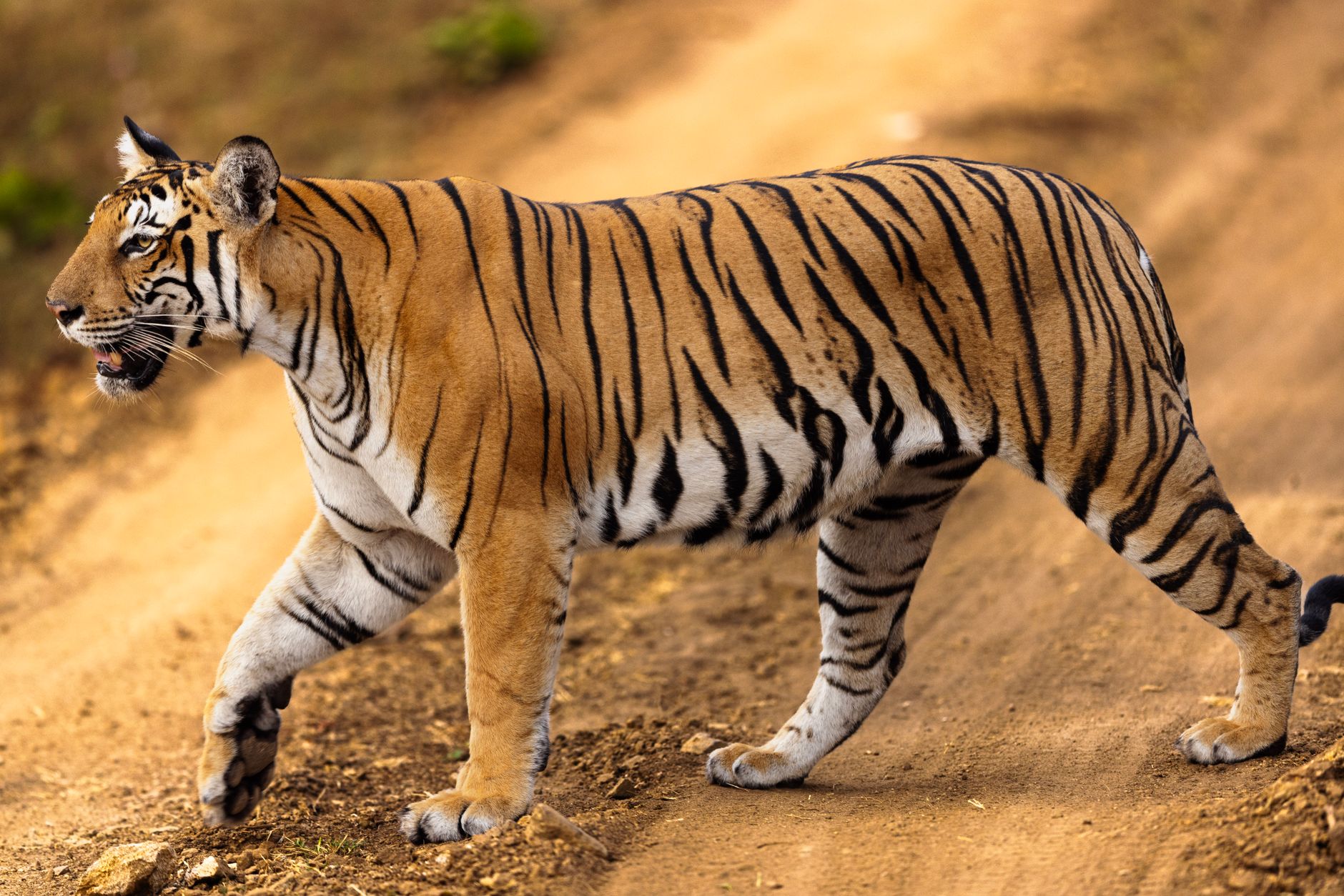
How Long Do Tigers Live in the Wild?: Unveiling the Lifespan of These Majestic Beasts
Wild tigers, on average, live for 8 to 10 years, although this can vary significantly depending on habitat, prey availability, and threats they face. Factors like poaching and habitat loss greatly impact how long do tigers in the wild live for.

Understanding the Wild Tiger’s Life Cycle
Tigers, the apex predators of their ecosystems, face a myriad of challenges throughout their lives that ultimately affect their lifespan. From the moment they are born, survival is a constant struggle, influenced by both natural and human-induced factors. To truly understand how long do tigers in the wild live for, we must consider these multifaceted pressures.

What is the GREY African clawed frog?
Is distilled water good for goldfish?
What colours are fish most attracted to?
Can you put your finger in a trout's mouth?
Factors Influencing Tiger Lifespan in the Wild

Several crucial factors determine how long these majestic creatures can survive in their natural habitats. These include:
-
Habitat and Prey Availability: A stable and resource-rich environment is paramount. Sufficient prey density – deer, wild boar, and other ungulates – is essential for a tiger’s survival and reproductive success. Habitat fragmentation and prey depletion dramatically shorten their lifespan.
-
Poaching: This remains the single greatest threat. Tigers are illegally hunted for their body parts, which are used in traditional medicine and as trophies. Even with increased conservation efforts, poaching continues to decimate tiger populations and reduce their potential lifespan.
-
Human-Wildlife Conflict: As human populations expand, encroachment on tiger habitats increases, leading to more frequent conflicts. These clashes often result in retaliatory killings of tigers by villagers who have lost livestock or even family members.
-
Disease and Injury: Like all wild animals, tigers are susceptible to diseases, injuries from fights with other tigers (particularly over territory or mates), and other natural causes of mortality. Cubs are particularly vulnerable.
-
Genetic Diversity: Small, isolated populations suffer from a lack of genetic diversity, which makes them more susceptible to disease and less adaptable to changing environmental conditions. This can ultimately impact their longevity.
Comparing Wild and Captive Tiger Lifespans
The stark contrast between the lifespans of wild and captive tigers highlights the immense challenges faced by tigers in their natural environments.
| Characteristic | Wild Tigers | Captive Tigers |
|---|---|---|
| Average Lifespan | 8-10 years | 16-20 years |
| Primary Threats | Poaching, Habitat Loss, Conflict | Old Age, Disease, Controlled Diet |
| Access to Veterinary Care | Limited | Regular Checkups & Treatment |
| Food Availability | Variable, dependent on hunting | Consistent, Nutritious Diet |
As the table demonstrates, how long do tigers in the wild live for is profoundly shorter than their captive counterparts. This discrepancy underscores the significant impact of human activities and environmental pressures on wild tiger populations.
Conservation Efforts and Future Outlook
Protecting tigers in the wild requires a multi-pronged approach:
- Anti-Poaching Patrols: Intensifying efforts to deter and apprehend poachers.
- Habitat Preservation: Establishing and maintaining protected areas, connecting fragmented habitats with corridors, and reforestation initiatives.
- Community Engagement: Working with local communities to reduce human-wildlife conflict through compensation schemes, education programs, and alternative livelihood opportunities.
- Combating Wildlife Trafficking: Strengthening law enforcement to disrupt the illegal trade in tiger parts.
- Genetic Management: Efforts to introduce genetic diversity into isolated populations, and monitor gene flow to reduce inbreeding.
The future of tigers depends on our collective commitment to these conservation strategies. Understanding how long do tigers in the wild live for and the factors impacting their lifespan is crucial to informing effective conservation policies and actions.
Frequently Asked Questions (FAQs) About Wild Tiger Lifespan
What is the average lifespan of a tiger in the wild?
The average lifespan of a tiger in the wild is typically between 8 and 10 years. This, however, can vary greatly depending on factors such as habitat quality, prey availability, and the level of human-induced threats they face.
Do different tiger subspecies have different lifespans?
While there may be slight variations due to local conditions and specific threats, there isn’t concrete evidence to suggest significant lifespan differences among tiger subspecies. Generally, all tiger subspecies are impacted by similar pressures, affecting their longevity to a similar degree.
How does habitat loss affect a tiger’s lifespan?
Habitat loss reduces the available hunting grounds and increases competition for resources, ultimately affecting a tiger’s ability to secure enough food and survive. Fragmented habitats also isolate populations, leading to inbreeding and reduced genetic diversity, which further impacts their overall health and lifespan.
Is poaching the biggest threat to tiger lifespan in the wild?
Yes, poaching is arguably the most significant threat to tiger lifespan in the wild. The illegal trade in tiger parts incentivizes poaching, leading to the premature death of many tigers and hindering population recovery. Poaching can eliminate an individual tiger before it even reaches reproductive age.
What is the primary cause of death for tigers in the wild?
While specific causes of death vary, the most common include poaching, starvation due to prey scarcity, injuries sustained during territorial disputes, and human-wildlife conflict. Disease can also play a role, particularly in populations with compromised immune systems.
How do conservation efforts impact the lifespan of wild tigers?
Effective conservation efforts, such as anti-poaching patrols, habitat protection, and community engagement, can significantly improve the lifespan of wild tigers. By mitigating threats and providing a safe and resource-rich environment, these initiatives allow tigers to live longer and healthier lives.
Can a tiger cub survive without its mother?
Tiger cubs are highly dependent on their mothers for the first two years of their lives. Without their mother’s care, protection, and guidance, a cub’s chances of survival are extremely slim. Cub mortality rates are often high, even with maternal care.
What is the role of prey availability in determining tiger lifespan?
Prey availability is absolutely crucial. Tigers require a substantial amount of meat to survive, and a decline in prey populations directly impacts their health, reproductive success, and lifespan. A stable and abundant prey base is essential for a thriving tiger population.
How does human-wildlife conflict affect a tiger’s lifespan?
Human-wildlife conflict often results in the retaliatory killing of tigers that prey on livestock or pose a perceived threat to human safety. This conflict can significantly shorten the lifespan of individual tigers and disrupt the overall population structure. Preventative measures and conflict mitigation strategies are crucial.
Are there specific areas where tigers have longer lifespans?
Tigers in well-protected reserves with abundant prey and minimal human disturbance tend to have longer lifespans than those in areas with high levels of poaching or habitat degradation. Some national parks in India, for example, have shown promising trends in tiger population growth and improved longevity.
What can individuals do to help improve tiger lifespan in the wild?
Individuals can support tiger conservation by donating to reputable organizations, advocating for stronger wildlife protection laws, avoiding products made from tiger parts, and promoting sustainable tourism that benefits local communities. Raising awareness about the plight of tigers is also crucial. Even small actions can contribute to a larger impact.
How do diseases and injuries affect tiger lifespan in the wild?
Diseases, such as canine distemper and tuberculosis, can weaken tigers and make them more vulnerable to other threats. Injuries sustained during territorial disputes or while hunting can also lead to infection and death. Access to veterinary care is extremely limited in the wild, making even minor injuries potentially fatal.