
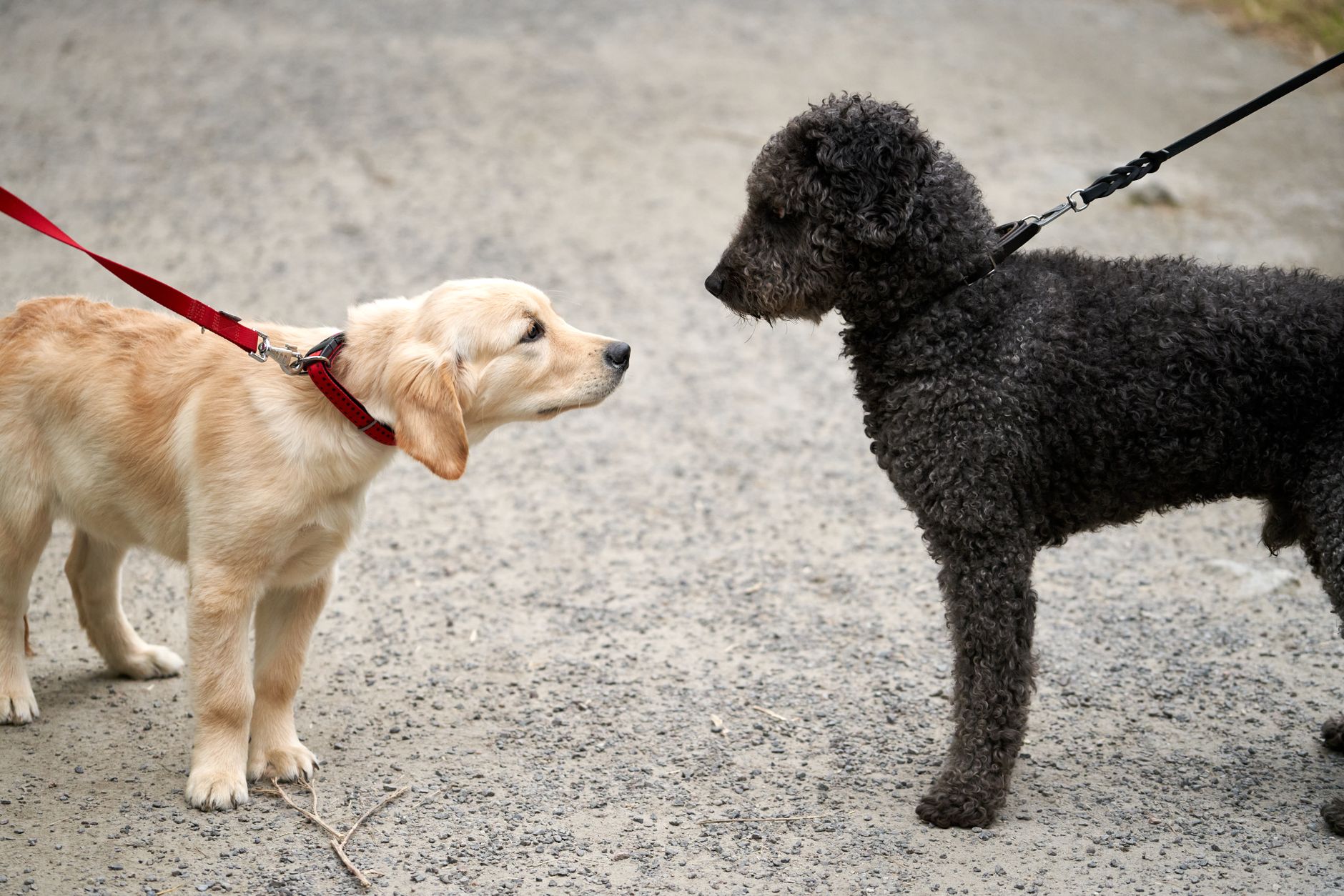
How to Stop Your Dog from Rushing Up to Other Dogs: A Comprehensive Guide
Learn how to stop your dog from rushing up to other dogs and create calmer, safer interactions by mastering recall, leash control, and understanding dog body language. This will reduce reactive behavior and create a more relaxed experience for you and your canine companion.

Understanding the Urge to Rush
Why does your dog feel the irresistible need to bound towards every canine they see? Often, it stems from a complex combination of factors: inherent breed tendencies, socialization (or lack thereof), pent-up energy, and learned behavior. Some breeds are naturally more enthusiastic greeters. Puppies who weren’t properly socialized to other dogs during their critical developmental window (roughly up to 16 weeks) may develop anxiety or over-excitement around other dogs. An under-exercised dog may view an approaching canine as an opportunity for play and release. Finally, if your dog has been allowed to rush in the past without correction, they’ve learned that this behavior is acceptable, and even rewarding.
Benefits of Addressing This Behavior

Stopping your dog from rushing isn’t just about preventing embarrassing or awkward encounters. It’s about ensuring your dog’s safety, the safety of other dogs, and your peace of mind.
- Safety: Rushing can lead to confrontations if the other dog is reactive, fearful, or protective.
- Control: A dog that doesn’t rush is a dog you can better control in various situations.
- Reduced Anxiety: Consistent training and predictable interactions reduce anxiety for both you and your dog.
- Improved Leash Manners: A calmer dog makes walks more enjoyable for everyone.
- Positive Social Interactions: Well-managed greetings are more likely to result in positive social interactions.
Essential Training Techniques
How do I stop my dog from rushing up to other dogs? It’s not an overnight fix, but consistent training using positive reinforcement techniques will yield results.
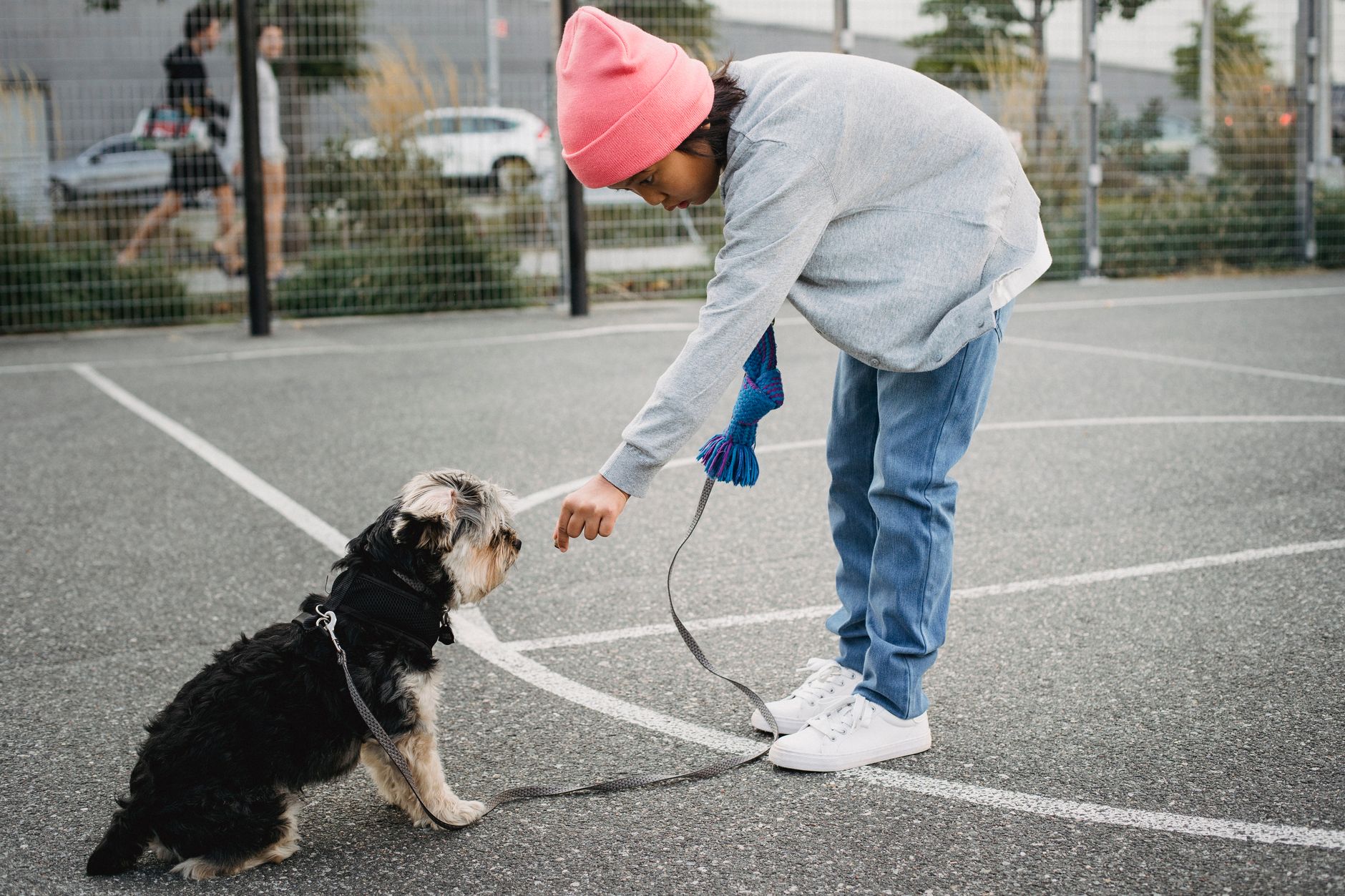
- Mastering Recall: A reliable recall is your first line of defense. Start training in a distraction-free environment using high-value treats or toys. Gradually increase the level of distraction.
- Leash Control: Teach your dog to walk politely on a loose leash. A front-clip harness or head halter can be helpful. Reward calm behavior and redirect attention when other dogs are nearby.
- “Leave It” Command: Train your dog to ignore distractions on command. This is incredibly useful for preventing rushing.
- “Stay” Command: Practice the “stay” command in various locations and with increasing distractions.
- Counter-Conditioning: Pair the sight of other dogs with positive experiences, such as treats or praise. The goal is to change your dog’s emotional response from excitement or anxiety to calm anticipation of a reward.
- Desensitization: Gradually expose your dog to other dogs from a distance, slowly decreasing the distance as your dog remains calm.
Managing Encounters and Avoiding Triggers
Even with training, managing encounters is crucial.
- Be Aware of Your Surroundings: Scan the environment for potential triggers, such as other dogs, before they trigger your dog’s reaction.
- Create Distance: If you see another dog approaching, create distance by crossing the street or changing direction.
- Use Visual Barriers: Utilize objects like cars, trees, or fences to create a visual barrier between your dog and the other dog.
- Communicate With Other Owners: Politely inform other owners that your dog is in training and needs space.
Common Mistakes to Avoid
- Punishment: Punishing your dog for rushing will likely increase anxiety and worsen the behavior.
- Inconsistent Training: Consistency is key to success. Practice regularly and use the same commands and techniques every time.
- Ignoring Early Warning Signs: Learn to recognize your dog’s body language and intervene before they reach the point of no return.
- Forcing Interactions: Never force your dog to interact with another dog if they are showing signs of fear or discomfort.
- Lack of Socialization: Ensure your puppy receives adequate socialization during their critical developmental period.
Tools to Assist Your Training
While not essential, certain tools can be helpful in training your dog how to stop your dog from rushing up to other dogs.
| Tool | Description | Benefit |
|---|---|---|
| Front-Clip Harness | Attaches the leash to the chest, providing greater control and discouraging pulling. | Helps redirect your dog’s attention and makes it easier to maintain a loose leash. |
| Head Halter | Gently controls the dog’s head, making it difficult to pull or lunge. | Provides maximum control and can be especially useful for large, strong dogs. |
| High-Value Treats | Small, palatable treats that your dog finds highly motivating. | Essential for positive reinforcement training. |
| Clicker | A device that makes a distinct clicking sound, used to mark desired behaviors. | Can help with precise timing and clear communication. |
| Long Leash | Allows you to practice recall and other training exercises from a distance while still maintaining some control. | Useful for gradually increasing the distance between your dog and potential triggers. |
Seeking Professional Guidance
If you’re struggling to manage your dog’s rushing behavior, don’t hesitate to seek professional help from a certified dog trainer or veterinary behaviorist. They can assess your dog’s specific needs and develop a tailored training plan.
Frequently Asked Questions (FAQs)
What age is too late to start training my dog to stop rushing?
It’s never too late to start training! While puppies are more impressionable, adult dogs can absolutely learn new behaviors with patience and consistent training. Older dogs might require more time and repetition, but positive reinforcement techniques are effective at any age.
How long will it take to stop my dog from rushing up to other dogs?
The timeframe varies depending on your dog’s temperament, breed, previous training, and your consistency. Some dogs may show improvement within a few weeks, while others might take several months of dedicated training. Be patient and celebrate small victories!
What if my dog only rushes up to certain types of dogs (e.g., small dogs, black dogs)?
This suggests your dog has specific triggers. Identify those triggers and focus on counter-conditioning and desensitization specifically towards those types of dogs. It’s crucial to avoid exposing your dog to those triggers without a controlled training plan.
My dog gets aggressive when he rushes; is this normal?
Aggression is not normal and should be addressed immediately by a professional. Consult with a certified dog trainer or veterinary behaviorist to assess the underlying cause of the aggression and develop a safe and effective training plan.
Can I use punishment to stop my dog from rushing?
Absolutely not. Punishment can increase anxiety and fear, potentially leading to more severe behavioral problems. Positive reinforcement techniques are always the most effective and humane approach.
What do I do if another dog rushes up to my dog?
Remain calm and try to create space between the dogs. If possible, use a visual barrier (like your body or a car). If a fight breaks out, avoid reaching in directly. Instead, try making a loud noise or using a water spray to startle the dogs.
How important is socialization for preventing rushing behavior?
Socialization is incredibly important, especially during puppyhood. Exposing your puppy to a variety of sights, sounds, people, and (well-behaved, vaccinated) dogs in a controlled and positive manner can help them develop into well-adjusted adults.
What if my dog pulls on the leash so hard I can’t control him?
Consider using a front-clip harness or head halter. These tools provide better control and make it easier to redirect your dog’s attention. Work with a trainer to learn how to use these tools effectively and safely.
Should I let my dog greet every dog we see on walks?
It’s generally not recommended to let your dog greet every dog. You have no way of knowing the other dog’s temperament or vaccination status. Controlled greetings with known, well-behaved dogs are a better option.
My dog is reactive on leash. Will training him to stop rushing even work?
Yes, training can help reactive dogs. Reactivity often stems from fear or anxiety, and counter-conditioning and desensitization can help change your dog’s emotional response. However, working with a qualified professional is crucial for reactive dogs.
What are some early warning signs that my dog is about to rush?
Look for signs like tense body posture, staring, tail wagging high and stiff, whining, barking, or pulling on the leash. Recognizing these signs allows you to intervene early.
Is there a link between diet and rushing behavior?
While diet isn’t a direct cause of rushing, a high-energy diet could contribute to over-excitement. Consult with your veterinarian to ensure your dog is on a balanced diet appropriate for their age, breed, and activity level.