

How Hard Is It To Have a Pet Ferret? A Comprehensive Guide
Bringing a ferret into your home can be a rewarding experience, but it’s not without its challenges. Having a pet ferret requires significant dedication and understanding; while undeniably charming, they’re not low-maintenance animals.

Understanding Ferret Ownership
Ferrets, with their playful antics and unique personalities, have become increasingly popular pets. However, prospective owners need to be well-informed about the responsibilities involved. How hard is it to have a pet ferret? This is a crucial question to address before bringing one of these fascinating creatures home. Understanding their specific needs, from diet and housing to enrichment and veterinary care, is essential for ensuring a happy and healthy life for your ferret and a positive experience for you.

Do all amphibians have eyelids?
Why do cuttlefish have W-shaped eyes?
Do all snakes have poison in them?
What is the GREY African clawed frog?
The Allure and Realities of Ferret Companionship
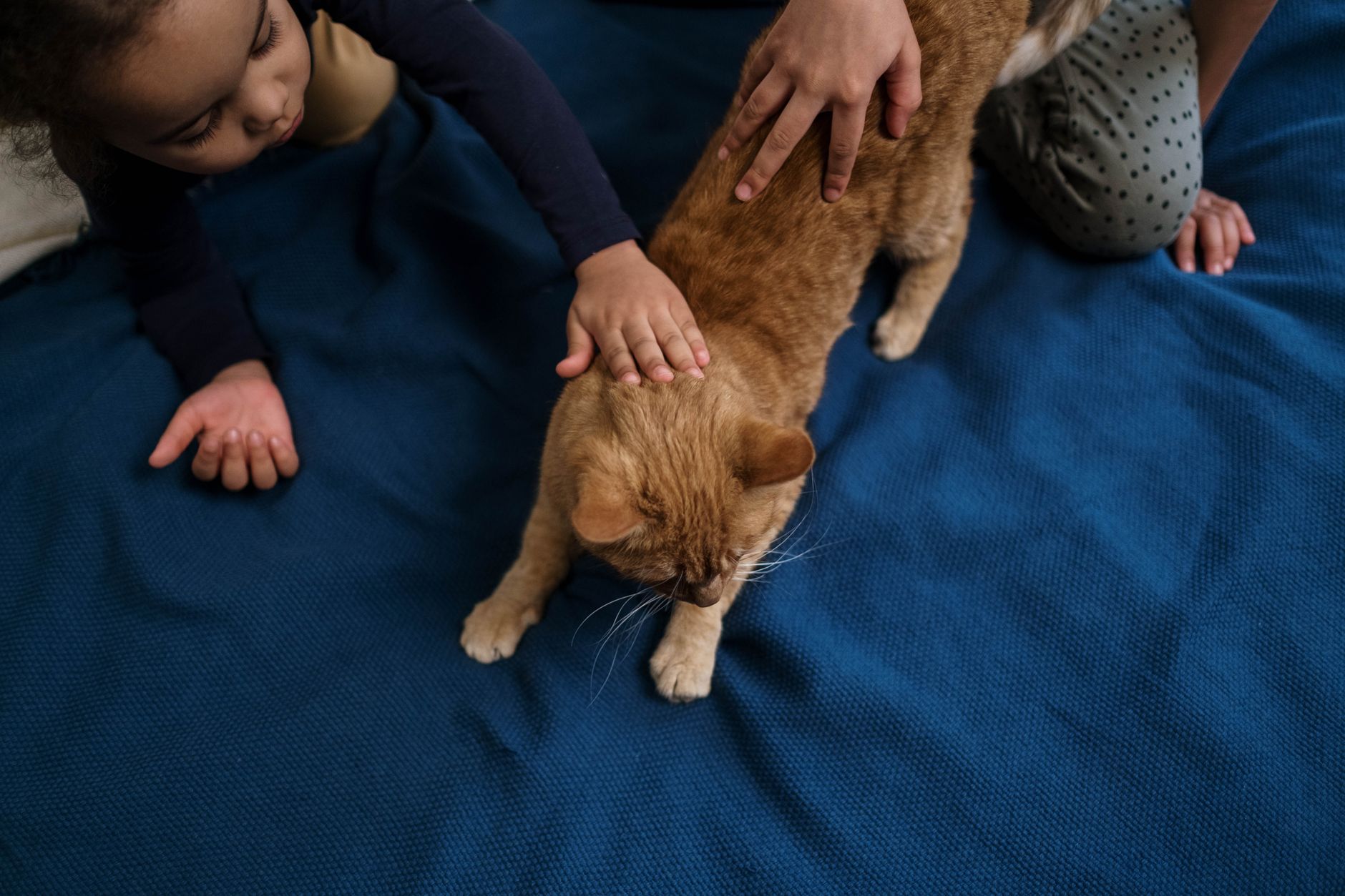
Ferrets possess an undeniable charm. Their playful nature, intelligence, and affectionate personalities make them delightful companions. They are curious and energetic, often engaging in entertaining antics. However, this same energy requires significant management. How hard is it to have a pet ferret? Let’s explore both the positive and negative aspects:
Pros of Ferret Ownership:
- Highly intelligent and trainable (to a degree).
- Affectionate and playful, providing engaging companionship.
- Relatively small and adaptable to apartment living (with proper setup).
- Can be litter-trained.
- Generally quiet pets.
Cons of Ferret Ownership:
- Require specialized veterinary care, which can be expensive.
- Prone to certain health problems (e.g., adrenal disease, insulinoma).
- Need a ferret-proofed environment due to their inquisitive nature.
- Have a distinct musky odor (can be minimized with proper hygiene).
- Can be nippy, especially when young.
- Require daily interaction and enrichment to prevent boredom.
Essential Requirements: Food, Housing, and Enrichment
A ferret’s well-being depends on meeting its specific needs regarding food, housing, and enrichment. Ignoring these needs will negatively impact the ferret’s health and happiness.
Food:
- High-quality ferret food with at least 30-40% animal-based protein, 18-30% fat, and low fiber content.
- Avoid foods containing high amounts of plant-based proteins and carbohydrates.
- Provide multiple small meals throughout the day.
- Fresh, clean water must always be available.
Housing:
- A multi-level cage with solid flooring (wire floors can injure their feet).
- Provide soft bedding, such as blankets or hammocks.
- A litter box placed away from sleeping and eating areas.
- Enrichment items such as toys, tunnels, and digging boxes.
Enrichment:
- Daily playtime outside the cage is crucial.
- Provide a variety of toys to keep them mentally stimulated (e.g., balls, tunnels, puzzle toys).
- Consider creating a digging box filled with rice or beans.
- Rotate toys regularly to prevent boredom.
The Importance of Ferret-Proofing
Ferrets are notorious for their ability to squeeze into small spaces and their love of chewing. Therefore, thorough ferret-proofing is essential to ensure their safety. This is a critical factor in determining how hard is it to have a pet ferret?.
- Seal any holes or gaps in walls and floors.
- Cover electrical cords with protective tubing.
- Remove or secure small objects that could be swallowed.
- Avoid using cleaning products containing harsh chemicals.
- Block access to areas that are unsafe, such as behind appliances.
Common Mistakes Ferret Owners Make
Many new ferret owners make preventable mistakes due to a lack of knowledge. Avoiding these common pitfalls can significantly improve your experience.
- Feeding the Wrong Diet: As mentioned above, ferrets need a high-protein, animal-based diet.
- Neglecting Enrichment: Bored ferrets are prone to behavioral problems and destructive behaviors.
- Ignoring Health Problems: Ferrets are susceptible to certain health issues that require prompt veterinary attention.
- Poor Cage Hygiene: Regular cleaning is essential to prevent odor and disease.
- Lack of Ferret-Proofing: Failing to ferret-proof your home can lead to serious injuries or even death.
- Insufficient Socialization: Early socialization is essential for developing a well-adjusted ferret.
Is a Ferret the Right Pet for You? Self-Assessment
Before committing to ferret ownership, honestly assess your lifestyle and resources. Do you have the time, patience, and financial means to provide for a ferret’s needs? Are you prepared to handle their unique challenges? How hard is it to have a pet ferret? It depends on your preparedness.
- Time Commitment: Do you have at least 2-4 hours per day to dedicate to your ferret?
- Financial Resources: Can you afford high-quality food, veterinary care, and enrichment items?
- Living Situation: Is your home suitable for a ferret, and are you able to ferret-proof it effectively?
- Allergies: Are you allergic to ferrets or other small animals?
- Lifestyle: Are you prepared to deal with the odor and the potential for nipping?
Is Getting Two Ferrets Better Than One?
Ferrets are social animals and often thrive in pairs or groups. Having two ferrets can provide them with companionship and enrichment, reducing the risk of boredom and loneliness. However, owning two ferrets also doubles the costs and responsibilities.
- Increased Socialization: Ferrets can play and interact with each other, providing mental stimulation.
- Reduced Boredom: A companion can help keep a ferret entertained when you are not available.
- Potential for Conflict: Ferrets can sometimes fight, especially if they are not properly introduced.
- Higher Costs: Two ferrets require twice as much food, litter, and veterinary care.
Veterinary Care for Ferrets
Ferrets require specialized veterinary care from a veterinarian experienced with exotic animals. Regular checkups and vaccinations are essential for maintaining their health.
- Annual Checkups: To detect and address any health problems early.
- Vaccinations: For distemper and rabies.
- Dental Care: Regular teeth cleaning to prevent dental disease.
- Treatment for Common Illnesses: Including adrenal disease and insulinoma.
- Emergency Care: Be prepared for potential emergencies and have a veterinarian on call.
Frequently Asked Questions About Ferret Ownership
What is the average lifespan of a pet ferret?
The average lifespan of a pet ferret is 5-7 years, though some can live longer with proper care and diet. Factors such as genetics, nutrition, and veterinary care all play a role in a ferret’s longevity.
Do ferrets smell bad?
Ferrets do have a musky odor due to their scent glands, but it can be managed with proper hygiene. Regular bathing (but not too frequent, as it dries out their skin), cleaning their bedding, and neutering/spaying can help reduce the odor. Grooming a ferret weekly and frequently cleaning their cage is key to reducing their smell.
Are ferrets legal in all states?
No, ferrets are not legal in all states. In the United States, some states and cities ban or restrict ferret ownership due to concerns about their potential impact on wildlife. Before getting a ferret, check your local laws and regulations.
Can ferrets be litter-trained?
Yes, ferrets can be litter-trained, but it requires patience and consistency. They naturally prefer to eliminate in corners, so place litter boxes in those areas. Reward them when they use the litter box and clean up accidents immediately to discourage future mishaps.
What are common health problems in ferrets?
Common health problems in ferrets include adrenal disease, insulinoma, lymphoma, and heartworm. Regular veterinary checkups and a proper diet can help prevent or manage these conditions. Early detection and treatment are essential.
How much does it cost to own a pet ferret?
The cost of owning a pet ferret can vary, but you can expect to spend between $500 and $1,000 per year on food, litter, veterinary care, and enrichment items. Veterinary care can be a significant expense, especially if your ferret develops a chronic illness.
Do ferrets bite?
Ferrets can nip or bite, especially when they are young or feel threatened. With proper training and socialization, nipping can be reduced or eliminated. Avoid handling them roughly and always supervise interactions with children.
Can ferrets live with other pets?
Ferrets can live with other pets, but caution and supervision are necessary. They have a strong prey drive and may not be suitable for households with small animals such as rodents or birds. Introducing them slowly and monitoring their interactions is essential. Never leave them unsupervised.
What kind of toys do ferrets like?
Ferrets enjoy toys that stimulate their curiosity and allow them to explore and play. Tunnels, balls, puzzle toys, and digging boxes are all popular choices. Avoid toys with small parts that could be swallowed.
How often should I bathe my ferret?
Bathing a ferret too frequently can dry out their skin and increase their odor. Bathe them only when necessary, typically no more than once or twice a month. Use a ferret-specific shampoo or a mild, hypoallergenic shampoo.
Are ferrets good pets for children?
Ferrets can be good pets for older children who are responsible and gentle. However, they are not suitable for young children who may not understand how to handle them properly. Supervision is always necessary.
What do I need to know before getting a ferret?
Before getting a ferret, research their specific needs regarding diet, housing, enrichment, and veterinary care. Be prepared to ferret-proof your home and dedicate time to their care and socialization. Consider adopting from a rescue organization. Understanding how hard is it to have a pet ferret is the first step in responsible pet ownership.