

What Can I Give My Rabbit for GI Stasis?
What can I give my rabbit for GI stasis? Immediate action is crucial, focusing on rehydration, pain management, and stimulating gut motility with supportive care. Never administer medications without consulting a veterinarian.

GI stasis, or gastrointestinal stasis, is a potentially life-threatening condition in rabbits where the digestive system slows down or stops completely. Understanding how to recognize the signs and what supportive care you can provide while seeking veterinary attention is vital for rabbit owners. This article will explore the key aspects of managing GI stasis in rabbits, focusing on what you can safely do at home to help your furry friend.
Understanding GI Stasis in Rabbits
Rabbits have a delicate digestive system designed for continuous processing of high-fiber foods. When this process is disrupted, food sits in the stomach and cecum, leading to a build-up of gas, pain, and a decline in overall health. GI stasis can be triggered by various factors, including:
- Dietary imbalances (too little fiber, too many carbohydrates)
- Stress (environmental changes, travel, fear)
- Underlying medical conditions (dental disease, infections)
- Pain (arthritis, injuries)
- Dehydration
Recognizing the symptoms early is critical. Signs of GI stasis in rabbits include:
- Loss of appetite
- Reduced or absent fecal output (or small, dry, misshapen droppings)
- Lethargy and hunched posture
- Teeth grinding (a sign of pain)
- Bloated abdomen
What to Do Immediately When You Suspect GI Stasis
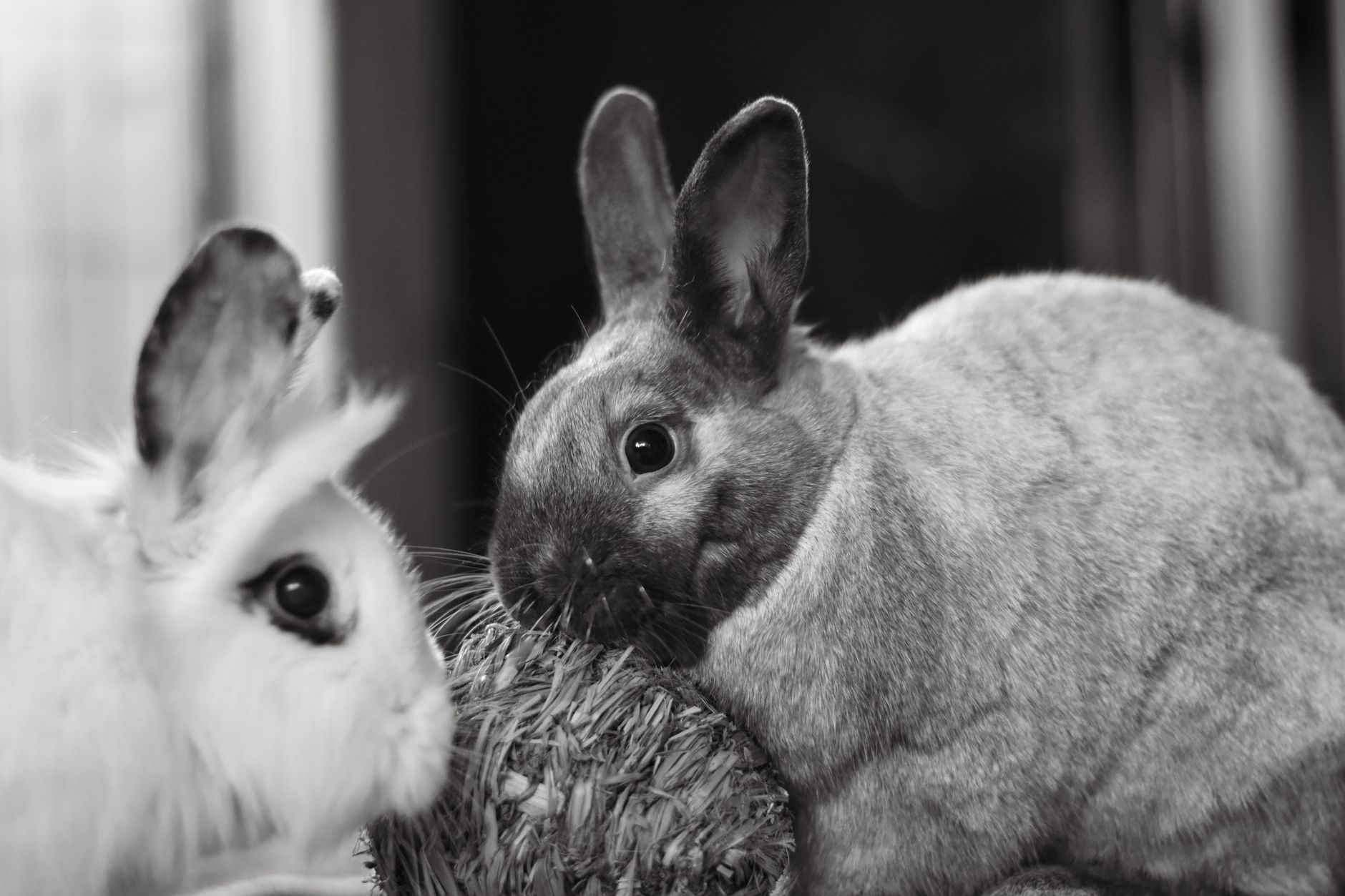
If you suspect your rabbit has GI stasis, immediate veterinary attention is essential. Time is of the essence. Before you can get to the vet, there are a few things you can do at home to provide supportive care:
- Hydration: Offer fresh water. If your rabbit isn’t drinking, try syringe-feeding small amounts of water or unflavored Pedialyte.
- Encourage Hay Consumption: Offer fresh, high-quality Timothy hay. It’s the cornerstone of a rabbit’s diet and essential for stimulating gut motility. Offer multiple types of hay if your rabbit is being picky.
- Gentle Abdominal Massage: Gently massage your rabbit’s abdomen to help break up gas and stimulate gut movement. Avoid applying excessive pressure.
- Warmth: Ensure your rabbit is kept warm. Use a heating pad (wrapped in a towel) or a warm water bottle to provide comfort.
- Monitor: Keep a close eye on your rabbit’s fecal output and overall condition. Record any changes to share with your veterinarian.
Veterinary Treatment for GI Stasis
Veterinary treatment for GI stasis typically involves a multi-faceted approach, including:
- Fluid Therapy: Intravenous or subcutaneous fluids to combat dehydration.
- Pain Management: Analgesics to alleviate pain and discomfort.
- Motility Drugs: Medications such as metoclopramide or cisapride to stimulate gut motility. These should ONLY be administered by a veterinarian.
- Nutritional Support: Syringe-feeding a critical care formula, such as Critical Care or EmerAid Intensive Care HD, to provide essential nutrients.
- Antibiotics: In some cases, antibiotics may be necessary if a bacterial infection is contributing to the stasis. Again, these must be prescribed by a veterinarian.
- Probiotics: Veterinarian-approved probiotics can help restore the balance of beneficial bacteria in the gut.
Nutritional Support: Syringe Feeding
Syringe feeding is often necessary to provide essential nutrients when a rabbit isn’t eating on its own.
- Critical Care and EmerAid: These are specifically formulated for herbivores experiencing anorexia. Follow the package instructions for mixing and administration.
- Preparation: Mix the formula with warm water to a slurry consistency.
- Administration: Use a 1ml or 3ml syringe. Gently insert the syringe into the side of the rabbit’s mouth, behind the incisors. Administer small amounts at a time, allowing the rabbit to swallow.
- Frequency: Feed small amounts frequently throughout the day (e.g., 10-20 ml every 2-3 hours).
- Observation: Monitor for signs of aspiration (coughing, choking).
Probiotics for Rabbits
Probiotics can be beneficial in restoring the balance of gut bacteria, which is often disrupted during GI stasis. However, it’s crucial to choose rabbit-specific probiotics, as human probiotics may not be effective or could even be harmful.
- Veterinarian Recommendation: Consult your veterinarian for recommendations on suitable probiotic brands and dosages.
- Administration: Follow the product instructions carefully.
- Timing: Administer probiotics separately from antibiotics, as antibiotics can kill beneficial bacteria.
Preventing GI Stasis: A Proactive Approach
Prevention is always better than cure. Key preventative measures include:
- High-Fiber Diet: Ensure your rabbit’s diet consists primarily of high-quality Timothy hay (80-90%), with limited amounts of fresh vegetables and pellets.
- Adequate Hydration: Provide fresh, clean water at all times.
- Stress Reduction: Minimize stress in your rabbit’s environment by providing a safe and comfortable living space.
- Regular Exercise: Encourage regular exercise to promote gut motility.
- Regular Veterinary Checkups: Schedule regular veterinary checkups to detect and address any underlying health issues that could contribute to GI stasis.
- Avoid Sugary Treats: Avoid providing sugary treats like yogurt drops which can change the gut flora.
Common Mistakes When Dealing with GI Stasis
- Delaying Veterinary Care: Waiting to see if the rabbit improves on its own can be fatal.
- Administering Human Medications: Human medications can be toxic to rabbits.
- Forcing Food or Water: Forcing can lead to aspiration pneumonia.
- Overlooking Dental Issues: Dental problems can contribute to GI stasis.
- Ignoring Environmental Stressors: Identifying and addressing stressors in the rabbit’s environment is crucial.

Frequently Asked Questions
What is the first thing I should do if I think my rabbit has GI stasis?
The very first thing to do is to contact your veterinarian immediately. GI stasis is an emergency, and prompt veterinary attention is crucial for a positive outcome. While waiting for your appointment, offer your rabbit fresh hay and water and keep them warm and comfortable.
Can I give my rabbit over-the-counter medications for GI stasis?
Absolutely not. Many over-the-counter medications that are safe for humans can be toxic or even fatal to rabbits. Never administer any medication to your rabbit without consulting a veterinarian first.
How much Critical Care should I give my rabbit with GI stasis?
The amount of Critical Care will depend on your rabbit’s weight and condition. A general guideline is 10-20 ml per kilogram of body weight, given every 2-3 hours. However, always follow your veterinarian’s specific instructions.
Is it okay to give my rabbit fruit juice to encourage drinking during GI stasis?
While offering small amounts of diluted, unsweetened fruit juice might encourage a rabbit to drink if they are refusing plain water, it’s generally not recommended. The sugar content in juice can disrupt the gut flora and potentially worsen the stasis. Stick to plain water or unflavored Pedialyte.
How long can a rabbit survive with GI stasis without treatment?
A rabbit can become critically ill from GI Stasis within 24-48 hours without treatment. The condition can quickly lead to organ failure and death. Seek veterinary care IMMEDIATELY if you suspect your rabbit has GI stasis.
What are the long-term effects of GI stasis on a rabbit’s health?
If treated promptly and effectively, a rabbit can fully recover from GI stasis. However, repeated episodes of GI stasis can indicate an underlying health problem such as dental disease, chronic pain, or dietary imbalances. These underlying issues need to be addressed to prevent future episodes.
Can stress cause GI stasis in rabbits?
Yes, stress is a significant trigger for GI stasis in rabbits. Changes in environment, loud noises, interactions with other animals, or even a change in routine can cause stress, which in turn can disrupt the digestive system.
What vegetables are safe for rabbits with GI stasis or recovering from it?
During a GI stasis episode, it’s best to focus on hay and water as advised by your veterinarian. Once the rabbit is recovering, introduce small amounts of safe leafy greens like romaine lettuce, cilantro, and parsley gradually. Avoid starchy vegetables like carrots and fruits which can exacerbate GI stasis.
How can I tell if my rabbit is in pain from GI stasis?
Signs of pain in rabbits with GI stasis include hunched posture, lethargy, teeth grinding, loss of appetite, and reluctance to move. They may also be sensitive to touch on their abdomen.
Are there any home remedies for GI stasis that I can try?
While the supportive care steps mentioned earlier (hydration, hay, gentle massage, warmth) can be helpful, they are not a substitute for veterinary treatment. There are no truly safe and effective “home remedies” that can cure GI stasis. What can I give my rabbit for GI stasis? Supportive care only until you can get to a vet.
What kind of probiotic should I give my rabbit for GI stasis?
Always consult your veterinarian for recommendations on suitable probiotic brands. Look for probiotics specifically formulated for rabbits, containing beneficial bacteria such as Enterococcus faecium, Bacillus subtilis, and Saccharomyces cerevisiae.
How can I prevent my rabbit from getting GI stasis in the future?
The key to preventing GI stasis is a high-fiber diet, adequate hydration, stress reduction, regular exercise, and regular veterinary checkups. Ensure your rabbit has access to unlimited Timothy hay, fresh water, and a safe and comfortable environment. Monitor their fecal output and appetite closely and seek veterinary attention at the first sign of illness.
By understanding the causes, symptoms, and treatment of GI stasis, you can play a vital role in helping your rabbit recover and prevent future episodes. Remember that what can I give my rabbit for GI stasis boils down to immediate supportive care and prompt veterinary intervention.