

How Do You Take Care of a Small Fish Bowl?: The Definitive Guide
Taking care of a small fish bowl requires consistent attention to water quality, appropriate stocking, and mindful feeding. This guide provides the essential steps on how do you take care of a small fish bowl successfully, ensuring a healthy and thriving environment for your aquatic friend and avoiding the most common pitfalls.
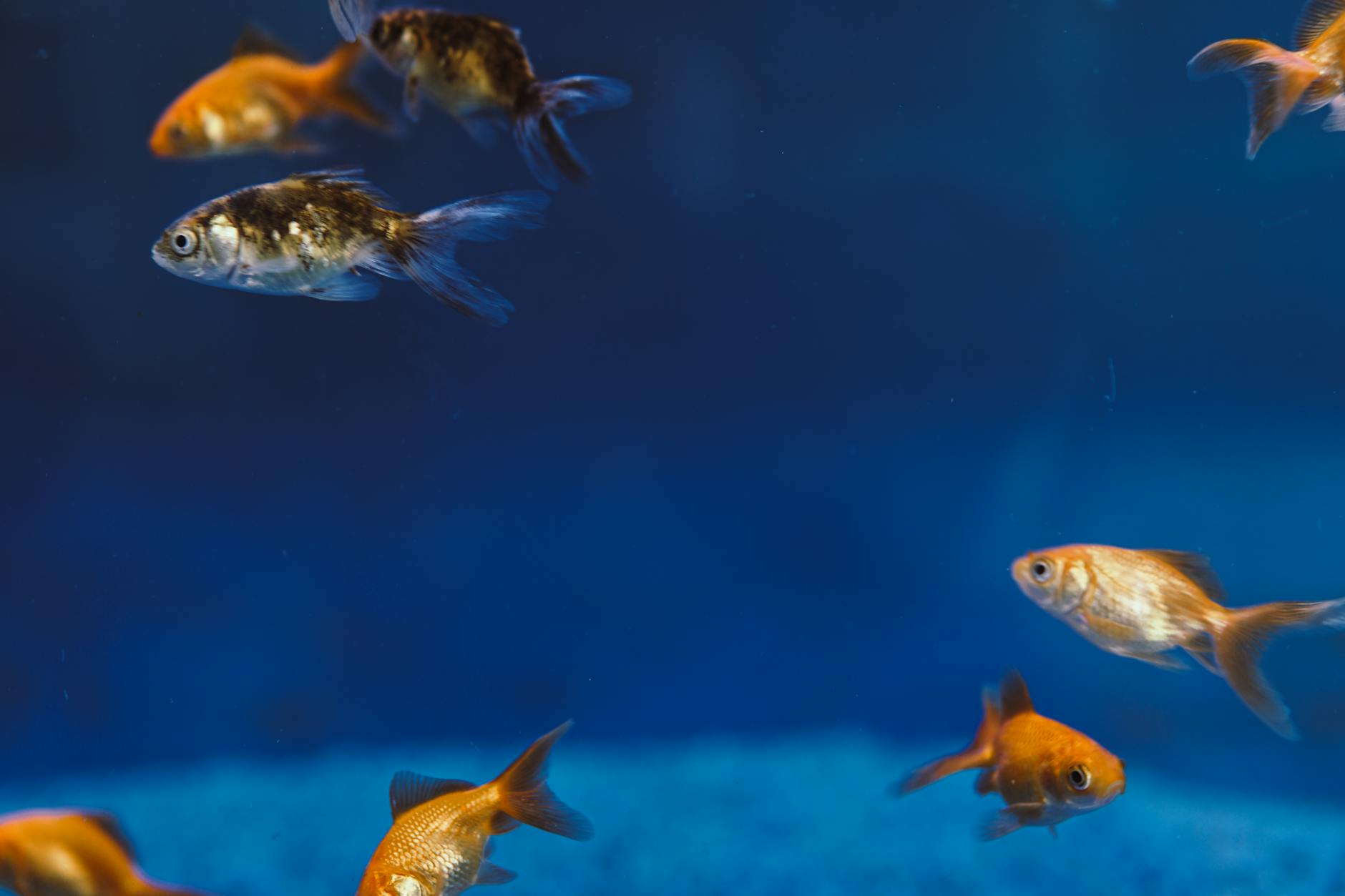
Introduction: The Allure and Responsibility of Fish Bowls
Fish bowls, with their simple elegance, have long been a popular choice for keeping pet fish. They offer a compact and aesthetically pleasing way to introduce the wonders of aquatic life into your home. However, their simplicity can be deceiving. While they might seem easier to manage than larger aquariums, small fish bowls present unique challenges that require a dedicated understanding of basic fishkeeping principles. This article provides a comprehensive guide on how do you take care of a small fish bowl, covering everything from setting it up correctly to maintaining a healthy and happy environment for your finned friend. Properly caring for a fish bowl is crucial to ensuring the well-being of the inhabitant.

How intelligent are fish?
Are fish heads good for the garden?
Can fish hear water?
What is cotton rot in fish?
Understanding the Limitations of a Small Fish Bowl

Before diving into the “how-to,” it’s vital to acknowledge the limitations of a small fish bowl. The small volume of water means:
- Rapid water parameter fluctuations: Temperature, pH, ammonia, nitrite, and nitrate levels can change quickly, stressing or even killing your fish.
- Limited space: Most fish need ample space to swim and thrive. Cramped conditions can lead to stress, aggression, and stunted growth.
- Difficult to filter effectively: Conventional aquarium filters are often too large or unsuitable for small bowls, making water quality maintenance more challenging.
- Lower oxygen levels: Smaller surface area limits gas exchange, potentially leading to oxygen deficiencies.
Therefore, choosing the right fish (if any) for a fish bowl is paramount, and regular maintenance is absolutely essential.
Choosing the Right Fish (Or Perhaps Not!)
The first and most crucial decision is determining what, if any, fish are appropriate for a bowl. The commonly kept Betta splendens (Siamese Fighting Fish) is often mistakenly believed to thrive in bowls. While they can survive in a small volume, they prefer larger tanks and require specific conditions to thrive. Smaller invertebrates like snails and shrimp are a better, more ethical choice for most bowls.
If you absolutely want to keep a fish, consider these factors:
- Size: The fish should be very small (under 1 inch fully grown).
- Temperament: The fish should be peaceful and not require schooling.
- Water parameter tolerance: The fish should be relatively tolerant of fluctuations in water quality.
Examples (with caveats, and still generally not recommended):
- Endler’s Livebearer: Extremely small, but males are prone to aggression in cramped conditions.
- White Cloud Mountain Minnow: Prefers cooler water and a larger group, making bowls generally unsuitable.
It’s vital to research any species thoroughly before committing to it, as the animal’s life depends on your informed decision. Opting for plants or invertebrates is often the most responsible choice for a small bowl.
Setting Up Your Fish Bowl Properly
Setting up a small fish bowl requires careful attention to detail. Here’s a step-by-step guide:
- Choose the Right Bowl: Opt for a round or slightly elongated bowl made of clear glass or acrylic. Avoid bowls with narrow openings, as they can restrict oxygen exchange.
- Substrate: Add a thin layer (1-2 inches) of aquarium gravel or sand. This provides a surface for beneficial bacteria to colonize and helps anchor plants. Rinse the substrate thoroughly before adding it to the bowl.
- Decorations: Include decorations that provide hiding places for your fish or invertebrates. Smooth rocks, driftwood, and aquatic plants are excellent choices. Avoid sharp or abrasive objects that could injure your pet.
- Water: Use dechlorinated tap water or bottled spring water. Never use distilled water, as it lacks essential minerals. Fill the bowl, leaving some space at the top.
- Acclimation (If Adding Fish): Float the bag containing the fish in the bowl for 15-30 minutes to equalize the temperature. Then, slowly add small amounts of bowl water to the bag over another 15-30 minutes. Finally, gently release the fish into the bowl.
- Cycle the bowl: Use a bacterial starter product to kickstart the nitrogen cycle.
Maintaining Water Quality: The Cornerstone of Fish Bowl Care
Maintaining pristine water quality is paramount in a small fish bowl. Here’s how:
- Regular Water Changes: Perform partial water changes (25-50%) at least once a week. Use a siphon to remove debris from the bottom of the bowl.
- Dechlorinate: Always dechlorinate tap water before adding it to the bowl.
- Monitor Water Parameters: Invest in a testing kit to monitor ammonia, nitrite, and nitrate levels. High levels indicate poor water quality and necessitate more frequent water changes.
- Avoid Overfeeding: Overfeeding is a major cause of water quality problems. Feed your fish a small amount of food that they can consume in a few minutes.
Feeding Your Fish or Invertebrates
Proper feeding is crucial for the health and well-being of your fish or invertebrates.
- Feed the Right Food: Choose a food that is specifically formulated for the species you are keeping.
- Feed in Moderation: Overfeeding is a common mistake that leads to poor water quality. Feed your fish or invertebrates a small amount of food that they can consume in a few minutes.
- Vary the Diet: Offer a variety of foods to ensure that your fish or invertebrates are getting all the nutrients they need.
Common Mistakes to Avoid
Avoiding these common mistakes is crucial for successful fish bowl keeping:
- Overstocking: Keeping too many fish in a small bowl is a recipe for disaster.
- Overfeeding: Overfeeding leads to poor water quality and health problems.
- Lack of Water Changes: Regular water changes are essential for maintaining water quality.
- Direct Sunlight: Exposing the bowl to direct sunlight can cause algae blooms and overheating.
- Ignoring Water Parameters: Regularly monitoring water parameters is crucial for detecting and addressing potential problems.
Maintaining a Healthy Environment
Beyond water quality, other factors contribute to a healthy environment:
- Temperature: Maintain a stable temperature within the appropriate range for your chosen species.
- Lighting: Provide adequate lighting for plants, but avoid excessive light, which can promote algae growth.
- Observation: Regularly observe your fish or invertebrates for signs of illness or stress.
Summary of Essential Supplies
Here’s a table of essential supplies to consider.
| Supply | Description |
|---|---|
| Fish Bowl | Glass or acrylic bowl, ideally wider than tall. |
| Substrate | Aquarium gravel or sand; provides a surface for beneficial bacteria. |
| Decorations | Smooth rocks, driftwood, or aquatic plants; provide hiding places. |
| Dechlorinator | Removes chlorine and chloramine from tap water. |
| Water Testing Kit | Tests for ammonia, nitrite, and nitrate levels. |
| Fish Food | Choose food appropriate to the species; feed in small amounts. |
| Siphon | Used for removing debris during water changes. |
Frequently Asked Questions (FAQs)
What is the ideal size for a fish bowl?
The ideal size depends on the species of fish (if any) you plan to keep. Larger is always better, allowing for more stable water parameters and greater swimming space. However, for most fish, a bowl is never ideal. If you plan to keep fish, a minimum of 5 gallons is recommended, but even that is insufficient for many species. Bowls under 3 gallons are best suited for shrimp or snails.
How often should I clean my fish bowl?
You should perform partial water changes (25-50%) at least once a week. If you notice signs of poor water quality, such as cloudy water or high ammonia levels, increase the frequency of water changes.
Can I use tap water in my fish bowl?
Yes, you can use tap water, but you must dechlorinate it first. Tap water contains chlorine and chloramine, which are toxic to fish and invertebrates. Use a dechlorinator specifically designed for aquarium use.
What type of fish can live in a small fish bowl?
Very few fish can thrive in a small fish bowl. Most require larger tanks with filtration and heating. Endler’s Livebearers might survive if you can carefully manage the water parameters and avoid overpopulation, but still, larger tanks are highly suggested. Small shrimp and snails are better options.
How do I know if my fish is sick?
Signs of illness in fish include lethargy, loss of appetite, fin clamping, erratic swimming, and visible spots or lesions. If you suspect your fish is sick, research the specific symptoms and consider consulting with an aquatic veterinarian.
What do I do if my fish bowl water turns cloudy?
Cloudy water is often a sign of a bacterial bloom or poor water quality. Perform a partial water change and monitor water parameters. Avoid overfeeding, as this can contribute to cloudy water.
Can I put live plants in my fish bowl?
Yes, live plants can be beneficial for a fish bowl. They help oxygenate the water, absorb nitrates, and provide hiding places for fish and invertebrates. Choose plants that are appropriate for small bowls and require low light levels, such as Java moss, Anubias, or Marimo moss balls.
How do I prevent algae from growing in my fish bowl?
To prevent algae growth:
- Avoid placing the bowl in direct sunlight.
- Perform regular water changes.
- Introduce algae-eating snails or shrimp (if appropriate for your setup).
- Limit the amount of light the bowl receives.
What temperature should I keep my fish bowl at?
The ideal temperature depends on the species you are keeping. Research the specific temperature requirements for your fish or invertebrates and use an aquarium thermometer to monitor the water temperature.
Do I need a filter for my fish bowl?
While not always essential, a small sponge filter can greatly improve water quality in a fish bowl. It provides biological filtration, removing ammonia and nitrite from the water.
How do I cycle a fish bowl?
Cycling a fish bowl involves establishing a colony of beneficial bacteria that convert harmful ammonia and nitrite into less toxic nitrate. You can use a bacterial starter product to speed up the process. Regularly test the water and perform water changes as needed until the ammonia and nitrite levels consistently read zero.
What are the best decorations for a fish bowl?
The best decorations for a fish bowl are smooth rocks, driftwood, and aquatic plants. Avoid sharp or abrasive objects that could injure your fish or invertebrates.