

How To Stop Ferret Aggression: A Comprehensive Guide
Stopping ferret aggression involves a multi-faceted approach, addressing potential causes like medical issues, poor socialization, and environmental stressors by carefully observing your ferret’s behavior, providing appropriate training and enrichment, and consulting with a veterinarian for underlying health concerns.
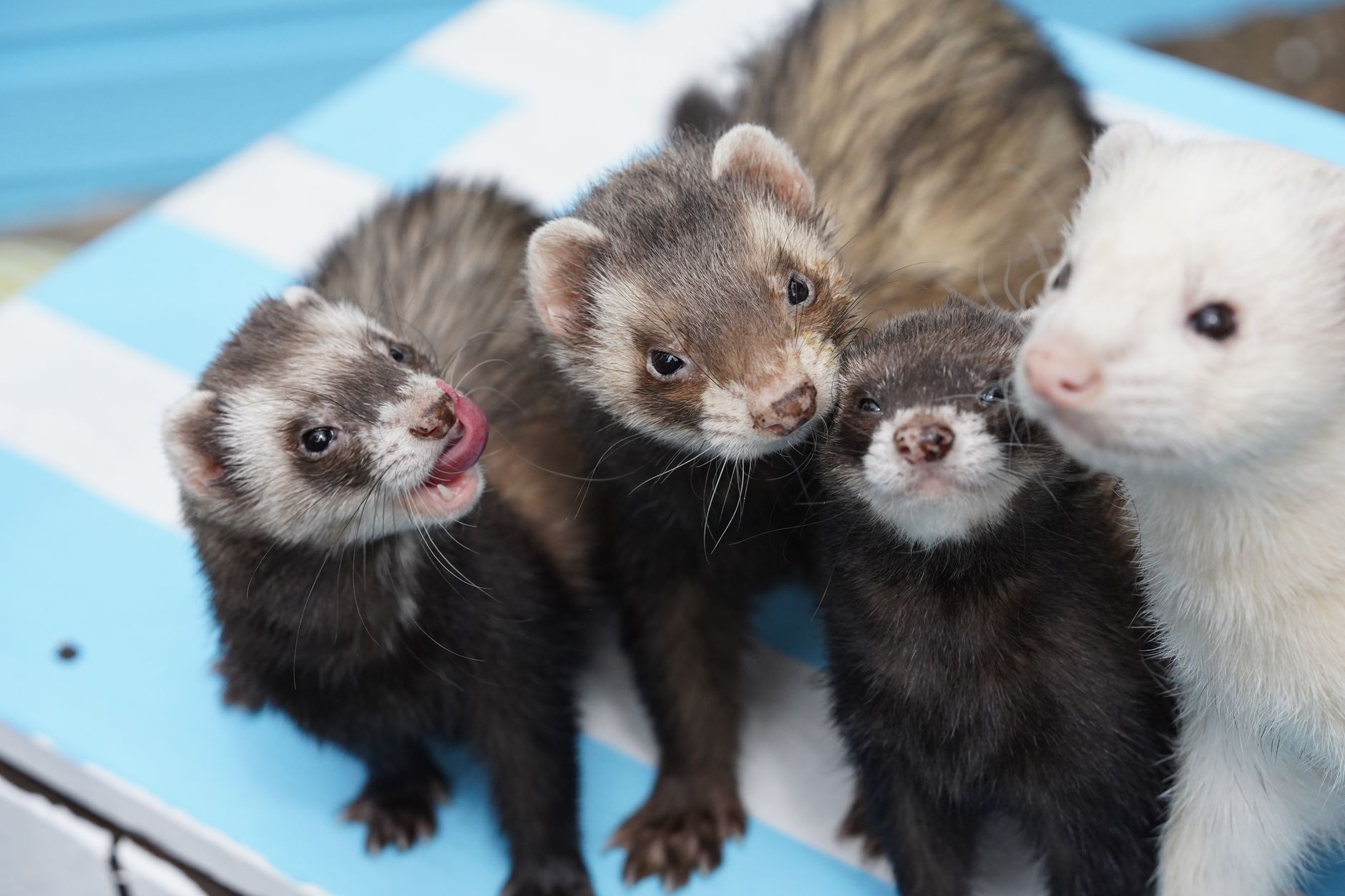
Understanding Ferret Aggression
Ferrets, while often playful and endearing, can sometimes exhibit aggressive behaviors. Understanding the root causes is crucial for implementing effective solutions. Aggression isn’t always malicious; it can be a sign of fear, pain, confusion, or even hormonal imbalances. Ignoring these behaviors can lead to escalating problems and a strained relationship with your ferret. How do you stop ferret aggression? The answer begins with a thorough understanding of ferret behavior.

Is distilled water good for goldfish?
What colours are fish most attracted to?
Can you put your finger in a trout's mouth?
Is methylene blue anti bacterial?
Identifying Potential Causes

Aggression in ferrets rarely arises without a reason. Several factors can contribute:
- Medical Issues: Internal pain or discomfort can lead to irritability and aggression.
- Poor Socialization: Ferrets not properly socialized as kits (baby ferrets) may struggle to interact appropriately with humans or other animals.
- Fear and Anxiety: A perceived threat or stressful environment can trigger defensive aggression.
- Hormonal Imbalances: Intact ferrets, especially during mating season, can exhibit hormonally driven aggression.
- Territoriality: Some ferrets are naturally territorial and may become aggressive when their space is invaded.
- Play-Related Nipping: Ferrets often nip during play, but this can escalate into aggression if not properly addressed.
- Pain Association: If handling has been associated with a painful experience, the ferret may become fearful and aggressive.
Strategies for Managing Ferret Aggression
Successfully managing ferret aggression requires a patient and consistent approach. The following strategies can be implemented:
- Veterinary Checkup: Rule out any underlying medical conditions with a thorough examination.
- Desensitization and Counter-Conditioning: Gradually expose your ferret to the stimulus triggering the aggression while associating it with positive reinforcement (treats, praise).
- Redirection: If your ferret starts to display aggressive behavior, redirect their attention with a toy or a distracting noise.
- Time-Outs: If redirection fails, place the ferret in a time-out cage for a brief period (5-10 minutes). This isn’t punishment, but a chance for them to calm down.
- Consistent Handling: Handle your ferret gently and frequently to build trust.
- Positive Reinforcement: Reward calm and gentle behavior with treats, praise, and affection.
- Proper Cage Setup: Ensure the ferret’s cage is spacious, clean, and provides adequate enrichment.
- Enrichment and Play: Provide plenty of opportunities for play and exploration to reduce boredom and frustration.
- Hormone Control: Consider neutering or spaying to reduce hormonally driven aggression.
The Importance of Early Socialization
Socialization is paramount in preventing future aggression. Exposing young ferrets to a variety of people, animals, and environments helps them develop into well-adjusted adults.
- Start socialization early, ideally before 12 weeks of age.
- Supervise interactions carefully to prevent negative experiences.
- Introduce new stimuli gradually.
- Reward calm and positive interactions.
Common Mistakes to Avoid
Several common mistakes can exacerbate ferret aggression:
- Punishment: Physical punishment or yelling can increase fear and aggression.
- Inconsistent Handling: Inconsistent handling can lead to confusion and insecurity.
- Ignoring Warning Signs: Ignoring early signs of aggression can allow the behavior to escalate.
- Over-Stimulation: Overly rough or intense play can trigger aggression.
- Forcing Interactions: Forcing your ferret to interact when they are clearly uncomfortable can create negative associations.
Creating a Safe and Enriching Environment
A stimulating and safe environment is crucial for preventing and managing ferret aggression. Consider these factors:
- Spacious Cage: Provide a cage that is large enough for the ferret to move around comfortably.
- Multiple Levels: Include multiple levels for climbing and exploring.
- Hiding Places: Offer hiding places, such as hammocks or tunnels, for the ferret to retreat to when feeling stressed.
- Toys and Enrichment: Provide a variety of toys, such as balls, tunnels, and puzzle toys, to keep the ferret entertained.
- Cleanliness: Maintain a clean and sanitary cage to prevent disease and discomfort.
- Temperature Control: Keep the cage at a comfortable temperature, avoiding extremes of heat or cold.
Using Positive Reinforcement Techniques
Positive reinforcement is a powerful tool for shaping ferret behavior. By rewarding desired behaviors, you can encourage your ferret to repeat them.
- Use high-value treats that your ferret enjoys.
- Provide praise and affection when your ferret behaves well.
- Be consistent with your rewards.
- Use a clicker to mark desired behaviors.
When to Seek Professional Help
If you are struggling to manage your ferret’s aggression, it’s crucial to seek professional help.
- Veterinarian: A veterinarian can rule out underlying medical conditions.
- Certified Ferret Trainer: A trainer experienced with ferrets can provide guidance on behavior modification techniques.
- Veterinary Behaviorist: A veterinary behaviorist can diagnose and treat behavioral problems.
Monitoring and Documentation
Careful monitoring and documentation of your ferret’s behavior can help identify patterns and triggers. Keep a record of:
- The time, date, and location of aggressive incidents.
- The specific behaviors exhibited.
- The potential triggers for the aggression.
- The effectiveness of any interventions.
| Date | Time | Location | Behavior | Trigger | Intervention | Result |
|---|---|---|---|---|---|---|
| 2024-10-26 | 10:00 | Cage | Biting hand | Reaching into cage | Redirect with toy | Redirected successfully |
| 2024-10-26 | 14:00 | Playpen | Hissing at other ferret | New ferret introduced | Separated ferrets | Calmed down after separation |
Understanding Ferret Body Language
Learning to interpret your ferret’s body language can help you anticipate and prevent aggressive behaviors.
- Hissing: A sign of fear or aggression.
- Arching Back: Indicates fear or defensiveness.
- Puffed Up Tail: A sign of excitement or agitation.
- Biting: A clear sign of aggression.
- Lunging: A display of aggression.
- Chasing: Can be playful or aggressive, depending on the context.
The Role of Diet in Behavior
While less direct than other factors, diet can indirectly influence a ferret’s behavior. Ensuring your ferret receives a high-quality, species-appropriate diet is essential for their overall health and well-being.
- Feed a diet specifically formulated for ferrets, high in animal protein and fat.
- Avoid sugary treats, which can lead to blood sugar fluctuations and irritability.
- Provide fresh water at all times.
Frequently Asked Questions
What are the first steps to take when dealing with an aggressive ferret?
The initial steps should always involve a veterinary checkup to rule out any underlying medical conditions. Following that, carefully observe your ferret’s behavior to identify potential triggers and patterns of aggression.
Is it possible to completely eliminate aggression in all ferrets?
While it’s not always possible to completely eliminate aggression, especially in ferrets with deep-seated behavioral issues, consistent training, environmental enrichment, and addressing underlying causes can significantly reduce the frequency and intensity of aggressive behaviors.
How can I tell the difference between playful nipping and aggressive biting?
Playful nipping is usually gentle and doesn’t break the skin. Aggressive biting, on the other hand, is typically forceful and intended to cause pain. Pay attention to your ferret’s body language; playful ferrets are usually relaxed and engaging, while aggressive ferrets are often tense and defensive.
What toys and enrichment activities are best for reducing aggression in ferrets?
Puzzle toys, tunnels, dig boxes, and interactive toys that stimulate mental and physical activity are excellent for reducing boredom and frustration, which can contribute to aggression. Rotate toys regularly to keep your ferret engaged.
Should I separate an aggressive ferret from other ferrets?
If your ferret is consistently aggressive towards other ferrets, separation is often necessary to prevent injuries. Reintroduction should be done gradually and under close supervision, focusing on positive reinforcement and desensitization.
What is the role of neutering/spaying in managing ferret aggression?
Neutering or spaying can significantly reduce hormonally driven aggression, especially in male ferrets during mating season. This procedure eliminates the production of hormones that contribute to aggressive behaviors.
How long does it typically take to see improvement in a ferret’s aggressive behavior?
The timeline for seeing improvement varies depending on the severity of the aggression and the consistency of your efforts. Some ferrets may show progress within a few weeks, while others may require several months of consistent training and management.
What are some common triggers for ferret aggression that I should be aware of?
Common triggers include sudden movements, loud noises, being woken up unexpectedly, unfamiliar people or animals, and feeling trapped or confined. Identifying and minimizing these triggers is essential for managing aggression.
Can a ferret’s diet contribute to aggressive behavior?
While diet isn’t a primary cause, a poor diet lacking essential nutrients can indirectly contribute to aggression by affecting overall health and well-being. Ensure your ferret receives a high-quality, species-appropriate diet.
What are the signs that I need to seek professional help from a veterinarian or ferret trainer?
If you are unable to manage your ferret’s aggression on your own, if the aggression is severe or causing injury, or if you suspect an underlying medical condition, seek professional help from a veterinarian or certified ferret trainer.
Is it safe to handle a ferret that is consistently aggressive?
Handling an aggressive ferret can be dangerous. Use caution and wear protective gloves if necessary. Focus on building trust and creating positive associations through gentle handling and positive reinforcement.
How do you stop ferret aggression, permanently? Is that a realistic goal?
While a complete guarantee is impossible, achieving long-term management of ferret aggression is realistic with a dedicated, multi-faceted approach. Addressing medical issues, implementing consistent training, and modifying the environment are key to minimizing and controlling aggressive tendencies for a much happier, balanced pet.