

How to Socialize an Adult Aggressive Dog: A Comprehensive Guide
How do you socialize an adult aggressive dog? It requires a highly structured and patient approach involving desensitization, counter-conditioning, and careful management to reshape their emotional response to triggers and build positive associations.

Understanding Adult Dog Aggression: A Complex Challenge
Aggression in adult dogs is a serious behavioral issue, often stemming from fear, anxiety, past trauma, or a combination of factors. It’s crucial to understand that aggression is a symptom, not a personality trait. Effective socialization, in this context, isn’t about turning an aggressive dog into a social butterfly, but about teaching them to manage their reactivity and feel safe in potentially triggering situations. Never force socialization.
Benefits of Socialization (Even for Aggressive Dogs)
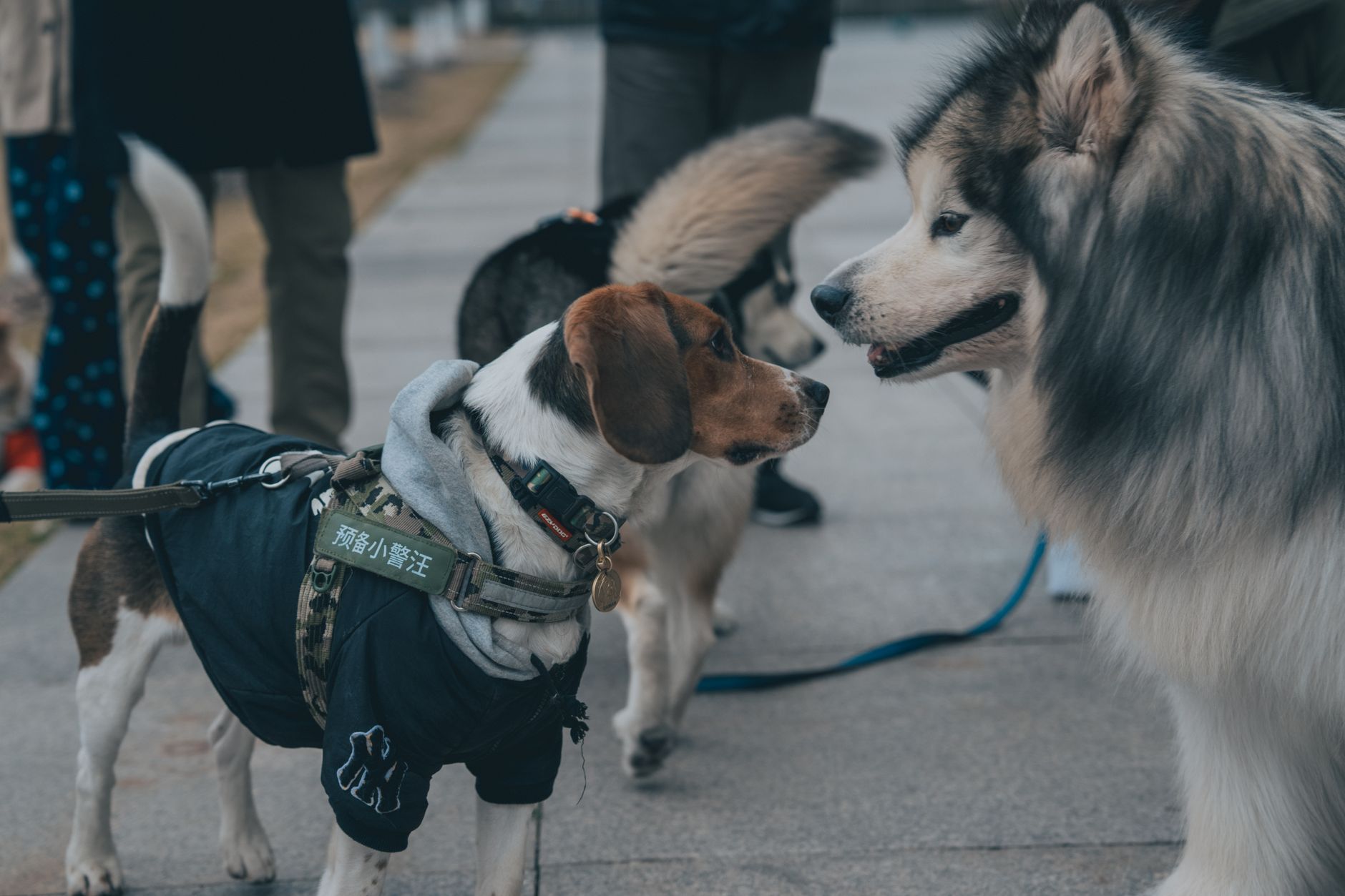
While complete socialization might not be the goal, successful management and reduction of aggressive behaviors offer significant benefits:
- Improved Quality of Life: Reduced anxiety and stress for the dog, leading to a happier, more relaxed life.
- Increased Safety: Decreased risk of bites or attacks, protecting both the dog and others.
- Enhanced Bond: A calmer dog is easier to train and bond with, strengthening the human-animal connection.
- Greater Freedom: A better-managed dog can enjoy more outings and experiences with appropriate precautions.
The Socialization Process: A Step-by-Step Approach
How do you socialize an adult aggressive dog? The key is a gradual and controlled process focused on desensitization and counter-conditioning:
- Professional Assessment: Consult with a certified professional dog trainer or veterinary behaviorist. They can accurately assess the type and severity of aggression, identify triggers, and create a tailored training plan. This is non-negotiable.
- Management is Key: Implement strict management protocols to prevent exposure to triggers. This might involve avoiding certain areas, using a muzzle, and keeping the dog on a leash at all times when outside. This is about ensuring safety.
- Desensitization: Gradually expose the dog to triggers at a very low intensity where they don’t react. For example, if the dog is aggressive towards strangers, start by showing them a photo of a person, then a video, then a person at a great distance.
- Counter-Conditioning: Pair the presence of the trigger with something positive – high-value treats, praise, or a favorite toy. The goal is to change the dog’s association with the trigger from negative to positive.
- Controlled Exposure: As the dog progresses, gradually increase the intensity of the trigger exposure, always staying below the threshold where they react aggressively.
- Positive Reinforcement: Reward calm and appropriate behavior consistently. Avoid punishment, which can exacerbate aggression.
- Medication (if needed): In some cases, medication prescribed by a veterinarian may be necessary to reduce anxiety and facilitate training.
- Consistency and Patience: Socializing an adult aggressive dog takes time, patience, and consistency. Be prepared for setbacks and adjust the training plan as needed.
Tools and Techniques
| Tool/Technique | Description | Use |
|---|---|---|
| Muzzle | Prevents biting. | Essential for safety during training and exposure to triggers. |
| Leash and Harness/Collar | Provides control and prevents escape. | Crucial for managing the dog in public spaces. |
| High-Value Treats | Reinforces positive behavior. | Used during counter-conditioning to create positive associations with triggers. |
| Clicker (optional) | Marks the precise moment of desired behavior. | Can improve communication during training. |
| Calming Aids | Such as pheromone diffusers or anxiety wraps. | May help reduce overall anxiety levels and make the dog more receptive to training. |
| Secure Environment | A safe and controlled space for training sessions. | Prevents unexpected distractions or exposure to triggers before the dog is ready. |
Common Mistakes to Avoid
- Flooding: Exposing the dog to triggers at a high intensity before they are ready. This can overwhelm them and make the aggression worse.
- Punishment: Punishing aggressive behavior will only increase fear and anxiety, making the problem worse.
- Inconsistency: A lack of consistency in training and management will confuse the dog and hinder progress.
- Ignoring Early Warning Signs: Missing subtle cues of anxiety or stress can lead to an escalation of aggressive behavior.
- Forcing Interactions: Never force the dog to interact with people or other animals.
- Lack of Professional Guidance: Attempting to socialize an aggressive dog without professional help can be dangerous and ineffective.
Conclusion: A Commitment to Improvement
How do you socialize an adult aggressive dog? It’s a challenging, ongoing journey requiring expertise, patience, and unwavering commitment. While complete elimination of aggression might not always be possible, significant improvements in behavior and quality of life are achievable with the right approach. Remember, prioritize safety and seek professional guidance every step of the way.

Frequently Asked Questions (FAQs)
Is it ever too late to socialize an aggressive dog?
No, it’s never truly too late, but the older the dog and the longer the aggressive behavior has been established, the more challenging it will be. Significant improvements are often still possible, even in senior dogs.
What is the difference between socialization and rehabilitation?
Socialization typically refers to the process of exposing puppies or young dogs to various stimuli to prevent fear and anxiety. Rehabilitation focuses on modifying existing problematic behaviors, such as aggression. In the context of adult aggressive dogs, we’re often talking about rehabilitation, although elements of socialization may still be involved.
How long does it take to socialize an adult aggressive dog?
There’s no one-size-fits-all answer. It depends on the severity of the aggression, the dog’s temperament, the consistency of the training, and the expertise of the trainer. It can take months, or even years, to see significant progress.
Can I socialize my aggressive dog myself?
It’s strongly recommended to work with a certified professional dog trainer or veterinary behaviorist. Attempting to socialize an aggressive dog without professional guidance can be dangerous and ineffective. A professional can accurately assess the problem, develop a safe and effective training plan, and provide ongoing support.
What if my dog bites someone during socialization?
Prioritize medical attention for the victim and immediately consult with an attorney and animal control. You may be legally liable for the bite. Re-evaluate the training plan with your behaviorist, and consider increasing management measures, such as muzzle use.
What types of aggression are most difficult to treat?
Resource guarding and aggression towards other dogs in the household can be particularly challenging. These often require specialized techniques and may not be completely resolved. Owner-directed aggression is also very dangerous and necessitates immediate professional intervention.
What role does genetics play in dog aggression?
Genetics can play a significant role in predisposing a dog to aggression. Certain breeds are known to be more prone to aggression, although it’s important to remember that not all dogs of a particular breed will be aggressive. Genetics interact with environmental factors to shape behavior.
What if my dog is aggressive towards children?
Aggression towards children requires extreme caution and often means the dog cannot be safely around children. This situation requires a very thorough assessment by a qualified professional and might mean finding a home without children is the safest option.
Is a muzzle always necessary when socializing an aggressive dog?
A muzzle can be a valuable tool for safety, especially during the initial stages of training and when exposing the dog to triggers. It allows you to work on desensitization and counter-conditioning without the risk of biting. A basket muzzle allows the dog to pant, drink, and take treats.
What is “threshold” in the context of dog aggression?
“Threshold” refers to the point at which a dog reacts aggressively to a trigger. The goal of desensitization and counter-conditioning is to gradually raise the dog’s threshold, so they can tolerate increasingly intense stimuli without reacting aggressively.
Are there any medications that can help with dog aggression?
Certain medications, prescribed by a veterinarian, can help reduce anxiety and impulsivity in aggressive dogs, making them more receptive to training. These medications should always be used in conjunction with behavioral modification, not as a replacement for it. Common medications include SSRIs and anti-anxiety drugs.
What if I can no longer manage my aggressive dog?
If you are unable to safely manage your aggressive dog, consider reaching out to a reputable rescue organization or veterinary behaviorist. Euthanasia may be a humane option in cases where the dog’s aggression poses a significant risk to public safety or their quality of life is severely compromised. This is a difficult decision, but sometimes the kindest one.