
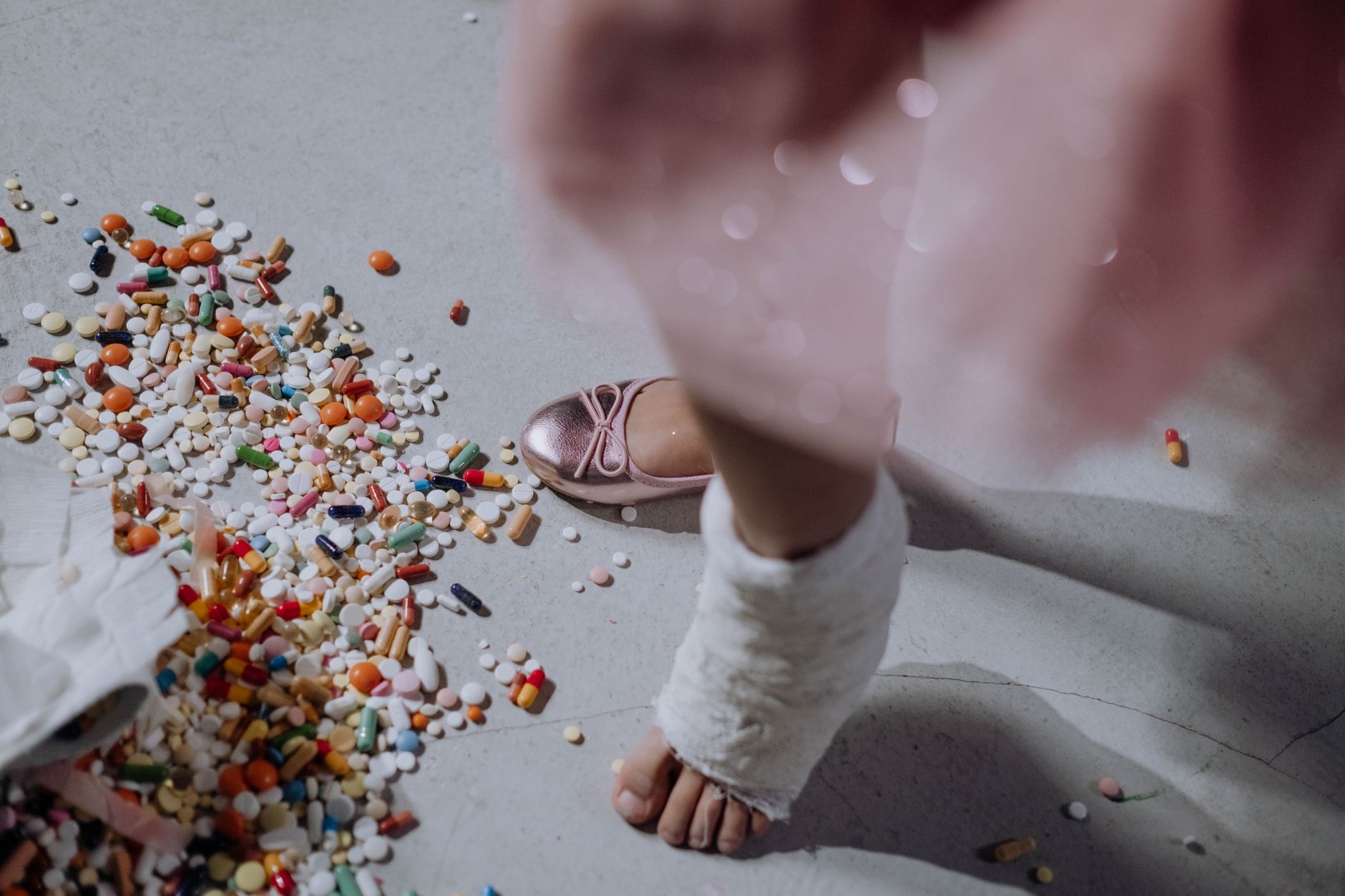
What Comes After a Cast Is Removed? Unveiling the Recovery Journey
After a cast comes off, recovery is just beginning. Physical therapy, gradual activity increase, and consistent care are crucial for restoring strength, mobility, and overall function after immobilization.

Introduction: Life Beyond the Cast
The moment your cast is removed marks a significant milestone in your healing journey. However, it’s crucial to understand that what comes after a cast is removed? is not simply a return to pre-injury activities. Your limb has been immobilized for a considerable period, leading to muscle weakness, stiffness, and potentially even skin sensitivity. A well-structured rehabilitation plan is essential to regain full function and prevent re-injury. This article serves as a comprehensive guide to navigate the recovery process, addressing common concerns, offering practical advice, and ensuring a smooth transition back to your everyday life.
Preparing for Cast Removal
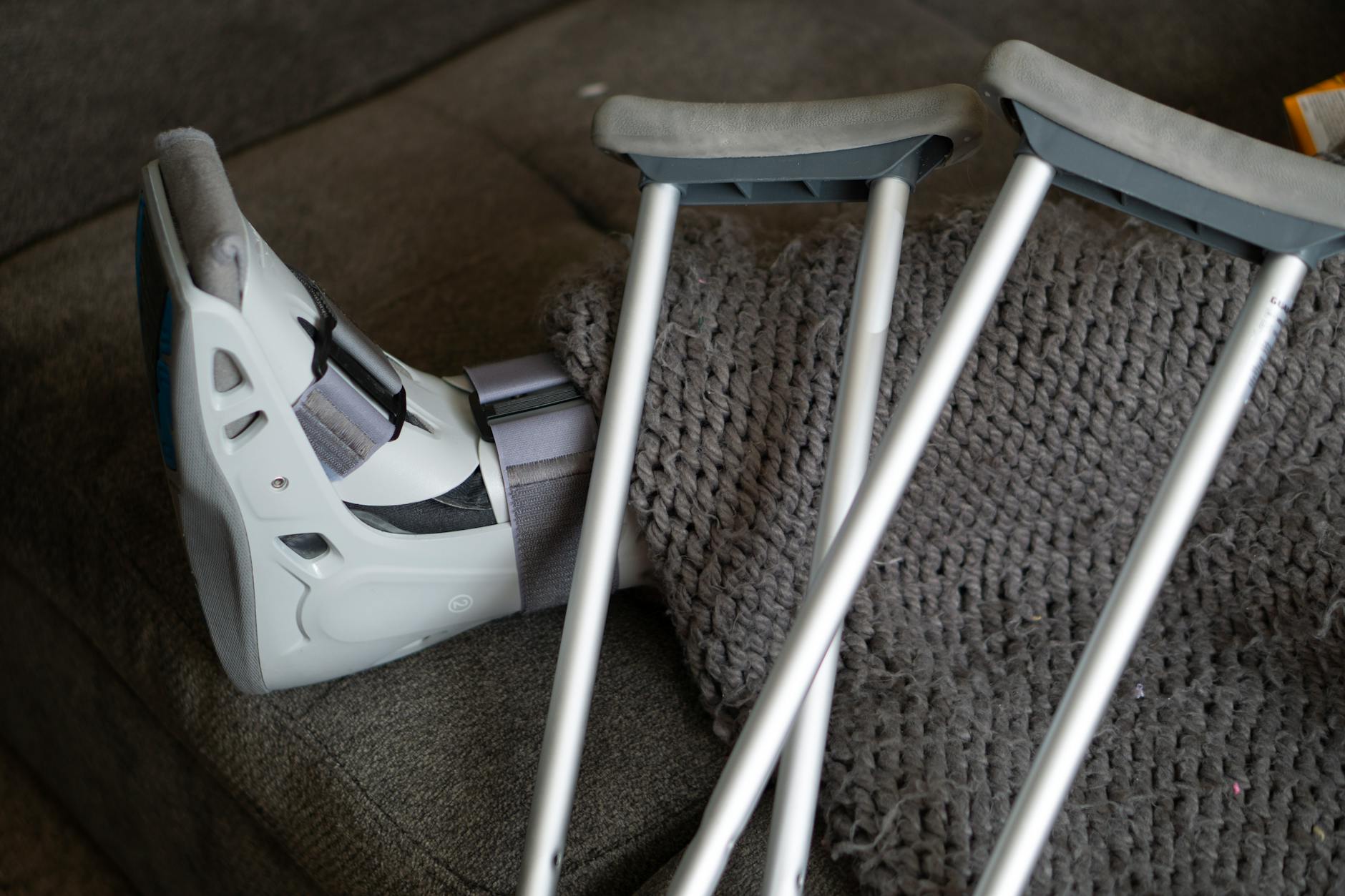
Before the big day, there are a few things you can do to mentally and physically prepare yourself for the experience. Understanding the process can help alleviate any anxieties.
- Communicate with Your Healthcare Provider: Discuss any concerns or expectations you have regarding the cast removal and subsequent recovery process.
- Hydrate: Proper hydration helps keep your skin healthy and can aid in the shedding of dead skin cells accumulated under the cast.
- Gather Essential Supplies: Have comfortable clothing, moisturizer, and any prescribed medications readily available.
The Immediate Aftermath: What to Expect
The first sight of your limb after cast removal can be a bit alarming. Don’t panic! Here’s what’s normal:
- Skin Appearance: Expect dry, flaky skin, possibly with discoloration. This is due to the buildup of dead skin cells and lack of exposure to air and sunlight.
- Odor: An unpleasant odor is common due to trapped sweat and bacteria. Gentle washing will address this.
- Stiffness and Weakness: Your muscles will likely feel stiff and weak due to disuse atrophy.
- Swelling: Some swelling is expected, especially if the injury was in a lower extremity.
The Rehabilitation Process: Regaining Strength and Mobility
Rehabilitation is a cornerstone of recovery. A structured program, often guided by a physical therapist, is essential for restoring function.
- Physical Therapy: This typically includes exercises to improve range of motion, strength, balance, and coordination.
- Gradual Activity Increase: Slowly increase your activity level as tolerated, avoiding sudden or strenuous movements that could lead to re-injury.
- Pain Management: Address pain effectively with prescribed medications or over-the-counter pain relievers, as directed by your doctor.
Skin Care: Addressing Dryness and Sensitivity
The skin that was under the cast needs gentle care to restore its health.
- Soaking: Start with a gentle soak in lukewarm water. Avoid harsh soaps or vigorous scrubbing.
- Moisturizing: Apply a fragrance-free, hypoallergenic moisturizer several times a day to combat dryness and irritation.
- Sun Protection: The skin under the cast is more sensitive to sunlight. Protect it with sunscreen or clothing when exposed.
Common Mistakes to Avoid
Recovery can be hindered by common pitfalls. Awareness is key to prevention.

- Overdoing It: Avoid pushing yourself too hard too soon. Gradual progression is crucial.
- Ignoring Pain: Pain is a signal that something is wrong. Stop the activity and consult with your healthcare provider.
- Neglecting Physical Therapy: Adhere to your physical therapy program diligently for optimal results.
- Skipping Skin Care: Consistent skin care is essential to prevent dryness, itching, and infection.
Long-Term Care and Prevention
Maintaining the progress you’ve made is vital for long-term well-being.
- Continued Exercise: Continue performing the exercises prescribed by your physical therapist to maintain strength and flexibility.
- Proper Body Mechanics: Practice proper body mechanics to prevent re-injury, especially when lifting or engaging in strenuous activities.
- Regular Check-ups: Attend regular check-ups with your doctor or physical therapist to monitor your progress and address any concerns.
Frequently Asked Questions (FAQs)
What comes after a cast is removed often involves numerous questions. Here are some common inquiries and their answers:
What if my limb looks and smells bad after the cast is removed?
The appearance and odor of your limb immediately after cast removal can be unsettling. Expect dry, flaky skin, discoloration, and an unpleasant odor. This is normal and temporary. Gently wash the area with mild soap and water and moisturize well. If the odor persists or you notice signs of infection (redness, swelling, pus), contact your doctor.
How long will it take to regain full strength and mobility?
The duration of recovery varies depending on the severity of the injury, the length of immobilization, and your adherence to the rehabilitation plan. It could take several weeks to months to regain full strength and mobility. Patience and persistence are key.
Can I shower or bathe normally after the cast is removed?
Yes, you can shower or bathe normally after the cast is removed. However, be gentle with your skin. Use lukewarm water and mild soap. Avoid harsh scrubbing or excessive soaking, which can further dry out your skin.
What kind of exercises should I do after cast removal?
Your physical therapist will prescribe specific exercises tailored to your injury and needs. These exercises typically focus on improving range of motion, strength, balance, and coordination. Follow their instructions carefully and avoid overdoing it.
Is it normal to experience pain after cast removal?
Yes, it’s common to experience some pain and discomfort after cast removal. This is due to muscle stiffness, joint immobility, and potential nerve sensitivity. Manage pain with prescribed medications or over-the-counter pain relievers, as directed by your doctor.
What should I do if my skin is itchy after cast removal?
Itching is a common complaint after cast removal. Resist the urge to scratch, as this can further irritate the skin. Apply a generous amount of moisturizer to soothe the itching. You can also try using an over-the-counter antihistamine.
How can I prevent swelling after cast removal?
Swelling is common, especially in lower extremity injuries. Elevate the affected limb whenever possible. Apply ice packs to reduce inflammation. Compression bandages can also help control swelling.
When can I return to my normal activities?
The timeline for returning to normal activities depends on your individual progress and the nature of your work or hobbies. Your doctor or physical therapist will guide you on when and how to gradually reintroduce activities.
What happens if I don’t do physical therapy after cast removal?
Skipping physical therapy can significantly hinder your recovery. Without proper rehabilitation, you may experience prolonged stiffness, weakness, pain, and an increased risk of re-injury. Physical therapy is essential for restoring optimal function.
Do I need to wear a brace or support after the cast is removed?
In some cases, your doctor may recommend wearing a brace or support after the cast is removed to provide additional stability and protection. Follow their instructions regarding brace usage and duration.
Will I need surgery after the cast is removed?
Whether or not you need surgery after cast removal depends on the nature and severity of your injury. In some cases, surgery may be necessary to address underlying issues or stabilize the joint. Your doctor will discuss the need for surgery based on your individual situation.
How can I protect my skin from sun damage after cast removal?
The skin under the cast is more sensitive to sunlight. Protect it with sunscreen with an SPF of 30 or higher whenever exposed to the sun. Wear protective clothing, such as long sleeves and pants, to further minimize sun exposure.