
What Does It Mean When My Cat Purrs on Me? Understanding Your Feline’s Serenade
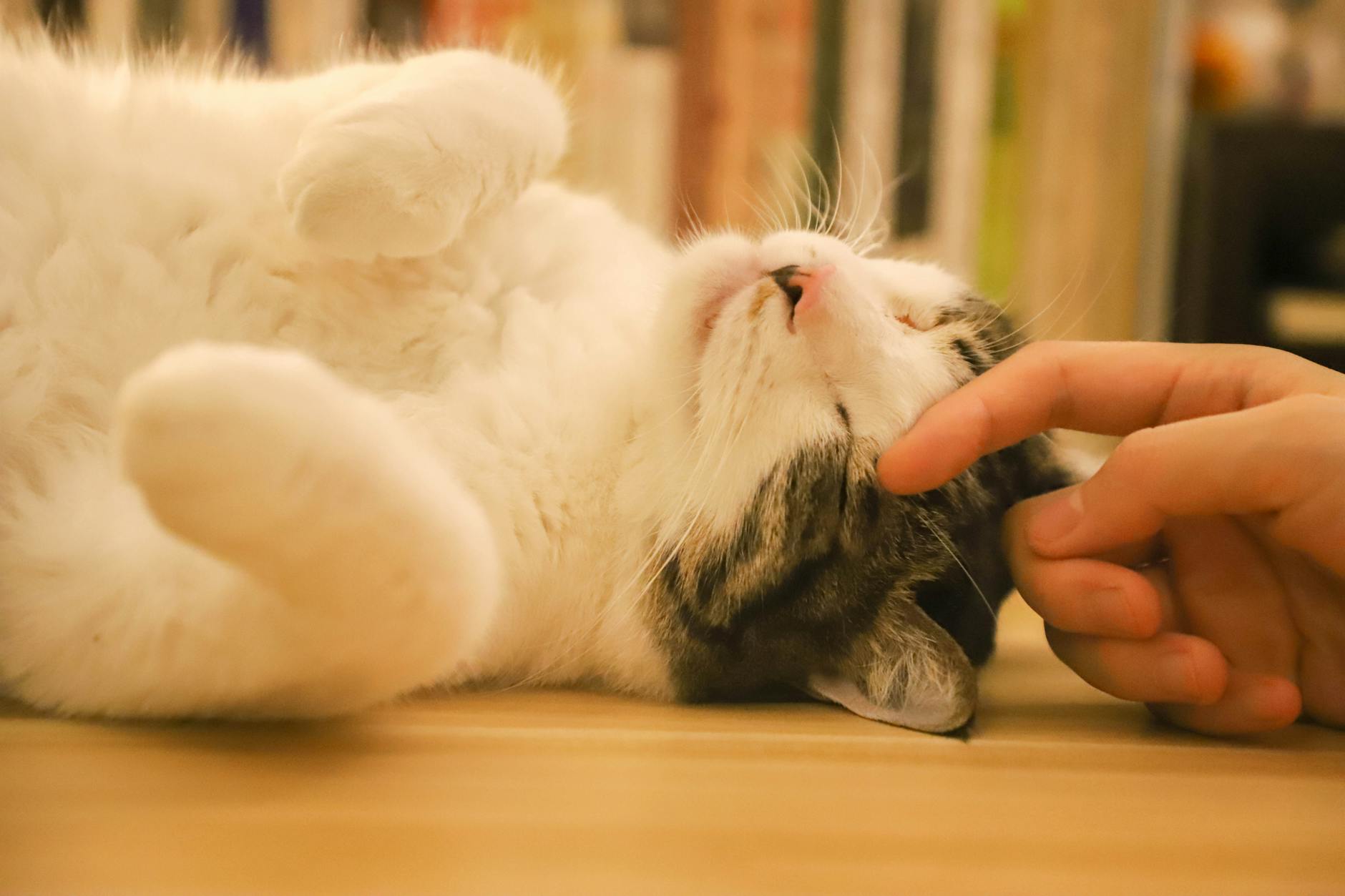
A cat’s purr is often interpreted as a sign of contentment, but it’s actually a far more complex and fascinating behavior. What does it mean when your cat purrs on you? It’s usually a sign of feeling safe, comfortable, and bonded with you, but it can also indicate other, less obvious, emotions and needs.
The Purr-fect Mystery: Decoding Your Cat’s Vibration
The simple act of a cat purring on you can feel incredibly rewarding, strengthening the bond between you and your feline companion. But to truly appreciate this unique form of communication, it’s essential to understand the science, psychology, and context behind it. Let’s delve into the fascinating world of the feline purr.
The Science Behind the Purr

The mechanism behind a cat’s purr has long been a subject of scientific inquiry. While early theories suggested the larynx was solely responsible, current research points to a more intricate process. The most widely accepted explanation involves the intermittent activation of laryngeal muscles, which causes the vocal cords to vibrate as the cat breathes. This vibration is further amplified by the hyoid bone, a small bone in the neck, and the resulting sound resonates throughout the cat’s body. A unique neural oscillator in the brain controls this rapid fluttering of the vocal cords.
Purring: More Than Just Happiness
While contentment is often the primary reason a cat purrs, it’s crucial to recognize that purring isn’t always indicative of a positive emotional state. Cats also purr when they are stressed, injured, or even giving birth. Understanding the context surrounding the purring is key to deciphering its meaning. What does it mean when my cat purrs on me while you’re petting them versus when they’re at the vet? The answer varies significantly.
The Healing Power of Purrs
Perhaps one of the most intriguing aspects of purring is its potential therapeutic benefit. Studies have shown that the frequency of a cat’s purr, typically between 25 and 150 Hertz, falls within a range known to promote bone and tissue healing. This has led to the hypothesis that cats may use purring as a self-soothing mechanism to accelerate their own recovery from injury or illness. Moreover, exposure to these frequencies has been shown to have beneficial effects on humans, potentially lowering stress levels and even promoting bone density.
Different Types of Purrs: A Feline Symphony
Not all purrs are created equal. Just as humans have different tones and inflections in their voice, cats have variations in their purrs that can convey different messages. For example, a high-pitched, insistent purr might be a request for food or attention, while a low, rumbling purr often indicates relaxation and contentment. Experts are even beginning to identify “solicitation purrs,” which are specifically designed to elicit a response from humans, often involving higher frequencies similar to a baby’s cry.
Decoding the Context: Why is Your Cat Purring on You?
Now, let’s return to the central question: What does it mean when my cat purrs on me? The answer is multifaceted and depends heavily on the situation:
- Bonding and Affection: Most commonly, your cat is purring because they feel safe, secure, and loved in your presence. It’s a sign of trust and attachment.
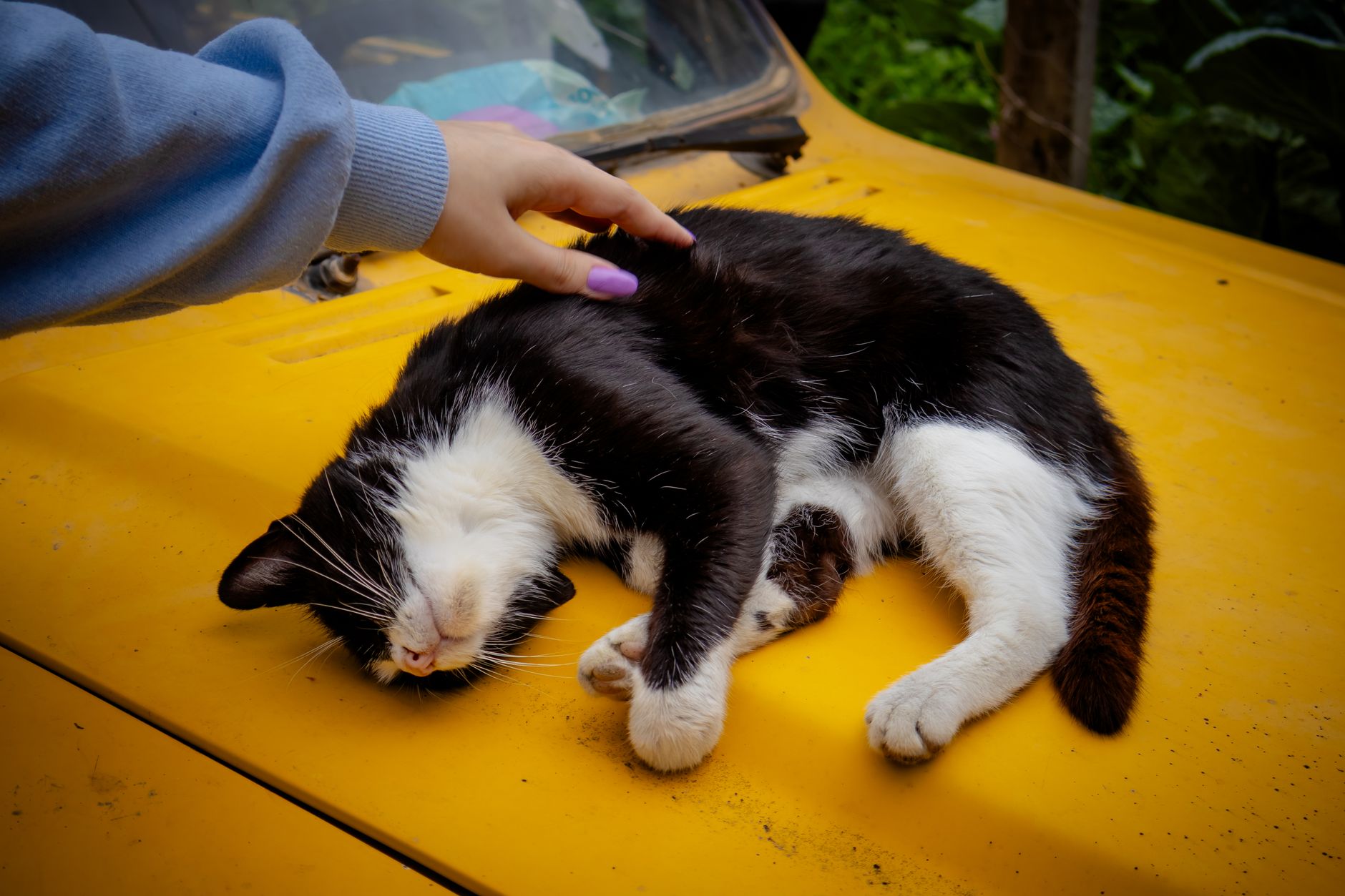
- Seeking Comfort: If you’re petting them gently, they may be purring to show they’re enjoying the interaction and finding it comforting.
- Seeking Attention: Sometimes, a cat will purr to get your attention, especially if they’re hungry or want to play.
- Self-Soothing: If your cat is purring while they’re feeling anxious or unwell, it may be a way for them to calm themselves down.
- Marking Territory: Cats have scent glands on their paws and body. Rubbing and purring on you can be a way to mark you as part of their territory.
Purrsonal Space: Respecting Feline Boundaries
While purring is generally a positive sign, it’s essential to respect your cat’s boundaries. If they start to show signs of discomfort, such as twitching their tail, flattening their ears, or trying to move away, it’s important to stop what you’re doing and give them space. Learning to recognize your cat’s body language is crucial for maintaining a healthy and happy relationship.
Common Purring Mistakes to Avoid
- Assuming All Purring is Good: As mentioned earlier, cats purr for various reasons, not all of which are positive. Always consider the context.
- Ignoring Other Body Language: Pay attention to other cues, such as ear position, tail movement, and posture, to get a complete picture of your cat’s emotional state.
- Forcing Affection: Don’t force your cat to interact with you if they’re not in the mood. This can damage your relationship and make them less likely to purr on you in the future.
- Ignoring Potential Illness: If your cat starts purring more than usual, especially if it’s accompanied by other symptoms like lethargy or loss of appetite, consult a veterinarian.
Purrfecting the Bond: Nurturing the Connection
Ultimately, a cat’s purr is a gift, a sign of the unique bond you share. By understanding the nuances of this fascinating behavior and responding to your cat’s needs with patience and care, you can strengthen that bond and enjoy countless moments of purrfect bliss. The answer to “What does it mean when my cat purrs on me?” is a rewarding testament to the connection you share.

Frequently Asked Questions
Does a cat purr only when it’s happy?
No, while happiness is a common reason, cats also purr when they’re stressed, injured, or in pain. Purring can be a self-soothing mechanism.
Is there a difference between a male and female cat’s purr?
Generally, there is no significant difference in the quality or sound of a purr based on a cat’s sex. Individual variations are more prominent.
Can kittens purr from birth?
Kittens can purr from a very young age, typically within a few days of birth. This helps them bond with their mother and signal their needs.
Why does my cat purr so loudly when I feed it?
This is often a sign of anticipation and excitement! Your cat associates you with a positive experience (food) and is expressing their enjoyment.
My cat purrs when I scratch its chin. Why?
Chin scratches often hit pressure points that cats find pleasurable. The purring is a sign of contentment and relaxation.
What if my cat never purrs? Is it unhealthy?
Not necessarily. Some cats are simply less vocal than others. As long as your cat exhibits other signs of happiness and well-being, lack of purring is usually not a cause for concern.
Can other animals besides cats purr?
While domestic cats are most well-known for purring, some other members of the Felidae family, like cheetahs and bobcats, can also purr, although the mechanism may vary slightly.
Is there a connection between purring and longevity in cats?
While more research is needed, some speculate that the healing properties of purring may contribute to increased lifespan in cats.
Does my cat know I like when it purrs?
Cats are incredibly intuitive and can pick up on human emotions and behaviors. They likely learn that purring elicits a positive response from you and may do it to reinforce your bond.
My cat only purrs when I’m not touching it. Why?
This could indicate that your cat prefers your presence but isn’t always in the mood for physical affection. They’re expressing their appreciation in their own way.
Can cats control when they purr?
Yes, cats have voluntary control over their purring mechanism. They can start and stop purring at will, depending on their emotional state and needs.
Should I worry if my cat suddenly stops purring?
If your cat stops purring after regularly purring, monitor them for other signs of illness or distress. If you notice any other unusual behaviors, consult with a veterinarian.