
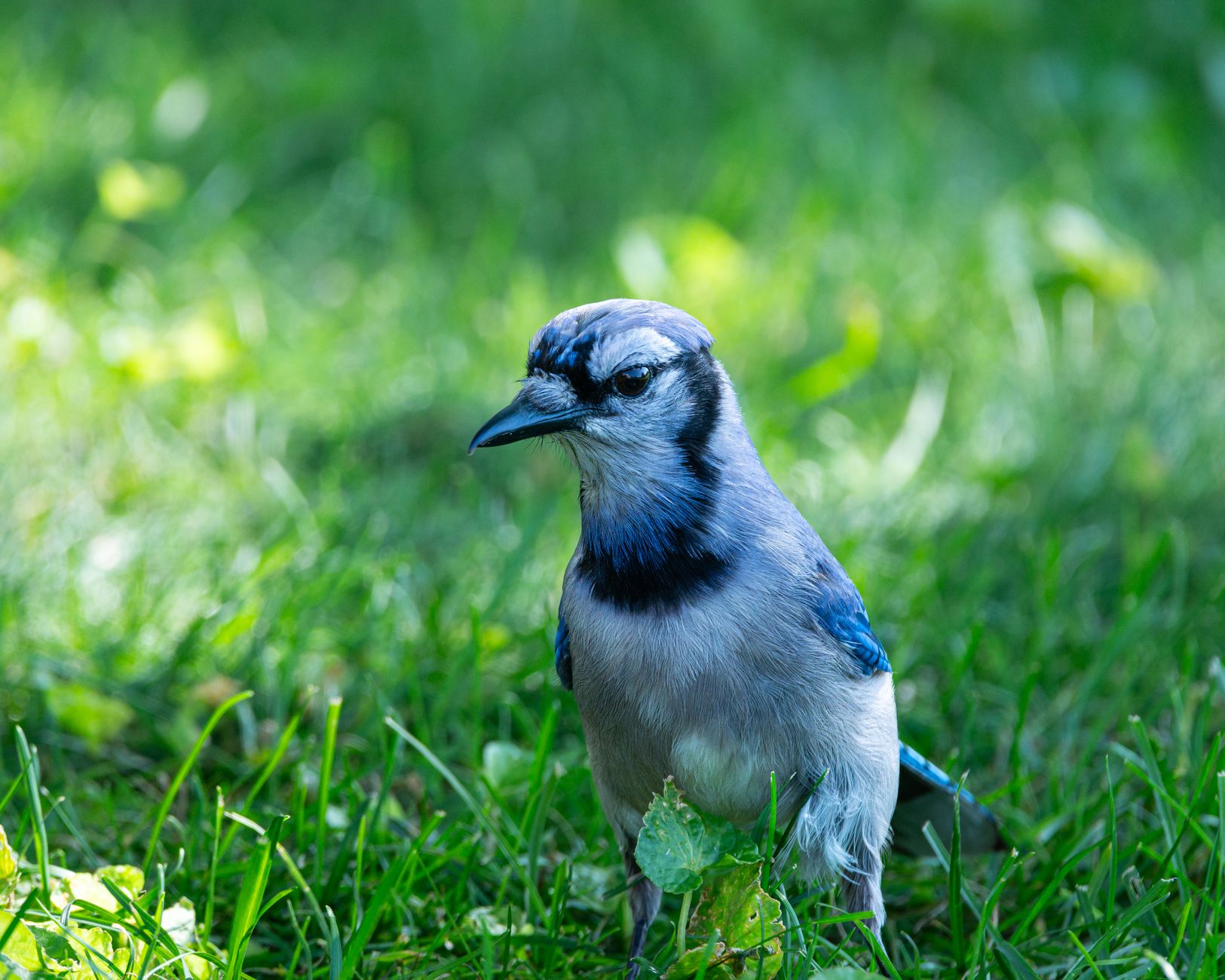
How to Stop Blue Jays from Eating Your Chicken Eggs: A Comprehensive Guide
How do I stop blue jays from eating my chicken eggs? The most effective methods involve protecting the eggs with secure nesting boxes and employing deterrents like netting or visual scare tactics to keep blue jays away from your coop.

Understanding the Threat: Blue Jays and Chicken Eggs
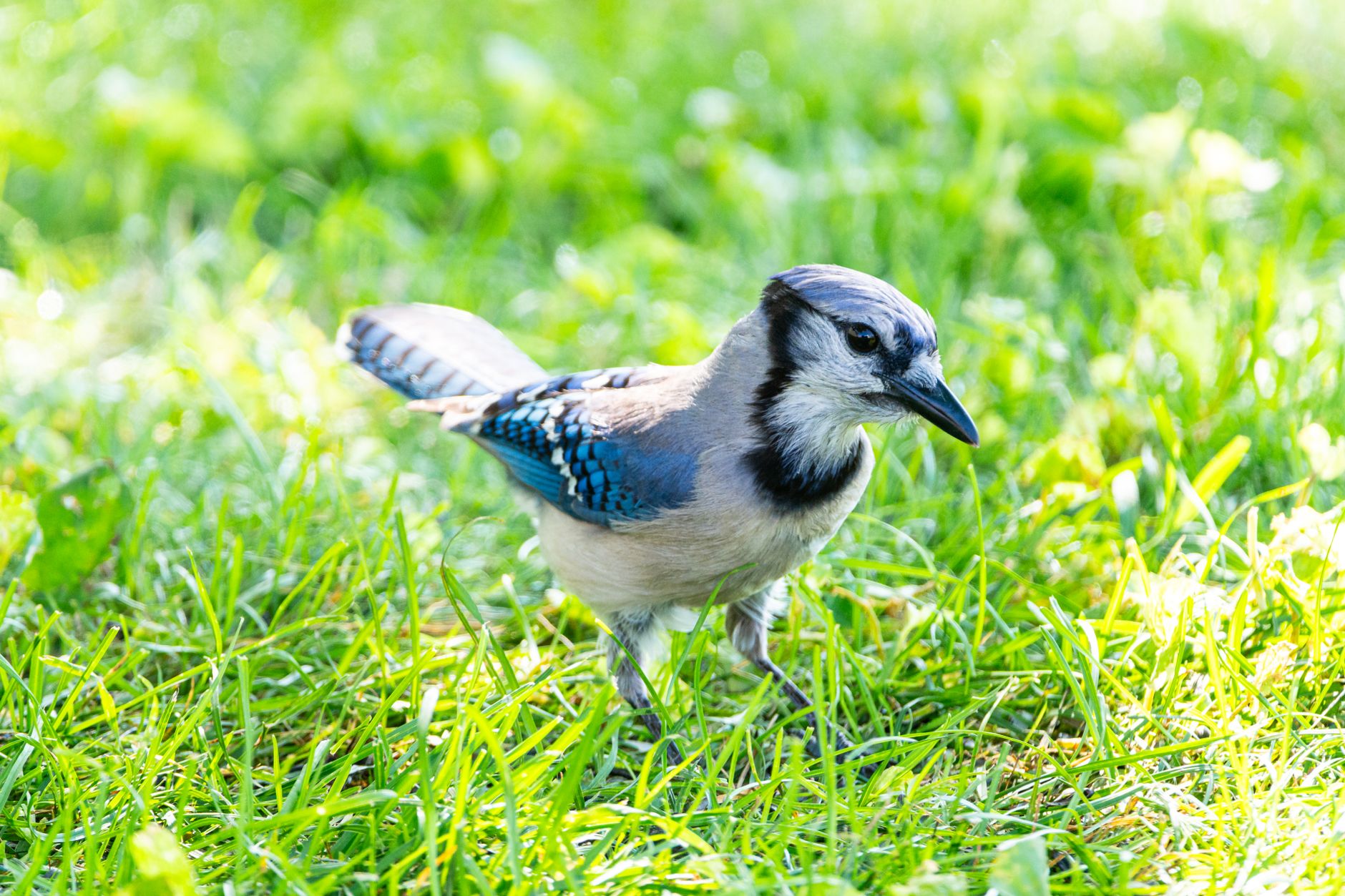
Blue jays, with their striking plumage and boisterous calls, are a common sight across North America. While admired for their intelligence and beauty, their opportunistic feeding habits can create problems for backyard chicken keepers. They are known to predate on various items, including insects, seeds, and, unfortunately, chicken eggs. Understanding their behavior and motivations is the first step in effectively protecting your flock’s precious eggs.
What is the GREY African clawed frog?
Is distilled water good for goldfish?
What colours are fish most attracted to?
Can you put your finger in a trout's mouth?
Why Blue Jays Target Chicken Eggs

- Opportunity: Unprotected chicken eggs are an easy and readily available food source, particularly during times when other food sources are scarce.
- Protein Source: Eggs are rich in protein, a vital nutrient especially important during breeding season for both adult birds and their young.
- Habit Formation: Once a blue jay discovers a reliable source of eggs, it’s likely to return repeatedly and may even teach others in its social group to do the same.
- Curiosity: Blue jays are naturally curious birds. The appearance and accessibility of eggs may simply pique their interest, leading them to investigate and ultimately consume them.
Practical Strategies for Egg Protection
Protecting your chicken eggs from blue jays requires a multifaceted approach combining prevention and deterrence. Here’s a breakdown of effective strategies:
- Secure Nesting Boxes: This is the most crucial step.
- Use nesting boxes with narrow entrances that are difficult for blue jays to enter. A 4-inch diameter entrance is generally effective.
- Place nesting boxes in a darkened area of the coop, making them less visible and accessible to blue jays.
- Ensure the nesting boxes are deep enough that the eggs are not easily reachable from the entrance.
- Chicken Coop Management:
- Collect eggs frequently, ideally multiple times a day, minimizing the window of opportunity for blue jays to find them.
- Maintain a clean coop. Remove any spilled feed or broken eggs that might attract unwanted attention.
- Consider using automatic chicken coop doors that close during the night and open in the morning, preventing blue jays from accessing the coop before you’re awake.
- Deterrents:
- Netting: Cover the chicken run with netting to physically prevent blue jays from entering the area.
- Visual Deterrents: Hang shiny, reflective objects like aluminum pie plates or old CDs near the coop. The movement and flashes of light can startle blue jays.
- Decoy Eggs: Place ceramic or plastic eggs in the nesting boxes. Blue jays may lose interest in the real eggs if they encounter inedible ones first.
- Motion-Activated Sprinklers: Install motion-activated sprinklers near the coop. A sudden spray of water will deter blue jays and other unwanted visitors.
- Bird Feeders (Away from the Coop): Provide alternative food sources for blue jays in a location far away from the chicken coop. This may distract them from the eggs. Choose foods they prefer, like peanuts or sunflower seeds.
Comparing Deterrent Methods
| Method | Effectiveness | Cost | Maintenance | Considerations |
|---|---|---|---|---|
| Secure Nesting Boxes | High | Moderate | Low | Requires initial investment in appropriate nesting boxes. |
| Frequent Egg Collection | High | Low | High | Requires consistent effort and time commitment. |
| Netting | High | Moderate | Moderate | May require regular maintenance and replacement. |
| Visual Deterrents | Moderate | Low | Low | Effectiveness may decrease over time as birds habituate. |
| Decoy Eggs | Moderate | Low | Low | Effectiveness may vary. |
| Motion-Activated Sprinklers | Moderate | Moderate | Low | Requires access to water and potential for false alarms. |
| Bird Feeders (Distant) | Low to Moderate | Moderate | Moderate | May attract other unwanted pests. |
Common Mistakes to Avoid
- Neglecting Nesting Box Security: This is the most common and critical mistake. Leaving eggs easily accessible is an open invitation to blue jays.
- Inconsistent Egg Collection: Failing to collect eggs regularly provides ample opportunity for predation.
- Relying Solely on One Deterrent: Blue jays are intelligent and adaptable. Employing a combination of deterrents is more likely to be successful.
- Using Harmful Methods: Avoid using poisons or traps that could harm blue jays or other non-target species. Focus on humane and ethical deterrence techniques.
- Ignoring Underlying Problems: Address any issues that might be attracting blue jays, such as spilled feed or poor sanitation.
Long-Term Egg Protection
Sustained egg protection requires ongoing vigilance and adaptation. Regularly inspect your coop and surrounding area for signs of blue jay activity. Rotate deterrent methods to prevent habituation. By remaining proactive, you can minimize the risk of egg predation and ensure the well-being of your flock. How do I stop blue jays from eating my chicken eggs? – It’s an ongoing process of vigilance and adaptation.
Additional Tips
- Consider adding guard animals, such as dogs or guinea fowl, that can help deter predators.
- Plant dense shrubs and trees around the coop to provide a natural barrier and reduce visibility.
- Monitor local blue jay populations and adjust your strategies accordingly.
Frequently Asked Questions (FAQs)
What are the telltale signs that blue jays are eating my chicken eggs?
Look for empty eggshells near the coop, pecked or cracked eggs in the nesting boxes, and increased blue jay activity around your chickens. You might even witness a blue jay actively consuming an egg.
Will scaring blue jays away harm them?
No, humane deterrent methods like visual deterrents, netting, or motion-activated sprinklers will not harm blue jays. The goal is to discourage them from visiting your coop, not to injure them.
Are there specific types of nesting boxes that are more effective at preventing egg predation?
Yes, nesting boxes with small, round entrances (around 4 inches in diameter) and deep cavities are more effective at deterring blue jays than open or shallow boxes. The small entrance makes it difficult for blue jays to enter, and the depth makes it harder for them to reach the eggs.
How often should I collect eggs to minimize the risk of predation?
Ideally, collect eggs at least twice a day, particularly during peak laying times. This reduces the amount of time that eggs are exposed and vulnerable to predation.
Can I use poison to deter blue jays from eating my chicken eggs?
Never use poison. It is unethical, inhumane, and potentially dangerous to other animals, including your chickens, pets, and beneficial wildlife. Focus on humane and preventative measures.
Will blue jays eventually give up if I consistently deter them?
Potentially, yes. If you are consistent with your deterrent methods and remove all other attractants, blue jays may eventually learn that your coop is not a reliable food source and move on to other areas.
Are there any plants that can repel blue jays?
While there are no specific plants known to directly repel blue jays, planting dense shrubs and trees around the coop can create a physical barrier and make it more difficult for them to access the area.
How do I stop blue jays from teaching their young to eat my chicken eggs?
Preventing egg predation from the start is key. Secure nesting boxes and frequent egg collection are the most effective ways to prevent blue jays from discovering your eggs and passing on this behavior to their offspring.
Is it legal to trap and relocate blue jays?
Relocating wildlife is generally not recommended and may be illegal. It can disrupt local ecosystems and often results in the animal’s death in an unfamiliar environment. Check with your local wildlife authorities for specific regulations. Focus on deterrence methods.
Can I use a fake owl to scare away blue jays?
Fake owls can be somewhat effective, but blue jays are intelligent and may eventually realize that the owl is not real. Rotate the owl’s position regularly to maintain its effectiveness. Combining it with other deterrents is recommended.
What if I see a blue jay actively eating my chicken eggs?
Immediately scare the blue jay away by making loud noises, throwing objects in its vicinity (without hitting it), or using a water hose. This will help discourage it from returning.
How do I stop blue jays from eating my chicken eggs? Is it worth it to put up a whole fence?
Depending on the layout of your property and severity of the problem, installing a fence around the chicken coop and run can be a worthwhile investment. Choose a fence with small mesh that blue jays cannot penetrate. A full fence will provide the most comprehensive protection. Evaluate costs versus benefits.