

How Big is a Full Grown Sunfish?
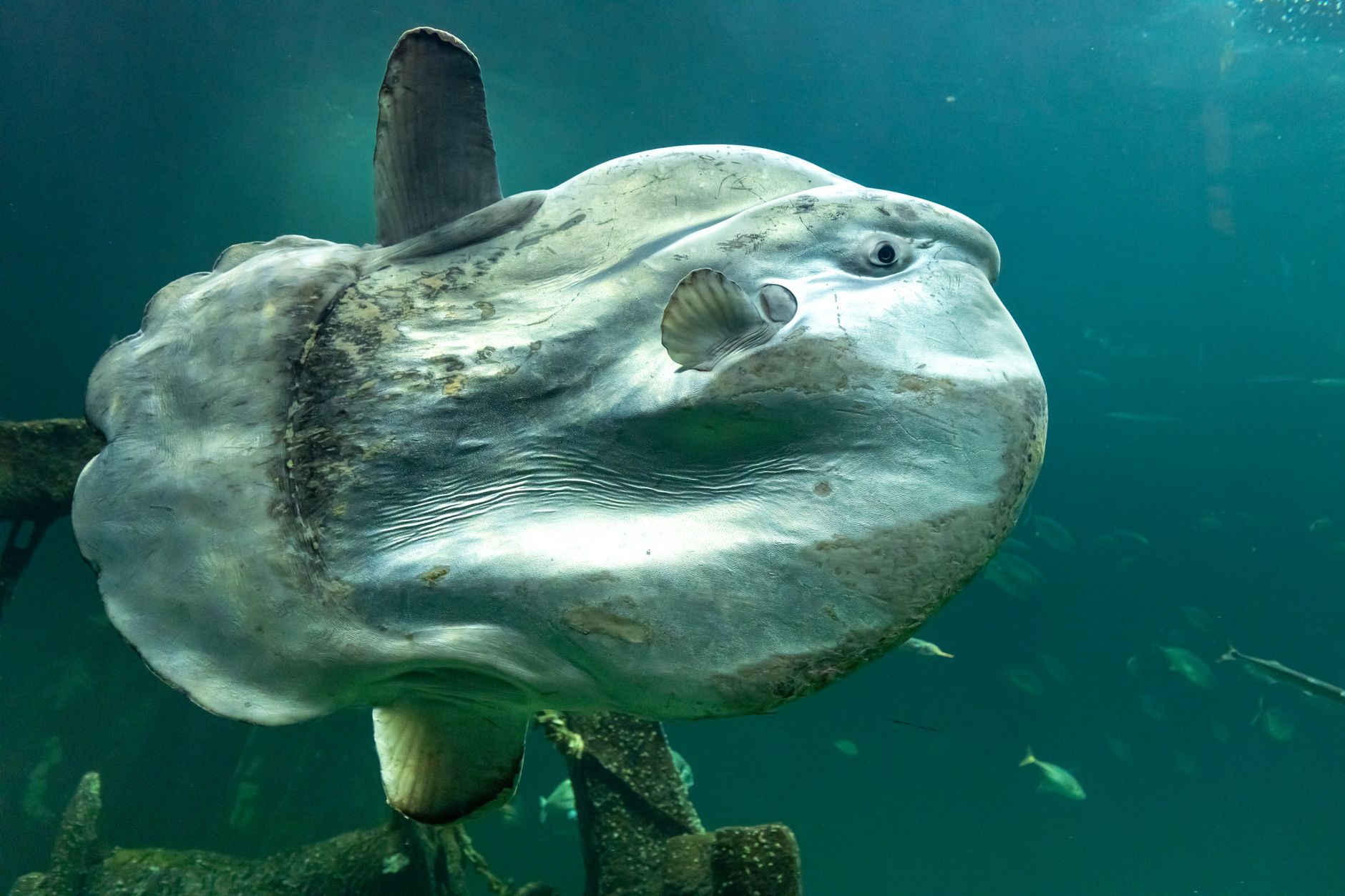
The largest bony fish in the world, a full-grown sunfish, also known as ocean sunfish or Mola mola, can reach an astounding size, averaging 10 feet in length and weighing over 2,200 pounds.
Introduction: The Enigmatic Sunfish
The ocean sunfish, Mola mola, is a truly remarkable creature. Its unique appearance and colossal size have captivated marine biologists and casual observers alike. Understanding the scale of these gentle giants is essential to appreciating their place in the marine ecosystem. This article delves into the various aspects of their size and explores what makes them so extraordinary. How big is a full grown sunfish? We aim to provide a comprehensive answer.

Is distilled water good for goldfish?
What colours are fish most attracted to?
Can you put your finger in a trout's mouth?
Is methylene blue anti bacterial?
Understanding Sunfish Dimensions: Beyond the Weight

While weight is a common metric, sunfish size is often described in terms of length, height (fin-to-fin), and weight. These measurements provide a more complete picture of their impressive dimensions.
- Length: Measured from the mouth to the back of the body (excluding the caudal fin which is effectively absent in Mola mola).
- Height: The vertical distance from the tip of the dorsal fin to the tip of the anal fin.
- Weight: Can vary dramatically depending on the age and health of the individual.
Factors Influencing Sunfish Growth
Several factors influence the ultimate size that a sunfish can attain. These include:
- Diet: Sunfish primarily feed on jellyfish, a low-calorie food source. They must consume vast quantities to sustain their immense size.
- Habitat: Their range extends across tropical and temperate oceans. The availability of food and suitable water temperatures plays a critical role.
- Age: Sunfish are believed to be long-lived, potentially exceeding 100 years. They continue to grow throughout their lives, albeit at a slower rate once they reach maturity.
- Parasites: Sunfish are frequently hosts to a variety of parasites. The presence of these parasites can impact their overall health and growth potential.
Size Comparisons: Putting Sunfish in Perspective
To truly grasp the scale of a full-grown sunfish, it’s helpful to compare its size to other familiar objects:
- Human: A typical adult human is significantly smaller than a full-grown sunfish in both length and weight.
- Car: A sunfish can rival the length of a small car, especially when measuring fin-to-fin height.
- Other Fish: Compared to most other fish species, sunfish are giants. They dwarf even large sharks and tuna.
The Largest Recorded Sunfish
While average sizes are informative, exceptional specimens have been documented that far exceed typical measurements. The largest recorded sunfish, caught off the coast of Japan in 1996, weighed a staggering 5,070 pounds (2,300 kg) and measured 10 feet 10 inches (3.3 meters) in length. This record highlights the extraordinary potential size these fish can achieve. Knowing how big is a full grown sunfish at its maximum potential helps us understand their role in the marine ecosystem.
Conservation Concerns and Future Research
Despite their size and widespread distribution, sunfish populations face various threats, including:
- Bycatch: Sunfish are often caught as bycatch in fisheries targeting other species.
- Plastic Pollution: They can ingest plastic debris, mistaking it for jellyfish.
- Climate Change: Changes in ocean temperatures and food availability can impact their survival.
Further research is needed to better understand sunfish biology, behavior, and population dynamics. This knowledge is crucial for developing effective conservation strategies to protect these magnificent creatures.
FAQs: Decoding the Mysteries of Sunfish Size
What is the average weight of a full-grown sunfish?
The average weight of a full-grown sunfish typically falls between 2,200 and 4,400 pounds (1,000 to 2,000 kg). However, as mentioned before, larger specimens can significantly exceed this range.
How long do sunfish live?
The exact lifespan of sunfish is still not fully understood, but scientists believe they can live for at least 80-100 years, potentially even longer. Further research is needed to confirm their maximum age.
What do sunfish eat?
Sunfish primarily feed on jellyfish, but they also consume small fish, squid, crustaceans, and algae. Because jellyfish are low in nutritional value, they must consume vast quantities to maintain their size and energy levels.
Are sunfish dangerous to humans?
No, sunfish are not dangerous to humans. They are gentle giants and pose no threat to swimmers or divers. They are generally docile and non-aggressive.
Where can I find sunfish?
Sunfish are found in tropical and temperate waters around the world. Common locations include the Pacific, Atlantic, and Indian Oceans. They are often observed near the surface of the water.
Why are sunfish called “sunfish”?
They are called sunfish because they are often seen basking in the sun at the surface of the ocean. They may do this to regulate their body temperature after diving into deeper, colder waters.
Do sunfish have any predators?
While adult sunfish are relatively large and have few natural predators, they can be preyed upon by sea lions, orcas, and sharks, especially when they are young and smaller.
How fast do sunfish grow?
Sunfish growth rates are relatively rapid during their early years. They can gain substantial weight and size quickly. However, their growth rate slows down as they mature.
What is the scientific name for sunfish?
The scientific name for the ocean sunfish is Mola mola. The genus name “Mola” comes from the Latin word for millstone, referring to the fish’s round shape.
Are there different types of sunfish?
Yes, there are several species of sunfish, but the most well-known is Mola mola. Other species include Mola alexandrini (the Bump-head Sunfish) and Masturus lanceolatus (the Sharptail Mola).
Why do sunfish have such an unusual shape?
The unique shape of sunfish is an adaptation for their lifestyle. Their flattened body and lack of a caudal fin allow them to maneuver efficiently in the water, while their thick skin protects them from predators. How big is a full grown sunfish is related to their unusual body plan.
What threats do sunfish face?
Sunfish face various threats, including bycatch in fisheries, plastic pollution, and climate change. These factors can impact their populations and overall health. Conservation efforts are crucial to protecting these magnificent creatures.