
How Big is a Full Grown Betta Fish?
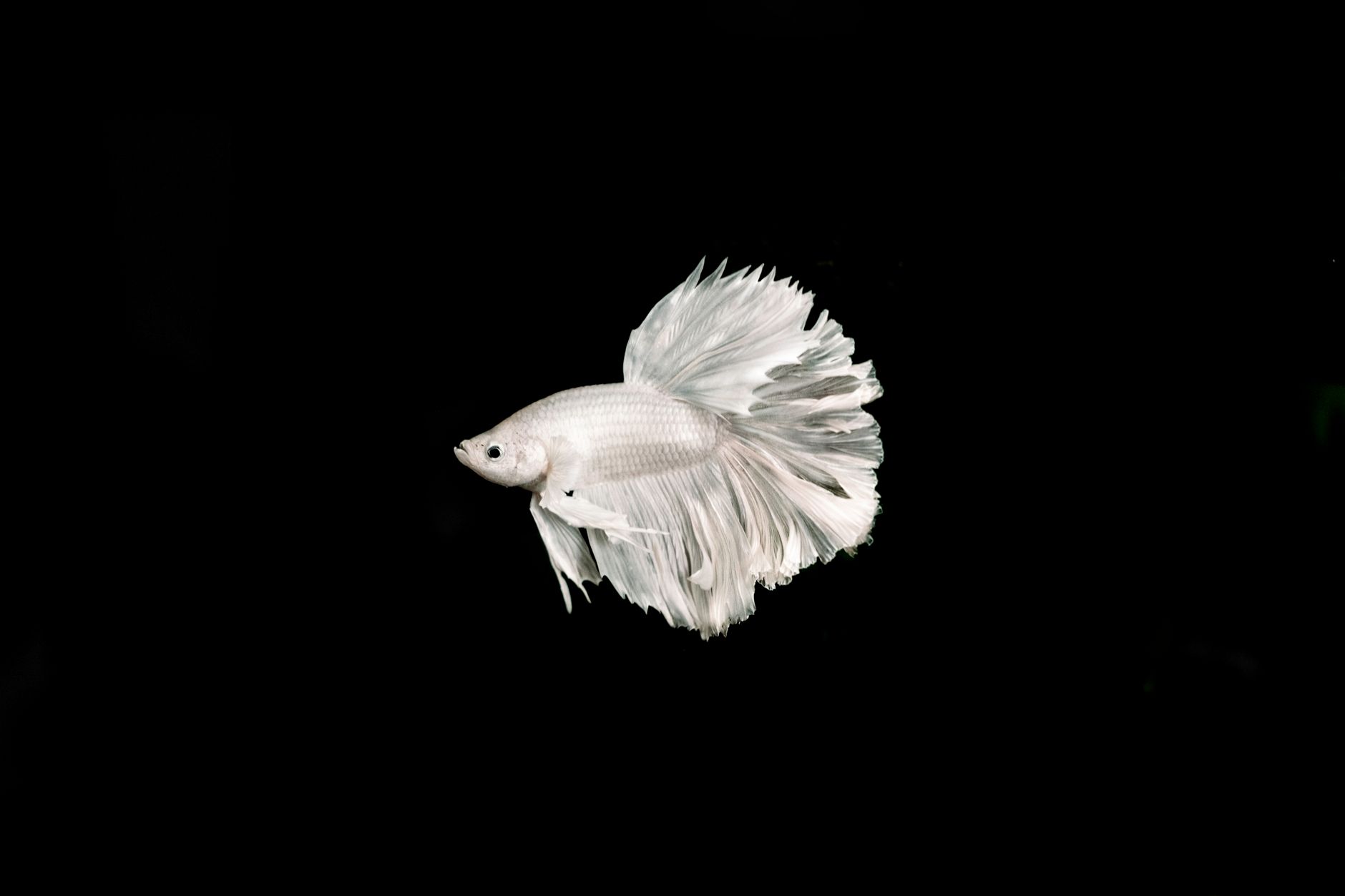
A full-grown Betta splendens, commonly known as a betta fish, typically reaches a size of 2.5 to 3 inches in body length, although some varieties can grow slightly larger.

Introduction: The Majestic Betta and Its Size
Betta fish, also known as Siamese fighting fish, are renowned for their vibrant colors, flowing fins, and captivating personalities. Often kept as solitary pets, understanding their expected size is crucial for providing proper care, from selecting an appropriately sized aquarium to ensuring adequate space for swimming and exploration. How big is a full grown betta fish? is a fundamental question for any prospective owner, as it directly impacts their welfare. While the average size range provides a guideline, various factors can influence the ultimate size of your betta.
What fish is Flo?
How intelligent are fish?
Are fish heads good for the garden?
Can fish hear water?
Factors Influencing Betta Fish Size
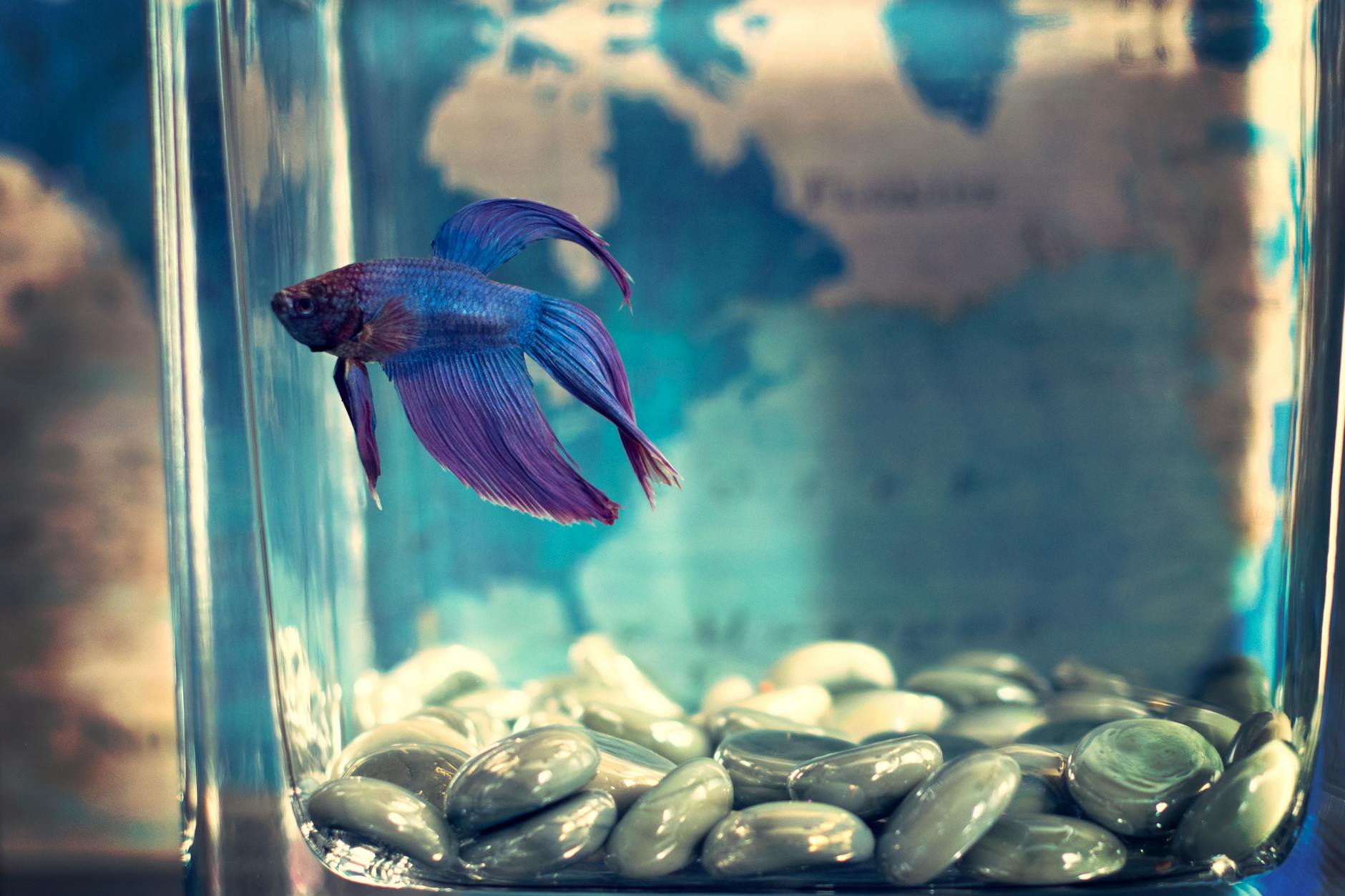
Several factors contribute to the size a betta fish will ultimately reach. These include genetics, diet, water quality, and tank size. A genetically predisposed betta from larger bloodlines may naturally grow larger than one from smaller lines.
- Genetics: Some betta lines are simply bred for larger size and more robust builds.
- Diet: A nutritious and varied diet is essential for optimal growth.
- Water Quality: Poor water conditions can stunt growth and lead to health problems.
- Tank Size: While not as significant as other factors, a cramped tank can restrict growth potential.
The Importance of Proper Care for Optimal Growth
Providing optimal care is essential for your betta fish to reach its full potential size and live a healthy life. This involves maintaining excellent water quality, feeding a high-quality diet, and providing a suitable tank environment.
- Water Quality: Regular water changes are crucial for removing toxins like ammonia and nitrites.
- Diet: Feed a balanced diet of betta-specific pellets, supplemented with occasional live or frozen foods like bloodworms or daphnia. Avoid overfeeding.
- Tank Environment: Provide a tank that is at least 5 gallons in size, with plenty of hiding places and enrichment.
Varieties and Their Size Differences
While most betta fish fall within the 2.5 to 3-inch range, some varieties exhibit size variations. For instance, King Betta, a selectively bred strain, can reach 4 inches or more. Understanding the specific variety can help you better anticipate your betta’s eventual size.
Here’s a table comparing sizes of common betta varieties:
| Betta Variety | Average Size (inches) |
|---|---|
| Veiltail | 2.5 – 3 |
| CrownTail | 2.5 – 3 |
| Plakat | 2 – 2.5 |
| Halfmoon | 2.5 – 3 |
| King Betta | 3 – 4+ |
How to Measure Your Betta Fish Correctly
Accurately measuring your betta is essential for tracking its growth and identifying potential health issues. The proper way to measure a betta fish is from the tip of its nose to the base of its tail (where the tail fin connects to the body). Do not include the tail fin in your measurement. This provides a consistent and reliable measurement of body length.
Common Mistakes Affecting Betta Fish Growth
Several common mistakes can hinder a betta fish’s growth. Overcrowding, poor water quality, inadequate diet, and stress are prime culprits. Addressing these issues promptly can promote healthy growth.
- Overcrowding: Housing bettas in small bowls or overcrowded tanks restricts their growth.
- Poor Water Quality: Accumulation of ammonia and nitrites stunts growth and weakens the immune system.
- Inadequate Diet: Feeding low-quality food or overfeeding can lead to nutritional deficiencies and health problems.
- Stress: Constant exposure to stress from aggressive tankmates or inappropriate tank conditions can suppress growth.
Why Tank Size Matters for Betta Fish
While a betta fish’s size is relatively small, tank size is incredibly important for their well-being. A tank that’s too small restricts their movement, limits their ability to explore, and contributes to poor water quality. A tank of at least 5 gallons is strongly recommended to provide adequate space and a stable environment. The larger the tank, the better, generally.
The Role of Diet in Growth and Development
A balanced and nutritious diet is paramount for a betta fish’s growth and development. Betta-specific pellets should form the foundation of their diet, supplemented with occasional live or frozen foods like bloodworms, daphnia, or brine shrimp. These foods provide essential nutrients that support healthy growth and vibrant coloration.
Recognizing Signs of Stunted Growth
Identifying signs of stunted growth is crucial for addressing the underlying issues. Symptoms may include:
- Failure to grow despite proper care.
- A disproportionately small body compared to fin size.
- Lackluster coloration.
- Reduced activity levels.
Addressing these signs early can improve your betta’s chances of recovery.
Frequently Asked Questions (FAQs)
What is the average lifespan of a betta fish, and does size correlate with longevity?
A betta fish typically lives for 3 to 5 years, but with optimal care, some can live even longer. While size itself doesn’t directly correlate with lifespan, a healthy and well-cared-for betta, regardless of size within the normal range, is more likely to live a longer life. A stunted or unhealthy betta will likely have a shorter lifespan.
How quickly do betta fish grow to their full size?
Betta fish grow relatively quickly during their first few months. They typically reach their full adult size within 6 to 9 months. The growth rate depends heavily on diet, water quality, and genetics.
Can a betta fish continue to grow throughout its life?
While betta fish reach a definitive adult size, they may experience slight growth spurts or increases in girth as they mature. However, they do not continue to grow significantly throughout their life like some other fish species.
Does the sex of a betta fish affect its size?
Generally, male betta fish tend to be slightly larger and more robust than females. However, this difference is not always significant, and genetics and individual variations play a more prominent role in determining size.
What water parameters are optimal for betta fish growth?
Optimal water parameters for betta fish growth include a temperature of 78-82°F (25-28°C), a pH of 6.5-7.5, and ammonia and nitrite levels of 0 ppm. Maintaining these parameters through regular water changes is essential for healthy growth.
Can fin rot or other diseases affect a betta fish’s size?
Yes, fin rot and other diseases can significantly impact a betta fish’s size and overall health. Untreated infections can lead to stunted growth, reduced appetite, and ultimately, death. Prompt treatment is crucial.
How often should I feed my betta fish to promote healthy growth?
A betta fish should be fed once or twice a day in small portions. Only give them what they can consume in 2-3 minutes. Overfeeding can lead to health problems.
What are the best types of food to feed a growing betta fish?
The best foods for a growing betta fish include high-quality betta-specific pellets as a staple, supplemented with occasional live or frozen foods like bloodworms, daphnia, or brine shrimp.
What are signs that my betta fish is underweight or malnourished?
Signs of an underweight or malnourished betta fish include a sunken belly, visible ribs, lethargy, and a lack of appetite. Adjusting their diet and feeding schedule can help address these issues.
Can stress impact the growth of a betta fish?
Yes, stress can severely impact the growth of a betta fish. Stress can be caused by poor water quality, aggressive tankmates, or an unsuitable tank environment. Reducing stress levels is crucial for promoting healthy growth.
Is it possible for a betta fish to be genetically smaller than average?
Yes, it is possible for a betta fish to be genetically smaller than average. Some betta lines are simply bred to be smaller, similar to how some dogs are naturally smaller than others.
What should I do if my betta fish isn’t growing as expected?
If your betta fish isn’t growing as expected, the first step is to review its care routine. Check water parameters, feeding schedule, and tank environment. If issues are identified, address them promptly. If the problem persists, consult with a veterinarian experienced in aquatic animals for further guidance.