

How are Stingrays Born? The Surprising Secrets of Stingray Reproduction
How are stingrays born? Stingrays exhibit diverse reproductive strategies, but most commonly give birth to live young, with the developing embryos nourished through a yolk sac or histotroph (“uterine milk”) within the mother’s uterus.

Understanding Stingray Reproduction: An Overview
Stingrays, those captivating cartilaginous fish, are a diverse group with fascinating reproductive strategies. Unlike bony fish that typically lay eggs, stingrays have evolved various methods to ensure the survival of their offspring in the marine environment. The primary method is ovoviviparity, although some species may exhibit variations. Understanding these approaches sheds light on the evolutionary adaptations that have allowed stingrays to thrive in diverse ocean habitats. Exploring the intricacies of how are stingrays born? reveals the beauty and complexity of marine life.

Is distilled water good for goldfish?
What colours are fish most attracted to?
Can you put your finger in a trout's mouth?
Is methylene blue anti bacterial?
Ovoviviparity: The Most Common Approach
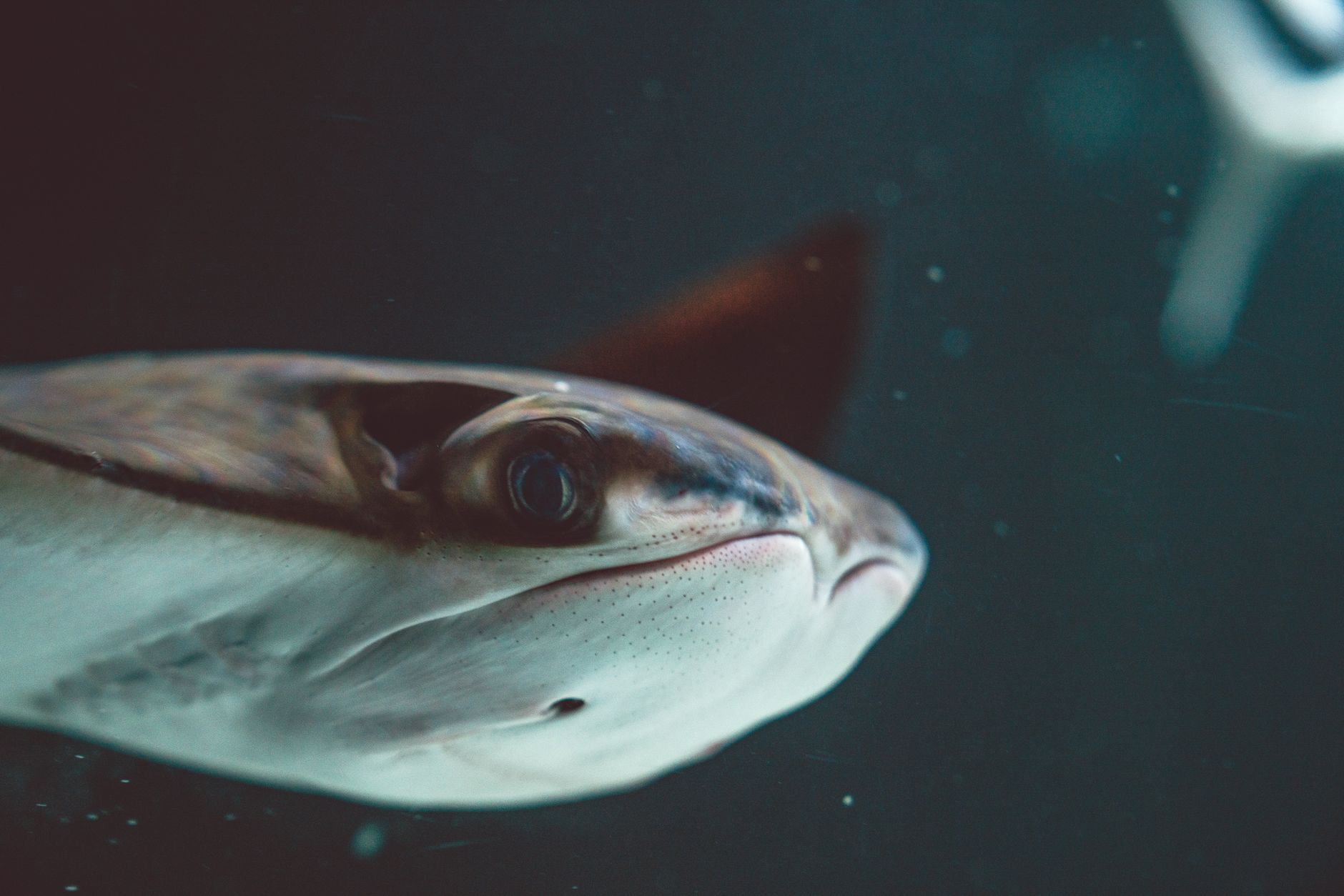
Ovoviviparity means that the eggs develop and hatch inside the mother’s body. The embryos are nourished by a yolk sac initially, much like chicks in a hen’s egg. This yolk sac provides the necessary nutrients for the developing stingray.
- The eggs develop within the mother’s uterus.
- The young are born alive.
- This method offers protection to the developing embryos from predators.
Beyond the Yolk Sac: Histotroph Provision
In some species, once the yolk sac is depleted, the mother continues to nourish the developing pups through a process called histotrophy. The uterus secretes a nutrient-rich fluid, often referred to as “uterine milk”, which the embryos absorb through specialized structures.
- This “uterine milk” contains proteins, lipids, and other vital nutrients.
- It allows the pups to grow larger and stronger before birth.
- This provides a significant advantage in terms of survival rates.
The Mating Process
Stingray mating rituals can vary depending on the species. Generally, the male will pursue the female, and the actual act of fertilization takes place internally.
- The male uses claspers (modified pelvic fins) to insert sperm into the female’s cloaca.
- Females can store sperm for a period before fertilization occurs.
- Mating often occurs during specific breeding seasons.
Gestation Period
The gestation period for stingrays varies significantly from species to species. It can range from a few months to over a year. Factors such as species, water temperature, and food availability can all influence the length of gestation.
| Factor | Impact on Gestation Period |
|---|---|
| Species | Different species have genetically determined gestation lengths. |
| Water Temperature | Warmer temperatures may shorten gestation periods. |
| Food Availability | Abundant food may lead to faster embryonic development. |
Birth of the Pups
When it is time to give birth, the female stingray will typically find a sheltered location. The pups are born live and fully developed, ready to fend for themselves.
- The number of pups born can vary widely, from just a few to over a dozen.
- Pups are miniature versions of their parents.
- They are typically born tail first to prevent suffocation during birth.
Frequently Asked Questions (FAQs)
What is the difference between viviparity and ovoviviparity in stingrays?
Viviparity involves the embryo receiving direct nourishment from the mother through a placenta-like structure, while ovoviviparity, the more common method in stingrays, relies on the yolk sac and subsequent histotroph secretions from the mother.
How long is a stingray pregnant?
The gestation period can vary significantly depending on the species, ranging from approximately 4 to 12 months, or even longer in some cases.
How many pups do stingrays typically have?
The number of pups varies by species, but it’s common for a stingray to give birth to anywhere from 1 to 13 pups in a single litter.
Do male stingrays play any role in parental care?
No, male stingrays do not participate in parental care. The female is solely responsible for the development and birth of the pups.
Are baby stingrays born with stingers?
Yes, baby stingrays are born with functional stingers. This provides them with a defense mechanism from the moment they enter the world.
How are stingrays born if they don’t have a placenta?
Since they’re mostly ovoviviparous, the embryos are initially nourished by the yolk sac. After the yolk sac is depleted, some species rely on uterine milk (histotroph) secreted by the mother’s uterus.
How do stingrays avoid hurting themselves during birth?
The pups are typically born tail-first to prevent the stinger from injuring the mother during the birthing process. Also, the stinger is covered by a protective sheath when they are first born to prevent injury.
Do all species of stingrays give birth to live young?
Most stingrays are ovoviviparous, giving birth to live young, although some variations in reproductive strategies may exist among different species.
What do baby stingrays eat after they are born?
After they are born, baby stingrays typically feed on small invertebrates such as shrimp, crabs, and worms that they find on the seabed.
Where do stingrays typically give birth?
Stingrays usually give birth in sheltered, shallow waters where the pups have a higher chance of survival and protection from predators.
Are stingrays endangered, and how does their reproduction play a role?
Several species of stingrays are facing threats, including habitat loss and overfishing. Their relatively low reproductive rates, compared to many bony fish, make them particularly vulnerable. Protecting them requires a thorough understanding of how are stingrays born? and careful management of their populations.
Can stingrays reproduce asexually?
There is no evidence to suggest that stingrays can reproduce asexually. They require sexual reproduction for offspring. Understanding how are stingrays born? confirms that it is always a process involving the contribution of both parents.