

Has a Lion Ever Met a Tiger? A Clash of Titans
The answer to “Has a lion ever met a tiger?” is a resounding yes, although primarily in captivity. In the wild, their ranges rarely overlap, making encounters exceedingly unlikely.
Introduction: A World Apart, Yet Occasionally Connected
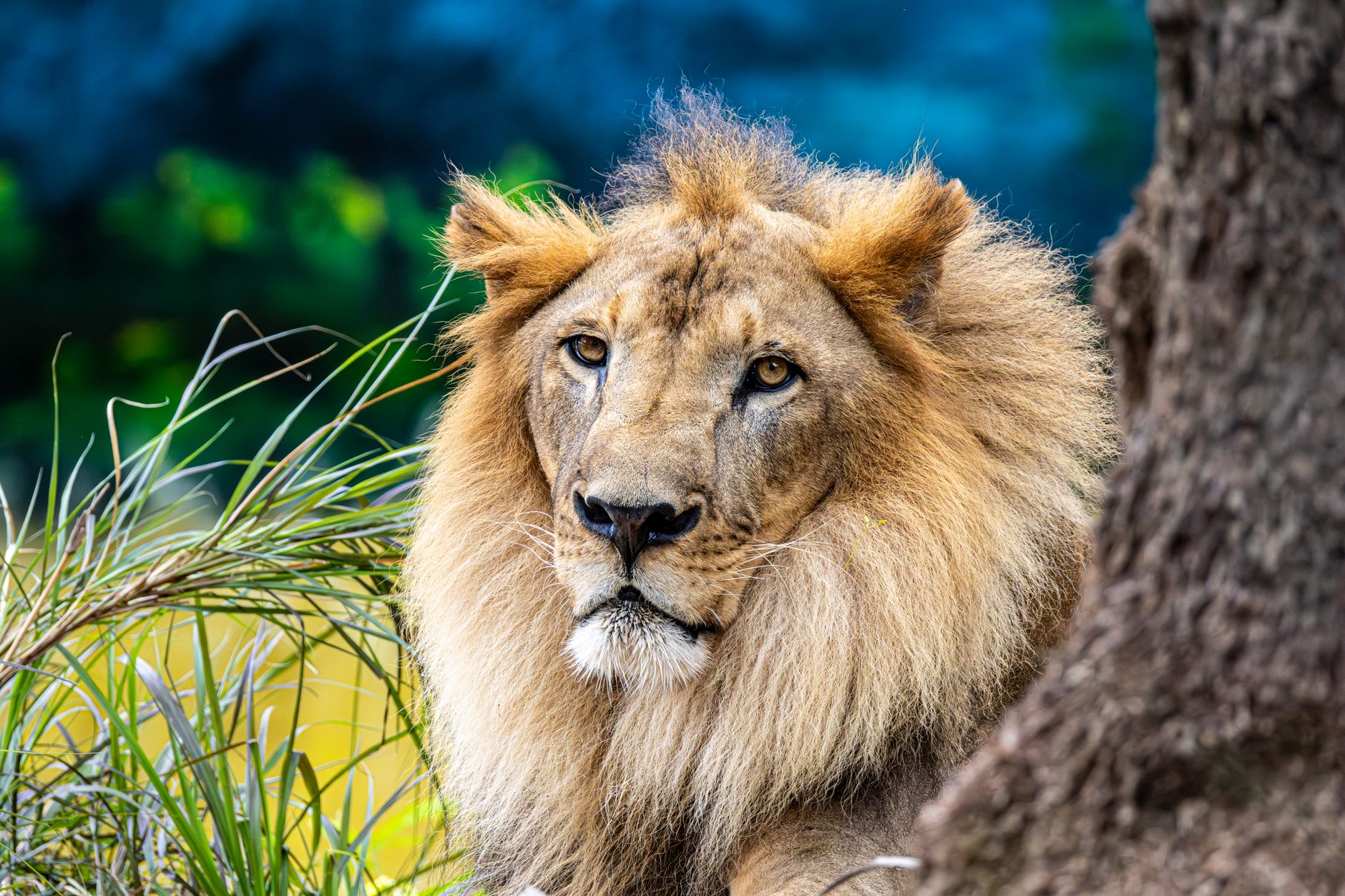
The lion (Panthera leo) and the tiger (Panthera tigris) are two of the most iconic and powerful predators on Earth. For millennia, they have captivated our imaginations, representing strength, majesty, and the untamed beauty of the natural world. But while these apex predators share a common ancestor and occupy similar ecological niches, their geographical distributions have largely kept them separated. This article explores the complex question of whether these magnificent creatures have ever crossed paths, and what happens when they do.

Is distilled water good for goldfish?
What colours are fish most attracted to?
Can you put your finger in a trout's mouth?
Is methylene blue anti bacterial?
The Geographical Divide: Lions and Tigers in Their Natural Habitats
Understanding the likelihood of lions and tigers meeting requires a grasp of their historical and present-day ranges.
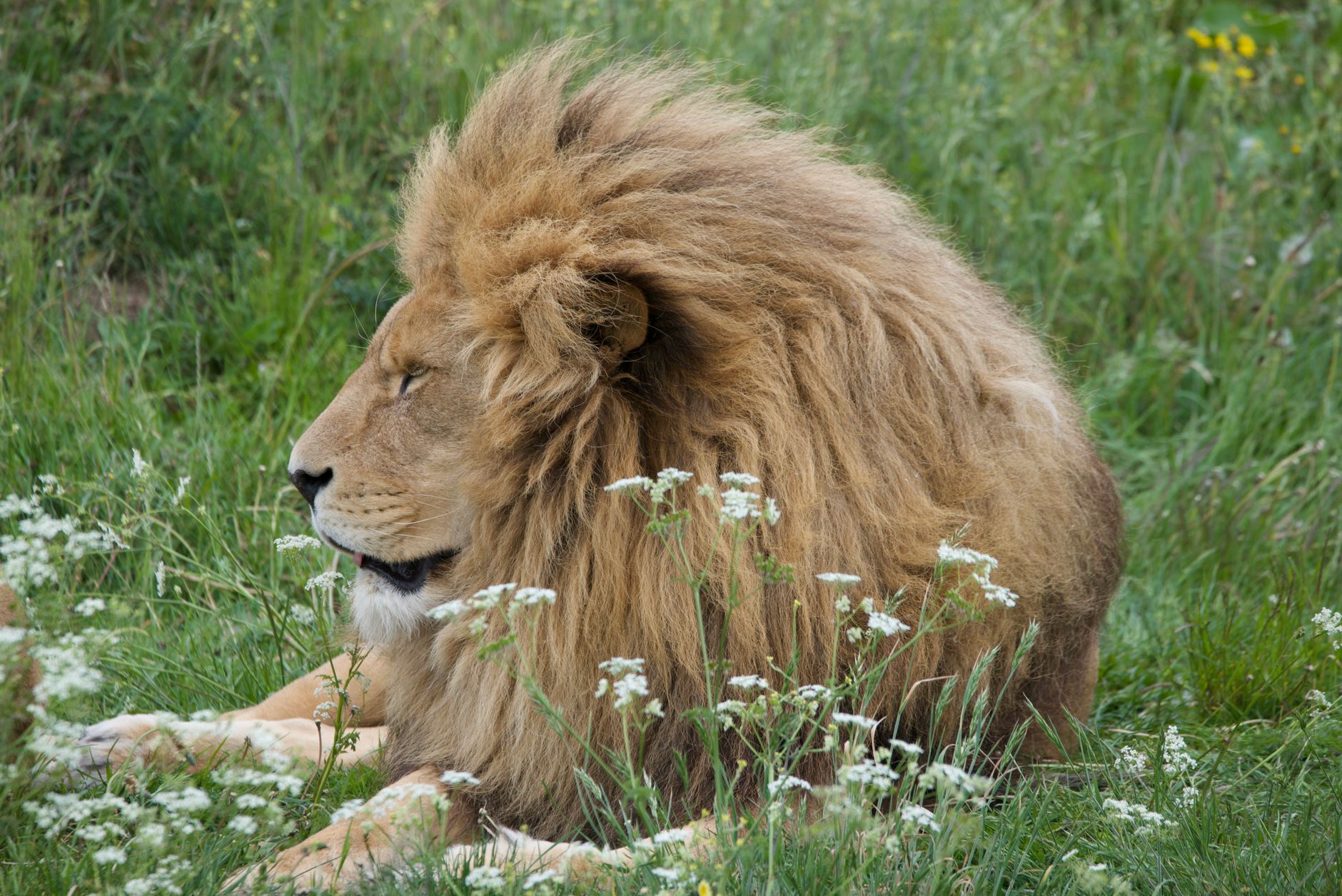
- Lions: Historically, lions inhabited a vast range spanning Africa, Europe, and Asia. Today, they are primarily found in sub-Saharan Africa, with a small, critically endangered population persisting in India’s Gir Forest.
- Tigers: Tigers once roamed across a vast swathe of Asia, from Turkey to the eastern coast of Russia. Today, their populations are fragmented and endangered, found primarily in India, Southeast Asia, and parts of Russia and China.
The key point is that their ranges, while historically closer, now rarely, if ever, naturally overlap. The Asiatic lion population in India is the only wild population where a meeting, although extremely unlikely, could conceivably occur in the modern era.
Lions and Tigers in Captivity: A Different Story
While their natural habitats keep them largely apart, lions and tigers have been brought together in captivity for centuries. Zoos, circuses, and private collections have housed both species, leading to documented interactions. These interactions can range from peaceful co-existence to aggression and even fatal conflict.
- Hybridization: Captivity has also led to the creation of hybrids, such as ligers (a male lion and female tiger) and tigons (a male tiger and female lion). These animals are fascinating examples of cross-species breeding, but they are entirely artificial and do not occur in the wild. The existence of these hybrids is a direct consequence of captivity and highlights the altered dynamics when natural barriers are removed.
Lions vs. Tigers: A Battle of Power
The question of which animal would win in a hypothetical fight between a lion and a tiger is a popular topic of debate. While there’s no definitive answer, here’s a comparison of their strengths:
| Feature | Lion | Tiger |
|---|---|---|
| Social Structure | Pride (cooperative hunting) | Solitary |
| Build | Stockier, more muscular neck | More agile, longer body |
| Fighting Style | More likely to fight as a group | Typically fights alone |
| Habitat | Open savanna, grasslands | Dense forests, mangrove swamps |
| Strength | Powerful bite force, strong front paws | Sharp claws, excellent swimming ability |
Ultimately, the outcome of a fight would depend on individual factors such as size, age, health, and fighting experience. There is no objective answer, and much depends on circumstance.
The Impact of Human Activity on Lion and Tiger Populations
Human activity has played a significant role in shaping the current distribution and population sizes of both lions and tigers. Habitat loss, poaching, and human-wildlife conflict have all contributed to their decline. Conservation efforts are crucial to ensuring the survival of these magnificent animals in the wild. Understanding has a lion ever met a tiger? requires acknowledging the human influence that has exacerbated habitat fragmentation and driven both species towards endangerment.
The Asiatic Lion: A Shared Heritage
The Asiatic lion, found only in India’s Gir Forest, represents a remnant population of lions that once roamed much of Asia. Their presence in India puts them in close proximity to tiger populations, although direct interactions are still rare due to habitat preferences and distribution within India. The conservation of the Asiatic lion is crucial for preserving a vital part of our planet’s biodiversity.
Frequently Asked Questions
What is a liger?
A liger is a hybrid offspring resulting from the mating of a male lion and a female tiger. Ligers are the largest known cat in the world, often exceeding both lions and tigers in size. They exist solely in captivity.
What is a tigon?
A tigon is another hybrid offspring, but this time from the mating of a male tiger and a female lion. Tigons are generally smaller than both lions and tigers, and, like ligers, are only found in captivity.
Do lions and tigers speak the same “language”?
While lions and tigers communicate through vocalizations, body language, and scent marking, their dialects differ. They can likely understand the general intention behind each other’s signals, but a precise communication is unlikely.
Is it ethical to breed ligers and tigons?
The ethics of breeding ligers and tigons is widely debated. Critics argue that it is unnatural and harmful to the animals involved, as they often suffer from health problems due to genetic incompatibilities. Supporters argue that it can contribute to conservation efforts by raising awareness about endangered species.
Where can I see a liger or tigon?
Ligers and tigons are primarily found in private zoos and animal collections. Their existence is controversial, and not all zoos choose to house them.
Have lions and tigers ever fought in a controlled environment?
Historically, lions and tigers have been pitted against each other in staged fights for entertainment. These events were cruel and unethical, and thankfully, are now largely illegal.
Why do lions live in prides while tigers are solitary?
Lions are highly social animals that live in prides, which consist of related females and their offspring, along with a few adult males. This social structure allows them to cooperatively hunt and defend their territory. Tigers, on the other hand, are solitary hunters that prefer to live and hunt alone. Their solitary nature is likely due to the dense forest habitats they inhabit, which make cooperative hunting less efficient.
How long have lions and tigers been separated geographically?
While lions and tigers once shared a larger range, their geographical separation has occurred over thousands of years due to climate change, habitat loss, and human activity. The precise timeline is complex, but their ranges have been diverging for millennia.
What is the conservation status of lions and tigers?
Both lions and tigers are facing significant threats to their survival. Lions are classified as Vulnerable, while tigers are classified as Endangered. Their populations are declining due to habitat loss, poaching, and human-wildlife conflict.
What is the most significant threat to lions and tigers?
The most significant threat to both lions and tigers is habitat loss, driven by human population growth and agricultural expansion. As their habitats shrink, they become more vulnerable to poaching and human-wildlife conflict.
Can lions and tigers mate naturally in the wild if their ranges overlapped?
While theoretically possible, it is highly unlikely that lions and tigers would mate naturally in the wild even if their ranges overlapped. Their different social structures, mating behaviors, and habitat preferences make interbreeding rare.
Are lions and tigers closely related?
Yes, lions and tigers are closely related members of the Panthera genus, which also includes leopards and jaguars. They share a common ancestor and exhibit similar physical characteristics. The question “Has a lion ever met a tiger?” highlights the fascinating, albeit often tragic, intersection of related species driven to the brink by similar pressures.