
Does Salt Water Help Goldfish? The Truth Revealed
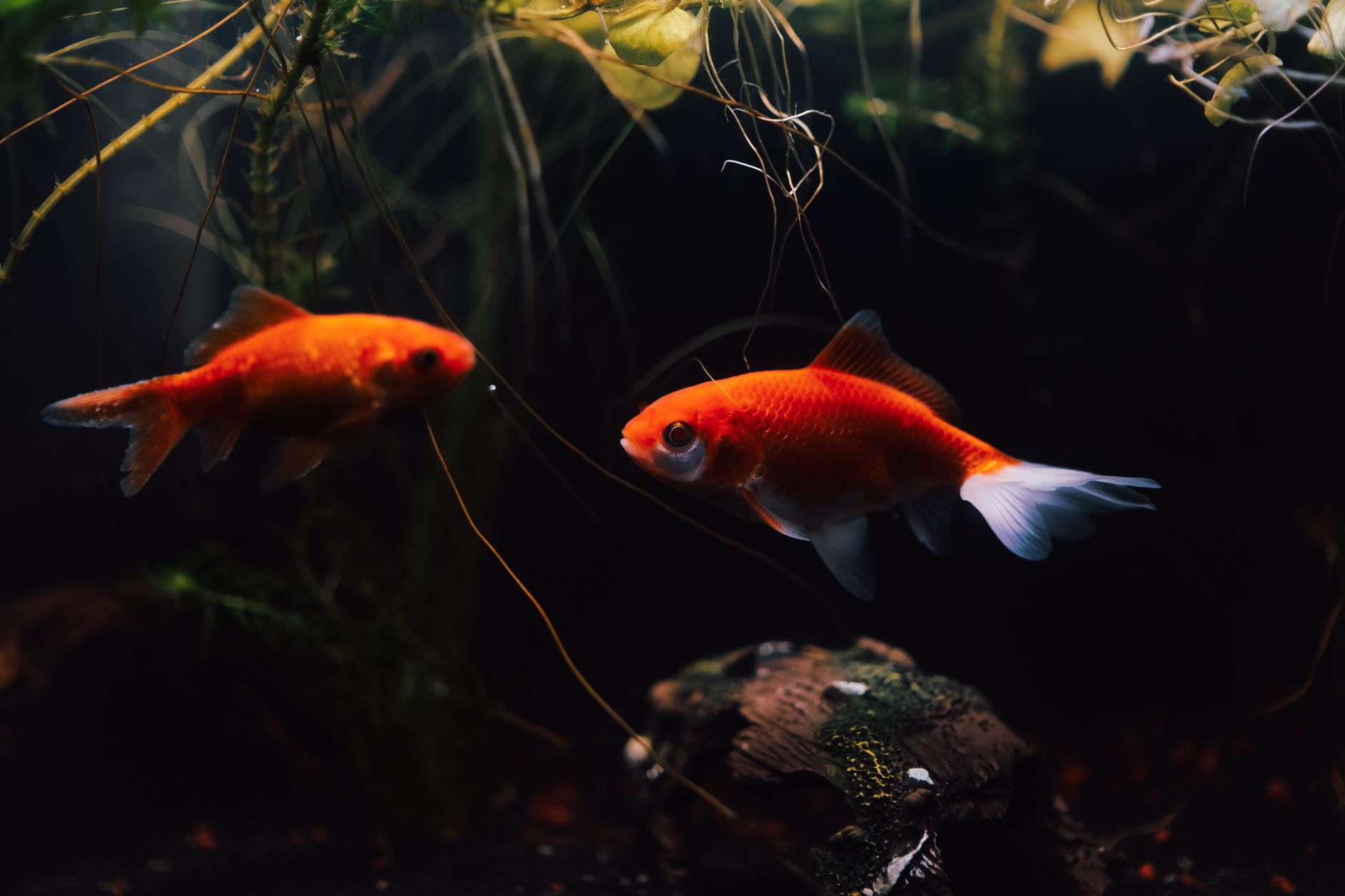
While often used as a temporary treatment for specific conditions, using salt water as a permanent solution for goldfish is generally not recommended and can even be detrimental to their long-term health.
Introduction to Salt and Goldfish Health
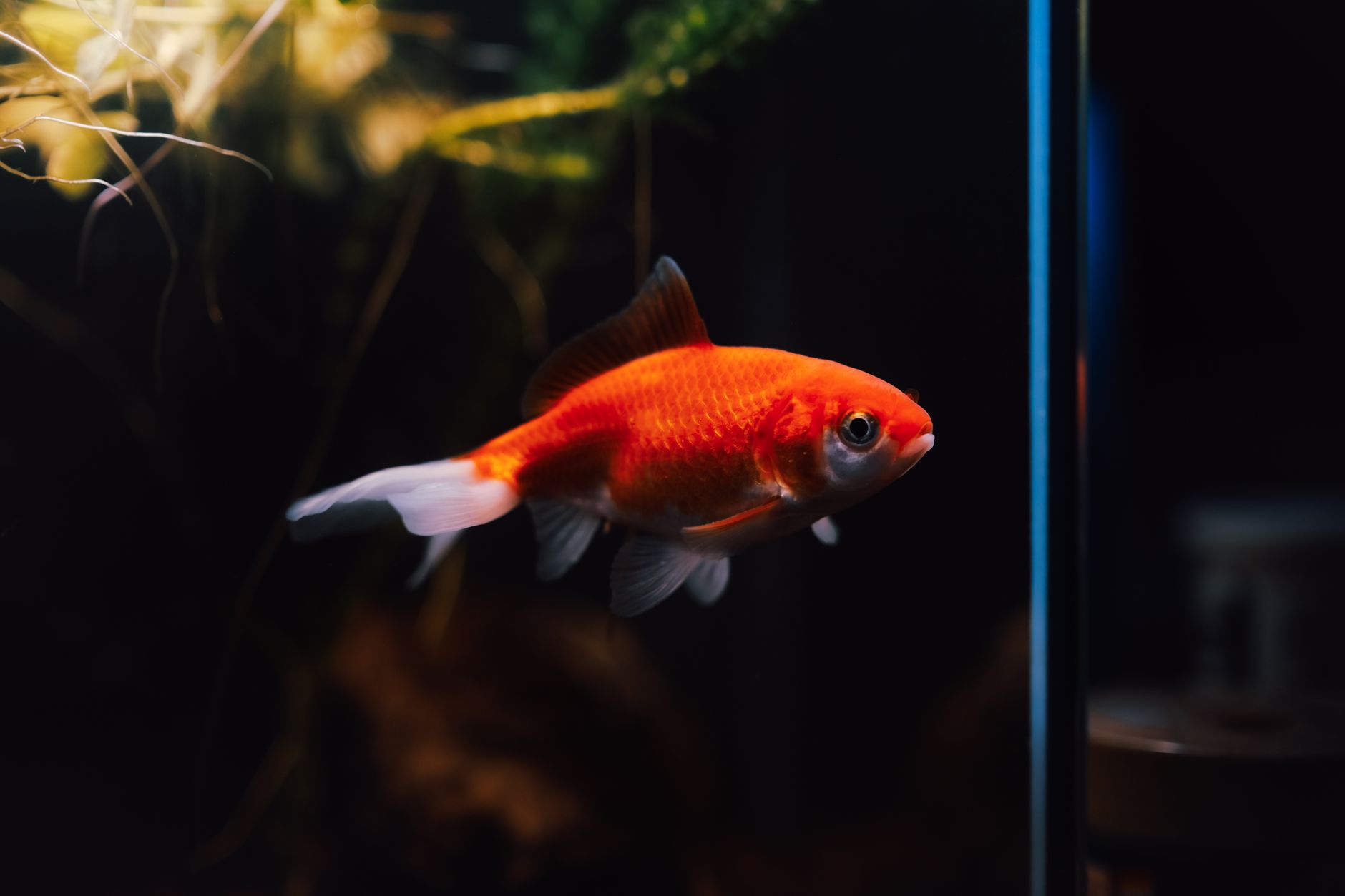
For generations, fishkeepers have debated the merits of adding salt to aquarium water, especially for freshwater species like goldfish. The prevailing thought is that salt can act as a natural remedy, boosting immunity and combating certain illnesses. However, understanding the nuances of goldfish physiology is crucial before reaching for the salt shaker. Does salt water help goldfish? The answer is complex and depends heavily on the situation. This article delves into the science behind salt and its effects on goldfish, separating fact from fiction and providing guidance on when (and when not) to use it.
Does aquarium salt raise pH in aquarium?
Can planaria live in bottled water?
Can fish hear water?
Do carbon filters remove water hardness?
Understanding Goldfish Physiology

Goldfish are freshwater fish, meaning their bodies are designed to maintain a specific internal salt concentration lower than their surrounding environment. They constantly absorb water through their skin and gills due to osmosis and expel excess water through copious urination. This process requires energy.
- Osmoregulation: The process of maintaining a stable internal salt and water balance.
- Freshwater Fish: Adapted to living in environments with very low salt concentrations.
- Saltwater Fish: Adapted to living in environments with high salt concentrations.
Introducing salt into the water makes it more challenging for goldfish to maintain this balance. Their bodies have to work harder to expel the excess salt, which can lead to stress and weakened immunity if maintained long term.
Potential Benefits of Salt (Short-Term Use)
While prolonged exposure to salt water is harmful, short-term salt baths can be beneficial for treating specific conditions in goldfish:
- Parasitic Infections: Salt can disrupt the life cycle of some parasites like Ich (white spot disease) and Costia.
- Fungal Infections: Salt can inhibit the growth of certain fungi.
- Fin Rot: Salt can help prevent secondary infections in damaged fins.
- Nitrite Poisoning: Salt can reduce the toxicity of nitrites in the water.
Salt achieves these benefits by creating an environment that is unfavorable for the pathogens while simultaneously stimulating the goldfish to produce a thicker slime coat, which acts as a protective barrier.
The Correct Salinity for Goldfish Treatment
The concentration of salt is critical. Using too much salt can be lethal, while using too little may be ineffective.
| Salinity Level | Use | Notes |
|---|---|---|
| :—————– | :———————————————– | :———————————————————————————————————————————– |
| 0.1% – 0.3% | General Tonic, Mild Parasite/Fungal Infections | Safe for most goldfish, use for 1-2 weeks. Monitor fish closely. |
| 0.5% – 1.0% | Severe Parasite/Fungal Infections | Use only under close observation. Short-term dips (5-10 minutes) are preferable to prolonged exposure. Do not use on weakened fish. |
Important: Always use aquarium salt or non-iodized sea salt. Table salt contains additives that can be harmful to goldfish. A salinity refractometer or hydrometer is recommended for accurate measurement. Gradual increases and decreases in salinity are vital to avoid shocking the fish.
How to Administer a Salt Bath
Follow these steps to administer a salt bath safely:
- Prepare a separate container: Fill a clean bucket or tank with water from the goldfish’s aquarium.
- Dissolve the salt: Add the appropriate amount of aquarium salt to the water, ensuring it is fully dissolved.
- Acclimatize the goldfish: Slowly introduce the goldfish to the salt water by floating it in a bag for 15-30 minutes to equalize temperature and chemistry.
- Monitor the goldfish: Observe the goldfish closely during the salt bath. If it shows signs of distress (e.g., erratic swimming, gasping at the surface), immediately return it to its regular aquarium.
- Duration: The duration of the salt bath depends on the concentration and the condition being treated. Typically, a bath at 0.1%-0.3% salinity can last for 1-2 weeks, with daily water changes to maintain water quality. Higher concentrations are used for shorter durations (5-10 minute dips).
- Gradual Return: After the salt bath, slowly acclimate the goldfish back to its regular aquarium water by performing partial water changes in the treatment container over several days.
Potential Risks of Salt
While beneficial in specific circumstances, salt poses several risks:
- Kidney Damage: Prolonged exposure to salt can stress the kidneys, leading to damage over time.
- Gill Irritation: High salt concentrations can irritate the delicate gill tissues.
- Slime Coat Disruption: While salt initially stimulates slime coat production, chronic exposure can actually deplete it.
- Plant Sensitivity: Salt is toxic to many aquarium plants.
Alternatives to Salt for Goldfish Health
Instead of relying solely on salt, consider these alternatives for maintaining healthy goldfish:
- Maintain Excellent Water Quality: Regular water changes (25-50% weekly) are crucial.
- Provide a Balanced Diet: Feed your goldfish a high-quality diet appropriate for their species.
- Proper Filtration: Use a filter appropriate for the size of your aquarium.
- Quarantine New Fish: Isolate new fish for several weeks to prevent the introduction of diseases.
- Address Stress Factors: Minimize stress by providing adequate space, appropriate tank mates, and a stable environment.
Common Mistakes When Using Salt
- Using Table Salt: Table salt contains iodine and anti-caking agents, which are toxic to fish.
- Adding Salt Directly to the Aquarium: This can create localized high concentrations of salt that can burn the fish.
- Failing to Monitor Salinity: Using too much or too little salt is ineffective and potentially harmful.
- Abruptly Changing Salinity: Sudden changes in salinity can shock the fish.
- Using Salt as a Cure-All: Salt is not a substitute for proper aquarium maintenance and disease prevention.
- Neglecting Water Changes: Even with salt, regular water changes are necessary to maintain water quality.
Now, let’s explore some frequently asked questions:
How often should I add salt to my goldfish tank?
Adding salt to a goldfish tank should be done only when necessary for treating specific ailments, not as a routine practice. Long-term exposure to salt is detrimental to goldfish.
What are the signs that my goldfish is suffering from salt toxicity?
Signs of salt toxicity include erratic swimming, gasping at the surface, lethargy, loss of appetite, and increased slime coat production (followed by depletion if exposure continues).
Can I use salt in a planted aquarium with goldfish?
Salt is generally toxic to most aquarium plants. If you have live plants, it’s best to avoid using salt or move the fish to a separate treatment tank.
Is salt a good preventative measure for goldfish diseases?
While salt can help boost immunity temporarily, it is not a sustainable preventative measure. Maintaining excellent water quality and providing a balanced diet are more effective long-term strategies.
What type of salt is safe for goldfish?
Only use aquarium salt or non-iodized sea salt that is free of additives. Table salt is harmful to goldfish.
How long should a salt bath last for a goldfish with Ich?
For treating Ich, a salt bath at a concentration of 0.1% – 0.3% can last for 1-2 weeks, with daily water changes to maintain water quality. Monitor the fish closely for any signs of distress.
Can salt cure all goldfish diseases?
Salt is not a cure-all. It is effective for treating certain parasitic and fungal infections but not for all goldfish diseases. Proper diagnosis and appropriate treatment are essential.
How do I measure the salinity of the water?
Use a salinity refractometer or hydrometer for accurate measurements. These devices measure the specific gravity of the water, which correlates to the salt concentration.
What should I do if I accidentally added too much salt to my goldfish tank?
Immediately perform a large water change (50-75%) to dilute the salt concentration. Monitor the fish closely for any signs of distress.
Is salt safe for baby goldfish (fry)?
Fry are more sensitive to salt than adult goldfish. Use caution and lower concentrations if treating fry with salt. Close observation is essential.
How does salt affect the beneficial bacteria in my aquarium filter?
High concentrations of salt can harm beneficial bacteria in your filter. Monitor your water parameters closely after using salt and be prepared to perform water changes to maintain the nitrogen cycle.
What is the best way to remove salt from my goldfish tank after treatment?
Remove salt through gradual water changes. Perform daily or every-other-day water changes (10-20%) to slowly dilute the salt concentration over several days. This will prevent shocking the fish.
In conclusion, does salt water help goldfish? Yes, but only as a short-term treatment for specific conditions. Its long-term use is generally harmful, and excellent water quality, a balanced diet, and preventative measures are more effective for maintaining healthy goldfish.