

Does Baking Soda Make Water More Acidic? Unveiling the Science
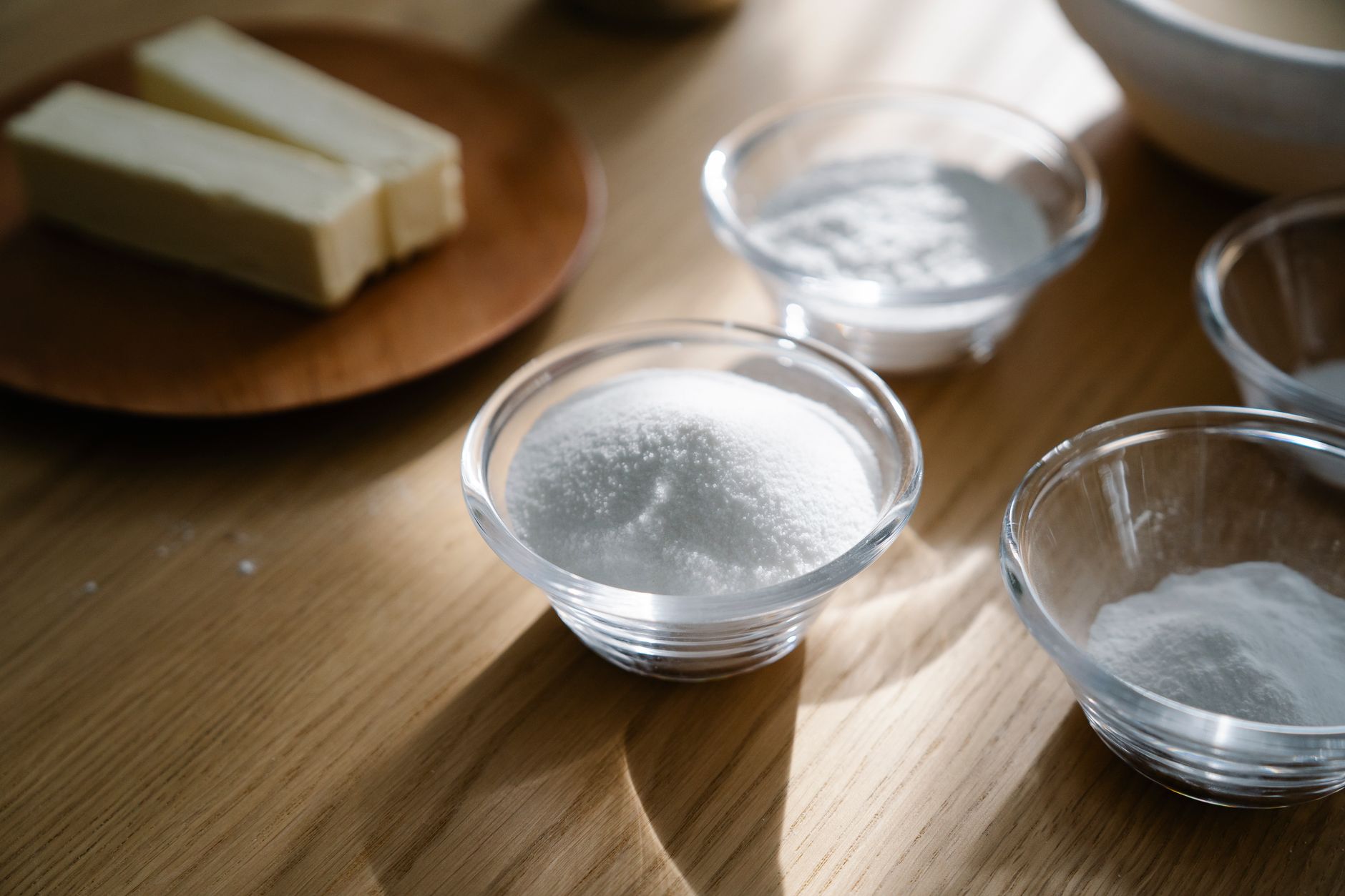
Baking soda, chemically known as sodium bicarbonate, is a common household ingredient, but its impact on water acidity can be surprising. The answer to “Does baking soda make water more acidic?” is a resounding no; adding baking soda to water actually increases the pH, making it more alkaline (basic), not acidic.
Understanding Acidity, Alkalinity, and pH
To understand how baking soda affects water, we need to define some key terms. Acidity refers to the concentration of hydrogen ions (H+) in a solution. The higher the H+ concentration, the more acidic the solution. Conversely, alkalinity (also called basicity) refers to the concentration of hydroxide ions (OH-) in a solution. The higher the OH- concentration, the more alkaline the solution.
The pH scale, ranging from 0 to 14, measures acidity and alkalinity. A pH of 7 is considered neutral (like pure water). Values below 7 indicate acidity, with lower numbers being more acidic. Values above 7 indicate alkalinity, with higher numbers being more alkaline.
Can fish hear water?
How do I add oxygen to my goldfish water?
Do carbon filters remove water hardness?
What is the GREY African clawed frog?
The Chemistry of Baking Soda in Water

Baking soda (sodium bicarbonate, NaHCO3) is an amphoteric substance, meaning it can act as both an acid and a base, depending on the environment. When dissolved in water, baking soda undergoes a chemical reaction called hydrolysis. This reaction involves the bicarbonate ion (HCO3-) accepting a proton (H+) from water (H2O) to form carbonic acid (H2CO3) and hydroxide ions (OH-).
The relevant chemical equation is:
HCO3- (aq) + H2O (l) <=> H2CO3 (aq) + OH- (aq)
Because the hydrolysis reaction produces hydroxide ions (OH-), the concentration of OH- increases, shifting the pH of the water towards the alkaline end of the scale. Therefore, does baking soda make water more acidic? No, it makes it more alkaline.
Measuring the pH Change
The degree to which baking soda increases the pH of water depends on several factors:
- Concentration of Baking Soda: Higher concentrations of baking soda will lead to a greater increase in pH.
- Initial pH of the Water: Water that is already slightly acidic will experience a more noticeable pH increase compared to water that is neutral or slightly alkaline.
- Temperature: Temperature can affect the equilibrium of the hydrolysis reaction, but the effect is generally small at typical room temperatures.
You can use pH strips or a pH meter to measure the pH of water before and after adding baking soda. A typical solution made with 1 teaspoon of baking soda per cup of water will have a pH of around 8.0 to 8.3.
Applications of Baking Soda’s Alkalizing Effect
The alkaline nature of baking soda in water has several practical applications:
- Acid Neutralization: Baking soda is commonly used to neutralize acids. For example, it can be used to relieve heartburn by neutralizing excess stomach acid.
- Cleaning: Baking soda’s mild alkalinity helps to dissolve grease and dirt, making it an effective cleaning agent.
- Water Treatment: In some water treatment processes, baking soda is added to increase the pH of water and reduce its corrosiveness.
- Cooking and Baking: Besides its leavening properties, baking soda can also affect the pH of baked goods, influencing their texture and color.
Potential Concerns and Considerations
While generally safe, there are a few things to consider when using baking soda:
- Overconsumption: Ingesting large amounts of baking soda can disrupt the body’s electrolyte balance and lead to health problems.
- Drug Interactions: Baking soda can interact with certain medications, so it’s important to consult with a doctor or pharmacist if you are taking any medications.
- Aluminum Exposure: Some baking soda products may contain trace amounts of aluminum, which can be a concern for individuals with kidney problems. Always check the label and choose aluminum-free options if needed.
In Summary
Does baking soda make water more acidic? As explained above, adding baking soda to water does not make it more acidic. It makes it more alkaline due to the hydrolysis reaction, where bicarbonate ions accept protons from water, increasing the concentration of hydroxide ions.
Now, let’s dive into some frequently asked questions for a more in-depth understanding:
Frequently Asked Questions (FAQs)
What exactly is baking soda, chemically speaking?
Baking soda is the common name for sodium bicarbonate, with the chemical formula NaHCO3. It’s a white, crystalline powder that is soluble in water. It consists of a sodium cation (Na+) and a bicarbonate anion (HCO3-).
How does baking soda differ from baking powder?
While both are leavening agents used in baking, baking soda is pure sodium bicarbonate, whereas baking powder contains sodium bicarbonate plus an acidic ingredient (like cream of tartar) and a drying agent. Baking soda requires an acidic ingredient in the recipe to activate its leavening power. Baking powder is self-contained and only needs moisture and heat to activate.
If baking soda is alkaline, why is it used to neutralize acids?
Baking soda neutralizes acids through a chemical reaction. The bicarbonate ion (HCO3-) reacts with an acid (H+) to form carbonic acid (H2CO3), which then decomposes into water (H2O) and carbon dioxide (CO2). This neutralizes the acid, raising the pH towards a more neutral level.
Can I use baking soda to test if a substance is acidic or alkaline?
Yes, you can use baking soda as a simple test. If you add baking soda to an acidic substance, it will fizz or bubble as carbon dioxide is released. If you add it to a neutral or alkaline substance, there will be little to no reaction.
Is it safe to drink water with baking soda added to it?
Small amounts of baking soda in water are generally considered safe for most people. Some people use it to relieve heartburn or as an antacid. However, drinking large amounts of baking soda water can be harmful and may cause electrolyte imbalances.
Does the temperature of the water affect how well baking soda dissolves?
Yes, baking soda dissolves more readily in warm or hot water than in cold water. However, the difference in the pH effect is minimal at different temperatures.
Will baking soda neutralize a strong acid like hydrochloric acid (HCl)?
Yes, baking soda will neutralize hydrochloric acid, but the reaction is vigorous and produces a lot of heat and carbon dioxide. This should only be done under controlled conditions by trained personnel, as it can be dangerous.
How much baking soda should I add to water to raise its pH significantly?
Adding a small amount of baking soda, such as 1/4 teaspoon per cup of water, will noticeably increase the pH. However, adding too much can make the water taste unpleasant and may not significantly increase the pH further.
Can baking soda be used to make hard water softer?
Baking soda does not directly soften hard water by removing calcium or magnesium ions. However, it can indirectly reduce hardness by precipitating calcium carbonate when added to water containing calcium bicarbonate. Other water softening methods are more effective.
Is there a difference between baking soda and washing soda?
Yes, baking soda is sodium bicarbonate (NaHCO3), while washing soda is sodium carbonate (Na2CO3). Washing soda is much more alkaline than baking soda and is not intended for consumption. It is used as a laundry booster and cleaner.
Does baking soda react with tap water chloramine or chlorine?
Baking soda can react with chlorine and chloramine in water, but the reaction is not very effective at removing these chemicals. Other methods, like activated carbon filtration, are more effective for removing chlorine and chloramine.
Are there any health benefits to drinking baking soda water?
While some people claim health benefits from drinking baking soda water, such as improved athletic performance or reduced inflammation, these claims are not well-supported by scientific evidence. There are potential risks associated with consuming baking soda regularly, so it’s important to consult with a doctor before using it for medicinal purposes. Always remember the primary takeaway: Does baking soda make water more acidic? No, it creates a more alkaline environment.