

How Often Should My Bird Eat? A Comprehensive Guide to Avian Nutrition
How often should my bird eat? The optimal feeding frequency varies depending on the species, age, and health of your bird, but generally, providing access to fresh food throughout the day, supplemented with scheduled feedings, is the best approach to ensure optimal health and well-being.

Introduction: The Importance of Proper Avian Nutrition
Proper nutrition is paramount for the health, longevity, and overall well-being of pet birds. Just like humans, birds require a balanced diet to thrive. This means understanding not only what to feed them, but also how often should my bird eat? Inadequate or improper feeding schedules can lead to malnutrition, behavioral issues, and a shortened lifespan. This guide will provide you with comprehensive information on how to determine the best feeding schedule for your avian companion.
Understanding Bird Metabolism and Digestive Systems
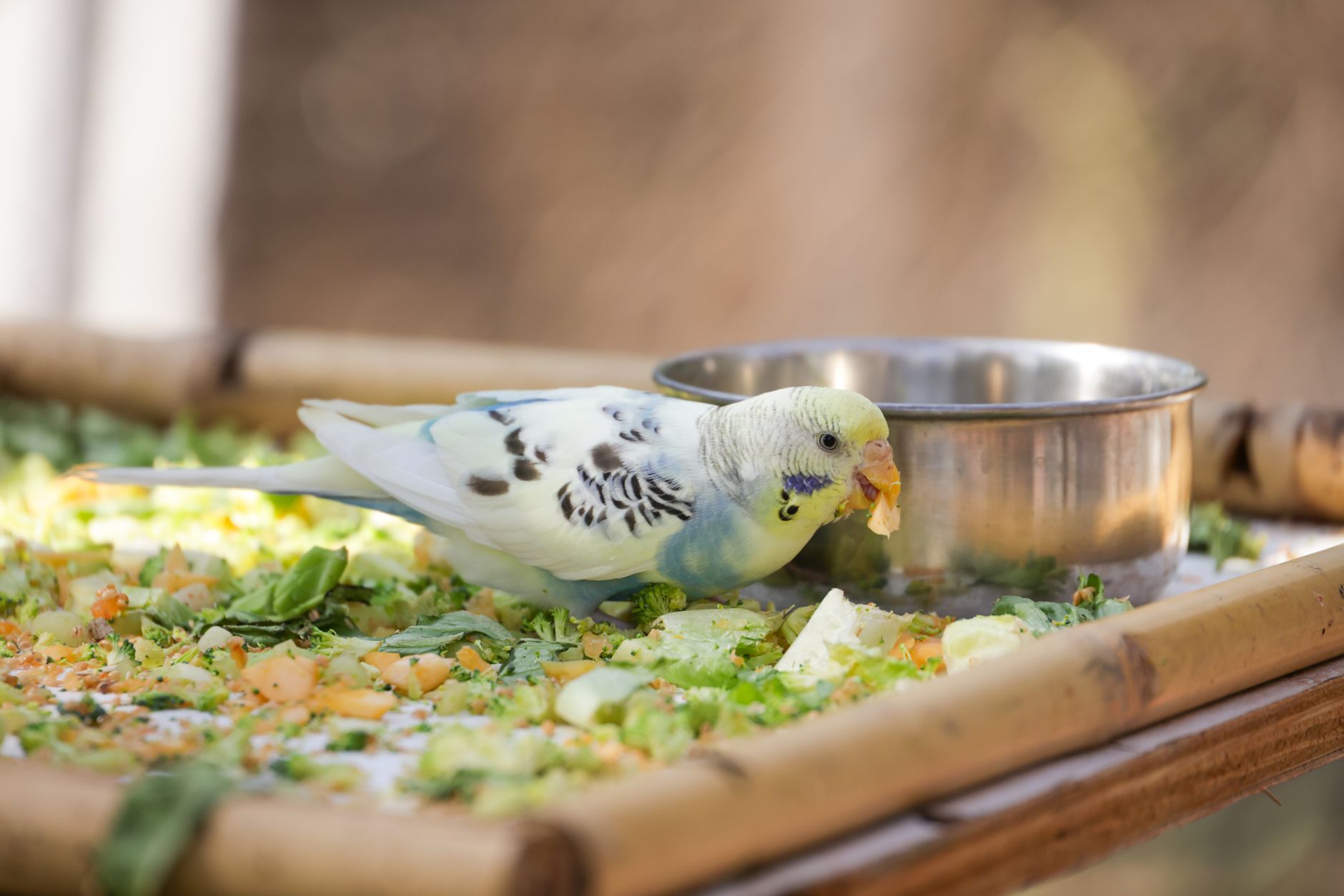
Birds have evolved to efficiently extract nutrients from their food, but their digestive systems are relatively fast-acting. This is especially true for smaller birds with higher metabolisms. This faster processing time means they need to eat more frequently than, say, a mammal of similar size. Understanding this difference is key to answering the question: How often should my bird eat?
- Small birds, such as budgies and finches, have very high metabolic rates and require frequent access to food.
- Larger birds, like parrots and macaws, can typically go longer between meals, but still need a structured feeding schedule.
Key Components of a Balanced Avian Diet
Before diving into frequency, let’s briefly review the components of a balanced bird diet:
- Pelleted Food: Should constitute approximately 60-80% of the diet. Choose a high-quality brand formulated for your bird’s species.
- Fresh Fruits and Vegetables: Offer a variety of colorful produce, ensuring they are safe for birds (some foods, like avocado and chocolate, are toxic).
- Seeds: Should be offered in moderation, as they are high in fat. Use them as treats or for enrichment purposes.
- Nuts: Similar to seeds, nuts are high in fat and should be given sparingly. They are great for training or as a reward.
- Clean Water: Always provide fresh, clean water. Change it at least twice a day.
Factors Influencing Feeding Frequency
Several factors influence how often should my bird eat? Consider these when designing your bird’s feeding schedule:
- Species: Different species have different metabolic rates and dietary needs. Research your specific bird’s species.
- Age: Young birds (chicks and fledglings) require more frequent feedings than adults to support growth and development.
- Activity Level: More active birds require more calories and may need more frequent feedings.
- Health Status: Birds with certain medical conditions may require adjusted feeding schedules or special diets.
- Environmental Temperature: Birds in colder environments need more calories to maintain body temperature.
Creating a Feeding Schedule: A Practical Approach
While free-feeding (allowing constant access to food) can seem convenient, it can lead to selective eating, obesity, and other health problems. A structured feeding schedule helps prevent these issues. Here’s a general guideline:
- Morning Feeding: Offer the bulk of the bird’s daily pelleted food and a portion of fresh fruits and vegetables.
- Midday Snack: A small amount of fresh produce or a healthy treat (nut or seed). This is especially important for smaller birds!
- Evening Feeding: Offer the remaining fresh produce and a small amount of pelleted food. Remove any uneaten fresh food to prevent spoilage.
- Water Changes: Ensure fresh, clean water is available at all times.
Example Feeding Schedule (Cockatiel)
| Time | Food | Amount | Notes |
|---|---|---|---|
| 8:00 AM | Pellets, Chopped Vegetables & Fruits | 2 tablespoons pellets, 1 tbsp Veggies/Fruits | Remove any uneaten fresh food after a few hours. |
| 1:00 PM | Small treat (sunflower seed, millet spray) | 1-2 seeds/sprays | Offer enrichment and training. |
| 6:00 PM | Chopped Vegetables & Fruits, Pellets | 1 tbsp Veggies/Fruits, 1 tbsp Pellets | Remove any uneaten food before bedtime. Ensure fresh water is available. |
Common Mistakes in Bird Feeding
Avoiding these common mistakes can significantly improve your bird’s health:
- Overfeeding Seeds: Seeds are high in fat and can lead to obesity and liver disease.
- Providing an All-Seed Diet: Birds need a balanced diet, not just seeds.
- Offering Toxic Foods: Avoid avocado, chocolate, onions, garlic, and caffeine.
- Not Providing Fresh Water: Birds need access to clean water at all times.
- Ignoring the Bird’s Preferences: Observe your bird’s eating habits and adjust the diet accordingly.
- Sudden Diet Changes: Introduce new foods gradually to avoid digestive upset.
Monitoring Your Bird’s Health
Regularly monitoring your bird’s weight, droppings, and behavior can help you identify potential dietary problems early on. Consult with an avian veterinarian if you notice any concerning changes. Answering How often should my bird eat? is just the first step. Observing the results will tell you if you are on the right track.

Frequently Asked Questions (FAQs)
How do I know if I’m feeding my bird enough?
Monitor your bird’s weight and body condition. A healthy bird should have a well-defined breastbone (keel) but not be overly prominent. Regular weigh-ins are a good way to track your bird’s weight. Observe your bird’s droppings; they should be well-formed and appropriately colored. Consult your avian vet if you have concerns.
What if my bird only eats seeds?
Transitioning a seed-addicted bird to a healthier diet requires patience and persistence. Gradually introduce pelleted food and fresh produce, while slowly reducing the amount of seeds offered. Offer new foods in various forms (chopped, grated, cooked) to find what your bird prefers. Consult with an avian veterinarian for guidance.
Can I feed my bird table scraps?
Generally, table scraps are not recommended, as they may contain harmful ingredients or be too high in salt, fat, or sugar. However, small amounts of plain cooked vegetables or grains are generally safe. Always check ingredient lists before offering anything to your bird, and avoid anything seasoned with spices.
How do I introduce new foods to my bird?
Introduce new foods gradually and in small amounts. Offer them alongside familiar foods to encourage your bird to try them. Persistence is key; it may take several attempts before your bird accepts a new food. You can also try mimicking the behavior of other birds by pretending to eat the new food yourself.
Is it okay to leave food in my bird’s cage overnight?
Pelleted food can generally be left in the cage overnight, but fresh fruits and vegetables should be removed to prevent spoilage. Spoiled food can harbor bacteria and fungi that can make your bird sick. Make sure a plentiful supply of fresh, clean water is available.
What should I feed my baby bird (chick)?
Baby birds require specialized hand-feeding formulas designed to meet their nutritional needs. The feeding frequency and amount depend on the age and species of the chick. Consult with an avian veterinarian or experienced breeder for guidance.
My bird is overweight. How can I help it lose weight?
Consult with your avian vet to rule out any underlying medical conditions. Reduce the amount of fatty foods (seeds and nuts) in your bird’s diet and increase the amount of fresh fruits and vegetables. Encourage exercise by providing plenty of opportunities for flight and play.
My bird is underweight. What should I do?
Consult with your avian veterinarian to determine the underlying cause of the weight loss. Offer a variety of nutritious foods and ensure that your bird is eating enough. Supplementing the diet with a small amount of healthy fats (such as flaxseed oil) may be helpful, but only do so under veterinary guidance.
Can I give my bird supplements?
In general, a bird that is eating a balanced diet does not need supplements. However, under certain circumstances (such as illness or breeding), your avian veterinarian may recommend supplements. Never give your bird supplements without consulting a veterinarian first.
How often should I clean my bird’s food and water bowls?
Food and water bowls should be cleaned daily with hot, soapy water to prevent bacterial growth. Rinse them thoroughly and allow them to dry completely before refilling.
Is organic food better for my bird?
Organic food is generally considered to be safer because it is grown without pesticides and herbicides. However, the most important thing is to ensure that your bird’s food is fresh, nutritious, and free of contaminants, regardless of whether it is organic or not.
Does the time of year affect my bird’s feeding habits?
Yes, during breeding season, birds may require more calories to support egg production. Similarly, during molting, birds may need more protein to support feather growth. Adjust your bird’s diet accordingly, and consult with your avian veterinarian for guidance. Consider How often should my bird eat in combination with seasonal and life-cycle related nutritional needs.