
Does AC Take in Air from Outside? Unveiling the Truth About Air Conditioning Systems
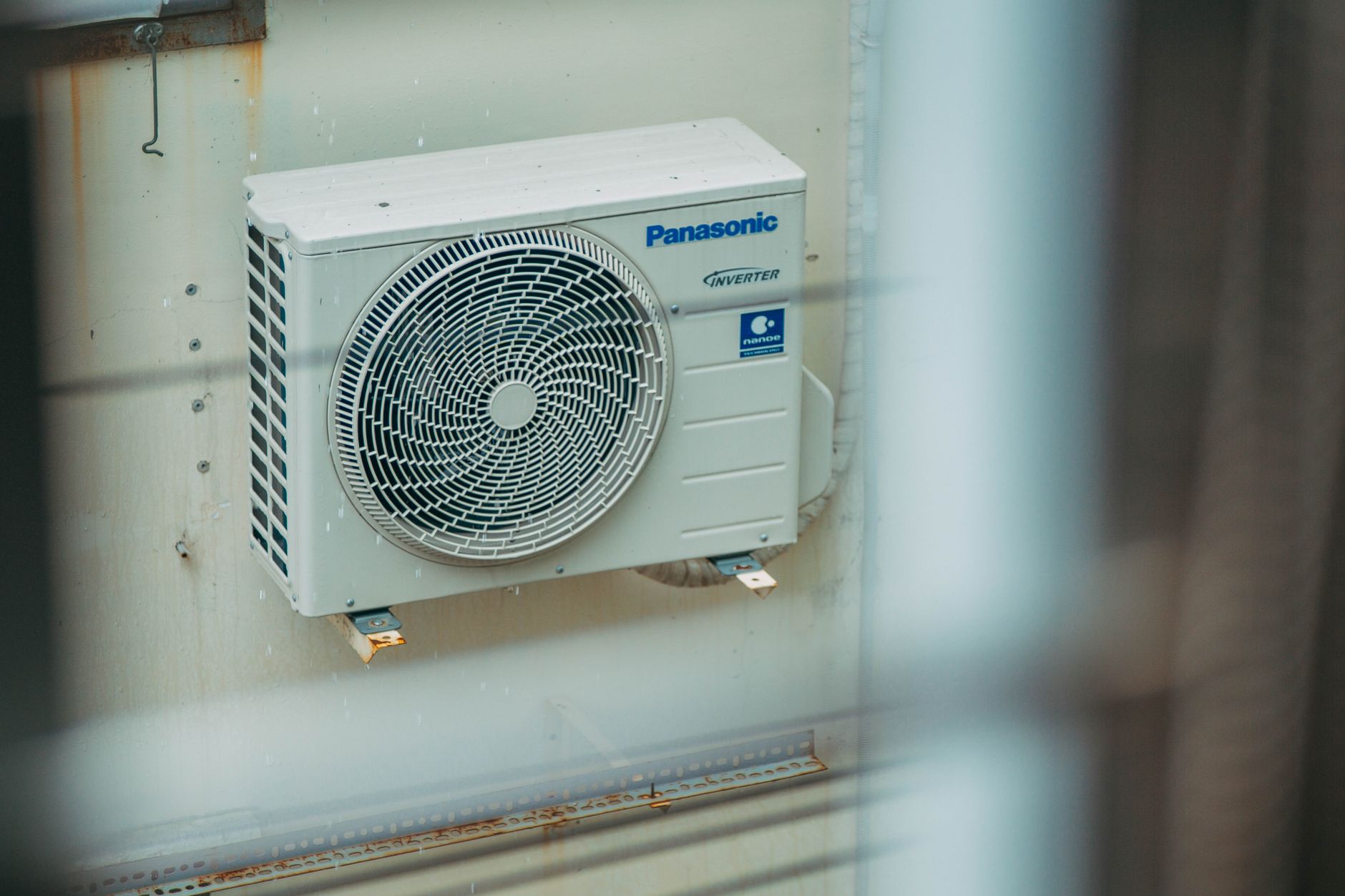
The answer to whether your air conditioner pulls air from outside is nuanced: generally, no, standard air conditioners primarily recirculate indoor air. However, some specialized systems or modes within standard systems do incorporate outside air for ventilation purposes. Understanding this distinction is crucial for optimizing your AC’s performance and ensuring healthy indoor air quality.

Understanding the Core Functionality of Air Conditioning
Air conditioning, at its heart, is a closed-loop system designed to cool and dehumidify the air already present within a building. It accomplishes this through a refrigerant cycle involving evaporation and condensation. The refrigerant absorbs heat from the indoor air as it evaporates, cooling the air which is then blown back into the room. This process continues repeatedly, gradually lowering the temperature.
The key is that the air being cooled is the air that’s already inside. The return vent, which you typically see in a wall or ceiling, is where the air conditioning unit draws air from the room. This air is then processed and re-introduced to the room at a lower temperature through supply vents.
When Does AC Utilize Outside Air?
While recirculation is the norm, there are situations where air conditioning systems intentionally incorporate outside air. These scenarios fall into two main categories: ventilation and economizer modes.
Ventilation Systems
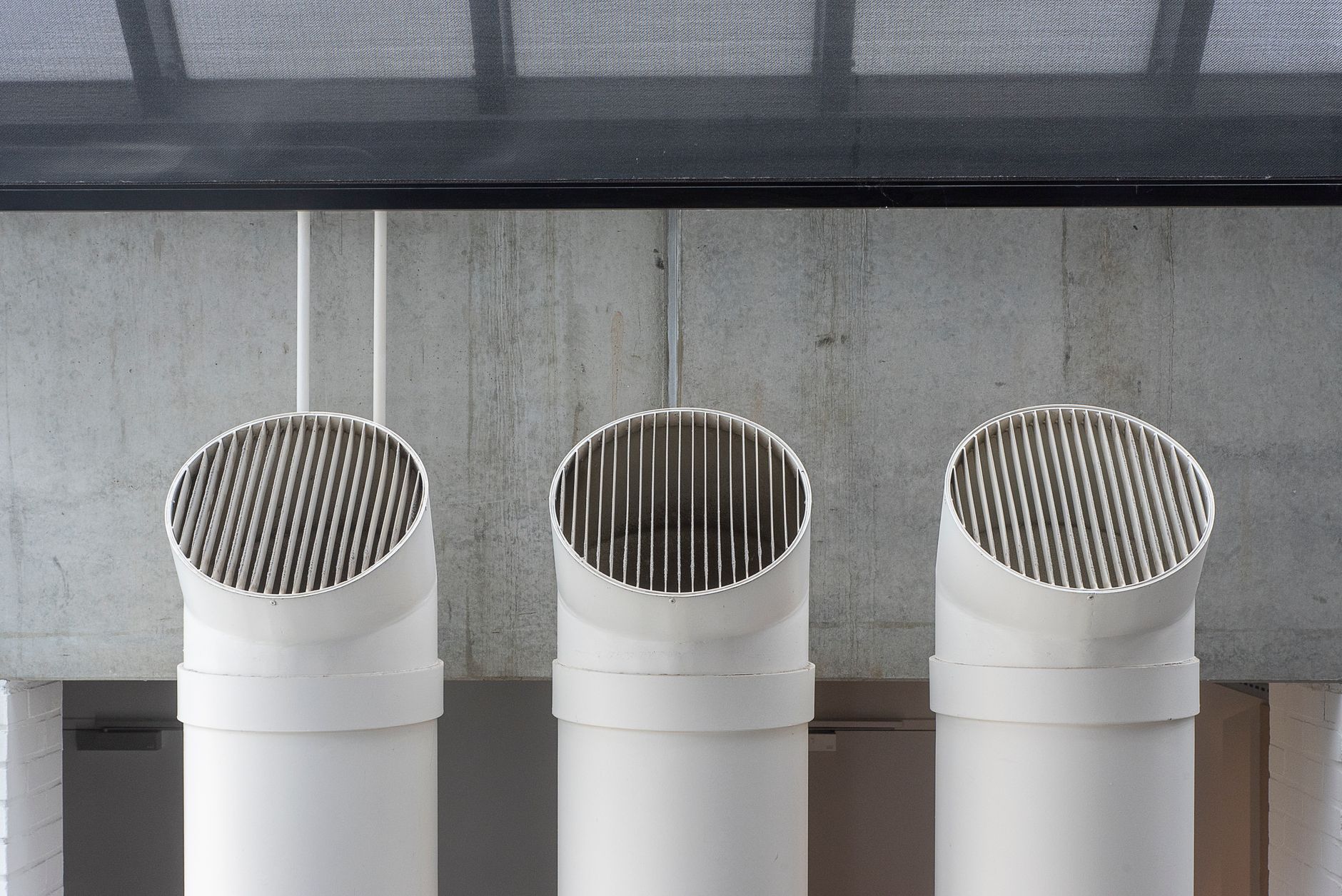
Dedicated ventilation systems, often separate from the primary air conditioning unit, are specifically designed to bring fresh air into a building. These systems are particularly important in commercial buildings and tightly sealed homes, where adequate ventilation is necessary to maintain healthy air quality and prevent the build-up of pollutants like carbon dioxide, volatile organic compounds (VOCs), and allergens. These systems aren’t cooling necessarily, but ensure proper airflow.
Is distilled water good for goldfish?
What colours are fish most attracted to?
Can you put your finger in a trout's mouth?
Is methylene blue anti bacterial?
Economizer Modes

Some advanced air conditioning units, particularly in commercial settings, feature an economizer mode. This mode utilizes outside air for cooling when the temperature and humidity conditions are favorable. If the outside air is cooler and drier than the inside air, the economizer can use dampers to introduce outside air into the system, reducing the load on the compressor and saving energy. This is a form of free cooling, leveraging natural conditions to minimize energy consumption.
Factors Affecting Air Intake
Several factors can influence whether your AC system takes in air from outside, even unintentionally. These include:
Building Leaks
Even without intentional ventilation, air can infiltrate a building through cracks, gaps, and poorly sealed windows and doors. This air infiltration can affect the efficiency of your AC system, making it work harder to maintain the desired temperature. Proper sealing and insulation are crucial to minimizing air leaks and improving energy efficiency.
Exhaust Fans and Ventilation Systems
The operation of exhaust fans in kitchens and bathrooms, or independent ventilation systems, can create a negative pressure inside the building. This negative pressure can, in turn, draw outside air in through any available cracks and gaps. Balancing ventilation is important to avoid this.
Window Air Conditioners
Window air conditioners, by their design, inherently introduce a small amount of outside air. Although they primarily recirculate room air, some air leakage around the unit is unavoidable. Some higher end models have an “exhaust” function that purposefully introduces outdoor air.
FAQs: Demystifying Air Conditioner Functionality
Here are some frequently asked questions to further clarify the operation of air conditioning systems and their relationship with outside air:
FAQ 1: Will opening a window while the AC is running damage the system?
Yes, opening a window while the AC is running is generally not recommended. It forces the AC unit to work harder to maintain the desired temperature, leading to increased energy consumption and potentially shortening the lifespan of the system. You’re essentially asking it to cool the entire neighborhood.
FAQ 2: How can I improve indoor air quality without compromising my AC’s efficiency?
Improving indoor air quality while maintaining AC efficiency requires a multi-pronged approach. Consider using a high-efficiency particulate air (HEPA) filter in your AC unit, investing in a separate air purifier, and ensuring proper ventilation (using a dedicated ventilation system if necessary). Regular cleaning of your AC unit is also vital.
FAQ 3: What is the difference between ventilation and air exchange?
Ventilation refers to the intentional introduction of fresh, outside air into a building, whereas air exchange is a broader term that encompasses both intentional ventilation and unintentional air infiltration through leaks and gaps. Ventilation is controlled, while air exchange can be uncontrolled.
FAQ 4: My AC unit has a “fresh air” setting. What does this do?
The “fresh air” setting on some AC units typically opens a small damper that allows a small amount of outside air to be drawn into the system. This is primarily for ventilation, and while it can improve air quality, it will also slightly reduce the cooling efficiency of the unit.
FAQ 5: How often should I change the air filter in my AC unit?
The recommended frequency for changing your AC air filter is typically every 1-3 months, depending on factors such as the type of filter, the presence of pets, and the overall air quality in your area. Regularly changing the filter is crucial for maintaining AC efficiency and air quality.
FAQ 6: Does running the AC dry out the air?
Yes, air conditioning does dehumidify the air as part of the cooling process. This is because cooler air holds less moisture than warmer air. The moisture condenses on the cooling coils of the AC unit and is drained away.
FAQ 7: How can I tell if my AC unit is not working efficiently?
Signs of an inefficient AC unit include: uneven cooling, unusually high energy bills, frequent cycling (turning on and off), and strange noises coming from the unit. Regular maintenance and professional inspections can help identify and address these issues.
FAQ 8: What is a mini-split AC system, and does it use outside air?
Mini-split AC systems, also known as ductless systems, primarily recirculate indoor air. However, like other AC systems, they can benefit from proper ventilation. Some models may integrate with dedicated ventilation systems for improved air quality.
FAQ 9: Are there any health concerns associated with recirculating indoor air?
Recirculating indoor air without proper filtration and ventilation can lead to the build-up of allergens, pollutants, and pathogens. This can exacerbate respiratory problems and contribute to other health issues. Regular cleaning, proper filtration, and adequate ventilation are essential.
FAQ 10: Can I install a whole-house ventilation system to work with my existing AC?
Yes, it’s possible to install a whole-house ventilation system that integrates with your existing AC system. These systems typically use a heat recovery ventilator (HRV) or energy recovery ventilator (ERV) to pre-condition the incoming fresh air, minimizing the impact on your AC’s energy consumption.
FAQ 11: What is the purpose of the condensate drain line on my AC unit?
The condensate drain line removes the moisture that condenses on the cooling coils of your AC unit. A clogged drain line can lead to water damage and mold growth. Regular cleaning of the drain line is essential for preventing these problems.
FAQ 12: Should I consider a smart thermostat to better manage my AC and ventilation?
Yes, a smart thermostat can be a valuable tool for managing your AC and ventilation system. Smart thermostats allow you to remotely control your AC, set schedules, and monitor energy consumption. Some advanced models can even integrate with ventilation systems to optimize air quality and energy efficiency. They can also provide feedback on run times, letting you know when maintenance may be required.