

Do Turtles Feel You Petting Their Shell? Unveiling the Sensitivity of a Reptilian Fortress
Yes, turtles can feel you petting their shell, though the sensation is more akin to pressure than a pleasurable petting experience. Understanding the shell’s structure and nerve endings is crucial to comprehending Do turtles feel you petting their shell?
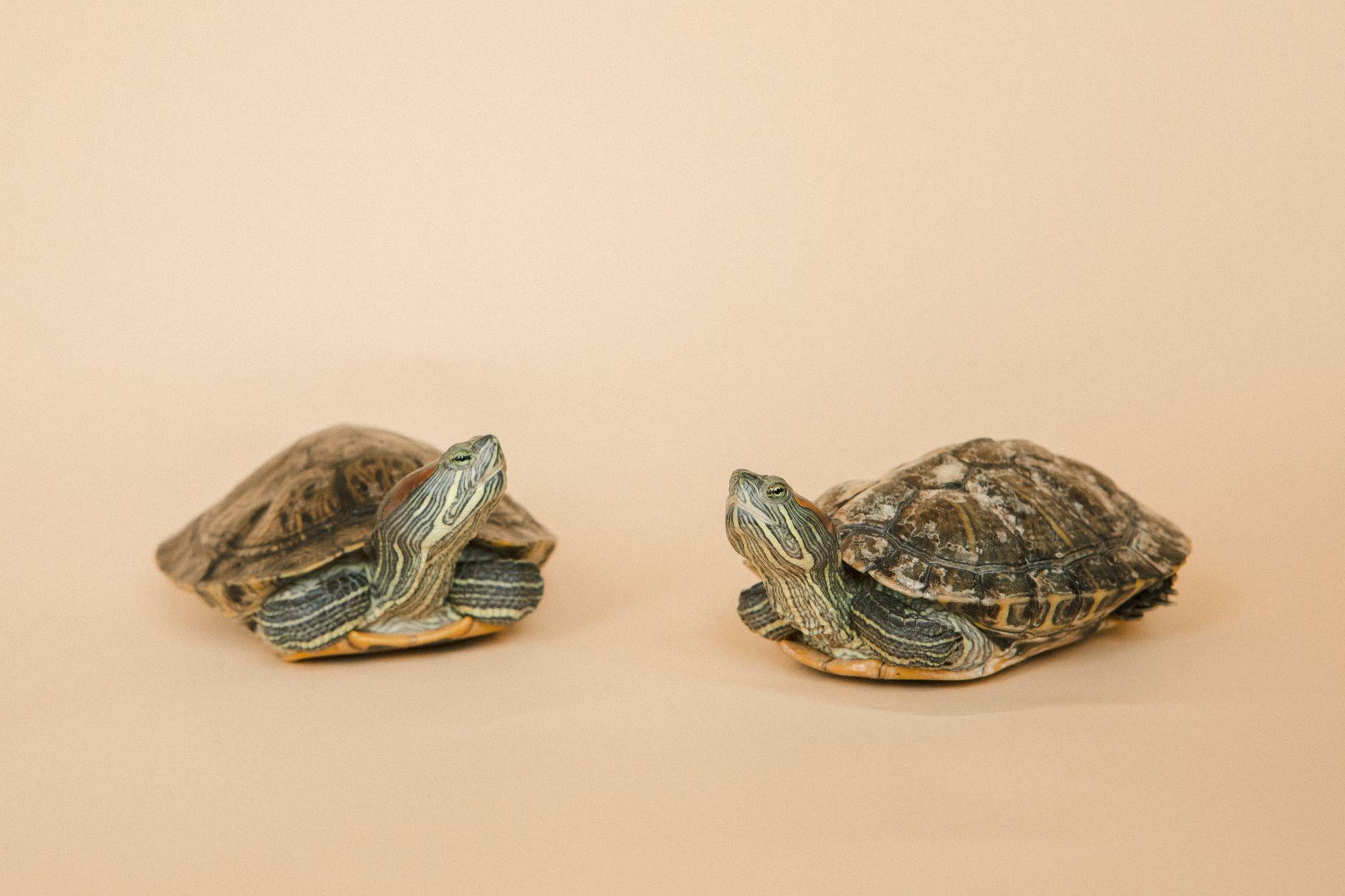
The Turtle Shell: More Than Just Armor
The turtle’s shell is an evolutionary marvel, a protective shield that’s actually part of its skeleton. This bony casing is composed of two primary sections: the carapace (the upper shell) and the plastron (the lower shell). The carapace and plastron are connected by a bony bridge.
- Carapace: The upper, domed part of the shell. Fused ribs and vertebrae form much of its structure.
- Plastron: The lower, flatter part of the shell.
- Bony Bridge: Connects the carapace and plastron, completing the protective enclosure.
While the shell may seem like a solid, inanimate object, it’s far from that. Beneath the hard keratinous scutes (the shell’s “tiles”) lies a layer of bone, and beneath that, nerve endings.

Is distilled water good for goldfish?
What colours are fish most attracted to?
Can you put your finger in a trout's mouth?
Is methylene blue anti bacterial?
The Role of Nerve Endings

Although the turtle shell is a protective barrier, it isn’t completely devoid of sensitivity. Nerve endings are present in the bone and connective tissues beneath the scutes. These nerve endings are capable of detecting pressure and, potentially, vibrations. Do turtles feel you petting their shell? They likely sense the touch as a general pressure, not the same nuanced feeling as a caress on skin.
These nerve endings likely serve important functions, such as detecting environmental changes, potential predators, or damage to the shell.
Interpreting Turtle Reactions
Determining precisely how a turtle feels when you touch its shell is difficult. We can’t simply ask them. However, we can observe their reactions. Some turtles may withdraw into their shells, while others may remain still or even seem to lean into the touch. These reactions can vary based on:
- Species: Different species may have varying levels of shell sensitivity.
- Individual Turtle: Just like humans, individual turtles have different personalities and tolerances.
- Location of Touch: Certain areas of the shell might be more sensitive than others.
- How Familiar They Are With You Turtles may become more comfortable with handling as you build trust.
Remember that withdrawal is a sign of stress or fear. A calm, relaxed turtle is less likely to react negatively.
Best Practices for Interacting with Turtles
While petting a turtle’s shell may seem harmless, it’s essential to approach interactions with respect and caution. Here are some best practices:
- Observe the Turtle: Before touching, watch the turtle’s body language. Are they relaxed or stressed?
- Gentle Touch: Use a gentle, slow approach. Avoid sudden movements or forceful pressure.
- Focus on the Back: If you touch the shell, focus on the back (carapace) and avoid the head and limbs, as these areas are more sensitive and can cause alarm.
- Limit Duration: Keep interactions brief. Don’t force interaction if the turtle seems uncomfortable.
- Prioritize the Turtle’s Well-being: Remember that the turtle’s health and comfort should always be the priority. Do turtles feel you petting their shell? Yes, but it’s more important to consider how they react to being touched and adjust your behavior accordingly.
The Importance of Respectful Handling
Responsible turtle ownership and respectful interactions are crucial for their well-being. Understanding that they can feel touch, even if it’s not the same as human touch, is a vital step in ensuring their comfort and safety.
Frequently Asked Questions (FAQs)
Is the shell a living part of the turtle?
Yes, the turtle’s shell is part of its skeleton, fused to the ribs and vertebrae. It is a living tissue with blood vessels and nerve endings, though the outer scutes are made of keratin, a non-living material, similar to our fingernails.
Does it hurt a turtle when its shell is scratched?
It depends on the severity of the scratch. Minor surface scratches to the scutes are unlikely to cause pain, as they are made of keratin, a non-living material. However, deeper scratches that penetrate the scutes and reach the underlying bone can be painful and increase the risk of infection.
Can turtles feel pain through their shell?
Yes, turtles can feel pain through their shell if the damage is significant enough to stimulate the nerve endings located in the bone and connective tissue beneath the scutes. Injuries to the shell should always be assessed by a veterinarian.
Do turtles like to be petted?
It’s difficult to say definitively whether turtles “like” to be petted in the same way a dog or cat does. While some turtles may seem to tolerate or even enjoy gentle contact, others may find it stressful. Observing their body language and respecting their boundaries is crucial.
What are the signs that a turtle is stressed?
Signs of stress in turtles can include withdrawing into their shell, hissing, biting, rapid breathing, and changes in activity level. If a turtle exhibits these signs, it’s essential to reduce handling and provide a calm, safe environment.
Are some parts of the shell more sensitive than others?
It is likely that some areas of the shell are more sensitive than others, especially those close to where the limbs join or where the skin is softer. The plastron (lower shell) tends to be more sensitive than the carapace (upper shell).
Should I pick up a turtle by its shell?
It is generally not recommended to pick up a turtle by its shell, especially if it is heavy. This can cause discomfort and stress. The best way to handle a turtle is to support its entire body with both hands.
Can a turtle die if its shell is damaged?
Yes, severe damage to a turtle’s shell can be fatal. The shell protects vital organs, and injuries can lead to infection, bleeding, and organ damage. Prompt veterinary care is crucial for turtles with shell injuries.
Do baby turtles have the same shell sensitivity as adult turtles?
Baby turtles’ shells are generally more sensitive than those of adult turtles because their shells are thinner and less developed. Extra care should be taken when handling young turtles.
What if my turtle seems to like being touched?
If your turtle appears calm and relaxed while being touched, it may be tolerating or even enjoying the interaction. However, it’s still important to be gentle and respectful, and to stop if the turtle shows any signs of stress.
Is it okay to paint a turtle’s shell?
Painting a turtle’s shell is generally not recommended. Paint can be toxic, obstruct the pores in the shell, and interfere with the turtle’s ability to absorb sunlight. If painting is necessary for identification purposes, use non-toxic, turtle-safe paint and consult with a veterinarian.
What else can I do to bond with my turtle?
Beyond physical touch, bonding with your turtle can involve providing a stimulating environment, offering appropriate food, maintaining a clean habitat, and simply spending time observing its behavior. Creating a comfortable and predictable routine can also help build trust. Understanding Do turtles feel you petting their shell? and respecting their boundaries is part of providing that supportive environment.