

Do Sea Turtles Hatch on the Beach? A Deep Dive
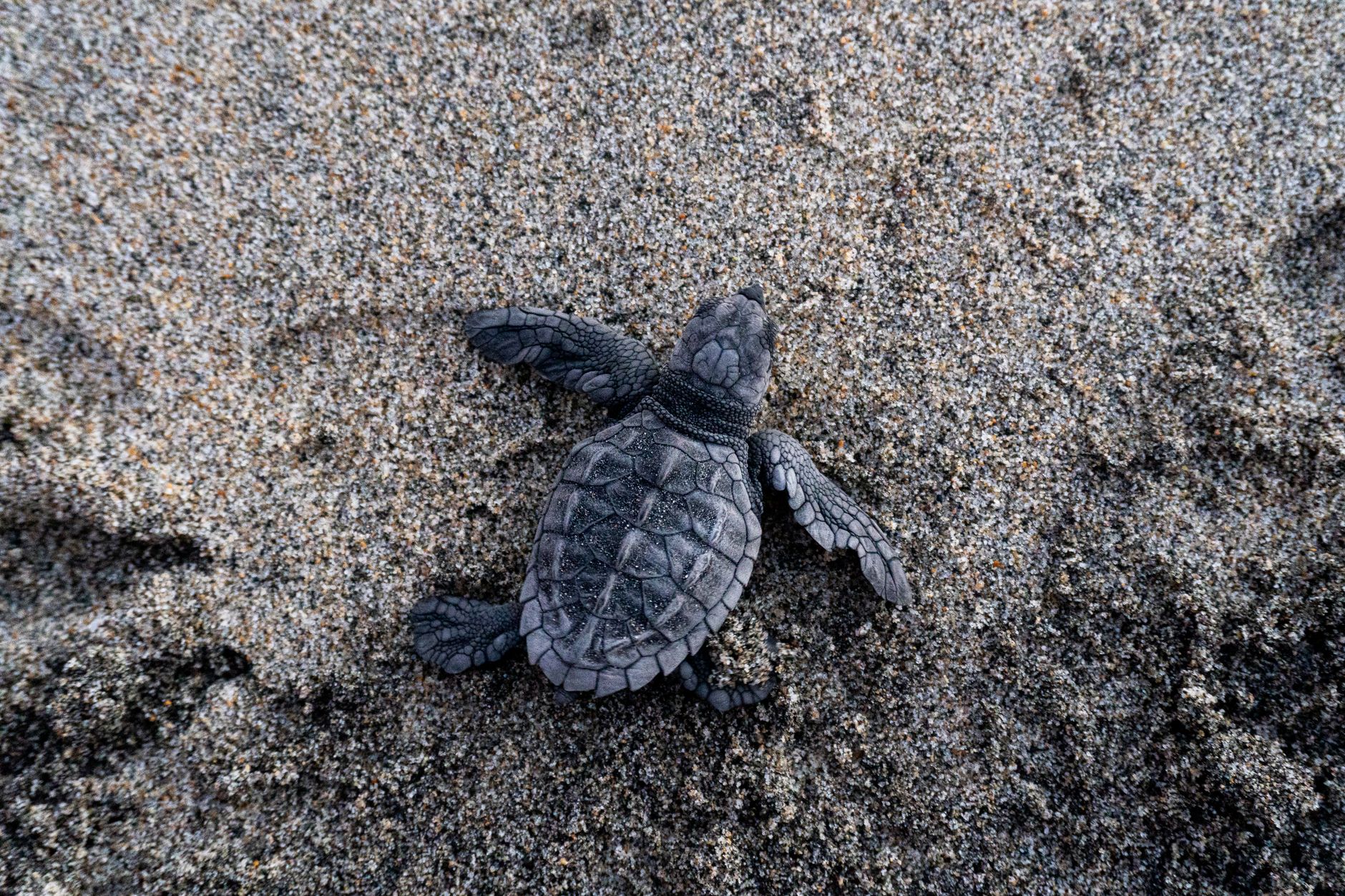
Yes, sea turtles definitively do hatch on the beach, where they were originally laid as eggs. The hatching process and the journey to the ocean are critical and vulnerable stages in their life cycle.
The Amazing Sea Turtle Life Cycle: A Beachside Beginning
The journey of a sea turtle begins on sandy beaches around the world. Female sea turtles, after navigating vast oceans, return to the shores where they themselves hatched, guided by an innate sense of place and the earth’s magnetic field. This incredible feat of navigation ensures the continuation of their species in familiar, suitable nesting grounds.

Is distilled water good for goldfish?
What colours are fish most attracted to?
Can you put your finger in a trout's mouth?
Is methylene blue anti bacterial?
The Nesting Process: A Mother’s Dedication

The nesting process is arduous for the female sea turtle. She drags herself onto the beach, often under the cover of darkness, carefully choosing a spot above the high-tide line. Using her hind flippers, she digs a nest cavity, depositing dozens, sometimes even over a hundred, leathery eggs. After laying her eggs, she meticulously covers the nest, camouflaging it to protect it from predators. Exhausted, she returns to the ocean, leaving her precious cargo to incubate in the warm sand.
Incubation: Nature’s Time Capsule
The incubation period varies depending on the species and the temperature of the sand. Warmer temperatures generally lead to shorter incubation times. During this time, the tiny turtles develop within their eggs, nourished by the yolk. Interestingly, the temperature of the sand during incubation plays a crucial role in determining the sex of the hatchlings. Warmer temperatures tend to produce more females, while cooler temperatures result in more males. This phenomenon, known as temperature-dependent sex determination, highlights the vulnerability of sea turtle populations to climate change.
Hatching: A Synchronized Effort
After several weeks, the moment arrives when the baby turtles begin to hatch. Using a small egg tooth, they break free from their shells. However, they don’t immediately emerge from the nest. Instead, they often remain underground for several days, absorbing the remaining yolk sac for nourishment and strength. This delay also allows the hatchlings to coordinate their emergence, typically during the cooler nighttime hours, when the risk of predation is lower.
The Scramble to the Sea: A Perilous Journey
The scramble to the sea is perhaps the most dangerous stage of a sea turtle’s life. Guided by the light of the moon and stars reflecting off the ocean surface (a phenomenon they instinctively follow), the hatchlings emerge from their nest en masse and race towards the water. This dash for survival is fraught with peril. Predators, such as birds, crabs, and foxes, lie in wait, eager to snatch up the vulnerable hatchlings. Artificial lights from buildings and streets can disorient the turtles, causing them to wander inland, away from the ocean, where they are likely to die.
Factors Affecting Hatching Success: A Delicate Balance
Several factors can influence the success of sea turtle hatching, and whether they do sea turtles hatch on the beach:
- Predation: Natural predators pose a significant threat.
- Habitat Destruction: Beach erosion and development can destroy nesting sites.
- Light Pollution: Artificial lights disorient hatchlings.
- Climate Change: Rising temperatures can skew sex ratios and impact incubation times.
- Human Disturbance: Human presence on nesting beaches can disrupt nesting females and hatchlings.
- Pollution: Plastic and other debris can entangle and harm hatchlings.
Conservation Efforts: Protecting the Future
Recognizing the threats facing sea turtles, numerous conservation efforts are underway to protect them and their nesting habitats. These efforts include:
- Beach patrols: Volunteers and researchers monitor nesting beaches, protecting nests from predators and human disturbance.
- Nest relocation: In areas where nests are threatened by erosion or development, they may be carefully relocated to safer locations.
- Light management: Implementing regulations to reduce artificial light pollution near nesting beaches.
- Public education: Raising awareness about the importance of sea turtle conservation and encouraging responsible behavior on beaches.
- Habitat restoration: Restoring degraded nesting habitats to improve their suitability for sea turtles.
The Future of Sea Turtles: A Call to Action
The future of sea turtles depends on our collective efforts to protect them and their habitats. By supporting conservation organizations, reducing our carbon footprint, and being mindful of our actions on beaches, we can help ensure that these magnificent creatures continue to thrive for generations to come.
| Threat | Impact | Mitigation Strategies |
|---|---|---|
| Predation | Reduces hatching success rates. | Nest protection, predator control programs. |
| Habitat Destruction | Loss of nesting sites. | Habitat restoration, beach stabilization. |
| Light Pollution | Disorients hatchlings, increases mortality. | Light management, public awareness campaigns. |
| Climate Change | Skews sex ratios, alters incubation times. | Reduce carbon emissions, climate resilience planning. |
Frequently Asked Questions
What do sea turtle hatchlings eat when they first enter the ocean?
Once hatchlings enter the ocean, they are sustained by the remaining yolk sac, providing them with energy for the initial few days. After that, they begin feeding on small invertebrates, algae, and other marine organisms they find in floating seaweed mats, particularly Sargassum. These mats offer both food and shelter for young turtles.
How do sea turtles navigate back to their nesting beaches?
Sea turtles possess an incredible ability to navigate across vast oceans and return to the same beaches where they were born. Scientists believe they use a combination of cues, including the Earth’s magnetic field, the smell of the water, and the position of the sun and stars to guide them.
How long do sea turtles live?
Sea turtles are long-lived creatures, with many species living for 50 to 100 years or more. Their lifespan varies depending on the species and environmental conditions. However, only a small fraction of hatchlings survive to adulthood, making conservation efforts crucial.
What is temperature-dependent sex determination in sea turtles?
Temperature-dependent sex determination is a fascinating phenomenon where the temperature of the sand during incubation determines the sex of the hatchlings. Warmer temperatures typically produce more females, while cooler temperatures produce more males. This makes sea turtles vulnerable to climate change.
Are all sea turtle species endangered?
While not all sea turtle species are technically endangered, all seven species are listed as threatened or endangered under the Endangered Species Act. Each faces unique threats depending on their geographic location and specific life history.
What can I do to help protect sea turtles?
There are many ways to help protect sea turtles, including reducing your plastic consumption, supporting conservation organizations, avoiding artificial lights on nesting beaches, and respecting sea turtles and their habitats.
Why are sea turtle nests sometimes relocated?
Sea turtle nests are sometimes relocated when they are at risk of being destroyed by erosion, flooding, or human development. Relocation is a delicate process that must be done carefully to avoid harming the eggs. Qualified professionals are needed to manage the process.
What is light pollution and how does it affect sea turtles?
Light pollution refers to excessive artificial light, particularly at night. It disorients hatchling sea turtles, causing them to wander inland instead of towards the ocean, increasing their risk of predation and death.
What are the biggest threats to sea turtle populations?
The biggest threats to sea turtle populations include habitat destruction, climate change, fishing gear entanglement, pollution, and direct harvesting for meat and eggs in some parts of the world.
How often do female sea turtles lay eggs?
Female sea turtles typically lay eggs every one to three years, depending on the species and their health. They can lay multiple clutches of eggs during a single nesting season.
Are sea turtles good swimmers?
Yes, sea turtles are excellent swimmers, well-adapted to life in the ocean. Their streamlined bodies and powerful flippers allow them to travel long distances.
If I see a sea turtle nesting on the beach, what should I do?
If you see a sea turtle nesting on the beach, it’s important to observe from a distance and avoid disturbing her. Do not use flash photography or make loud noises. Contact your local wildlife authorities or conservation organization to report the sighting.