

Do Rainbow Trout Eat Mice? A Surprising Addition to Their Diet
The answer, perhaps surprisingly, is yes, rainbow trout can and do eat mice. This is not their primary food source, but under certain circumstances, these opportunistic predators will readily add small mammals to their diet.

Rainbow Trout: More Than Meets the Eye
Rainbow trout, renowned for their vibrant colors and sporting prowess, are often perceived as insect and fish-eating predators. While insects, crustaceans, and smaller fish form the bulk of their diet, they are remarkably opportunistic feeders. This means they will consume whatever is readily available and nutritious, leading to some unusual dietary choices, including rodents.
What do California tiger salamanders eat?
What is the GREY African clawed frog?
Is distilled water good for goldfish?
What colours are fish most attracted to?
How Mice Become Trout Food
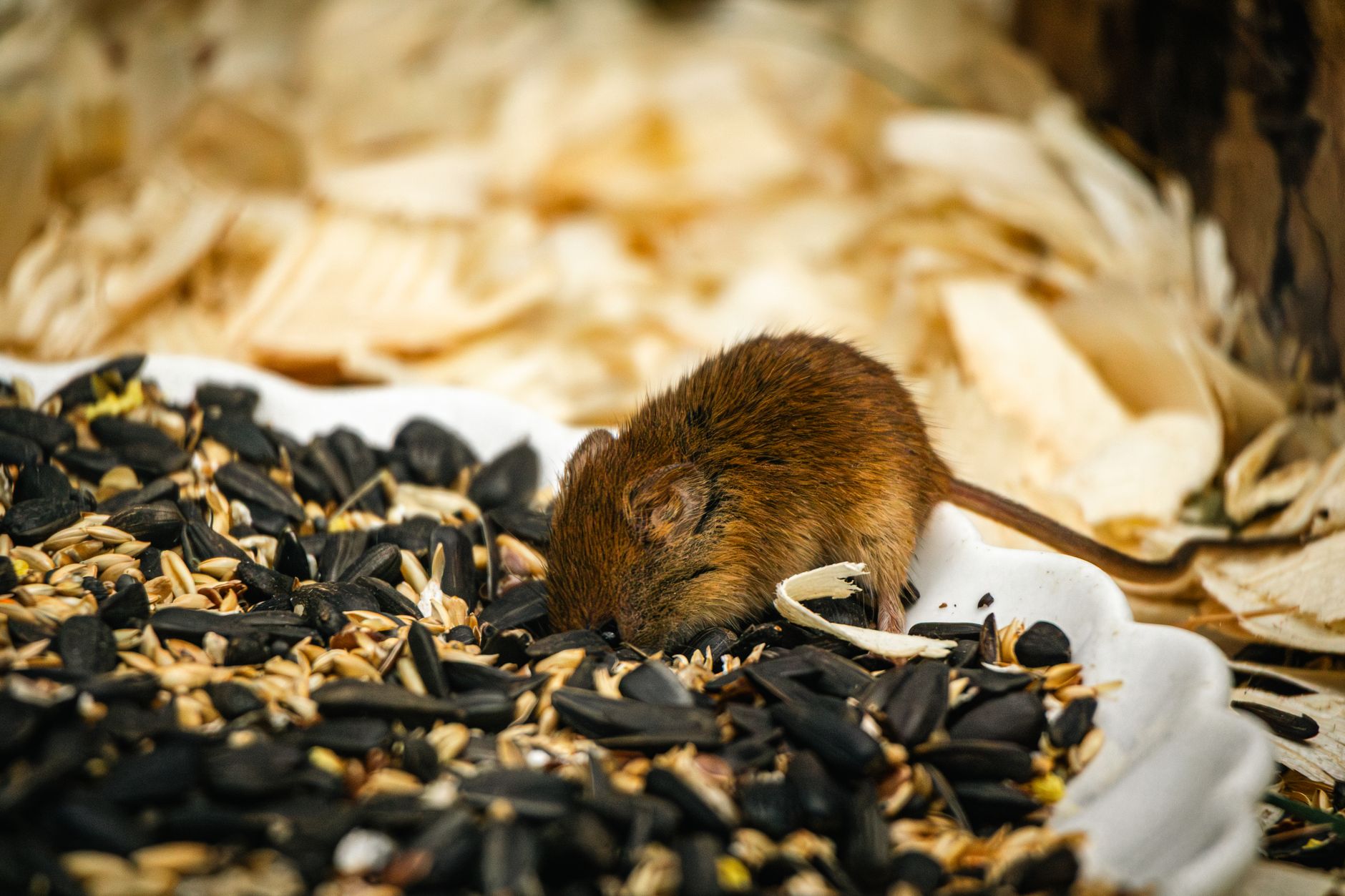
The circumstances leading to a rainbow trout consuming a mouse are relatively specific, but not uncommon. They include:
- Proximity to banks: Trout often patrol the edges of rivers and streams, where mice are abundant.
- Accidental falls: Mice can easily fall into the water, especially near eroded banks or after heavy rain.
- High water conditions: Flooding can wash mice into rivers and streams.
- Opportunistic feeding: If a mouse is struggling in the water, a trout is unlikely to pass up an easy meal.
The Nutritional Value of Mice for Trout
Mice provide a significant boost in nutritional value for rainbow trout. They are packed with protein and fat, allowing trout to gain weight and energy quickly. This is particularly beneficial for:
- Spawning females: Need extra energy reserves for egg production.
- Fast-growing juveniles: Require a high-protein diet for optimal development.
- Trout in nutrient-poor environments: Where insect hatches are scarce.
The following table illustrates the difference in nutritional value between typical trout prey and a mouse:
| Prey Item | Protein (%) | Fat (%) | Calories (per gram) |
|---|---|---|---|
| Insects | 60-70 | 10-20 | 4-5 |
| Small Fish | 70-80 | 5-15 | 4-6 |
| Mouse | 50-60 | 20-30 | 6-7 |
As the table shows, mice offer a considerable caloric and fat boost compared to more common trout prey.
Implications for Anglers: Mouse Flies
The fact that rainbow trout do eat mice has led to the development of mouse flies – large, often articulated flies designed to imitate a swimming rodent. These flies can be incredibly effective, particularly in areas where mice are prevalent along the banks.
Here are some tips for fishing with mouse flies:
- Target areas with overhanging vegetation or eroded banks.
- Fish at dawn or dusk when mice are most active.
- Use a slow, deliberate retrieve to mimic a struggling mouse.
- Be prepared for aggressive strikes!
Factors Limiting Mouse Consumption
Despite their opportunistic nature, several factors limit how frequently rainbow trout eat mice:
- Availability: Mice are not always present in the water.
- Size: Very large trout are more likely to consume larger prey like mice.
- Competition: Other predators may compete for mice.
Frequently Asked Questions
What size trout are most likely to eat mice?
Larger trout, typically over 16 inches, are more likely to consume mice. These fish have larger mouths and can handle larger prey items. Their dietary needs are also greater, making the high-calorie content of a mouse more appealing.
Is it common for trout to eat mice?
No, it is not common, but it’s not rare either. It’s more of an opportunistic feeding behavior than a staple part of their diet. Frequency depends heavily on environmental factors, like proximity to rodent populations.
What time of year are trout most likely to eat mice?
Trout are most likely to eat mice during the spring and fall. This is when rodent populations are often higher, and mice are more likely to be displaced by weather events, such as floods. Additionally, trout are actively feeding to either recover from spawning (spring) or prepare for winter (fall).
Do brown trout also eat mice?
Yes, brown trout are equally, if not more, likely to eat mice than rainbow trout. Brown trout are known for their aggressive feeding habits and willingness to consume a wide variety of prey.
How do I choose the right mouse fly?
Choose a mouse fly that is appropriately sized for the trout you are targeting and the conditions you are fishing. Consider the color and profile of the fly. Natural colors like brown and gray are generally effective, and flies with articulated bodies can create a more realistic swimming action.
What kind of rod and reel setup is best for mouse fishing?
A medium to heavy-action rod and a reel with a strong drag system are recommended for mouse fishing. You’ll need the power to cast large flies and handle potentially large, aggressive fish.
What type of line should I use for mouse fishing?
Use a strong, abrasion-resistant line, such as a braided line or a heavy monofilament. This is crucial for handling large trout and navigating around structure near the banks.
Will trout eat other small mammals besides mice?
Yes, trout will eat other small mammals, such as voles, shrews, and even small chipmunks, if they have the opportunity. The principle remains the same – opportunistic feeding on a readily available, high-calorie food source.
Are mouse flies effective in all types of water?
Mouse flies are most effective in rivers and streams with overhanging vegetation or eroded banks. They can also work in lakes and ponds, but the key is to fish them in areas where mice are likely to be present.
Does eating mice affect the taste of trout?
There is no evidence that eating mice affects the taste of trout. A trout’s diet affects its overall health and size, but its flesh typically maintains a characteristic freshwater flavor.
Is it ethical to use mouse flies for fishing?
Using mouse flies is generally considered ethical as long as anglers practice responsible fishing techniques, such as catch and release and following all applicable fishing regulations.
Can I use real mice as bait for trout?
Using real mice as bait is generally illegal and unethical. It can also be detrimental to local ecosystems and is not recommended. Stick to artificial lures and flies designed to imitate mice.