

Do Orioles Eat Mice? The Surprising Truth About Their Diet
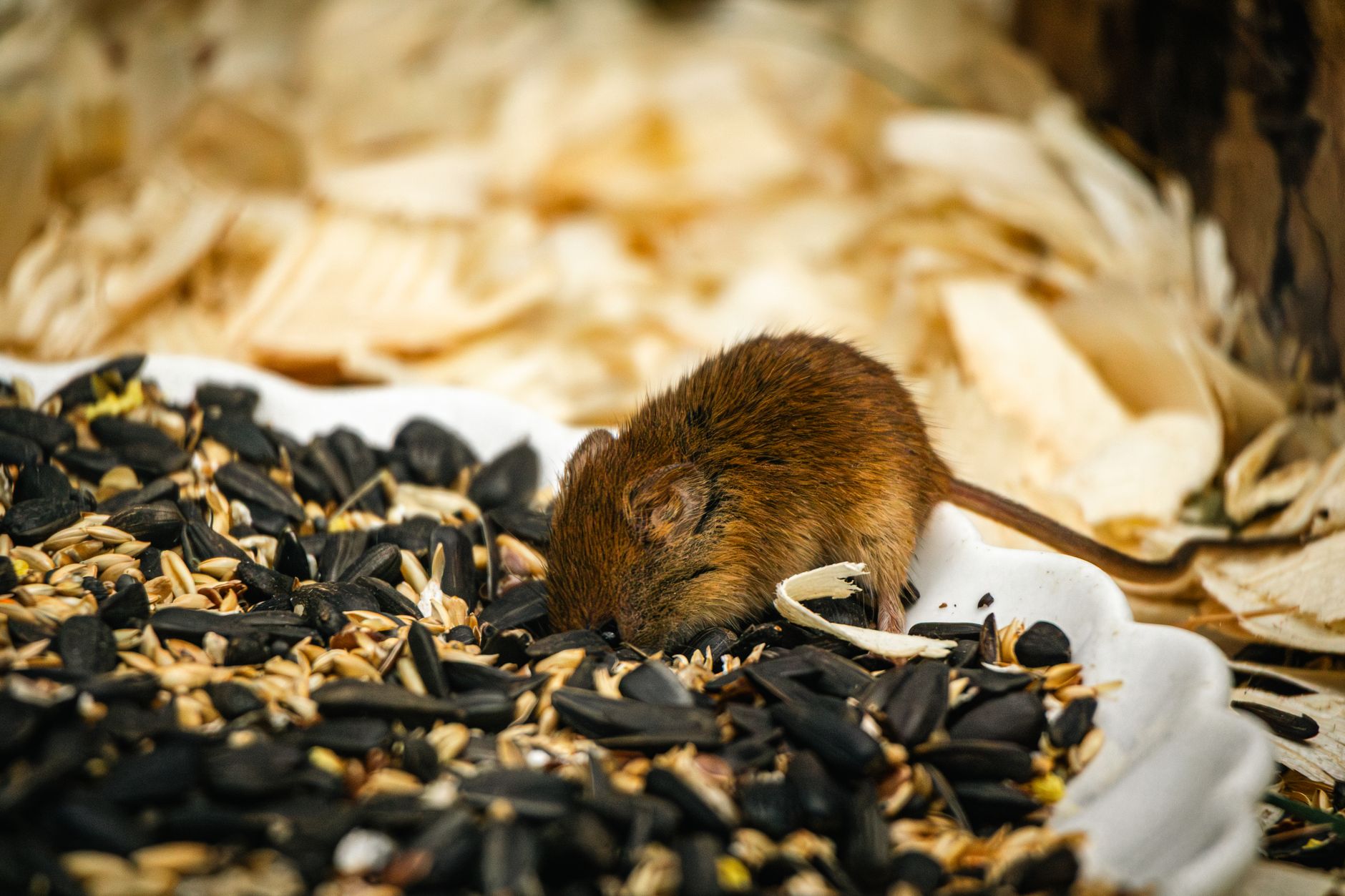
No, orioles do not typically eat mice. While these birds are primarily insectivores and frugivores, occasionally consuming small amounts of nectar and seeds, their diet is not adapted for hunting or consuming rodents.
The Primarily Insectivorous Diet of Orioles
Orioles, belonging to the Icteridae family, are primarily known for their vibrant plumage and melodic songs. Their diet largely reflects their physical characteristics and foraging behaviors, which are specialized for capturing insects and consuming soft fruits. Do orioles eat mice? The answer is overwhelmingly no, and understanding their dietary preferences explains why.
-
Insectivorous Foundation: Insects constitute the cornerstone of an oriole’s diet, especially during the breeding season when protein demands are high. Common insects consumed include caterpillars, grasshoppers, beetles, and ants. They will forage in trees, shrubs and ground foliage, often using their sharp beaks to pick insects out of tight spaces.
-
Frugivorous Supplements: Orioles also have a sweet tooth! They consume a variety of fruits, especially berries, grapes, cherries, and other soft, fleshy fruits. Fruit provides essential sugars for energy.
-
Nectar and Nectar-Like Substances: Some oriole species, particularly in tropical regions, are known to consume nectar from flowers. Orioles are also attracted to jelly feeders and sugary solutions offered by humans.

What is the GREY African clawed frog?
Is distilled water good for goldfish?
What colours are fish most attracted to?
Can you put your finger in a trout's mouth?
Why Mice are NOT on the Menu

The notion of orioles preying on mice is quite improbable for several key reasons.
-
Size Discrepancy: Mice are significantly larger than the typical insects and fruits that orioles consume. Orioles lack the physical strength, beak structure, and hunting techniques required to effectively capture and kill a mouse.
-
Dietary Adaptations: An oriole’s digestive system is optimized for processing insects, fruits, and nectar. It is not designed to digest the bones, fur, and muscle tissue of a rodent.
-
Hunting Behavior: Orioles are primarily arboreal foragers, spending most of their time in trees and shrubs. Mice, on the other hand, are terrestrial animals. The oriole’s foraging behavior does not typically lead to encounters with mice.
The Importance of Diet for Oriole Health
A balanced diet is crucial for the overall health and well-being of orioles. The right mix of insects, fruits, and nectar provides them with the energy and nutrients needed for survival, reproduction, and migration.
-
Breeding Season Needs: During the breeding season, the demand for protein is particularly high, as both adult orioles and their chicks require it for growth and development. Insects are the primary source of this essential nutrient.
-
Migration Support: Orioles embark on long and arduous migrations between their breeding and wintering grounds. A diet rich in fruits and nectar provides the necessary energy reserves for these demanding journeys.
-
Overall Health Maintenance: A consistent and varied diet is essential for maintaining a strong immune system, healthy plumage, and overall vigor.
Factors Influencing Oriole Diet
While do orioles eat mice is demonstrably false, it is important to consider that oriole diets can vary based on geographical location, seasonality, and availability of food resources.
-
Geographic Variation: Different oriole species inhabit different regions, and their diets are influenced by the local availability of insects and fruits. For example, orioles in tropical areas may consume more nectar than those in temperate regions.
-
Seasonal Changes: The availability of insects and fruits changes throughout the year, influencing the oriole’s diet. During the summer months, when insects are abundant, they make up a larger proportion of the diet. In the fall, when fruits are ripening, they become a more important food source.
-
Human Influence: The availability of human-provided food sources, such as fruit feeders and jelly, can also influence the oriole’s diet, particularly in suburban and urban areas.
What to Feed Orioles in Your Backyard
Attracting orioles to your backyard is a rewarding experience. By providing them with appropriate food sources, you can support their health and well-being.
-
Fruit Feeders: Offer sliced oranges, grapes, or other soft fruits. Orioles are particularly fond of oranges.
-
Jelly Feeders: Provide grape jelly in a feeder designed for orioles. Ensure that the jelly is made from real fruit and does not contain artificial sweeteners.
-
Nectar Feeders: Offer a sugar-water solution in a nectar feeder. A ratio of one part sugar to four parts water is ideal.
-
Plant Native Fruit-Bearing Trees and Shrubs: Consider planting native fruit-bearing trees and shrubs in your backyard to provide orioles with a natural food source.
Frequently Asked Questions About Oriole Diet
What is the primary food source for orioles?
The primary food source for orioles is insects, especially during the breeding season. They consume a variety of insects, including caterpillars, grasshoppers, beetles, and ants, which provide the essential protein they need.
Do orioles eat birdseed?
While orioles may occasionally sample birdseed, it is not a preferred food source. They are more attracted to fruits, insects, and nectar. Therefore, providing other food options is a better way to attract them to your yard.
Are orioles attracted to hummingbird feeders?
Yes, orioles are often attracted to hummingbird feeders, as they are drawn to the sugar-water solution. However, oriole feeders typically have larger feeding ports to accommodate their larger beaks.
Do orioles eat caterpillars?
Yes, caterpillars are a significant part of an oriole’s diet, particularly during the breeding season when they are feeding their young. Caterpillars are a rich source of protein, which is essential for growth and development.
What kinds of fruits do orioles like to eat?
Orioles enjoy a variety of soft, fleshy fruits, including berries, grapes, cherries, and oranges. They are particularly fond of ripe fruits with high sugar content.
Do orioles eat seeds?
While orioles might occasionally consume some seeds, it’s not a significant part of their diet. They are primarily insectivores and frugivores.
Do orioles eat nuts?
Nuts are generally not a part of an oriole’s typical diet. Their beaks and digestive systems are not well-suited for cracking and digesting nuts.
How do I attract orioles to my backyard?
To attract orioles to your backyard, offer fruit feeders with sliced oranges or grapes, jelly feeders with grape jelly, and nectar feeders with a sugar-water solution. Planting native fruit-bearing trees and shrubs can also help.
Do orioles eat worms?
While it’s possible for an oriole to eat a worm occasionally, it is not a primary food source. They prefer insects found in trees and shrubs.
What is the best way to feed orioles jelly?
The best way to feed orioles jelly is to use a specialized oriole feeder designed to hold jelly. Ensure that the jelly is made from real fruit and does not contain artificial sweeteners. Place the feeder in a visible location where orioles can easily find it.
Do baby orioles eat the same food as adult orioles?
Baby orioles primarily eat insects, which are brought to them by their parents. Insects provide the high protein content that young birds need for growth and development. The parents might also supplement this diet with small amounts of fruit.
Do orioles eat spiders?
Yes, orioles will eat spiders. Spiders are a source of protein, and they will consume them opportunistically.