
Do Lions Eat Caracals? A Predator-Prey Relationship Explored
While lions are apex predators with a diverse diet, the consumption of caracals is a rare occurrence. The likelihood that do lions eat caracals is low, primarily due to habitat overlap, caracal elusiveness, and the availability of larger, more profitable prey.

Understanding the African Lion’s Diet
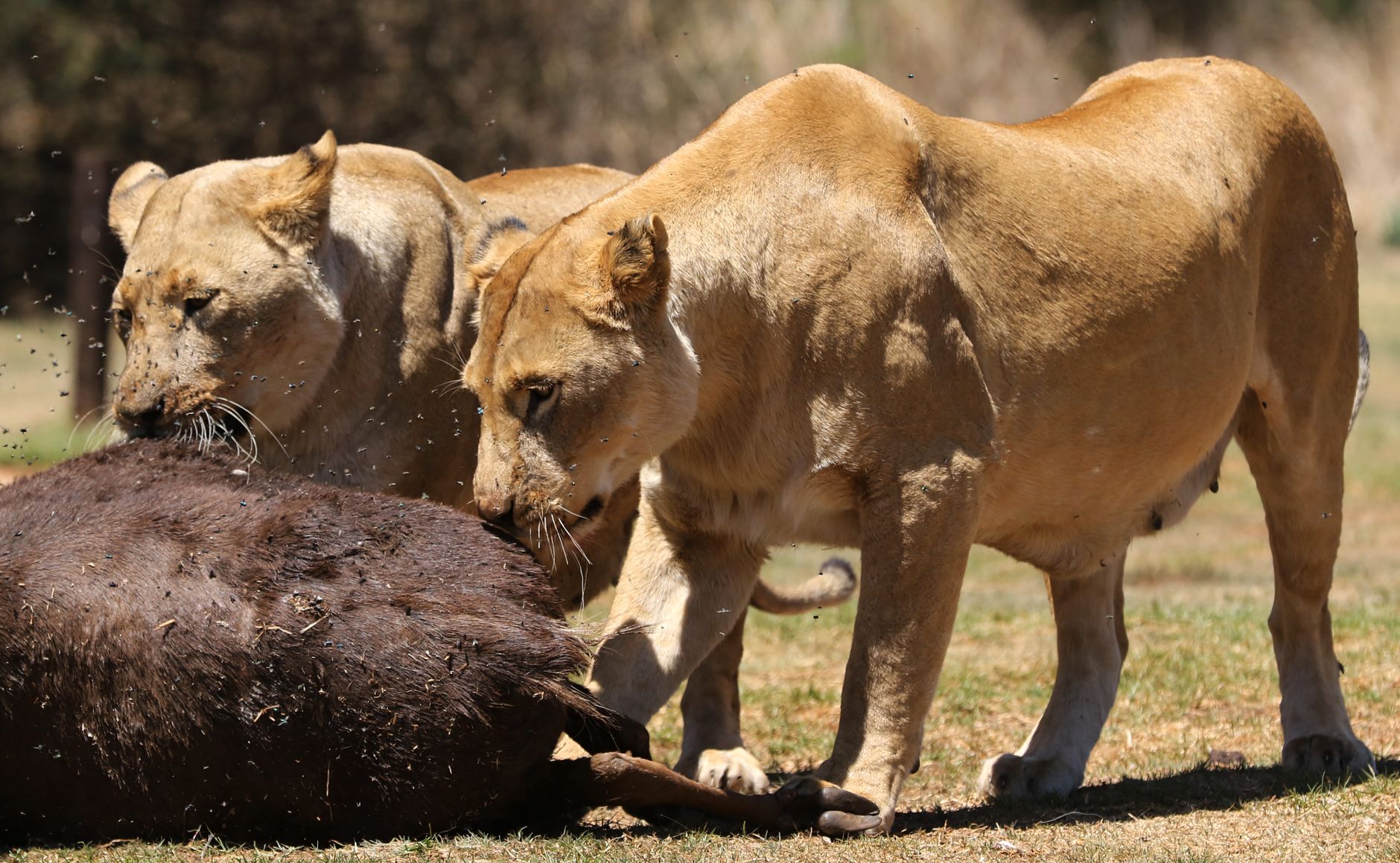
Lions ( Panthera leo) are apex predators, known for their cooperative hunting strategies and their position at the top of the food chain in African ecosystems. Their diet primarily consists of large ungulates, such as zebras, wildebeest, buffalo, and various antelope species. These animals provide a substantial amount of meat, requiring less energy expenditure for hunting than smaller prey.

What is the GREY African clawed frog?
Is distilled water good for goldfish?
What colours are fish most attracted to?
Can you put your finger in a trout's mouth?
The Caracal: A Solitary Feline

Caracals (Caracal caracal) are medium-sized wild cats found across Africa and parts of Asia. They are known for their distinctive black ear tufts and exceptional hunting abilities. Caracals are primarily solitary and nocturnal, hunting small mammals, birds, and reptiles. Their smaller size and secretive nature make them a less appealing target for lions.
Habitat Overlap and Encounters
Lions and caracals do share overlapping habitats in some regions of Africa. This means that interactions between the two species are possible, though not necessarily frequent. However, the caracal’s behavioral adaptations often allow them to avoid direct confrontations with larger predators like lions.
Why Caracals are Not a Primary Food Source
Several factors contribute to why do lions eat caracals is a rare event:
-
Size and Energy Return: Lions require a significant amount of food to sustain their large size and energy needs. A caracal provides relatively little meat compared to larger prey animals. Hunting a caracal might expend more energy than the lion gains from the meal.
-
Hunting Difficulty: Caracals are agile and elusive hunters themselves. They are quick and possess excellent camouflage, making them difficult to catch. Lions typically target larger, slower prey that are easier to subdue.
-
Risk of Injury: While caracals are significantly smaller than lions, they are still capable of defending themselves. A caracal could potentially inflict injury on a lion during a struggle, which could compromise the lion’s hunting ability and overall health. The risk-reward ratio is unfavorable for the lion.
-
Prey Availability: In areas where lions and caracals coexist, there are usually ample populations of larger ungulates. Lions will prioritize these readily available and more profitable prey sources.
Instances of Predation
While caracals are not a staple in a lion’s diet, there have been documented instances of lions killing and consuming caracals. These instances are typically opportunistic, occurring when a lion encounters a caracal by chance, or during times of food scarcity. Young or inexperienced lions might also be more likely to attempt hunting caracals.
Comparing Diets
The table below shows the typical prey ranges for lions and caracals.
| Predator | Primary Prey | Secondary Prey |
|---|---|---|
| Lions | Zebras, Wildebeest, Buffalo, Antelope, Giraffes | Smaller mammals, Birds, Occasional Caracals |
| Caracals | Rodents, Birds, Hares, Hyraxes | Small Antelope, Occasional young larger prey |
The Role of Scavenging
It’s also possible that lions might scavenge on caracals that have died from other causes, such as disease or accidents. However, scavenging is generally a less common feeding strategy for lions, who prefer to hunt their own prey.
Frequently Asked Questions
Are lions the only predators of caracals?
No, lions are not the only predators of caracals. Other predators that may prey on caracals include leopards, hyenas, and African wild dogs. The threat from each predator will depend on the specific habitat and the abundance of each species. Eagles and other large birds of prey may also target young caracals.
Do lions ever hunt caracals in packs?
It’s highly unlikely that lions would hunt caracals in packs. Lions typically hunt cooperatively when targeting large prey, such as zebras or buffalo, that require the combined strength and coordination of multiple individuals. A single lion is typically sufficient to subdue a caracal, making pack hunting unnecessary and inefficient.
What happens if a caracal and a lion encounter each other directly?
If a caracal and a lion encounter each other directly, the caracal will typically attempt to avoid the confrontation. Its best strategy is to use its speed and agility to escape. If escape is not possible, the caracal may try to defend itself, but it is unlikely to win against a fully grown lion.
Are caracals considered endangered due to lion predation?
No, caracals are not considered endangered or threatened due to lion predation. While lions can prey on caracals, they are not the primary factor influencing caracal populations. Habitat loss, human encroachment, and hunting by humans are greater threats to caracal populations.
Do male or female lions hunt caracals more often?
There’s no definitive evidence suggesting that male or female lions hunt caracals more often. Both male and female lions participate in hunting, although females typically play a more active role in group hunts. Opportunistic predation on caracals could be carried out by either sex.
How does habitat influence lion predation on caracals?
Habitat plays a significant role in influencing the frequency of lion predation on caracals. In areas where there is limited larger prey available, lions may be more likely to target smaller animals like caracals. Conversely, in areas with abundant large prey, lions will typically prioritize those resources.
What time of day are lions most likely to encounter caracals?
Lions are most active during the twilight hours (dawn and dusk) and at night, while caracals are primarily nocturnal. This means that encounters are more likely to occur during these periods, increasing the chances of opportunistic predation.
Have any studies specifically tracked lion predation on caracals?
There aren’t dedicated studies that exclusively track lion predation on caracals. Information regarding this predator-prey relationship is often gathered from broader ecological studies focusing on lion diets and behavior, or from anecdotal observations.
Is it possible that lions kill caracals without consuming them?
Yes, it is possible that lions may kill caracals without consuming them. This could occur if the lion is not hungry, if the caracal is killed during a territorial dispute, or if the lion is interrupted during the hunt. Such events can be considered “surplus killing”.
Does the age or health of a caracal influence its vulnerability to lion predation?
Yes, younger, older, or sick caracals are more vulnerable to lion predation. These individuals are likely to be slower, less agile, and less able to defend themselves against a lion. They also might be weaker from illness and therefore unable to hunt effectively and have decreased stamina.
How do caracals protect themselves from lions?
Caracals protect themselves from lions primarily by avoiding encounters. They achieve this through their nocturnal habits, cryptic coloration, and awareness of their surroundings. They are also agile climbers and can escape into trees if necessary.
Does the presence of other predators affect the frequency of lion predation on caracals?
The presence of other predators can indirectly affect the frequency of lion predation on caracals. If other predators, such as leopards or hyenas, are abundant and compete with lions for resources, lions may be more likely to target a wider range of prey, including caracals. The overall balance of the ecosystem influences these interactions.