
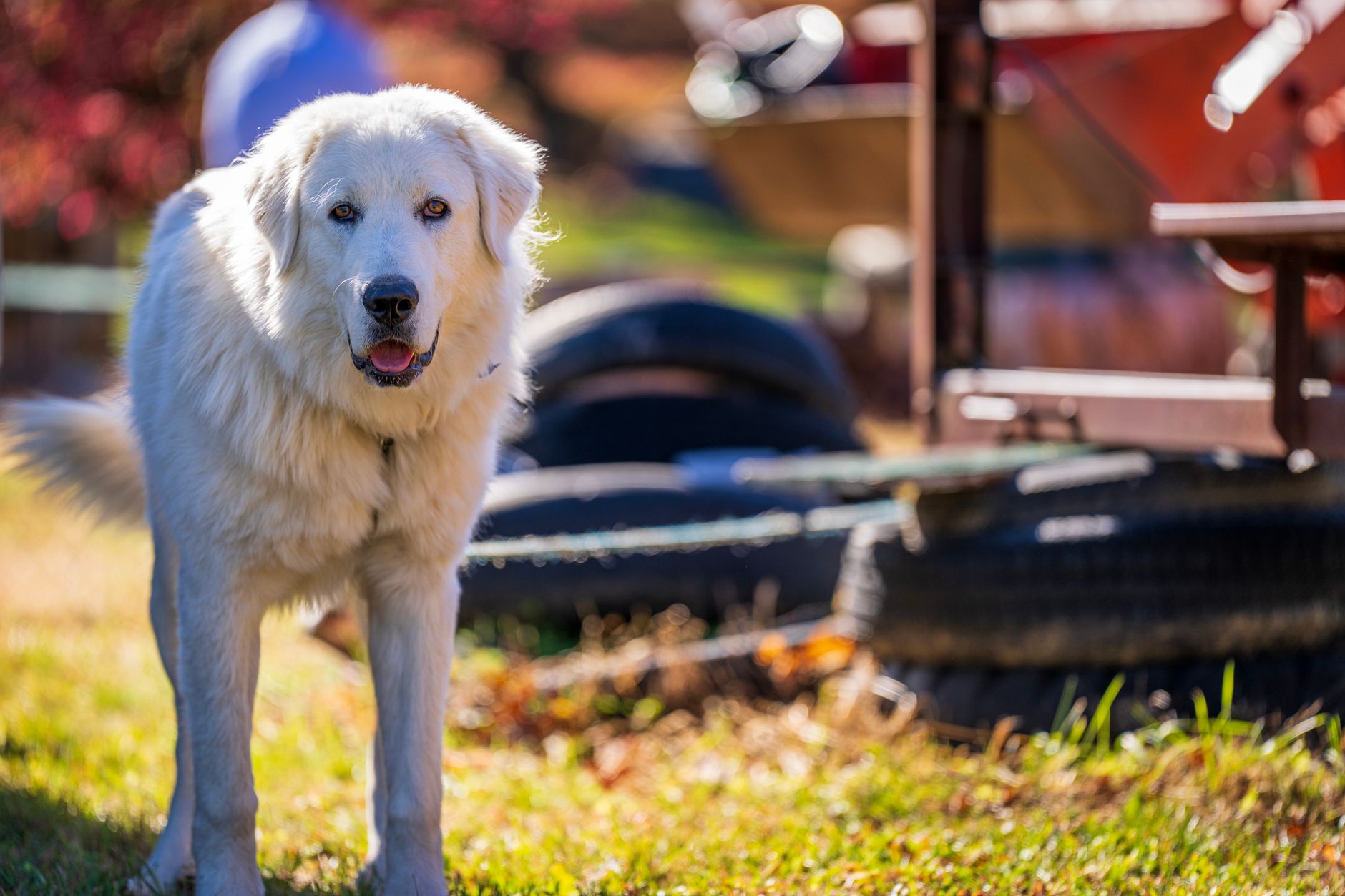
Do Great Pyrenees Need a Bed?
The question of whether Great Pyrenees need a bed is a resounding yes, though the type of bed is crucial. Providing a supportive and comfortable bed offers numerous benefits for these large-breed dogs, contributing to their joint health, overall well-being, and quality of life.

Understanding the Great Pyrenees and Their Needs
The Great Pyrenees, originally bred to guard livestock in the Pyrenees Mountains, are powerful, intelligent, and relatively independent dogs. Their thick double coat protects them from harsh weather, but it doesn’t negate the need for a comfortable resting place, especially as they age. Understanding their breed characteristics is crucial in determining their specific needs, including their bedding requirements.

Is distilled water good for goldfish?
What colours are fish most attracted to?
Can you put your finger in a trout's mouth?
Is methylene blue anti bacterial?
Benefits of Providing a Bed for Your Great Pyrenees
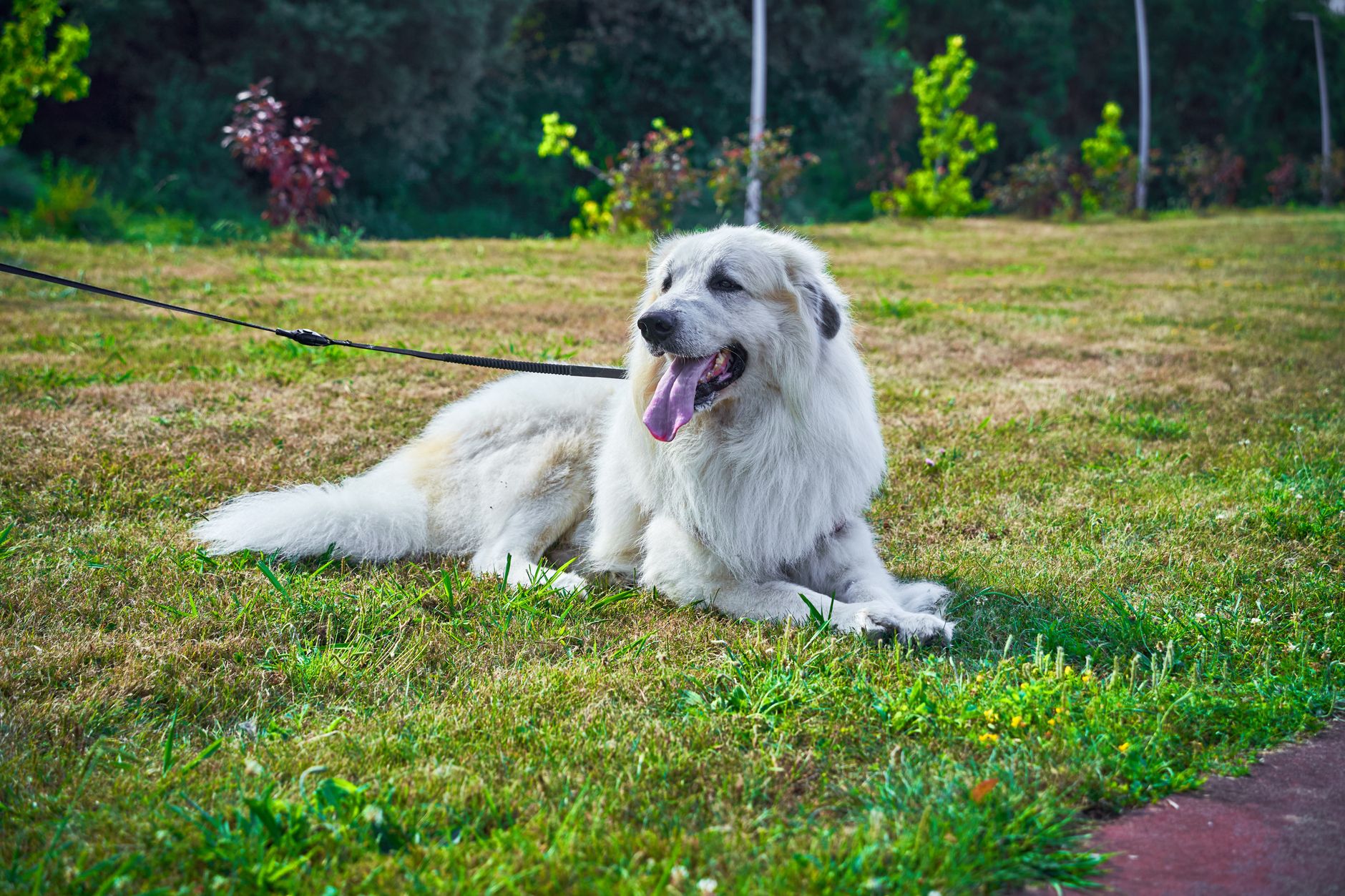
Providing a bed for your Great Pyrenees is more than just a comfort consideration; it’s an investment in their health. Here’s why:
- Joint Support: Great Pyrenees are prone to hip and elbow dysplasia. A supportive bed, particularly one made of orthopedic foam, can cushion their joints and alleviate pressure, minimizing pain and discomfort.
- Insulation: While their thick coat provides insulation outdoors, a bed offers a consistent and draft-free resting place indoors, especially during colder months. This is important for maintaining optimal body temperature.
- Hygiene: A designated bed is easier to clean than your couch or floor. Regular cleaning prevents the build-up of allergens and bacteria, contributing to a healthier environment for both your dog and your family.
- Sense of Security: A bed can become your Great Pyrenees’ safe haven, providing a sense of security and ownership. This is especially important for anxious or territorial dogs.
- Reduced Calluses: Lying on hard surfaces can lead to pressure sores and calluses, particularly on their elbows and hocks. A soft bed helps to distribute their weight more evenly, preventing these issues.
Choosing the Right Bed for Your Great Pyrenees
Selecting the right bed is critical. Here’s what to consider:
- Size: Opt for a bed that is large enough for your Great Pyrenees to stretch out comfortably. Measure your dog while they are lying down and add a few inches to ensure they have ample space.
- Support: Orthopedic foam is ideal, especially for older dogs or those with joint problems. Look for beds that provide good support and don’t flatten out easily.
- Material: Choose a durable and easy-to-clean material. Water-resistant or waterproof options are a good idea, especially for puppies or dogs prone to accidents.
- Style: Consider your dog’s sleeping habits. Some prefer to curl up in a donut-shaped bed, while others prefer a flat mattress-style bed. Elevated beds can also be a good option, promoting airflow.
- Durability: Great Pyrenees are powerful dogs. Invest in a bed made from high-quality, rip-resistant materials to withstand their size and strength.
Here’s a simple table summarizing bed types and their pros and cons:
| Bed Type | Pros | Cons |
|---|---|---|
| Orthopedic | Excellent joint support, pressure relief | Can be more expensive |
| Donut-shaped | Provides a sense of security, good for dogs who like to curl up | May not be suitable for dogs who prefer to stretch out |
| Mattress-style | Simple, versatile, good for dogs who like to stretch out | May not provide as much support as other types |
| Elevated | Promotes airflow, good for warmer climates | May not be suitable for older dogs with mobility issues |
| Water-resistant | Easy to clean, protects against accidents | May not be as comfortable as other materials |
Common Mistakes to Avoid
When choosing a bed for your Great Pyrenees, avoid these common pitfalls:
- Choosing a bed that is too small.
- Selecting a bed with inadequate support.
- Opting for a bed made from flimsy materials.
- Ignoring your dog’s individual preferences.
- Neglecting to clean the bed regularly.
Frequently Asked Questions
Why is orthopedic foam important for Great Pyrenees beds?
Orthopedic foam is crucial because it provides superior support and pressure relief for the joints. Great Pyrenees are prone to joint problems like hip and elbow dysplasia, and orthopedic foam helps to cushion these joints, reducing pain and inflammation and promoting better sleep.
How often should I clean my Great Pyrenees’ bed?
The frequency of cleaning depends on several factors, including how often your dog uses the bed and whether they shed heavily. As a general rule, you should wash the bed cover at least once a week. You should also vacuum the bed regularly to remove hair and debris.
What size bed is best for a Great Pyrenees?
Generally, an XL or Giant sized bed is needed for an adult Great Pyrenees. Measure your dog lying down and add a few inches to the length and width for ample space. A bed around 48-54 inches long should be sufficient.
Can my Great Pyrenees share a bed with another dog?
This depends on the dogs’ personalities and how well they get along. If they are comfortable sharing space and resources, they may enjoy sharing a bed. However, if they are territorial or have a history of conflict, it’s best to provide them with separate beds.
What if my Great Pyrenees prefers to sleep on the floor?
Some Great Pyrenees may prefer the coolness of the floor, especially during warmer months. Ensure they have access to both the bed and the floor, allowing them to choose where they feel most comfortable. You can also try placing the bed in a cooler location.
Are elevated beds a good option for Great Pyrenees?
Elevated beds can be a good option, as they promote airflow and keep your dog cool. They are also easier to clean. However, consider your dog’s age and mobility. If they have difficulty getting up and down, an elevated bed may not be suitable.
What materials are best for a Great Pyrenees bed?
Look for durable and easy-to-clean materials such as canvas, denim, or micro suede. Water-resistant or waterproof linings are also a good idea to protect the bed from accidents. Avoid beds made from flimsy materials that can be easily ripped or torn.
How do I encourage my Great Pyrenees to use their new bed?
Make the bed inviting by placing their favorite toys or a blanket on it. You can also try luring them onto the bed with treats or praise. If they are hesitant, start by placing the bed in a familiar location where they already like to rest.
Is it okay for my Great Pyrenees to sleep in my bed?
This is a personal decision. If you don’t mind sharing your bed with your dog, there’s no harm in it. However, be aware that Great Pyrenees can take up a lot of space and may shed a lot of hair. Setting boundaries is important for both your comfort and the dog’s training.
My Great Pyrenees is constantly chewing on their bed. What should I do?
This could be a sign of boredom, anxiety, or teething. Ensure your dog has plenty of chew toys and opportunities for exercise. You can also try spraying the bed with a bitter apple spray to deter chewing. If the chewing persists, consult with a veterinarian or dog trainer.
Can a Great Pyrenees bed help with shedding?
While a bed won’t completely eliminate shedding, it can help to contain the shedding to a specific area. Regularly vacuuming the bed will prevent hair from spreading throughout your home.
Where should I place my Great Pyrenees’ bed?
Place the bed in a quiet, comfortable location where your dog feels safe and secure. Avoid high-traffic areas or places that are too hot or too cold. Consider placing the bed near you, so your dog feels included in the family’s activities.