

Do Fish Not Like Cold Water? Exploring Thermal Preferences
While it might seem intuitive to think all fish dislike cold water, the reality is far more nuanced. The suitability of water temperature depends entirely on the species; some fish thrive in icy conditions while others perish in even moderately cool waters.

The Diverse World of Fish and Temperature
Understanding whether do fish not like cold water? requires appreciating the immense diversity of the fish kingdom. Fish are found in virtually every aquatic environment on Earth, from the freezing polar seas to scorching desert springs. This wide distribution means that different species have evolved to tolerate, and even require, vastly different water temperatures. What’s comfortable for a polar cod would be lethal for a tropical angelfish.

Can fish hold their breath out of water?
What fish is Flo?
How intelligent are fish?
Are fish heads good for the garden?
Ectothermic Nature: A Key Factor
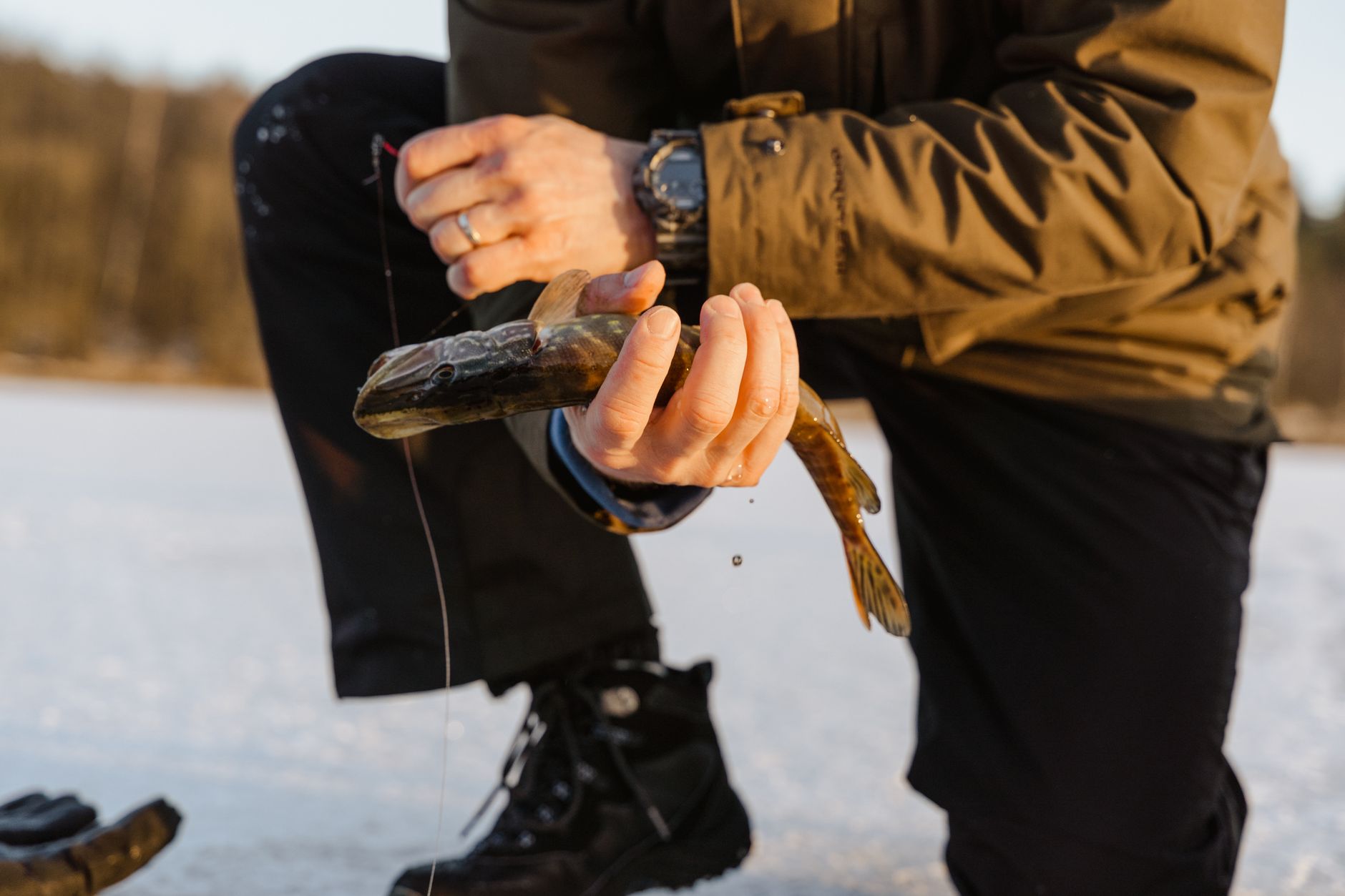
Fish are ectothermic, meaning they rely on external sources to regulate their body temperature. Unlike mammals and birds, which maintain a constant internal temperature, a fish’s body temperature closely mirrors that of its surroundings. This dependence on ambient temperature has profoundly shaped their physiology and behavior.
- Metabolic Rate: Cold water generally slows down a fish’s metabolic rate. This impacts everything from digestion and respiration to activity levels and growth.
- Oxygen Uptake: Cold water holds more dissolved oxygen than warm water, which can be advantageous for fish adapted to colder environments. However, the lower metabolic rate also means that fish in cold water typically require less oxygen.
- Enzyme Function: Enzymes, the biological catalysts that drive biochemical reactions, have optimal temperature ranges. Enzymes in cold-water fish function efficiently at lower temperatures, while those in warm-water fish are optimized for higher temperatures.
Cold-Water Fish: Adaptations for the Chill
Many fish species are specifically adapted to thrive in cold water. These fish have evolved physiological mechanisms that allow them to survive and function effectively in frigid environments.
- Antifreeze Proteins: Some cold-water fish, such as the Antarctic icefish, produce antifreeze proteins in their blood. These proteins prevent ice crystals from forming, protecting the fish from freezing.
- Lipid Composition: The cell membranes of cold-water fish tend to have a higher proportion of unsaturated fatty acids. These fats remain fluid at lower temperatures, preventing the membranes from becoming rigid and brittle.
- Specialized Hemoglobin: Some cold-water fish have hemoglobin (the protein that carries oxygen in the blood) with a higher affinity for oxygen at low temperatures.
Warm-Water Fish: Sun Seekers
In contrast, warm-water fish are adapted to thrive in warmer climates. They typically have higher metabolic rates and are more active at higher temperatures.
- Higher Oxygen Demand: Warm-water fish require more oxygen due to their higher metabolic rates.
- Sensitivity to Cold Shock: Sudden drops in temperature can be lethal to warm-water fish. This “cold shock” can impair their physiological functions and even cause death.
- Geographic Distribution: Warm-water fish are primarily found in tropical and subtropical regions, where water temperatures are consistently warm.
The Importance of Acclimation
Acclimation is the process by which fish gradually adjust to changes in water temperature. Fish can tolerate a wider range of temperatures if they are given time to acclimate. However, even with acclimation, there are limits to how much temperature change a fish can handle.
- Gradual Changes: Rapid temperature fluctuations are more stressful and potentially lethal than gradual changes.
- Species-Specific Tolerance: The ability to acclimate varies greatly among species. Some fish are more tolerant of temperature changes than others.
- Importance in Aquaculture: Acclimation is a crucial consideration in aquaculture, where fish are often moved from one environment to another.
Optimal Temperature Ranges: A Spectrum
Instead of a simple “like” or “dislike”, fish have preferred temperature ranges. Some fish are tolerant of a broad range, while others are quite sensitive.
| Fish Type | Optimal Temperature Range (°C) | Examples |
|---|---|---|
| Cold-Water Fish | 0-15 | Trout, Salmon, Arctic Char |
| Temperate Fish | 15-25 | Bass, Catfish, Carp |
| Warm-Water Fish | 25-35 | Angelfish, Discus, Betta |
Frequently Asked Questions (FAQs)
Do all fish freeze in ice?
No, not all fish freeze in ice. Many cold-water fish have evolved mechanisms to prevent freezing, such as antifreeze proteins in their blood. Even fish without such adaptations may survive in partially frozen waters by seeking out deeper, unfrozen areas.
Can warm-water fish survive in cold water for a short period?
Generally, warm-water fish are highly susceptible to cold shock and prolonged exposure to cold water is fatal. Even a brief period of cold can cause stress and compromise their immune system, making them susceptible to disease.
What happens to fish when water temperatures drop too quickly?
A rapid drop in temperature, known as cold shock, can cause severe stress and physiological dysfunction in fish. This can lead to disorientation, loss of balance, and even death.
How does climate change affect fish populations?
Climate change is altering water temperatures in many aquatic environments. This can shift the geographic distribution of fish species, disrupt food webs, and increase the risk of thermal stress.
Are there any fish that can tolerate both cold and warm water?
Some fish species, like certain types of striped bass, are more tolerant of a wider range of temperatures than others. However, even these fish have optimal temperature ranges and may experience stress if temperatures deviate significantly from those ranges.
How do fish regulate their body temperature?
Since fish are ectothermic, they primarily regulate their body temperature through behavior. They seek out areas with their preferred temperature, moving to warmer or cooler waters as needed.
What is the impact of cold water on fish breeding?
Water temperature plays a crucial role in fish breeding. Many fish species require specific temperature ranges to trigger spawning. Cold water can delay or inhibit reproduction in some species.
Do fish prefer colder water when they are sick?
The effect of cold water on sick fish depends on the species and the nature of the illness. Some fish might seek cooler waters to slow down metabolic processes, while others might seek warmer waters to boost their immune response. There is no universal rule.
Can fish acclimate to gradually colder water?
Yes, fish can often acclimate to gradually colder water, but the rate and extent of acclimation vary greatly among species. It’s crucial to provide a slow, gradual transition in temperature.
What is the lowest temperature a fish can survive in?
The lowest temperature a fish can survive in depends on the species. Some fish, like Antarctic icefish, can survive in water as cold as -2°C (28°F) due to antifreeze proteins.
How does cold water affect fish behavior?
Cold water can slow down fish behavior by reducing their metabolic rate and activity levels. They become less active, eat less, and may appear sluggish.
How do I know what water temperature is right for my pet fish?
Research! Knowing the ideal temperature range is crucial. Consult reputable sources on fish care, such as aquarium guides, fishkeeping forums, or experienced aquarists. Different species have vastly different needs.