

Do Elephants Remember Who Hurt Them? The Long Memory of the Giants
Elephants possess remarkable cognitive abilities, including an extraordinary memory. Yes, studies strongly suggest that elephants remember who hurt them, holding grudges that can last for years, even decades.
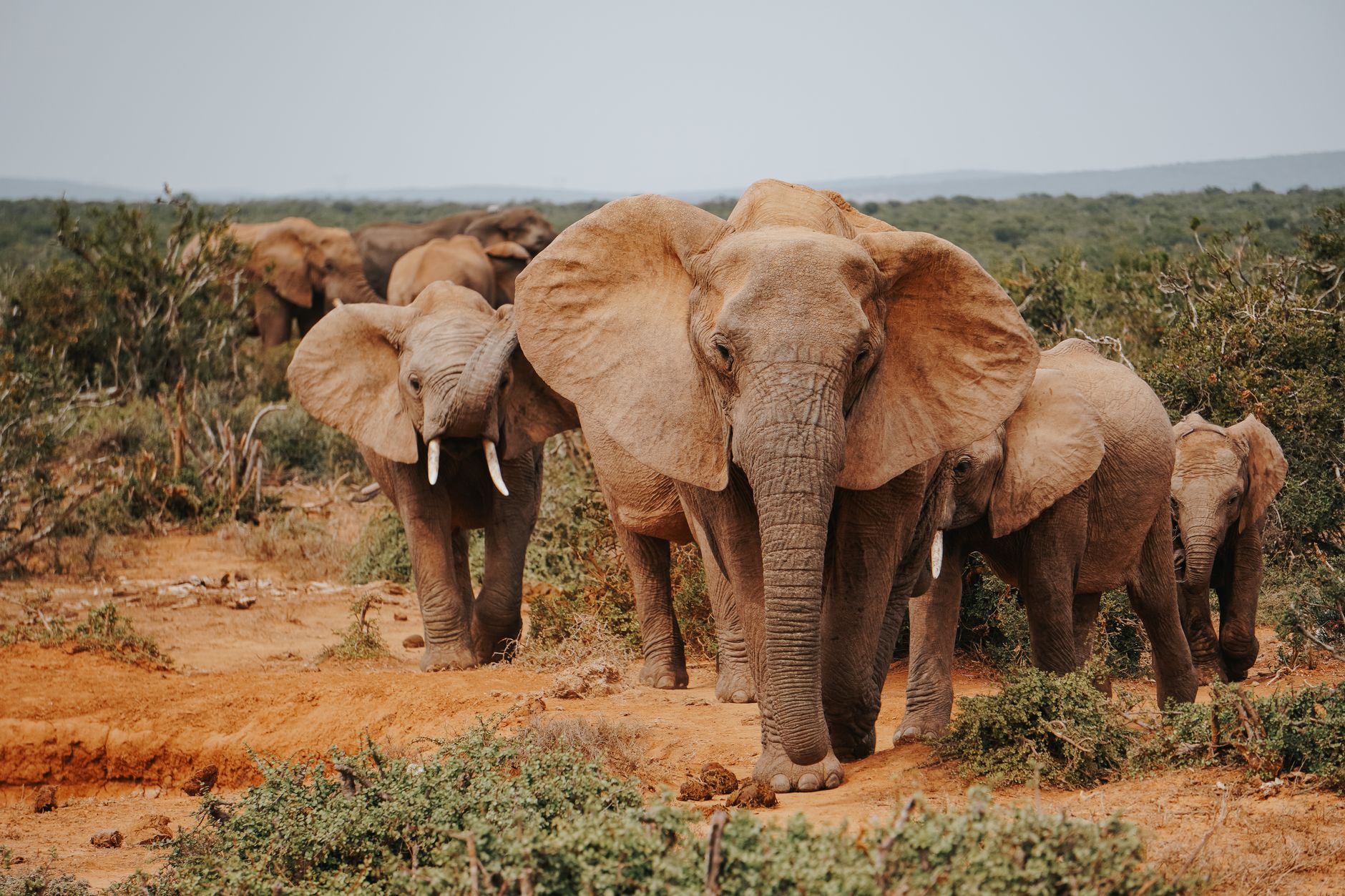
The Elephant’s Unforgettable Brain
Elephants are renowned for their intelligence and complex social structures. This is largely due to their impressive brains, the largest of any land mammal, weighing in at around 13 pounds. More than just size, the structure of an elephant’s brain allows for advanced cognitive functions, including:
- Emotional processing: Elephants display a wide range of emotions, including grief, joy, and anger.
- Social learning: They learn from each other, passing down knowledge and traditions.
- Spatial memory: Essential for navigating vast territories and locating resources.
- Episodic memory: The ability to recall specific events and experiences.
This last point, episodic memory, is crucial when considering the question, do elephants remember who hurt them?. It’s not just about remembering a general threat, but recalling a specific individual and the negative interaction.

Is distilled water good for goldfish?
What colours are fish most attracted to?
Can you put your finger in a trout's mouth?
Is methylene blue anti bacterial?
The Power of Recognition: Visual and Olfactory Cues

How do elephants remember who hurt them? Primarily through a combination of visual and olfactory cues. They have excellent eyesight, especially at a distance, allowing them to recognize individuals from afar. However, their sense of smell is even more powerful. Elephants can distinguish between different humans based on their scent, and this ability plays a significant role in their social interactions and survival.
Imagine an elephant encountering a human who speared her mother years ago. The elephant may recognize the individual’s face or gait, but the scent will likely be the strongest trigger, instantly bringing back the associated trauma and potentially provoking a defensive or aggressive response.
The Social Context of Memory
Elephant society is built on strong family bonds and intricate social hierarchies. Calves learn everything they need to know from their mothers and other members of their herd. This includes identifying potential threats and learning how to respond to them.
If an elephant witnesses a human harming a member of its family, it’s not just a personal experience; it’s a collective trauma that is shared and reinforced within the group. This shared memory further strengthens the association between the individual and the perceived threat, making it even more likely that elephants remember who hurt them.
Grudges and Retaliation: Observed Behaviors
There are numerous documented accounts of elephants displaying seemingly vengeful behavior towards individuals or groups they perceive as having wronged them. These behaviors include:
- Attacking vehicles or settlements used by known poachers.
- Exhibiting aggressive behavior towards specific individuals who have previously harassed them.
- Targeting individuals who have been associated with habitat destruction.
While interpreting animal behavior can be tricky, these incidents strongly suggest that elephants remember who hurt them and are capable of holding grudges, even after extended periods. However, this isn’t simple revenge. For elephants, it’s about survival, protecting their families, and defending their territory.
The Importance of Conservation
Understanding the complex cognitive abilities of elephants, including their capacity to remember past traumas, is crucial for effective conservation efforts. It underscores the need for ethical and responsible interactions with these magnificent creatures. By minimizing human-elephant conflict and protecting their natural habitats, we can ensure their survival for generations to come.
Frequently Asked Questions about Elephant Memory
Do elephants have the best memory of all animals?
While elephants are known for their exceptional memory, it’s difficult to definitively say they have the “best” memory of all animals. Many other species, like dolphins and certain birds, also exhibit impressive memory capabilities. What is clear is that elephants possess a highly developed episodic memory, allowing them to recall specific events and experiences with remarkable detail.
How long do elephants’ memories last?
Elephant memories are incredibly long-lasting. There is evidence suggesting they can remember specific individuals and events for decades. This longevity is likely crucial for their survival, helping them to navigate their environment, maintain social bonds, and avoid potential threats. Therefore, we can expect that elephants remember who hurt them even after decades.
Do elephants only remember negative experiences?
No, elephants don’t only remember negative experiences. They also form strong positive bonds with other elephants and even humans. They remember acts of kindness, affection, and support. Their memories are complex and encompass a wide range of emotions and experiences.
Is it possible to befriend an elephant who has been traumatized?
Befriending a traumatized elephant is possible, but it requires patience, understanding, and a deep respect for their emotional state. It’s crucial to approach them with caution and avoid any actions that could trigger negative memories or fear. Building trust through consistent, positive interactions is essential.
Do elephants recognize themselves in a mirror?
Yes, elephants are among the few animals that have demonstrated self-awareness by recognizing themselves in a mirror. This indicates a high level of cognitive function and an understanding of their own identity.
How does an elephant’s memory compare to a human’s?
Comparing human and elephant memory is complex. While elephants may have a more robust episodic memory for specific events, humans excel at abstract thought, language, and symbolic reasoning. Both species possess remarkable cognitive abilities, but they differ in their strengths and weaknesses.
What factors contribute to an elephant’s long memory?
Several factors contribute to an elephant’s long memory, including their large brain size, complex social structures, and the importance of memory for survival. Their ability to navigate vast territories, locate resources, and maintain social bonds relies heavily on their ability to remember past experiences.
Can an elephant’s memory be affected by trauma?
Yes, an elephant’s memory can be profoundly affected by trauma. Traumatic experiences can lead to heightened anxiety, fear, and aggression, which can be triggered by specific stimuli associated with the trauma. This is another way to say elephants remember who hurt them.
How can we help elephants who have suffered trauma?
Helping traumatized elephants requires a multifaceted approach, including providing safe and secure environments, minimizing human-elephant conflict, and promoting ethical tourism practices. Supporting organizations that rescue and rehabilitate elephants is also crucial.
What are the ethical implications of knowing that elephants remember trauma?
The knowledge that elephants remember who hurt them has significant ethical implications. It underscores the need for treating them with respect and compassion, avoiding any actions that could cause them harm or distress. It also highlights the importance of advocating for their protection and conservation.
Are there studies that prove that elephants have a long memory?
Yes, there are many studies that demonstrate the exceptional memory abilities of elephants. These studies have used a variety of methods, including observational studies, behavioral experiments, and neuroimaging techniques. They consistently show that elephants are capable of remembering specific individuals, events, and locations for extended periods.
How does elephant memory play a role in their survival?
Elephant memory is critical to survival. They must remember seasonal migration routes, key watering holes during droughts, and locations with essential resources. They also rely on past experiences to differentiate between safe and dangerous situations and know elephants remember who hurt them. This knowledge makes the difference between life and death.